
High-Protein, High-Fiber Gut-Friendly Power Bowl That Loves Your Microbiome
High-Protein, High-Fiber Gut-Friendly Power Bowl
High-protein, high-fiber “gut-friendly” eating has moved from niche trend to everyday kitchen inspiration, and this colorful power bowl is my favorite way to bring that research—and all those TikTok ideas—onto the dinner table. We balance at least 30 g of protein with a rainbow of plant foods, beans, and whole grains to feed a happy microbiome, keep blood sugar steady, and leave you feeling pleasantly full rather than weighed down.
Think fluffy quinoa, juicy roasted vegetables, hearty beans, crunchy seeds, and a tangy Greek-yogurt-and-kefir dressing, all in one bowl that feels like a warm hug for your gut. It’s the kind of recipe that fits a busy weeknight, a Sunday meal prep session, or a gentle reset after a heavy weekend—supportive, not restrictive.
Dietary: High-protein, high-fiber, gut-friendly, gluten-free optional, vegetarian with easy vegan swap.
Core keywords: high-protein bowl, high-fiber recipe, gut-friendly dinner, microbiome-friendly meal prep, Greek yogurt dressing, quinoa bean bowl.
Why High-Protein, High-Fiber Gut-Friendly Bowls Are Trending
Across TikTok, Instagram Reels, and nutrition podcasts, there’s a wave of enthusiasm for meals that combine at least 20–30 g of protein with plenty of fiber-rich plant foods. The idea is simple but powerful: protein supports muscle, satiety, and healthy aging, while fiber and plant diversity nourish your gut microbiome—those trillions of friendly bacteria linked to mood, immunity, metabolism, and even skin health.
Creators are moving away from rigid calorie counting and extreme elimination diets toward protein and fiber targets
. Dietitians emphasize:
- Hitting roughly 1.6–2.2 g protein/kg body weight for active people, spread through the day.
- Aiming for 25–35 g fiber per day (sometimes more), mostly from whole grains, legumes, fruits, and vegetables.
- Gradually increasing fiber to avoid bloating while your gut adapts.
- Including fermented foods like yogurt, kefir, kimchi, and sauerkraut to add beneficial microbes.
This recipe slots neatly into that landscape: each bowl delivers balanced protein, generous fiber, and a rainbow of minimally processed plants—no powders required (unless you want them).
Ingredients for a Gut-Friendly High-Protein Power Bowl
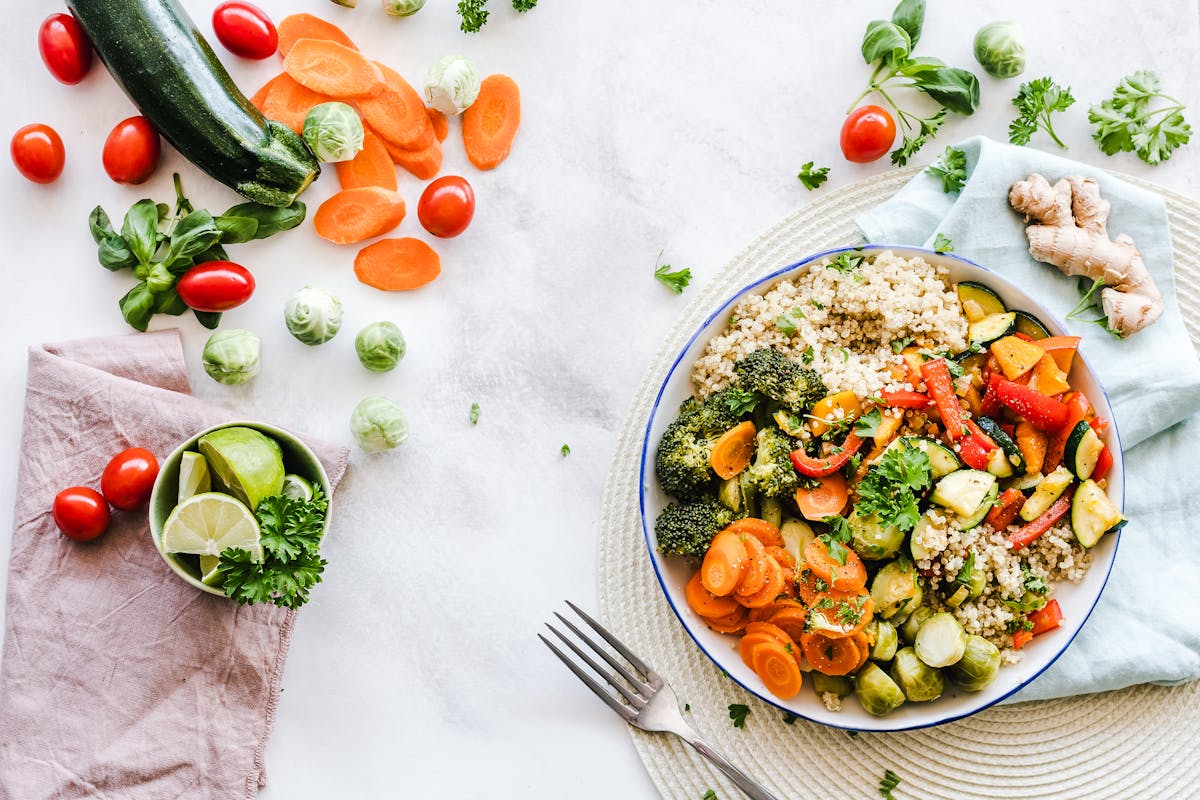
The beauty of this bowl is its flexibility. We’ll start with a whole-grain base, layer on beans for fiber and plant protein, add lean dairy or plant protein, and finish with colorful vegetables, healthy fats, and fermented yogurt dressing.
Base & Protein (Serves 4)
- 1 cup (190 g) dry quinoa, rinsed (or brown rice / farro if gluten is okay)
- 2 cups (480 ml) low-sodium vegetable or chicken broth (or water)
- 1 can (15 oz / 425 g) black beans, drained and rinsed (or chickpeas / lentils)
- 1 can (15 oz / 425 g) white beans or cannellini beans, drained and rinsed
- 2 cups (480 g) plain Greek yogurt, 2% or 0% (or thick plant yogurt for vegan)
- 1 cup (240 ml) plain kefir (optional but great for extra probiotics; sub milk of choice)
Roasted Vegetables & Flavor
- 2 medium carrots, sliced into coins
- 1 medium sweet potato, peeled and cubed
- 1 red bell pepper, sliced into strips
- 1 small red onion, cut into wedges
- 2 cups (about 100 g) broccoli florets or broccolini
- 2 tbsp extra-virgin olive oil
- 1 tsp ground cumin
- 1 tsp smoked paprika
- 1/2 tsp garlic powder
- 1/2 tsp fine sea salt (plus more to taste)
- Freshly ground black pepper, to taste
Gut-Friendly Yogurt Dressing
- 1 cup (240 g) Greek yogurt (from above)
- 1/4 cup (60 ml) kefir (from above) or water to thin
- 2 tbsp fresh lemon juice
- 1 tbsp extra-virgin olive oil
- 1 small garlic clove, very finely minced or grated
- 1–2 tsp honey or maple syrup (optional, for balance)
- 1/4 cup (about 4 g) chopped fresh herbs (dill, parsley, cilantro, or a mix)
- 1/4 tsp fine sea salt, plus more to taste
Crunchy & Fresh Toppings
- 1 large avocado, sliced or cubed
- 1/2 cup (70 g) roasted pumpkin seeds (pepitas) or sunflower seeds
- 2 tbsp chia seeds or ground flaxseed
- 1 cup (about 60 g) shredded red cabbage or mixed greens
- 1/2 cup (75 g) fermented vegetables such as sauerkraut or kimchi (mild)
- Fresh cilantro or parsley leaves, for garnish
- Lemon wedges, for serving
Equipment You’ll Need
- 1 medium saucepan with lid (for quinoa or grain of choice)
- 1 large baking sheet (or 2 smaller sheets) for roasting vegetables
- 1 large mixing bowl
- 1 medium bowl or jar with lid (for dressing)
- Chef’s knife and cutting board
- Measuring cups and spoons
- Spatula or wooden spoon
- 4 serving bowls or meal-prep containers with lids
Step-by-Step Instructions: Building Your Gut-Friendly Bowl
- Cook the quinoa (or grain).
Rinse 1 cup quinoa under cold water. In a saucepan, combine quinoa with 2 cups broth. Bring to a boil, then reduce heat to low, cover, and simmer for 15 minutes, or until the liquid is absorbed. Turn off heat and let stand, covered, for 5 minutes. Fluff with a fork. - Preheat the oven and prep the vegetables.
Preheat your oven to 400 °F (200 °C). Line a baking sheet with parchment if you like. In a large bowl, toss carrots, sweet potato, bell pepper, red onion, and broccoli with 2 tbsp olive oil, cumin, smoked paprika, garlic powder, salt, and pepper until evenly coated. - Roast until caramelized and tender.
Spread the vegetables in a single layer on the baking sheet. Roast for 20–25 minutes, stirring once halfway through, until edges are lightly charred and the sweet potatoes are fork-tender. The aroma will be warm and smoky, with sweet notes from the caramelized onions. - Warm and season the beans.
While the vegetables roast, add rinsed black and white beans to a small saucepan with a splash of water. Warm over low heat for 3–5 minutes. Season with a pinch of salt, pepper, and extra cumin or smoked paprika if you like. They should be soft, creamy, and gently fragrant. - Make the gut-friendly yogurt dressing.
In a bowl or jar, whisk together Greek yogurt, kefir (or water), lemon juice, olive oil, minced garlic, honey or maple (if using), chopped herbs, and salt. Adjust thickness with a bit more kefir or water until it’s pourable but still clings to a spoon. Taste and add more lemon or salt as needed—the flavor should be bright, tangy, and refreshing. - Prep your fresh toppings.
Slice the avocado, shred the cabbage or prepare your greens, measure out pumpkin seeds and chia/flax, and have your sauerkraut or kimchi and lemon wedges ready. This is where color and crunch come to life. - Assemble the bowls.
Divide the fluffy quinoa among 4 bowls or meal-prep containers. Top each with a generous scoop of warm beans and a big handful of roasted vegetables. Add a cluster of shredded cabbage or greens, a spoonful of sauerkraut or kimchi, and slices of avocado. - Add crunch and drizzle the dressing.
Sprinkle each bowl with pumpkin seeds and chia or ground flax. Generously drizzle with the yogurt-kefir dressing. Finish with fresh herb leaves and a squeeze of lemon just before serving. - Taste and adjust for your gut and your palate.
Add more dressing, lemon, or a pinch of salt as desired. If you’re easing into higher fiber, you can start with less beans or cabbage and add more over time.
Nutrition Snapshot & Gut-Friendly Benefits
Exact values will vary with your ingredients, but each bowl typically offers:
- Protein: ~28–35 g (more if you add extra yogurt, tofu, chicken, or eggs)
- Fiber: ~14–18 g from quinoa, beans, vegetables, seeds, and cabbage
- Healthy fats: From olive oil, avocado, and seeds for long-lasting satiety
- Prebiotic fibers: From beans, onions, garlic, and whole grains to feed beneficial gut bacteria
- Probiotics: From Greek yogurt, kefir, and fermented toppings like sauerkraut or kimchi
Together, this combination supports smoother digestion, balanced energy, and that pleasantly full feeling that keeps late-night snack cravings in check—without relying on ultra-processed “gut health” products.
Storage, Reheating & Make-Ahead Tips
These bowls are perfect for meal prep and busy weeks. Here’s how to keep them tasting fresh and your gut happy:
- Grains & beans: Store together in airtight containers in the fridge for up to 4 days. Reheat gently in the microwave with a splash of water, or warm in a covered skillet over low heat.
- Roasted vegetables: Keep in a separate airtight container for 3–4 days. Reheat on a baking sheet at 350 °F (175 °C) for 8–10 minutes to revive their edges, or simply warm in the microwave.
- Dressing: Store in a jar with a lid for up to 4–5 days. It may thicken; thin with a splash of water or kefir and shake well before using.
- Avocado: Best sliced fresh. If prepping ahead, toss with a little lemon juice and keep in an airtight container with minimal air space.
- Fermented vegetables: Keep them chilled in their own container and add to bowls after reheating to preserve their crunch and live cultures.
If you’re packing lunch, layer grains and beans at the bottom, vegetables in the middle, and toppings in separate small containers. Add dressing and fermented veggies just before eating for peak texture and flavor.
Serving Suggestions & Complementary Gut-Friendly Dishes
This high-protein, high-fiber bowl is a complete meal on its own, but you can easily build a whole day of gut-friendly eating around it. Try:
- Breakfast: A Greek yogurt parfait with berries, chia seeds, and a sprinkle of oats or a scoop of overnight oats made with protein powder and fruit.
- Snack: Sliced apples or pears with almond butter and a sprinkle of ground flax.
- Side dish: A simple mixed greens salad with olive oil, lemon, and a spoonful of sauerkraut on the side.
- Dessert: Stewed berries or baked apples with cinnamon and a dollop of yogurt for a cozy, fiber-rich finish.
You don’t need perfection or complicated protocols—just a pattern of meals like this that give your gut bacteria plenty of different plants, steady protein, and minimal ultra-processed distractions.

Final Thoughts: A Sustainable, Gut-Loving Way to Eat
You don’t need to follow every trend or buy every “gut health” product to support your microbiome. Bowls like this are proof that simple, joyful cooking—with beans, grains, vegetables, yogurt, and a few crunchy seeds—can deliver the high-protein, high-fiber goodness that current research and creators are so excited about.
Whether you’re just starting to think about gut health or you already adore your Greek yogurt and chickpea pasta, use this recipe as a flexible template. Swap in seasonal vegetables, try new legumes, adjust the protein to your needs, and make it truly yours.
Most of all, enjoy the colors, textures, and aromas each time you build a bowl. Nourishing your gut is a long game—and delicious meals like this make it a pleasure to play.
