
How Ozempic & Wegovy Are Changing Diet Culture (And What to Eat Instead of Just Eating Less)
Ozempic, Wegovy & the New GLP‑1 Diet Culture
GLP‑1 weight‑loss drugs like Ozempic, Wegovy, and Mounjaro are turning traditional diet culture on its head. Once known mainly in endocrinology clinics, these medications now dominate social media feeds, celebrity red carpets, and dinner‑table conversations. Instead of debating low‑carb vs. keto vs. intermittent fasting, many people in 2025–2026 are asking a different question: Should I go on a shot?
At the same time, nutrition professionals and thoughtful creators are working hard to re‑center the conversation on health, nourishment, and mental well‑being—not just shrinking bodies. The result is a completely new kind of diet culture: one where pharmaceutical tools, high‑protein “GLP‑1‑friendly” recipes, and ethical debates all collide.
What Are GLP‑1 Drugs Like Ozempic, Wegovy & Mounjaro?
GLP‑1 agonists are medications that mimic a hormone called glucagon‑like peptide‑1. In the body, this hormone:
- Helps regulate blood sugar after you eat
- Slows gastric emptying (food leaves the stomach more slowly)
- Signals fullness to the brain, decreasing appetite and food noise
Ozempic and Mounjaro were originally approved for type 2 diabetes, while Wegovy (and some newer formulations) are approved specifically for obesity and weight management. As more long‑term data has emerged and newer drugs with stronger effects have been released, interest has surged, with demand peaking into 2025–2026.
How Celebrities & Influencers Are Shaping GLP‑1 Diet Culture
The explosion of GLP‑1 buzz is driven as much by pop culture as by science. Rapid body transformations among celebrities, red‑carpet regulars, and influencers have fueled:
- Speculation about who is “on Ozempic”
- Public admissions and denials on talk shows and podcasts
- Viral “before and after” photos shared across Instagram, TikTok, and YouTube
This visibility has shifted mainstream thinking away from “What diet are you on?” toward “What are you taking?”—turning GLP‑1 injections into a kind of pharmaceutical diet. Some people feel hopeful seeing options beyond endless dieting; others feel pressure to keep up with a new, medication‑driven body ideal.

What People Report Feeling on GLP‑1 Medications
On TikTok and YouTube, creators share intensely personal “Ozempic diaries” and GLP‑1 journeys. The common threads are surprisingly consistent:
“It’s the first time in my life I’m not thinking about food all day.”
Many people describe:
- Reduced cravings and “food noise”
- Earlier fullness and smaller portions
- Side effects such as nausea, constipation, diarrhea, or heartburn—especially at dose changes
- Struggles with eating enough protein or whole foods when appetite plummets
Nutritionists are increasingly concerned about unintentional under‑eating, muscle loss, and micronutrient gaps when people simply eat “whatever, just less.” This is where thoughtful, GLP‑1‑supportive meals and resistance training become crucial.
Ethics, Access & the New Beauty Standard
Beyond individual stories, GLP‑1s have ignited intense ethical and social debates that are still unfolding in 2026:
- Access & affordability: High monthly costs and inconsistent insurance coverage put these drugs out of reach for many.
- Drug shortages: Increased off‑label use for weight loss has, at times, affected availability for people with diabetes.
- Weight stigma: Some celebrate GLP‑1s as life‑changing; others worry they reinforce fatphobia and tighten beauty standards around thinness.
- Oversimplification of health: There’s a risk of reducing complex metabolic, psychological, and social issues down to “just get the shot.”
Many body‑positive and weight‑neutral clinicians urge a more nuanced view: medications can be valuable tools for some, but they don’t erase the need for respectful care, supportive environments, and balanced relationships with food and movement.
How to Eat While on Ozempic or Wegovy: Key Nutrition Principles
The newest nutrition question is no longer “What’s the best diet to lose weight?” but “How should I eat if I’m on a GLP‑1?” Dietitians are converging on several core principles:
- Prioritize protein: Aim for a protein source every time you eat to help preserve lean muscle (eggs, yogurt, tofu, fish, chicken, legumes).
- Choose nutrient‑dense foods: Smaller appetites mean every bite counts—think colorful vegetables, fruits, whole grains, nuts, and seeds.
- Support digestion: Gradual fiber intake (oats, beans, chia, vegetables) plus hydration can ease constipation or GI side effects.
- Limit ultra‑rich meals early on: Very fatty or heavy foods can worsen nausea in some people.
- Hydrate consistently: Small, frequent sips of water or herbal tea often sit better than chugging large glasses.
GLP‑1‑Friendly High‑Protein Power Bowl Recipe
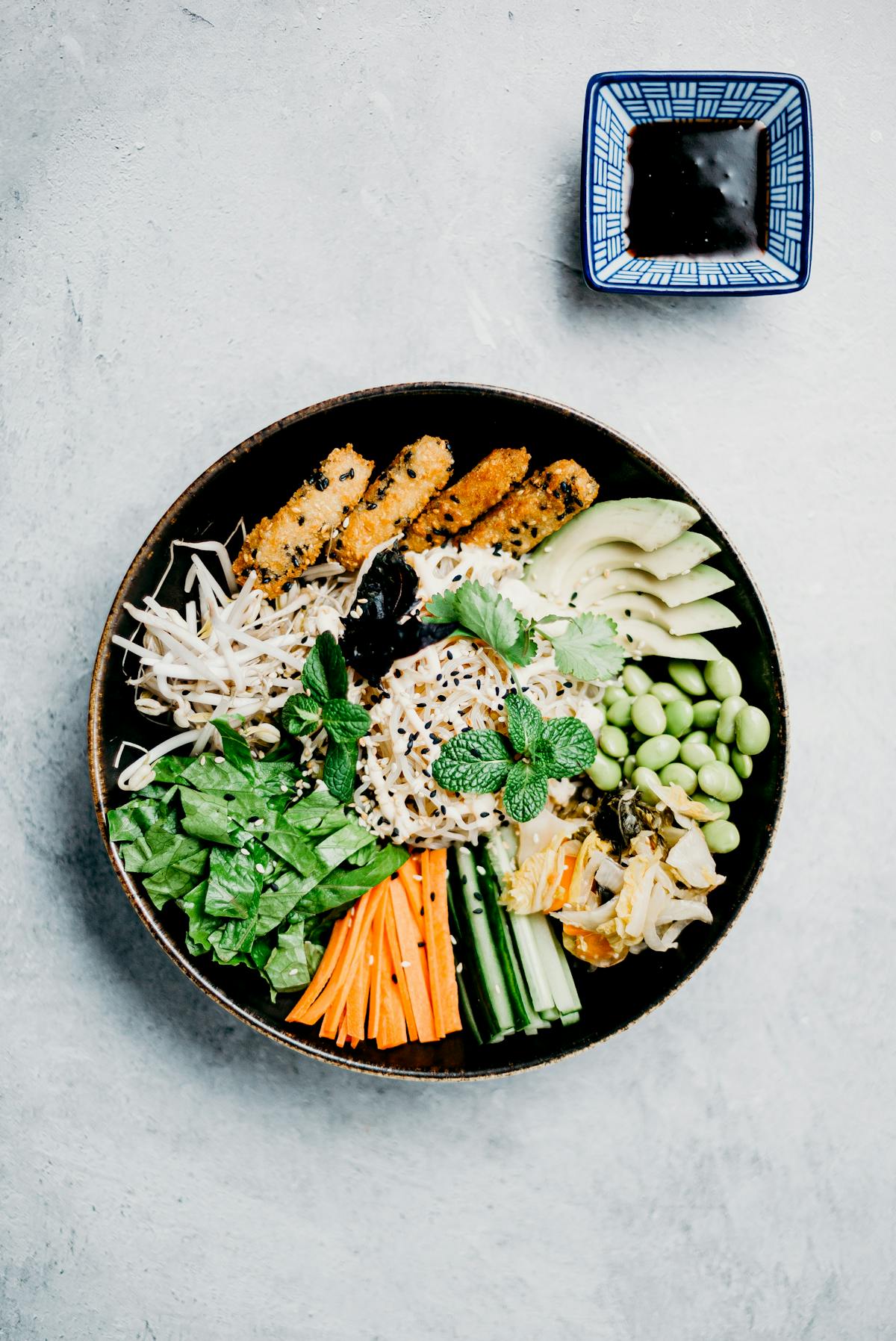
To bring all of this to life in the kitchen, here’s a balanced, GLP‑1‑friendly meal: a vibrant high‑protein power bowl. It’s designed for smaller appetites—rich in protein, fiber, and micronutrients, while gentle on digestion. You can scale the portion up or down depending on how hungry you feel.
Quick Recipe Summary
Prep time: 20 minutes
Cook time: 20 minutes
Total time: 40 minutes
Servings: 2 bowls
Difficulty: Easy
Equipment You’ll Need
- Medium saucepan with lid (for grains)
- Non‑stick skillet or grill pan
- Cutting board and sharp knife
- Mixing bowl and small jar (for dressing)
- 2 serving bowls
Ingredients
For the bowl
- 1/2 cup (90 g) dry quinoa or brown rice, rinsed
- 1 cup (240 ml) low‑sodium vegetable or chicken broth (or water)
- 8 oz (225 g) chicken breast, extra‑firm tofu, or tempeh, sliced
- 1 cup (150 g) cooked chickpeas, rinsed and drained
- 1 cup (70 g) baby spinach or mixed greens, loosely packed
- 1 cup (120 g) chopped cucumber and/or bell pepper
- 1 small carrot, shredded or thinly sliced
- 1/2 medium avocado, sliced (optional, for gentle healthy fats)
- 2 tbsp toasted pumpkin seeds or chopped nuts
- Salt and freshly ground black pepper, to taste
For the lemon‑yogurt dressing
- 1/3 cup (80 g) plain Greek yogurt (or thick dairy‑free yogurt)
- 1 tbsp extra‑virgin olive oil
- 2–3 tsp fresh lemon juice, to taste
- 1 tsp Dijon mustard
- 1 small garlic clove, finely grated or 1/4 tsp garlic powder
- 1–2 tsp water, to thin as needed
- Pinch of salt and pepper
Step‑by‑Step Instructions
- Cook the grains.
In a medium saucepan, combine the quinoa or brown rice with the broth. Bring to a gentle boil, then reduce heat, cover, and simmer until tender and liquid is absorbed (12–15 minutes for quinoa; 25–30 for brown rice). Let stand, covered, for 5 minutes, then fluff with a fork.
- Prepare the dressing.
In a small bowl or jar, whisk together yogurt, olive oil, lemon juice, Dijon, garlic, salt, and pepper. Add a teaspoon or two of water until it’s creamy but drizzle‑able. Taste and adjust with more lemon or salt as desired.
- Cook the protein.
Heat a non‑stick skillet over medium heat and lightly coat with oil if needed. Season chicken or tofu with a pinch of salt and pepper. Cook chicken 4–5 minutes per side, until cooked through (165°F / 74°C internal temperature). For tofu or tempeh, cook 3–4 minutes per side until golden. Rest briefly, then slice into bite‑size pieces.
- Prep the vegetables.
While the protein cooks, chop the cucumber and bell pepper, shred the carrot, and rinse the greens and chickpeas. Pat vegetables and chickpeas dry to keep the bowl crisp.
- Assemble the bowls.
Divide the warm grains between two bowls. Arrange spinach, cucumber, bell pepper, carrot, chickpeas, and sliced protein neatly on top. Add avocado slices if using, then sprinkle with pumpkin seeds or nuts for satisfying crunch.
- Dress and serve.
Spoon or drizzle the lemon‑yogurt dressing over each bowl, starting with a small amount—you can always add more if your stomach tolerates it well. Taste, add a pinch of salt or pepper if needed, and enjoy slowly, paying attention to early fullness cues.
Storage & Reheating Guidelines
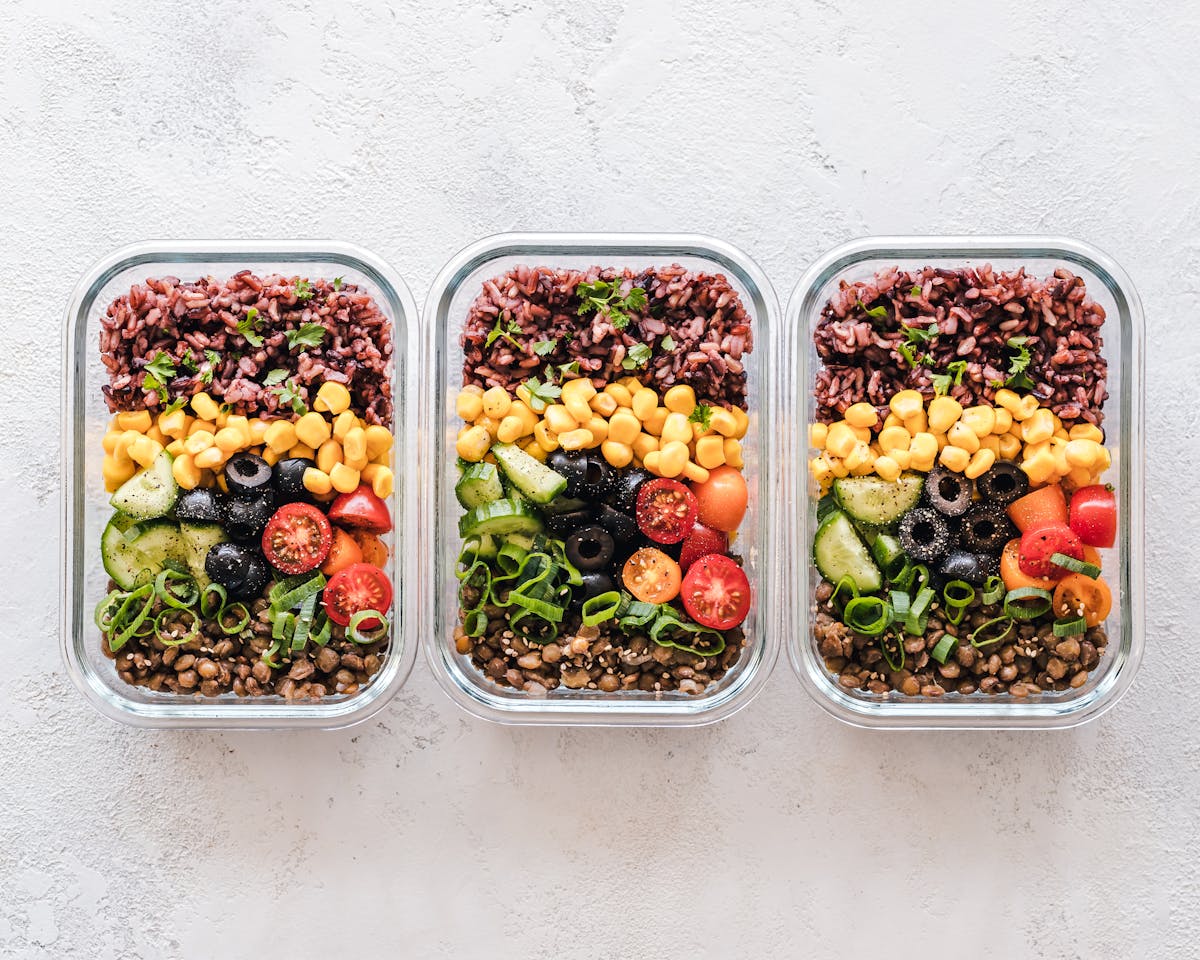
These GLP‑1‑friendly bowls are excellent for gentle meal prep, especially if your energy for cooking comes and goes.
- Storage: Keep cooked grains, protein, chopped vegetables, and dressing in separate airtight containers in the refrigerator for up to 3 days.
- Reheating grains & protein: Warm grains and protein gently in the microwave (30–60 seconds) or in a covered skillet with a splash of water or broth. Avoid overheating, which can toughen chicken or dry out tofu.
- Serving leftovers: Assemble just before eating. Add dressing and avocado at the last minute for the freshest texture and flavor.
Serving Suggestions & Complementary Dishes
To round out your GLP‑1‑friendly eating pattern, pair this power bowl with light, nutrient‑dense sides that are easy on the stomach:
- A small bowl of fruit salad with berries and citrus for vitamin C
- Light brothy soups, such as miso soup or simple vegetable broth
- Plain or lightly flavored sparkling water with a squeeze of lemon or lime
- For dessert, a few squares of dark chocolate or a small yogurt with berries

Beyond the Shot: Rethinking Health in the GLP‑1 Era
GLP‑1 medications are powerful tools, and they’re undeniably reshaping diet culture. But health is still more than a number on the scale or the contents of a syringe. It’s the rhythm of your meals, the strength in your muscles, the calm in your relationship with food, and the way you feel in your own skin.
Whether you use Ozempic or Wegovy, choose not to, or don’t have access, you deserve respectful care and nourishing food that fits your life. High‑protein, colorful meals like the power bowl above can support muscle, energy, and satisfaction—on or off GLP‑1s—without falling into extremes.
