
Justin Timberlake DWI Video: What His 2024 Hamptons Arrest Reveals About Celebrity, Alcohol and Accountability
Justin Timberlake’s 2024 DWI Video: Celebrity, Alcohol, and the Culture Watching
Police have released the bodycam video of Justin Timberlake’s 2024 drunken driving arrest in New York’s Hamptons, a clip that shows the pop star wobbling through field sobriety tests, telling officers “these are like really hard tests,” and quietly watching his night unravel under flashing lights. It’s an instantly viral moment, but also a revealing snapshot of how celebrity, alcohol, and public scrutiny collide in the late‑streaming era.
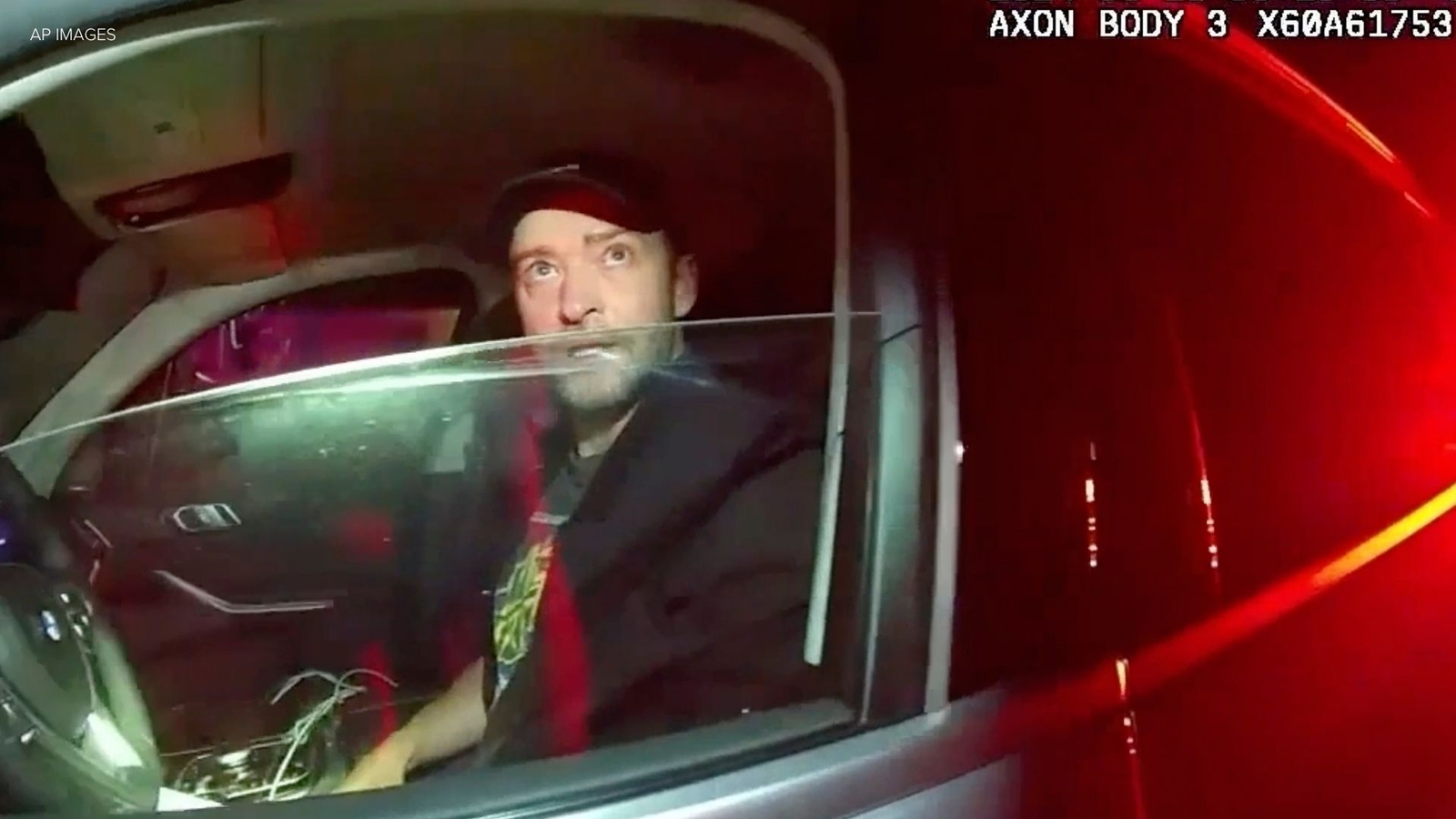
The release of the footage by authorities, and its rapid amplification by outlets like ABC7 Los Angeles and social media, turns a roadside traffic stop into a global entertainment story—one that sits at the crossroads of pop music history, legal process, and our collective obsession with watching famous people falter in real time.
What the Justin Timberlake DWI Video Actually Shows
In the released police video, Timberlake appears visibly unsteady as he attempts the classic field sobriety drills: walking heel‑to‑toe in a straight line and standing on one leg while counting. He sways, appears to lose balance, and at one point offers what’s quickly become the sound bite of the incident:
“These are like really hard tests.”
On the surface, it’s a familiar scene from any traffic‑court docket in America. But layered onto Timberlake’s carefully managed public image—former boy‑band heartthrob, Super Bowl veteran, and crossover actor—it lands differently. The video becomes part legal evidence, part pop‑culture artifact, endlessly replayed, remixed, and commented on.
For accessibility advocates and legal observers, the video is also a reminder that field sobriety tests are physically demanding and can be difficult even when sober—something defense attorneys have pointed out for years. Timberlake’s remark is unintentionally candid: he says the quiet part out loud, in front of a bodycam.
Where This Fits in Justin Timberlake’s Career Narrative
By 2024, Justin Timberlake isn’t just “the guy from *NSYNC” anymore. He’s a veteran pop star with multiple Grammys, a solo catalog that helped define 2000s and early‑2010s radio, and a string of high‑profile performances from the MTV VMAs to the Super Bowl. His public brand has historically mixed boy‑next‑door charm with slick professionalism—a performer who rarely looks out of control.
That’s what makes the DWI video so jarring. It clashes with the controlled, camera‑ready Timberlake audiences know from his polished tour documentaries and late‑night talk‑show appearances. Instead of crisp choreography and well‑rehearsed banter, you get hesitation, slurred responses, and the awkward vulnerability of a failed roadside test.
In this context, the 2024 arrest isn’t just a tabloid headline—it’s another chapter in a reputation that has already weathered debates over his role in the Janet Jackson Super Bowl fallout and the media treatment of Britney Spears. The DWI video arrives in a cultural climate more attuned to power, accountability, and double standards than when Timberlake first went solo.
Why the Justin Timberlake DWI Footage Went Viral So Fast
Celebrity DUI and DWI arrests have been a genre unto themselves for decades, from 2000s “mugshot culture” to endless TMZ loops. The Timberlake video, though, lands in a slightly different media ecosystem—one dominated by TikTok edits, X (Twitter) hot‑takes, and parasocial fandom.
- Visual drama: Flashing lights, late‑night roadside atmosphere, and a globally recognizable face.
- Sound‑bite friendly: The “really hard tests” line is tailor‑made for clips and memes.
- Existing narratives: Long‑running conversations around Timberlake’s treatment of women and his role in pop history prime audiences to see this as another test of character.
- Platform dynamics: Algorithmic recommendation rewards shocking, emotional, or ironic content.
Critics have already drawn comparisons to earlier high‑profile cases—Lindsay Lohan, Mel Gibson, and more recent run‑ins involving musicians and athletes. A recurring question: whose arrests become punchlines and whose become cautionary tales?
“The Timberlake DWI footage isn’t just about one pop star; it’s about how we’ve normalized watching real legal jeopardy as bingeable entertainment.” — cultural critic commentary cited across entertainment media
Law, Public Safety, and the Ethics of Watching
Strip away the celebrity, and a DWI arrest is fundamentally about public safety. Drunk or impaired driving is a major cause of preventable injuries and deaths; every jurisdiction treats it as a serious offense for a reason. Whatever one thinks of Timberlake as an artist, the core issue is the same as it would be for any driver on the road.
The bodycam video also raises ethical questions:
- Transparency vs. spectacle: Bodycams exist to provide accountability and evidence, but publishing the footage turns it into content.
- Due process: Viral clips risk shaping public opinion before legal proceedings play out.
- Privacy and humanity: Even famous people have bad nights; the internet rarely grants space for context or growth.
Media, Music Industry Spin, and Fan Reactions
Whenever a major pop act runs into legal trouble, three parallel narratives kick in: the official story crafted by lawyers and publicists, the informal story traded among fans, and the more skeptical story told by critics and reporters.
So far, coverage has focused on the basic facts of Timberlake’s arrest, the visual details of the field sobriety tests, and speculation about how it might affect touring, endorsements, or future releases. In the entertainment industry, the response tends to follow a familiar arc:
- Initial shock: Clips trend, think‑pieces arrive, late‑night hosts sharpen monologues.
- Official statement: Carefully worded expressions of regret and respect for the legal process.
- Career recalibration: Possible image softening, charity work, or period of low visibility.

Among fans, reactions are split. Some frame it as a one‑off mistake and urge compassion, especially if Timberlake engages seriously with the legal and personal implications. Others see it as part of a longer pattern of questionable judgment and relative impunity. The truth, as usual, is likely to reside in the unglamorous space between outrage and excuse.
Beyond the Viral Clip: What Happens After the Lights Fade
The police video of Justin Timberlake’s 2024 drunken driving arrest is already locked into the online archive—another entry in the endless scroll of celebrity missteps. But its lasting significance will depend less on how often the clip gets replayed and more on what follows: the legal resolution, Timberlake’s own response, and whether the discussion around it moves beyond gossip into a more adult conversation about alcohol, driving, and responsibility.
For now, the footage functions as a cultural Rorschach test. Some see a star unfairly magnified for a mistake anyone could make; others see proof that fame doesn’t absolve bad decisions. Both readings say as much about us—the viewers, sharers, and commenters—as they do about Timberlake himself.
As the case progresses, expect the music industry to quietly adjust and fans to decide, individually, where this fits in their relationship to his work. The larger challenge is resisting the urge to treat real‑world legal jeopardy as just another episode of prestige TV—and remembering that the simplest plot twist of all is the one where no one drives impaired in the first place.
