
BTS Shut Down Seoul: Inside the Historic Free Comeback Concert That Took Over Netflix and the Streets
BTS’ Historic Free Comeback Concert in Seoul: What Their Return Really Means
After four years away from the stage as a full group, BTS have done what virtually no other act on the planet could pull off: shut down a central boulevard in Seoul for a massive, free concert while simultaneously turning it into a Netflix-exclusive global event. With thousands of police deployed, tens of thousands of ARMYs flooding the streets, and millions more tuning in worldwide, this comeback isn’t just a performance—it’s a statement about how far K-pop, and BTS specifically, have reshaped pop culture.
The concert, staged in the heart of South Korea’s capital and broadcast exclusively on Netflix, arrives at a moment when the members are completing or emerging from mandatory military service, the industry is recalibrating, and global pop is still chasing the BTS playbook. This isn’t just a reunion—it’s a reset.
From Hiatus to Headline Event: How We Got Here
To understand why this Seoul show feels so seismic, you have to rewind to 2020–2022, when BTS were everywhere and nowhere at once. They dominated charts with hits like “Dynamite,” “Butter,” and “Permission to Dance,” but COVID restrictions and, later, South Korea’s mandatory military service meant that large-scale, in-person performances were limited or impossible.
In 2022, BTS announced a pause in full-group activities as members staggered enlistment. For an act that had become a de facto cultural ambassador for South Korea—appearing at the UN, collaborating with global fashion houses, and fueling a national tourism boom—the break felt like both a necessary pause and a high-stakes cliffhanger.
During the hiatus, members focused on solo projects—from Jimin’s “FACE” and Jungkook’s “GOLDEN” to RM’s introspective “Indigo”—expanding BTS’ sonic universe without diluting the brand. The Seoul comeback concert folds that solo era back into the group narrative, signaling that BTS’ story is being written in chapters, not clean breaks.
Locking Down Seoul: The Scale and Security of the Free Concert
The AP News report makes it clear: this wasn’t just another tour stop. Authorities deployed thousands of police officers to control crowds and traffic as a central boulevard in Seoul was effectively transformed into a giant open-air arena. A free concert at this scale, in the middle of a capital city, is rare for anyone—let alone one of the world’s biggest acts.
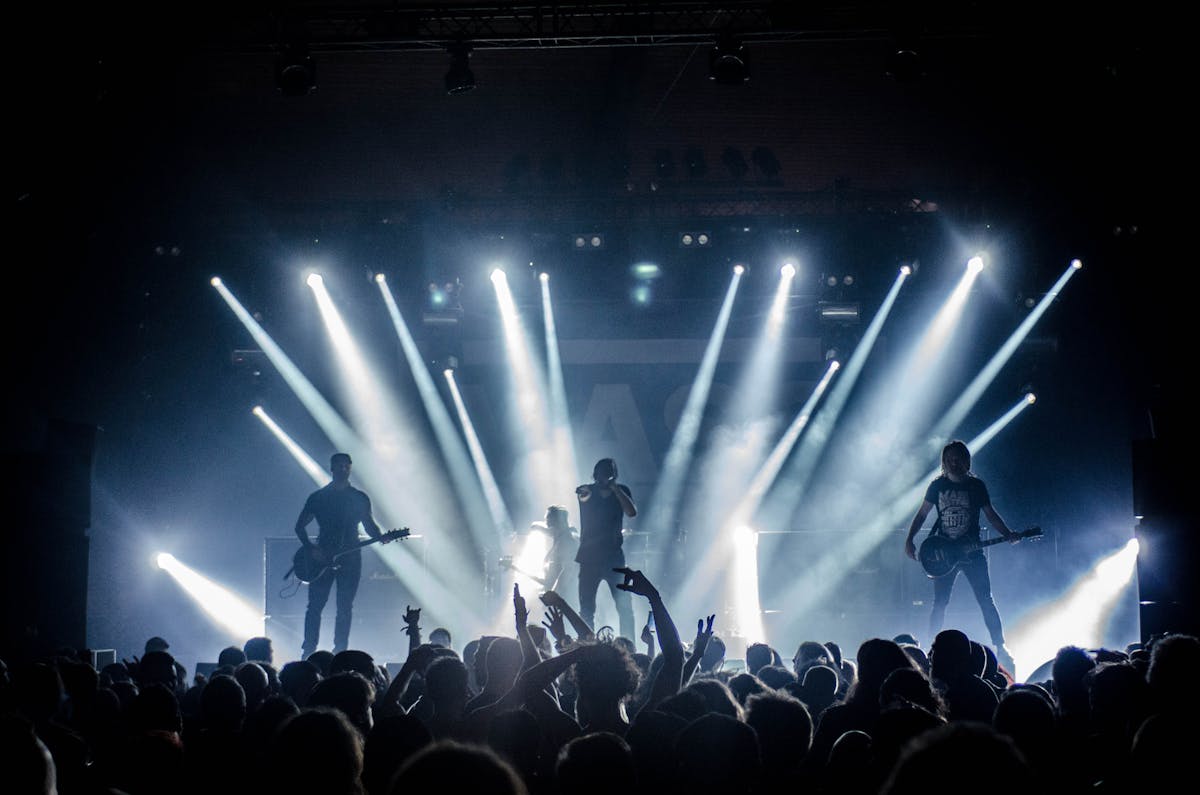
The decision to make the performance free is strategically brilliant. It reinforces BTS’ long-running narrative of accessibility and gratitude toward ARMY, while also positioning the event as a civic spectacle—something closer to a national celebration than a commercial gig.
“Thousands of police are locking down a central boulevard for the Netflix-exclusive spectacle expected to draw tens of thousands of fans.” — AP News
For city officials, the concert is both a logistical challenge and a soft-power opportunity: the images of a packed Seoul street glowing purple under BTS’ lights will circulate globally, reinforcing the capital’s pop-cultural prestige.
Why a Netflix-Exclusive BTS Concert Matters for Streaming and K-Pop
Netflix’s involvement is not a footnote; it’s the business headline. By making the show a Netflix-exclusive broadcast, BTS and their management align with a streamer that has aggressively invested in Korean content—from Squid Game and Kingdom to a slew of K-dramas and reality programs.

For Netflix, a BTS comeback concert is a subscriber magnet and a brand signal: if you want the global pop-cultural moment, you need this platform. For BTS, it’s a play for reach and legacy. They already conquered YouTube view-count records; the next frontier is embedding their live performances inside the streaming ecosystems that define how we watch everything else.
This move also places BTS in the same cultural lane as artists whose tours become streaming landmarks—think Taylor Swift’s concert films or Beyoncé’s Homecoming. The difference is that BTS are blending that strategy with the scale and fervor of K-pop fandom, which tends to treat every performance like a world-historical event.
Performance, Setlist, and Stagecraft: A Comeback as Narrative
Full official setlists and technical details are still filtering through fandom channels and news reports, but the structure of the show is clear enough: this is a career-spanning narrative designed to reintroduce BTS as a unit while acknowledging everything that’s happened during the hiatus.
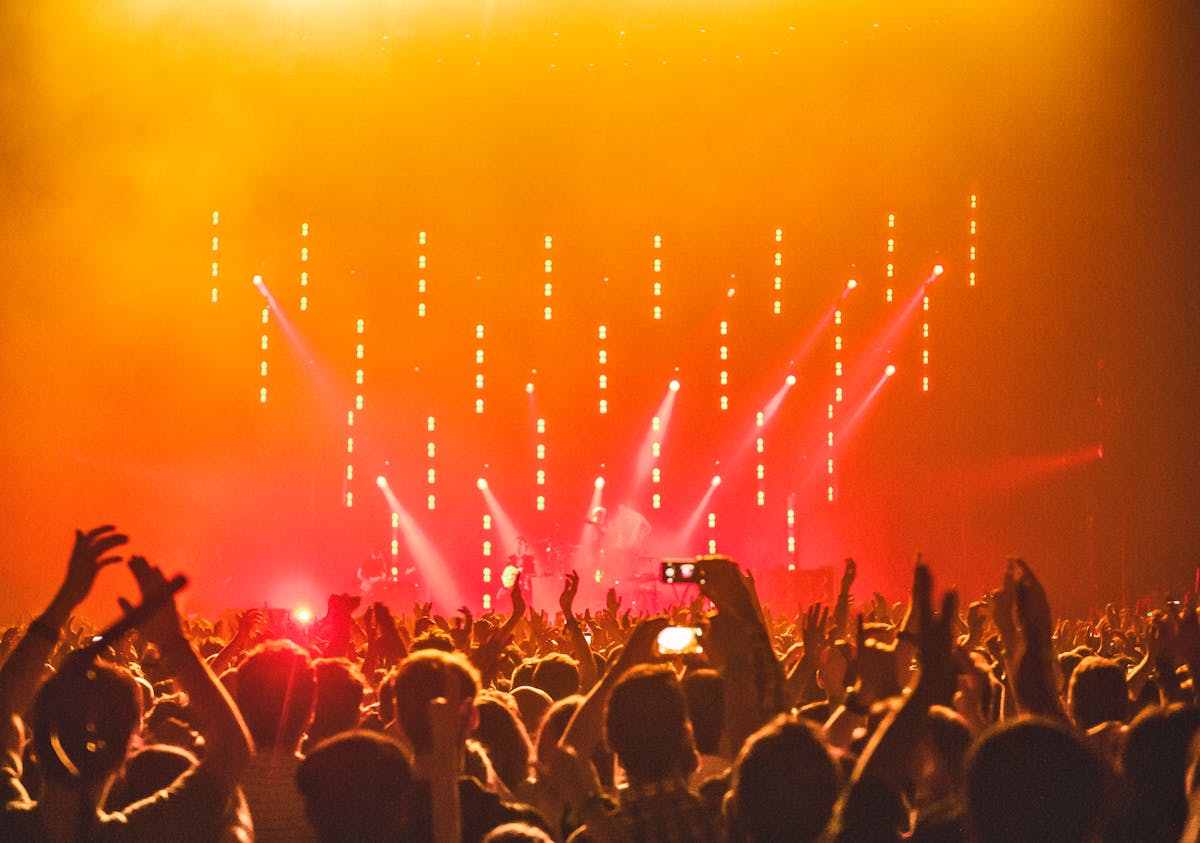
Expect the essentials—“DNA,” “Fake Love,” “IDOL,” “Boy With Luv”—woven together with newer-era anthems like “Dynamite” and “Butter,” and nods to solo tracks that became hits during the hiatus. BTS have always treated live shows as a blend of physical theater, high-end pop staging, and emotional autobiography; this concert is reportedly no exception.
- Vocal performance: The members’ solo eras have sharpened their individual styles; live, that can translate to richer harmonies and more confident ad-libs.
- Choreography: A four-year gap raises expectations. Classic routines likely return alongside refreshed formations to account for evolving skills and stamina.
- Production design: Expect LED-heavy staging, live band integration, and a color story anchored in the group’s signature purple.
“Every comeback is a new chapter, but this one feels like a reunion with the people we’ve missed the most.” — attributed to BTS in pre-concert promotional interviews
If earlier BTS tours were about the grind from underdogs to world-dominating headline act, this show feels more like an epilogue and prologue at once: closing the hiatus era and teasing what a post-military, fully reunited BTS might sound and look like.
ARMY, Soft Power, and the Meaning of a Free BTS Concert in Seoul
You can’t talk about BTS without talking about ARMY. The fandom is not just a marketing engine; it’s a social and political force that’s organized donations, chart campaigns, and even occasional political commentary. A free concert in Seoul is both a gift and a strategy: it rewards the domestic fanbase that watched BTS go from local rookies to global icons.
On a national level, the concert doubles as soft power theater. South Korea has been explicit about leveraging K-pop, film, and TV as cultural exports. A globally streamed BTS event in the capital does as much for the country’s image as a tourism campaign, only with more screaming and better lighting.
The flip side: the sheer scale raises questions about crowd safety, noise, and public resource allocation. Seoul authorities, wary after previous crowd tragedies in busy districts, appear to have erred on the side of heavy deployment. For now, early reporting suggests that the combination of strict controls and cooperative fans kept the focus where it belongs—on the music.
Strengths, Weaknesses, and the Stakes of a High-Pressure Comeback
As a cultural event, the concert is almost bulletproof; as a piece of entertainment, it’s still fair to ask where it excels and where it strains under its own expectations.
- Strength – Spectacle with heart: Few groups can flip from stadium-sized fireworks to tearful speeches about growth and anxiety as smoothly as BTS. The emotional candor that once set them apart in K-pop is still their core asset.
- Strength – Global access: The Netflix partnership ensures the show isn’t just for the lucky few on the boulevard; fans worldwide can experience it with high production values rather than grainy fan cams.
- Potential Weakness – Hype vs. innovation: After four years, some viewers may expect a radical reinvention. If the concert leans heavily on familiar hits and staging, there’s a risk it feels like a victory lap instead of a bold new phase.
- Potential Weakness – Platform lock-in: Fans without Netflix access are effectively sidelined, which clashes slightly with the “free concert for everyone” messaging, even if the in-person event itself costs nothing.
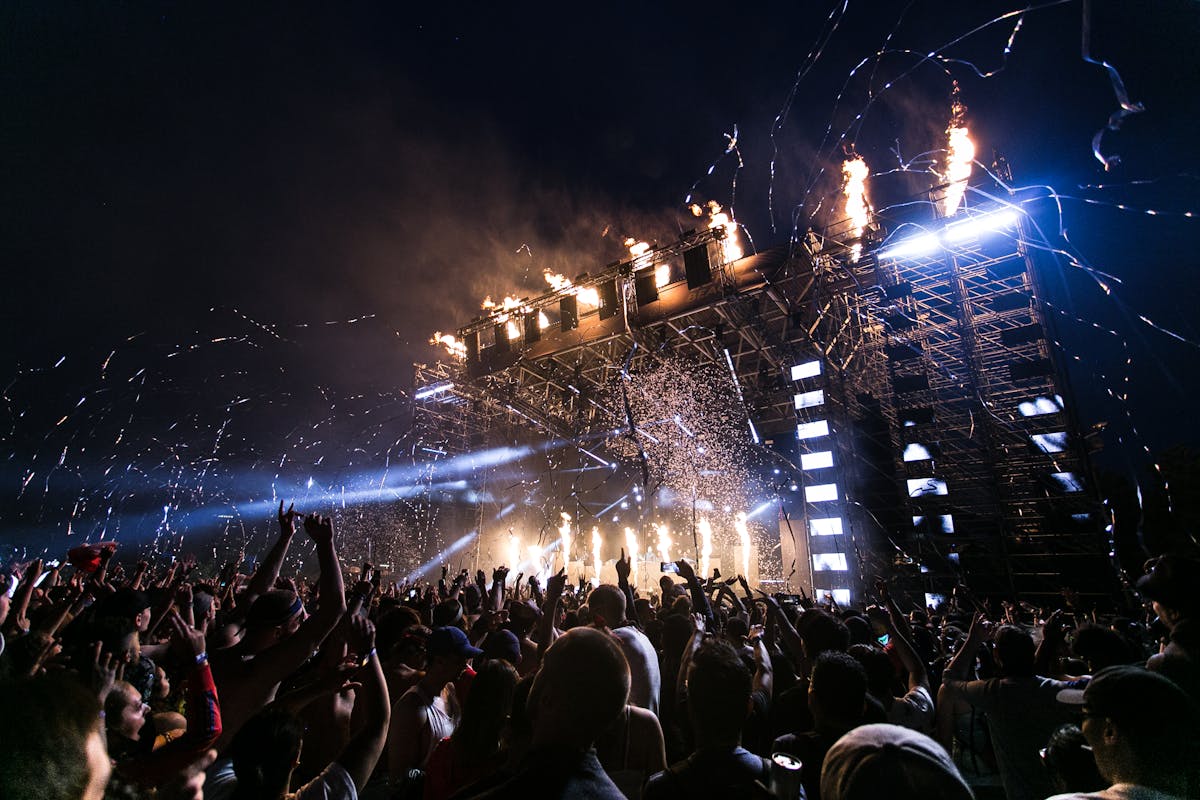
“BTS isn’t just returning to the stage—they’re returning to a pop landscape they helped design.” — commentary from Korean pop culture critics
That’s the real pressure: not just to deliver a good show, but to justify BTS’ continued centrality in a world where K-pop has diversified and splintered. For now, the early response suggests that fans are more focused on reunion than reinvention. The revolution can wait; tonight is about being together again.
Related Works, Influences, and Where to Watch
If this concert is your entry point into BTS—or your re-entry after the hiatus—there’s a rich back catalog of performances and documentaries that chart how they got here.
- “Love Yourself: Speak Yourself” Tour – Stadium-era BTS at full power, widely documented through official tour films and broadcasts.
- “Bring The Soul” and “Break The Silence” – Docu-series that show the grind behind the glamour, with a focus on mental health and identity.
- Solo albums – RM’s Indigo, Jimin’s FACE, SUGA’s D-DAY, Jungkook’s GOLDEN, and more, all feeding into this comeback narrative.
For official information on the concert, schedules, and future projects, check:
- AP News coverage of the BTS comeback concert
- Netflix official site for streaming availability
- IMDb for BTS-related concert films and documentaries
What BTS’ Seoul Comeback Tells Us About the Next Era of Pop
BTS’ free comeback concert in Seoul is many things at once: a love letter to ARMY, a flex of South Korea’s cultural power, and a high-profile experiment in how live music, streaming, and fandom intersect. It confirms that even after four years without a full-group show, their grip on the global imagination hasn’t loosened; if anything, the hiatus has made their return feel larger.
The question now isn’t whether BTS can still command cities and screens—they clearly can—but how they’ll use that power in a post-hiatus, post-military world. Will the next projects lean more experimental, more introspective, or double down on maximalist pop? Whatever direction they choose, this Seoul concert will be remembered as the moment the story restarted, in front of a city and a world that had been waiting.
