
Is Mexico’s Massive Measles Vaccine Drive Working — And Is the Public On Board?
Mexico’s Massive Measles Vaccination Push: What’s Working, What’s Worrying
Mexico is racing to stop a fast‑moving measles outbreak with one of the most ambitious public vaccination campaigns in its history: a target of 2.5 million doses a week. In Mexico City and beyond, QR‑code posters, pop‑up clinics, and health brigades are everywhere. The early response is encouraging — long lines, full clinics, and parents eager to protect their children — but uneven trust, lingering misinformation, and pockets of low coverage are raising real concern.
Updated for context as of late March 2026. This page is for general information only and does not replace advice from your own health‑care provider.
Measles is one of the most contagious viruses known. When vaccination coverage slips, outbreaks can explode quickly — and that’s exactly what Mexico is confronting right now.

Why Is Measles Surging in Mexico Right Now?
By early 2026, Mexican health authorities had logged tens of thousands of suspected measles cases — a major shift for a country that for years reported only small clusters. The current outbreak is a classic example of what happens when a highly contagious virus meets gaps in routine vaccination.
Measles spreads through respiratory droplets when an infected person coughs, sneezes, or even breathes in close quarters. It can linger in the air and on surfaces for hours. One sick person can infect 12–18 others in an unvaccinated population.
- Historical success, recent slippage: Mexico has long had strong childhood immunization programs, including the measles‑containing MMR (measles‑mumps‑rubella) vaccine. But even small declines in coverage — especially during and after the COVID‑19 pandemic — created pockets of susceptible children.
- Delayed routine shots: Lockdowns, fear of visiting clinics, and shifting health‑system resources meant some families postponed routine vaccinations. Many never got fully caught up.
- Uneven regional coverage: Urban centers often have better access than rural and marginalized communities. When vaccination rates fall below about 95% in a given area, measles can spread rapidly there.
“Measles is usually the first vaccine‑preventable disease to flare up when routine immunization programs are under stress. It’s like a stress test for a country’s primary health system.”
— Adapted from guidance by the World Health Organization (WHO)
Inside Mexico’s Measles Vaccination Blitz: 2.5 Million Doses a Week
In response to the outbreak, Mexico’s government has launched a large‑scale measles vaccination campaign aimed at delivering about 2.5 million jabs each week. It’s designed not just to protect children who missed their shots, but also to boost immunity in communities where coverage dipped below safe levels.
On the ground, the campaign typically involves:
- Mass communication: Posters in the capital and other cities are covered with QR codes directing people to vaccination sites, FAQs about measles, and eligibility details. Radio, TV, and social media amplify the message.
- Expanded vaccination sites: Pop‑up clinics appear in schools, markets, plazas, transportation hubs, and workplaces, alongside traditional health centers.
- Mobile health brigades: Teams of nurses and community health workers travel to remote or underserved areas to vaccinate people where they are.
- Catch‑up doses: Children and teens who missed earlier doses are being targeted, along with certain adults at higher risk who may not have clear vaccination records.
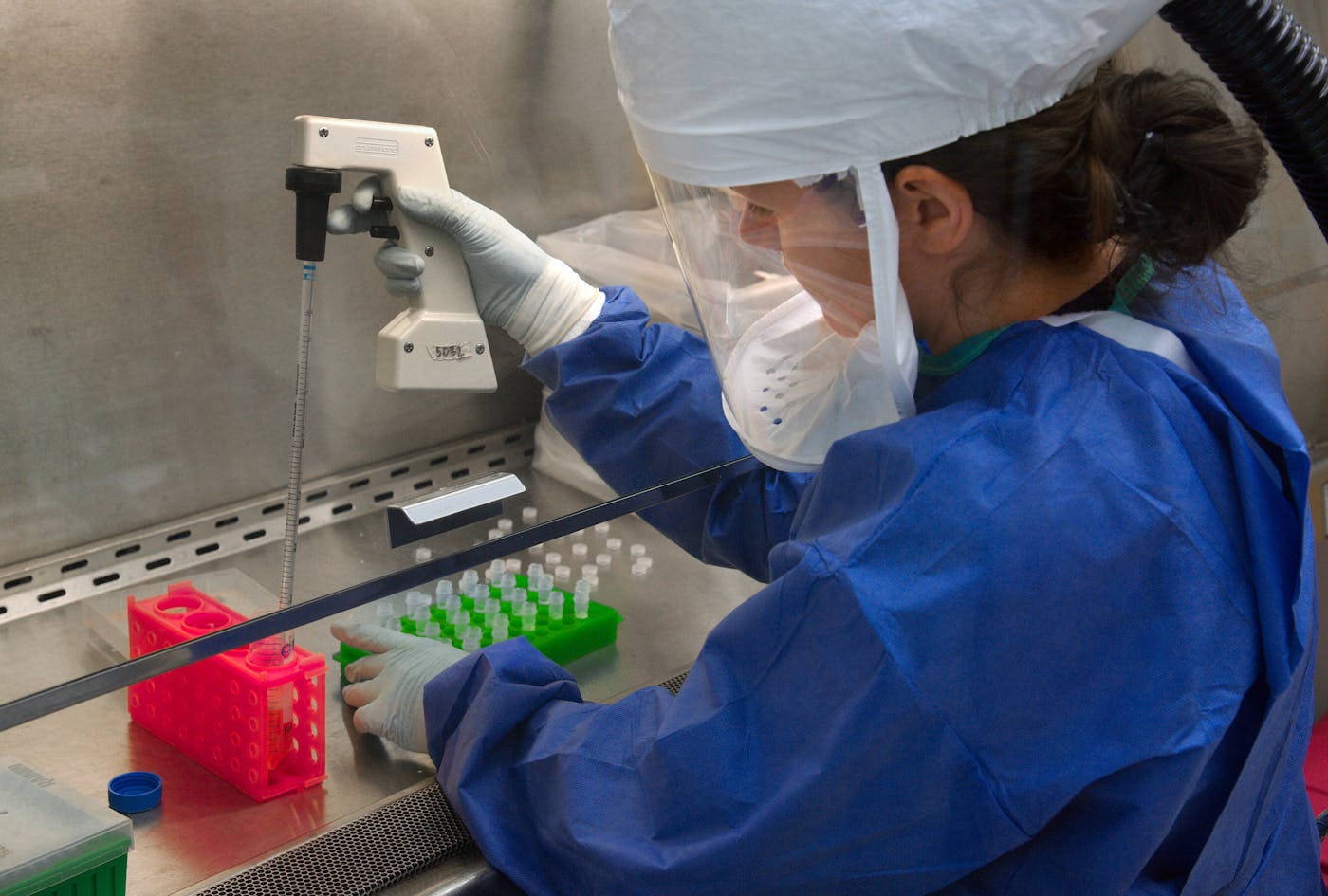
Early reports suggest that many families are responding positively. In some areas, lines form before clinics even open, and staff vaccinate until late evening to keep up with demand.
Is the Public On Board? Encouraging Signs — And Real Worries
On the surface, the campaign’s momentum is striking. Many parents bring not only their own children but also cousins and neighbors, determined not to relive stories of severe measles from older generations. Clinics in parts of Mexico City and other urban areas report brisk turnout and high acceptance.
Yet public response is far from uniform. Interviews from affected communities and on‑the‑ground reporting reveal a mix of strong support, quiet hesitancy, and pockets of outright distrust.
What’s driving public support?
- Collective memory: Older relatives remember measles as a serious childhood illness. Their stories often motivate younger parents to vaccinate.
- Trust in local clinics: Many communities have long‑standing relationships with public health nurses and doctors, who serve as trusted sources of advice.
- Clear messaging: Simple campaigns that explain who should get vaccinated, when, and where — plus QR codes with up‑to‑date information — reduce confusion.
What’s worrying health officials?
- Patchy coverage: Some districts report near‑universal uptake, while others lag significantly behind, leaving room for the virus to keep circulating.
- Misinformation spillover: Global vaccine misinformation — especially on social media — has influenced a minority of parents in Mexico, even if outright anti‑vaccine sentiment remains less common than in some high‑income countries.
- Fatigue and distrust: After years of pandemic stress, some people feel wary of government health campaigns generally, or simply overwhelmed and less inclined to engage.
“We see three groups: those who come eagerly, those who come only when invited several times, and those who refuse unless a neighbor or local leader convinces them. Our job is to move as many people as possible into that first group.”
— Community health worker, paraphrasing common field reports from mass vaccination drives
What Does Science Say About Measles Vaccines and Outbreak Control?
The measles‑containing MMR vaccine is one of the most studied and effective vaccines in modern medicine. Data from the World Health Organization (WHO), PAHO, and decades of peer‑reviewed research show:
- High effectiveness: One dose of measles‑containing vaccine is about 93% effective at preventing measles; two doses increase protection to about 97–99%.
- Herd immunity threshold: Because measles is so contagious, around 95% of people in a community generally need to be immune (through vaccination or past infection) to prevent sustained outbreaks.
- Safety profile: Serious side effects from the measles vaccine are rare. The most common reactions are mild, such as a sore arm, low‑grade fever, or brief rash. Large international studies have repeatedly found no credible link between MMR vaccination and autism.

International experiences — from large outbreaks in Europe to resurgences in parts of the Americas — show that once measles re‑enters areas with immunity gaps, it spreads quickly. Aggressive vaccination drives, paired with strong surveillance and clear communication, are the most effective tools to regain control.
Common Obstacles: Why Some People Still Aren’t Getting Vaccinated
Even in the middle of a major outbreak, not everyone rushes to the clinic. Public‑health teams in Mexico and other countries consistently encounter a handful of recurring barriers:
- Practical hurdles: Long work hours, limited transport, no childcare, or clinic hours that don’t match people’s schedules can all get in the way — even for parents who support vaccination in principle.
- Information gaps: Some families are unsure whether their child is eligible for a catch‑up dose, worry that the child is “too old” or “too young,” or don’t know where the nearest campaign site is.
- Health worries: Fear of side effects, or uncertainty about vaccinating children who recently had another illness, can cause delays.
- Mistrust and misinformation: A smaller but important group is influenced by rumors spread online or by previous negative experiences with health services.
A case from the field (composite example)
In a working‑class neighborhood on the outskirts of Mexico City, a community health worker described a mother who supported vaccination but kept postponing her son’s measles shot. She worked a double shift, relied on public transport, and cared for her elderly mother at home.
The turning point came when a mobile team set up a weekend clinic one block from her house. A neighbor she trusted — a local schoolteacher — had already taken her own children and walked over with her. The visit took under 20 minutes.
This kind of story underscores that “hesitancy” is often less about ideology and more about time, logistics, and trust.
Practical Steps for Families in Mexico During the Measles Campaign
If you live in Mexico or have family there, you may be wondering how to navigate this measles outbreak and vaccination drive. While specific guidance can vary by state and over time, these general steps are commonly recommended by public‑health authorities:
- Check vaccination cards: Review your child’s immunization record (carnet de vacunación). Look for measles‑containing doses (often listed as “SRP” or MMR). Note any missed or unclear dates.
- Confirm eligibility: Visit the official website or scan campaign QR codes on posters to see which age groups and groups at risk are currently targeted in your area.
- Find a vaccination site: Use government health portals, local social‑media pages, or information posted at schools and clinics to locate the nearest fixed or mobile site.
- Plan your visit: Choose a time when your child is generally well‑rested and fed, and when you can stay for observation after the shot (often about 15 minutes).
- Ask questions: Bring your concerns to the nurse or doctor on site. It’s their job to help you understand benefits and potential side effects in clear, honest language.
- Help others get there: If you can, share information with neighbors, offer a ride, or accompany someone who feels unsure about going alone.
Before and After: How Mass Vaccination Changes the Measles Picture
While it’s still too early to fully judge the outcome of Mexico’s current campaign, past experience in the Americas and other regions provides a useful “before and after” perspective.

In the Americas, coordinated measles vaccination efforts in the late 20th and early 21st centuries nearly eliminated endemic measles for a time. Resurgences occurred primarily when immunization programs faltered or when measles was reintroduced into areas with immunity gaps.
Mexico’s current campaign aims to return to that “after” picture: low viral circulation, fewer hospitalizations, and restored confidence in routine immunization.
Looking Ahead: Mexico’s Measles Fight and What You Can Do
Mexico’s measles outbreak is a reminder that even strong health systems can be pushed off balance — and that rebuilding trust and coverage takes time and sustained effort. The country’s massive vaccination push, with a goal of 2.5 million doses a week, is a powerful response. Early signs of public engagement are heartening, but the job is not finished while pockets of low coverage remain.
Whether you are in Mexico, have family there, or are simply watching from abroad, your role is smaller than a national campaign but still meaningful:
- Stay informed through official health channels and reputable news outlets.
- Speak openly with health‑care professionals about your questions or concerns.
- Support friends and neighbors in accessing vaccination sites when they decide to get vaccinated.
- Be cautious about sharing unverified health information online.
No campaign can promise zero measles cases or instant results. But sustained, widespread vaccination has consistently been one of the most effective tools we have to protect children’s health and keep communities safer. In Mexico’s current drive, every informed, empowered decision to vaccinate moves that goal a little closer.
Call to action:
If you or your family live in Mexico, consider checking your vaccination records, looking up the nearest measles campaign site, and discussing the best next step with a trusted health‑care provider. If you’re elsewhere, you can still review your own immunization status and stay engaged in conversations that value science, compassion, and community protection.
