
Why So Many Young Men Are Obsessed With Bulking Up (And How to Build a Healthier Body Image)
Young Men, Bulking Culture, and Body Image: Building Muscle Without Losing Yourself
In dorm kitchens, campus gyms, and garage weight rooms across the country, young men are counting macros, downing protein shakes, and pushing for “just one more rep.” For some, this is a healthy pursuit of strength. For others, it becomes an obsession with “bulking up” that never feels like enough.
Body image struggles in boys and men are often overlooked. Yet muscle dysmorphia—a form of body dysmorphic disorder where someone feels they’re never muscular enough—affects an estimated 2.8% of boys and men in the United States, according to research published through the National Institutes of Health / NCBI.
This page explores why so many young men feel pressured to bulk up, what muscle dysmorphia looks like in real life, and how to pursue fitness in a way that supports both physical and mental health.
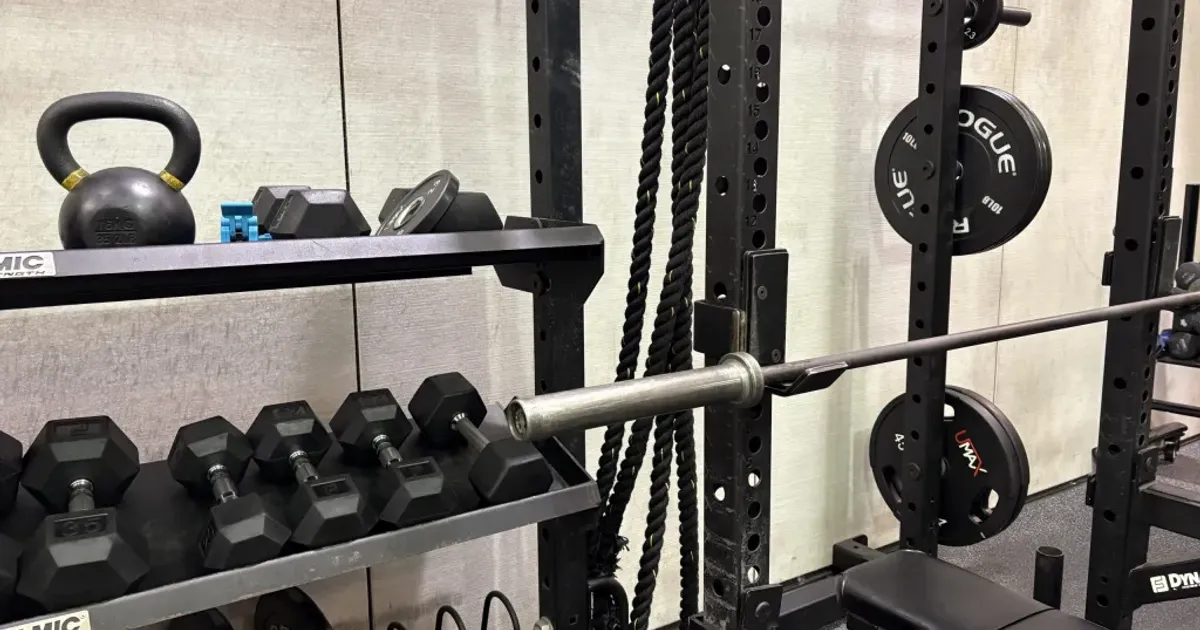
The Silent Pressure on Young Men to “Get Big”
While girls and women have long been the focus of body image conversations, boys and men increasingly feel intense pressure to look lean and muscular. Yet their struggles are often minimized or dismissed as “just being into fitness.”
For some, that pressure shows up as:
- Spending hours in the gym every day, even when exhausted or injured.
- Feeling guilty or anxious for missing a workout or eating “off plan.”
- Constantly checking mirrors or progress photos and never feeling satisfied.
- Centering social life and daily routines almost entirely around training and food.
In campus interviews and case reports, some college athletes and former athletes describe life revolving around bulking: waking early to eat, lifting between classes, and cooking high-calorie, high-protein meals late into the night—yet still feeling “too small.”
“I was eating 4,000 calories a day, lifting six days a week, and people kept telling me I looked big. But every time I looked in the mirror, all I could see were the muscles I didn’t have yet.”
— 20-year-old collegiate club athlete (composite case based on clinical reports)
What Is Muscle Dysmorphia?
Muscle dysmorphia is a subtype of body dysmorphic disorder (BDD). Instead of worrying about being “too fat,” people with muscle dysmorphia are intensely preoccupied with the belief that they are too small, not muscular enough, or “skinny-fat”—even when others see them as very fit or muscular.
According to peer-reviewed research indexed by the National Center for Biotechnology Information, muscle dysmorphia is associated with:
- Time-consuming rituals around working out and eating.
- Significant distress if workouts or meals are disrupted.
- Social withdrawal (avoiding beaches, sports, or social events).
- Use of risky supplements or appearance-enhancing drugs.
It’s not just “wanting to be fit.” It’s when the pursuit of muscle becomes so intense that it starts to harm your mental health, physical health, school or job performance, or relationships.
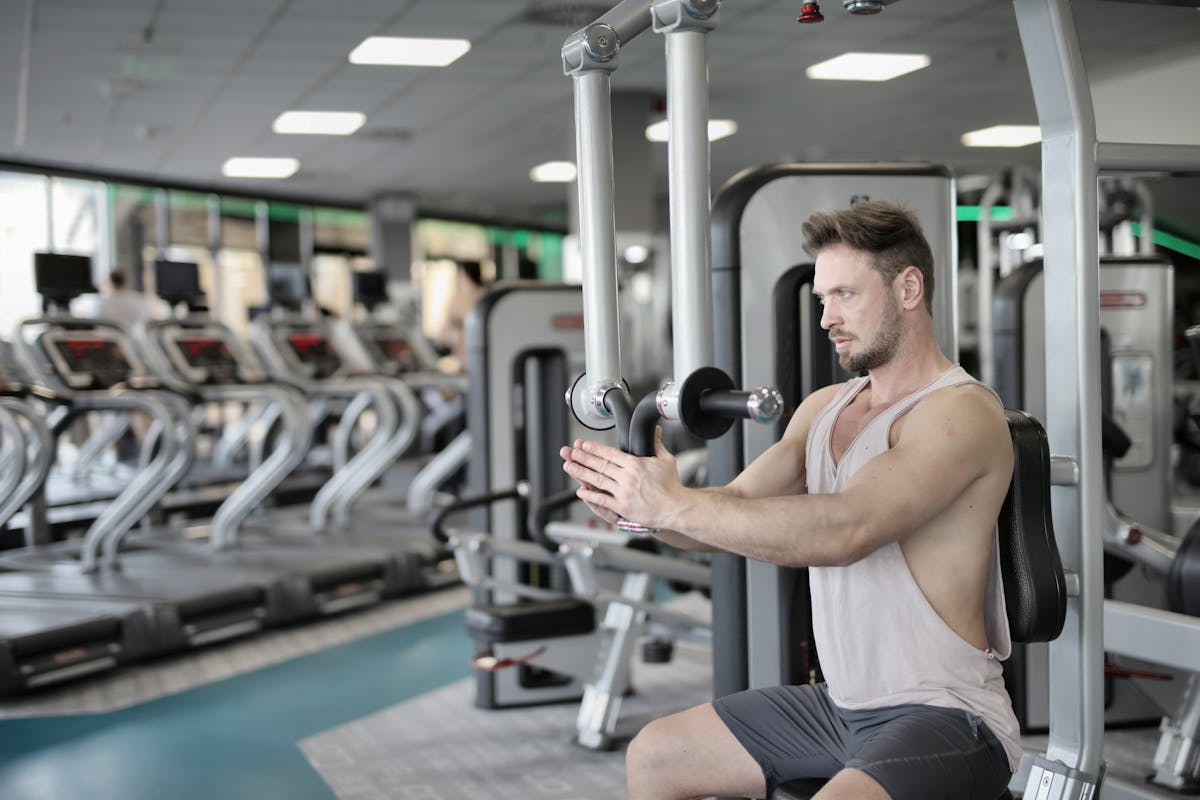
Why Are So Many Young Men Focused on Bulking Up?
The obsession with bulking doesn’t happen in a vacuum. Several forces converge, especially during the late teen and college years:
- Social media and “ideal” physiques
Algorithms tend to favor dramatic transformations and extreme physiques. Scrolling through endless shirtless progress photos can create a distorted sense of what’s typical—and what’s required to be attractive or respected. - Sports and identity
Athletes often associate size and strength with performance and status. When sports end—after high school or college—many young men feel pressure to maintain that identity through the gym. - Masculinity and control
Building muscle can feel like a tangible way to prove toughness, discipline, or masculinity—especially when life feels uncertain. For some, body control becomes a coping mechanism. - Diet and fitness industry marketing
Supplement companies and fitness brands frequently promote the message that more size is always better, often with before-and-after images that don’t reflect typical or sustainable results.
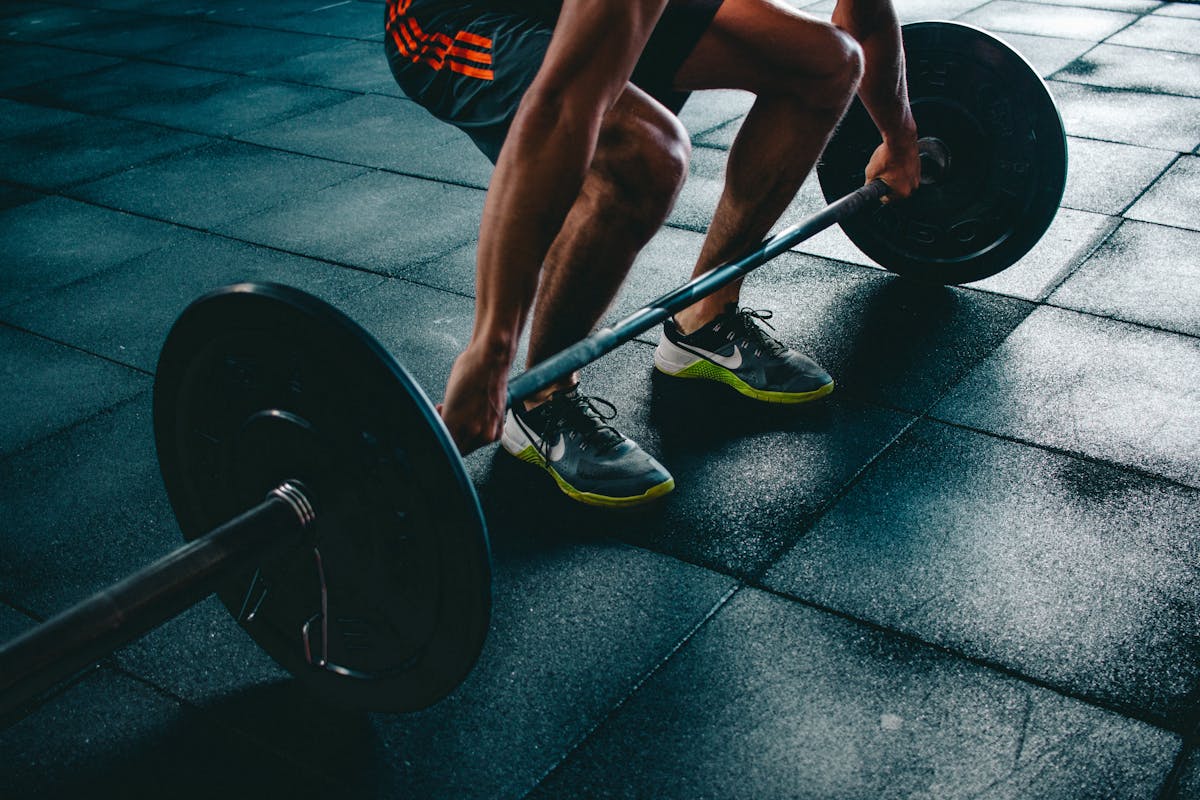
When Bulking Is Healthy—and When It Isn’t
Wanting to build muscle is not a problem on its own. Resistance training, adequate protein, and smart nutrition can support metabolic health, bone density, mood, and long-term functional strength.
It becomes concerning when the pursuit of muscle:
- Dominates your thoughts most of the day.
- Causes significant anxiety, shame, or body disgust.
- Leads you to ignore pain, injuries, or medical advice.
- Pushes you toward steroids or risky supplements.
- Interferes with school, work, or relationships.
Evidence-Based Ways to Build Muscle and Protect Your Mental Health
You can absolutely pursue strength and muscle while taking care of your emotional wellbeing. These approaches draw from sports science, psychology, and clinical guidelines for body image concerns.
1. Train Smart, Not Constantly
- Aim for 2–4 strength sessions per week focusing on major movements (squats, presses, pulls, hinges).
- Allow at least 48 hours of recovery between intense sessions for the same muscle group.
- Progress gradually with weight, reps, or sets instead of chasing exhaustion every workout.
- Sleep 7–9 hours per night—muscle growth happens largely during rest.
2. Eat to Support Performance—not Just Size
- Include a source of protein (eggs, yogurt, lean meat, tofu, beans) at most meals.
- Don’t fear carbohydrates—they fuel training and recovery.
- A moderate calorie surplus (a few hundred calories above maintenance) is usually enough to gain muscle over time without excessive fat gain.
- Be wary of supplements that promise rapid or extreme muscle growth; many are poorly regulated.
3. Challenge Distorted Thoughts About Your Body
Cognitive-behavioral therapy (CBT), which has strong evidence for body dysmorphic disorder, focuses on noticing and questioning unhelpful thoughts. You can start with:
- Name the thought: “I look tiny compared to everyone else in the gym.”
- Check the evidence: What would a neutral observer say? What do photos over months actually show?
- Reframe: “I’m still building strength. My worth isn’t defined by looking the biggest.”
4. Diversify Your Sources of Confidence
When all self-esteem depends on your body, any perceived flaw feels catastrophic. Intentionally investing in other areas helps:
- Skills (music, coding, art, public speaking, languages).
- Relationships (friends, family, teams, clubs, faith groups).
- Values-driven actions (volunteering, mentoring, creative projects).
Common Obstacles—and How to Move Through Them
If you recognize yourself in any of this, you’re not alone. Changing your relationship with your body and training can feel uncomfortable at first.
“If I’m not big, no one will respect me.”
Respect can come from reliability, kindness, competence, humor, leadership—traits that don’t show up on a scale. Try actively noticing people you admire who don’t fit the stereotypical “jacked” image.
“All my friends are obsessed with bulking. I’ll be the odd one out.”
You don’t have to convince everyone overnight. You can quietly adjust your own training goals, widen your interests, and seek out at least one friend, mentor, or coach who values health over extremes.
“I’m scared to talk about this. It doesn’t feel ‘manly.’”
Many men have been taught to keep worries about their bodies or mental health quiet. Yet research consistently shows that talking openly—even with one trusted person—reduces shame and can be a turning point toward healthier coping strategies.
A Composite Case Study: When Bulking Takes Over
Consider a composite example drawn from multiple student experiences. We’ll call him Alex, a 19-year-old college sophomore and former high school lacrosse player.
- He starts college feeling smaller than many teammates and quickly commits to a “clean bulk.”
- Meals revolve around high-calorie, high-protein cooking in his off-campus kitchen—meat, butter, shakes between classes.
- He lifts six days a week, tracks every gram of protein, and rarely turns down extra food, even when uncomfortably full.
- Friends say he looks “huge now,” but he feels undersized next to fitness influencers he follows.
- Grades slip, he skips social events to avoid missing meals or workouts, and he quietly considers using steroids to “finally get ahead.”
After a minor injury forces a break from heavy lifting, Alex feels intense anxiety and low mood. A teammate suggests he talk to the campus counselor. Over several months, he:
- Works with a therapist to challenge his belief that size equals worth.
- Meets a sports dietitian who helps him adjust his intake to support training without extremes.
- Reduces gym time slightly and adds other hobbies back into his week.
- Notices that his relationships and overall mood improve—even as his strength continues to grow steadily.
Alex still enjoys lifting and building muscle, but it no longer controls his entire life.
Trusted Resources on Muscle Dysmorphia and Male Body Image
For deeper reading and professional guidance, these resources provide evidence-based information:
- National Center for Biotechnology Information (NCBI) – Reviews on muscle dysmorphia
- National Institute of Mental Health – Information on obsessive-compulsive and related disorders
- National Eating Disorders Association (NEDA) – Articles on male body image and muscle dysmorphia.
- Anxiety and Depression Association of America (ADAA) – Resources on body dysmorphic disorder and related anxiety.
Moving Toward Strength That’s More Than Skin Deep
Wanting to be strong, capable, and confident in your body is deeply human. For young men, that desire often gets funneled into a narrow idea: be as big and lean as possible, at any cost.
You don’t have to choose between fitness and mental health. It’s possible to:
- Train hard and also rest.
- Eat to support your goals without fear or obsession.
- Care about how you look without letting it define you.
- Ask for help without it making you any less “man enough.”
If you recognize that bulking or body image worries have started to run the show, consider this your invitation to pause, reassess, and reach out. Talking to a friend, a coach who values health, or a counselor can be a powerful first rep toward a more sustainable, self-respecting kind of strength.
Next step: Pick one small change—unfollow one triggering account, add one rest day, or schedule one conversation—and treat it as training for your mental health, just as real and important as any workout.
