
Inside the Secret Kim Kardashian & Ray J Deal: What the Reported $6 Million Settlement Really Means
A reported confidential settlement between Kim Kardashian and Ray J has pushed an already infamous chapter of reality TV history back into the headlines—without rehashing explicit details, it raises real questions about privacy, branding, and who gets to control a story that changed modern celebrity culture.
Why This Story Still Matters in 2026
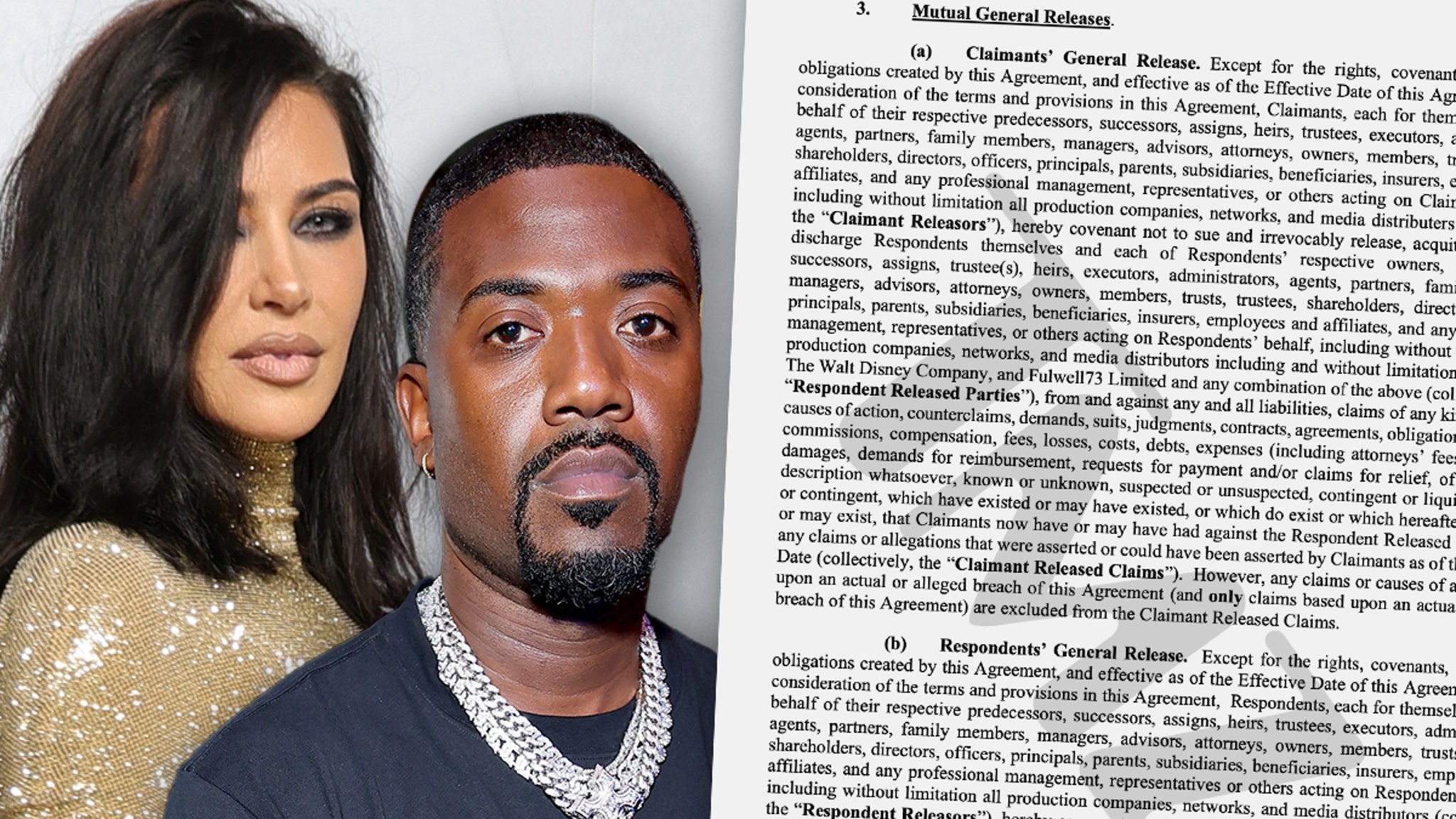
According to TMZ, Kim Kardashian and Ray J reportedly reached a confidential settlement in 2023 related to their early-2000s scandal, with terms that barred both from publicly discussing the tape at the center of the controversy. Headlines have focused on a reported multi‑million‑dollar figure, but the real story is about control—of image, narrative, and legacy.
Without delving into explicit or adult details, it’s worth noting that this saga helped define the modern era of reality TV fame, online gossip culture, and the economics of attention. The settlement, years later, is less about the tape itself and more about closing the loop on a story that has shadowed two very different careers.
From Tabloid Scandal to Media Empire: A Quick Background (Without the Dirt)
In the mid‑2000s, the controversy involving Kim Kardashian and Ray J became one of the first truly viral celebrity scandals of the broadband era. It coincided almost perfectly with:
- The rise of gossip blogs and early social media
- The launch of Keeping Up with the Kardashians on E!
- A shift in Hollywood from traditional gatekeepers to audience‑driven fame

Over time, the scandal was reframed—not as an endpoint, but as a strange, uncomfortable prologue to a massive media franchise. That tension has fueled years of think‑pieces, from critics who see the story as emblematic of exploitative tabloid culture to those who argue it illustrates how women in particular are forced to wrestle with public shaming as part of their career narrative.
The Reported 2023 Settlement: What’s Actually Interesting About It
TMZ reports that in 2023, Kim Kardashian, Ray J, and Kardashian family representatives quietly signed a settlement agreement, reportedly in the multi‑million‑dollar range, that included non‑disparagement and non‑disclosure provisions about the tape and related claims. While the exact legal language stays behind closed doors, the gist is straightforward: both parties agreed to stop publicly revisiting or litigating that chapter.
“Kim and Ray J hashed out a secret settlement in 2023 that prohibited either from dishing about their infamous sex tape — and TMZ obtained a copy of the agreement.”
From an entertainment‑industry lens, several angles stand out:
- Reputation Management: For Kim, now firmly positioned as a business mogul and aspiring attorney, cordoning off an old scandal helps keep the focus on law studies, entrepreneurship, and high‑fashion partnerships.
- Brand Consistency: The Kardashian‑Jenner machine thrives on controlled storylines. A binding agreement effectively freezes one unpredictable subplot.
- Legal Closure: Confidential settlements are routine in Hollywood; what’s unusual is how long this saga has remained culturally relevant.
How the Story Shaped Reality TV and Celebrity Culture

The original incident landed right as reality TV was morphing from disposable background noise into a full‑fledged cultural engine. The Kardashians, in particular, perfected a cycle in which real‑life drama fed the show, which then fed more media coverage, which in turn boosted the brand.
The Kim–Ray J saga became one of the earliest examples of:
- Scandal as Origin Story: A deeply uncomfortable personal event repackaged (indirectly) as “how it all began.”
- Platform Leverage: Turning short‑term notoriety into long‑term business ventures—beauty lines, shapewear, mobile games, and beyond.
- Audience Participation: Viewers feeling like co‑authors of the narrative through online commentary and memes.
Over the years, critics and commentators have debated whether this was empowering—someone taking control of a narrative forced upon them—or simply proof that our culture rewards voyeurism. The 2023 settlement doesn’t answer that; it just signals that, at least legally, this particular chapter is meant to be closed.
Privacy, Consent, and the Line Between News and Voyeurism
Stripping away the salacious framing, the underlying issues are serious: how should intimate content be handled when it becomes public; how much do viewers and fans deserve to know; and what does accountability look like when an old scandal keeps getting recycled for clicks?

In recent years, public attitudes have shifted—there’s more awareness around digital privacy, revenge‑related exploitation, and the legal frameworks meant to protect people from having their intimate lives weaponized online. While Kim Kardashian is an ultra‑visible billionaire and Ray J is a veteran entertainer, the ethical questions raised by their case echo problems faced by ordinary people whose private content is abused.
A few key takeaways that avoid the lurid details:
- Old scandals don’t simply disappear, but they can be reframed—toward discussions of consent, media responsibility, and digital literacy.
- Confidential settlements can be tools for restoring some measure of control, even if they can’t rewrite history.
- Audiences also have agency: choosing not to reward exploitative coverage changes what gets amplified.
The Kardashian Brand in 2026: Beyond the Origin Story

By 2026, Kim Kardashian’s public identity spans several industries: fashion, beauty, reality television, business strategy, and criminal justice reform. The 2023 settlement arrives in an era when she’s trying to be taken as seriously in courtrooms and boardrooms as she is on runways and red carpets.
In media terms, that’s classic brand management:
- Contain the Past: Legally ring‑fence stories that distract from current projects.
- Recenter the Narrative: Highlight work on law reform, entrepreneurship, and philanthropic projects.
- Stabilize Franchise Storylines: Keep future reality‑TV or streaming content focused on business and family dynamics, not retroactive scandal talk.
Ray J, meanwhile, has juggled music, reality appearances, and tech ventures. For him, too, a settlement that reduces ongoing public back‑and‑forth may be less about erasing the past and more about avoiding being permanently tied to a single chapter of someone else’s mythology.
How Outlets Like TMZ Shape the Narrative

TMZ remains a central player in the celebrity‑news ecosystem, particularly when it comes to legal filings and behind‑the‑scenes deals. Getting hold of a reported settlement agreement is exactly the kind of scoop that keeps the site in circulation across social feeds and aggregator apps.
But the audience isn’t the same as it was in 2007. There’s more skepticism about:
- How much detail people actually need about intimate aspects of anyone’s life
- Who is feeding which documents to which outlets—and why
- Where the line sits between legitimate news and recycled spectacle
Reporting on a settlement can be newsworthy—it affects how future interviews, documentaries, or reality‑TV storylines unfold—but it doesn’t need to refresh or glamorize the original scandal. Some coverage has started to focus more on the legal, business, and cultural angles, rather than the shock factor.
Closing the Book Without Rewriting History
The reported 2023 settlement between Kim Kardashian and Ray J is less a dramatic twist than a quiet epilogue to a story that’s been replayed for nearly two decades. It doesn’t change what happened, and it doesn’t magically erase the role that scandal played in shaping modern celebrity culture, but it does underline where both figures want to go next.
For audiences, the more interesting question in 2026 isn’t “What’s in the paperwork?” but “What do we do with these kinds of stories now?” Do we keep treating old controversies as endlessly renewable content, or do we pivot toward conversations about privacy, consent, and how to consume entertainment news without turning real people’s worst moments into permanent spectacle?
As reality TV, streaming docs, and social media continue to mine celebrity lives for material, agreements like this one may become more common—a sign that even in a fame economy built on oversharing, there are still boundaries stars are willing to hire lawyers to defend.
