
Inside the African Lab Reinventing Drug Discovery: How Kelly Chibale Is Changing Global Health
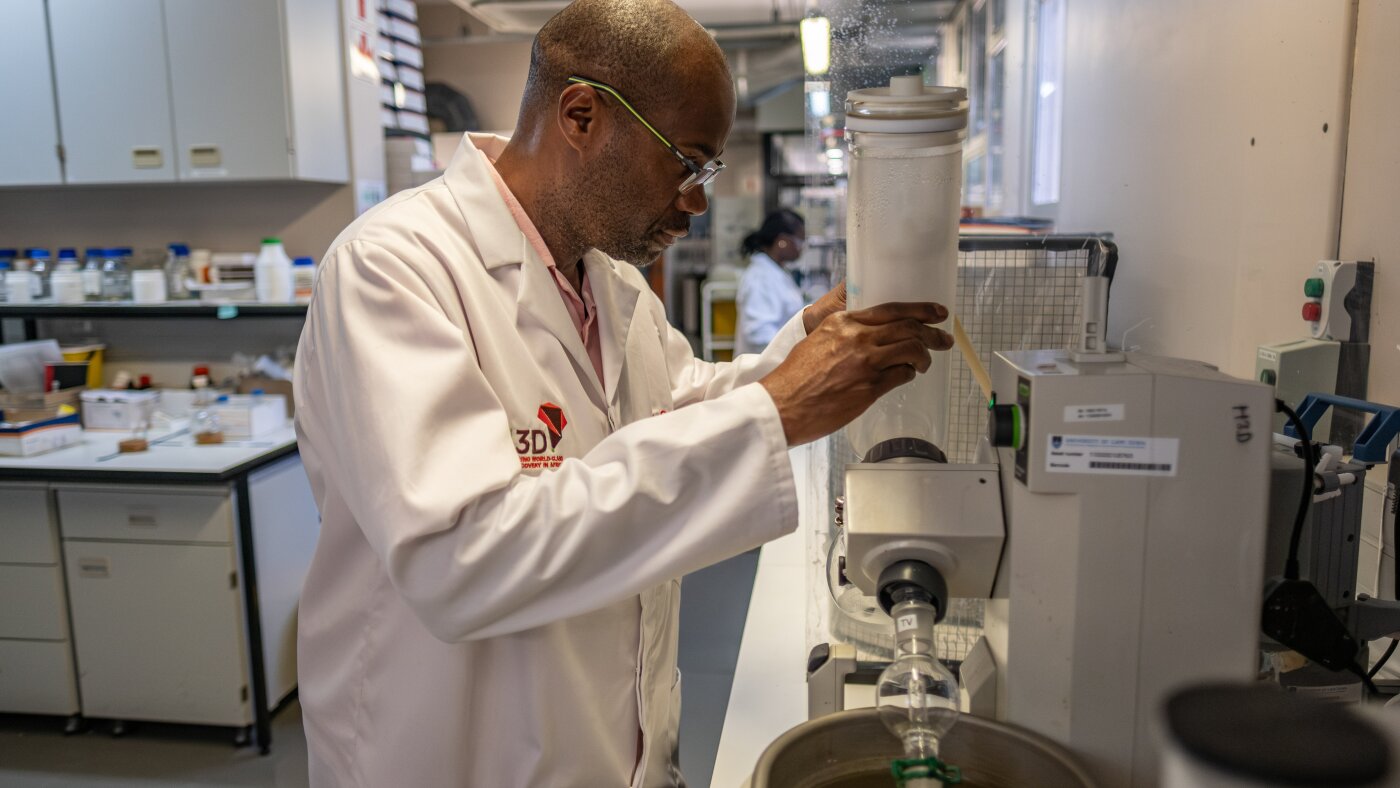
Tucked inside a campus in Cape Town, a rare kind of laboratory is quietly reshaping how the world thinks about drug discovery. At its center is Kelly Chibale, a Zambian chemist and NPRA scientist who genuinely loves — LOVES — chemistry, and who talks about the hunt for new medicines like a fairy‑tale quest: long, uncertain, and sometimes touched by miracles.
This lab in South Africa is being hailed for “extraordinary” work. Not because it’s the biggest or the richest, but because it is proving that high‑impact, Africa‑led science can generate new drug candidates for diseases that have been neglected for decades. And it’s doing so with a model that blends creativity, patience, and a deep sense of purpose.
What follows is an inside look at how this lab works, why it matters for global health, and what its story can teach us about science, persistence, and building research capacity in places that have too often been left out of the innovation map.
Why This Lab Matters: A New Model for Global Drug Discovery
Traditional pharmaceutical research has tended to follow the money. Drugs for chronic conditions in wealthy countries attract huge investment, while diseases like malaria, tuberculosis, and neglected tropical diseases often struggle for funding — even though they cause enormous suffering.
Kelly Chibale’s vision challenges that pattern. From his base at the University of Cape Town, he leads a drug discovery program that aims to:
- Develop new medicines for diseases that hit African populations hardest.
- Train a new generation of African scientists in cutting‑edge medicinal chemistry and pharmacology.
- Prove that world‑class innovation can flourish in African labs, not just in traditional pharma hubs.
“The hunt for new drugs is like a fairy‑tale quest,” Chibale has said. “It takes time, patience, and perseverance. It doesn’t mean there aren’t surprises or miracles — but you have to stay in the story long enough to find them.”
Independent evaluations and collaborators have described his group’s work as “extraordinary,” in part because it bridges a gap: translating basic chemistry into real, testable drug candidates within an African health context.
Inside the Lab: How New Drugs Are Born
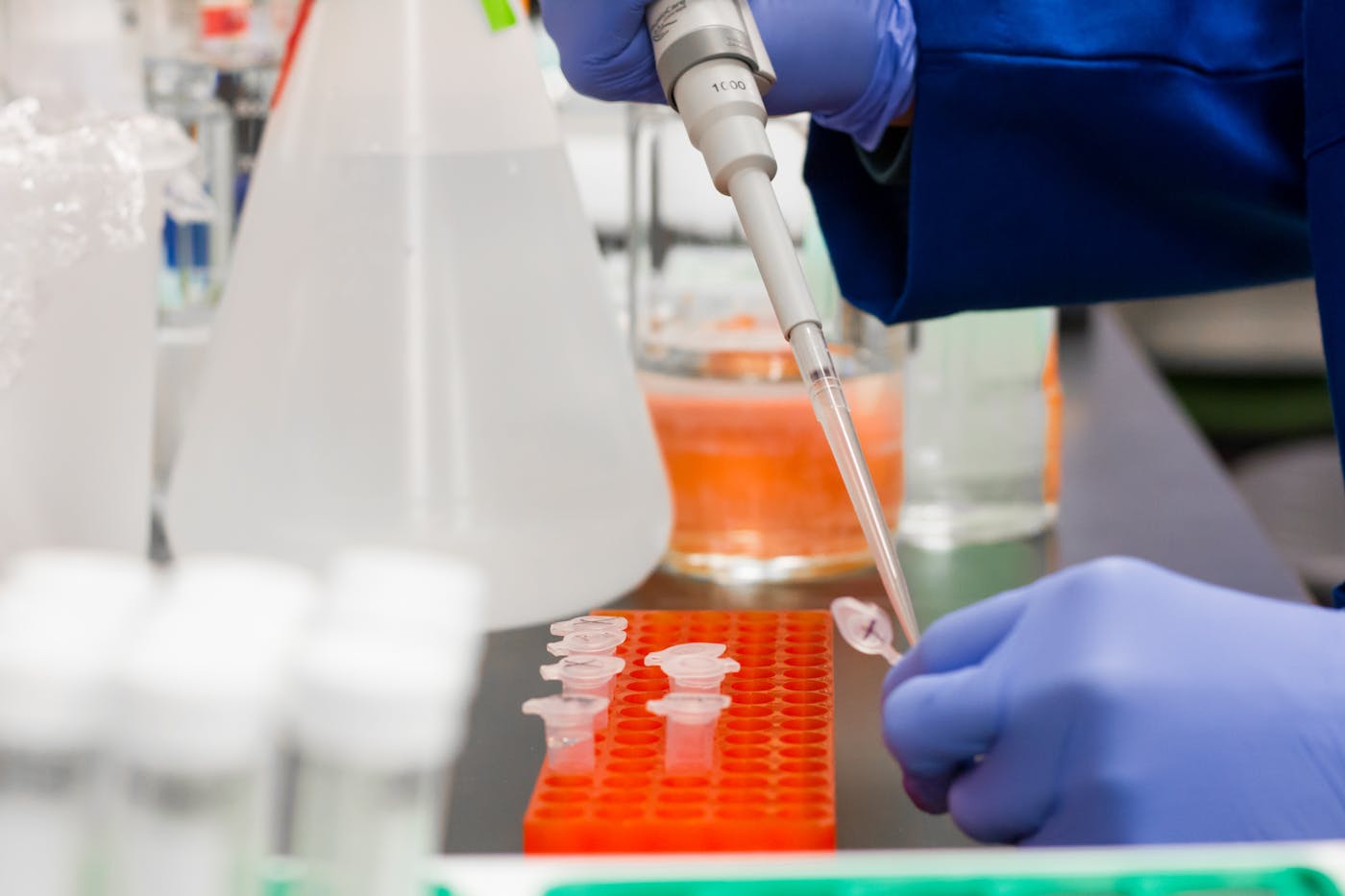
Drug discovery is rarely glamorous up close. It’s repetitive, data‑heavy, and full of dead ends. In Chibale’s lab, the process typically unfolds in several stages, many of which run in parallel:
- Target identification:
Researchers pinpoint a protein, enzyme, or pathway in a parasite or pathogen that a drug could safely disrupt. - Hit discovery:
Massive libraries of chemical compounds are screened to find “hits” — molecules that do something interesting to the target. - Hit‑to‑lead optimization:
Chemists tweak, combine, and refine molecules to improve their potency and safety profile. - Preclinical testing:
Promising candidates are tested in cells and animal models to understand dosing, toxicity, and pharmacokinetics. - Partnership for clinical trials:
Once a candidate looks viable, large trials require international collaborations, regulators, and significant funding.
At every stage, the lab weighs trade‑offs: a compound might be highly potent but too toxic; another might be safer but less effective. Far from a linear pipeline, the process is iterative — a cycle of design, test, learn, and redesign.
A Personal Quest: From Zambia to a World‑Class South African Lab
Chibale often describes his journey from Zambia to running a globally respected lab in South Africa as unlikely. Growing up far from the centers of Big Pharma, he didn’t see gleaming research campuses or billion‑dollar pipelines. What he did see, however, were communities burdened by preventable and treatable diseases.
That context shaped his belief that chemistry could — and should — serve public health needs in Africa, not just commercial priorities elsewhere. In interviews, he has emphasized that loving chemistry is only part of the story; the deeper motivation is using that love to address real‑world problems.
“If you want a sustainable ecosystem,” he has noted in public talks, “you must grow people, not just projects. The molecules may fail. The scientists you train will go on to create many more molecules.”
Over the years, alumni of the lab have gone on to pursue advanced degrees, join biotech startups, and take roles in regulatory agencies — multiplying the lab’s impact well beyond any single compound.
From Bench to Bedside: What the Research Is Achieving
While many project details are technical and often under confidentiality agreements with partners, several themes define the lab’s impact as highlighted by international funders and scientific bodies:
- Targeting high‑burden diseases: Work has focused on conditions like malaria and other parasitic diseases that heavily affect African populations and other low‑resource settings.
- Building integrated platforms: Rather than working in isolation, the lab combines medicinal chemistry, biology, pharmacology, and computational modeling under one roof or through tight partnerships.
- Contributing to global pipelines: Compounds and data from the lab feed into larger international development efforts, helping move promising candidates toward clinical testing.
- Shifting perceptions: Demonstrating that Africa can be a source — not just a site — of innovation helps reframe how global health research collaborates with the continent.

The Hard Reality: What Makes This Work So Difficult
For all its achievements, the lab’s story is not one of effortless triumph. It operates within the same harsh realities that challenge drug discovery globally — plus a few unique ones:
- High failure rates: Most drug candidates fail somewhere between preclinical studies and late‑stage trials, often after years of investment.
- Funding volatility: Grants and philanthropic support can be cyclical, making long‑term planning difficult.
- Infrastructure demands: Cutting‑edge experiments require reliable electricity, specialty reagents, and equipment maintenance — all of which can be harder to secure and sustain locally.
- Global inequities: Regulatory pathways, advanced clinical trial networks, and manufacturing capacity are still concentrated in high‑income countries.
Chibale and colleagues have responded by cultivating diverse partnerships — with universities, non‑profit drug developers, and pharmaceutical companies — and by emphasizing transparency about both successes and setbacks. That realism helps avoid overpromising while still building public and political support.
What This Lab Teaches Us About the Future of Global Health
The story of Kelly Chibale’s lab offers several practical lessons for anyone interested in global health, science policy, or research capacity building:
- Invest in people, not just projects.
Training scientists locally creates a multiplier effect that outlasts any single grant or compound. - Align research with local needs.
Prioritizing diseases that burden nearby communities increases relevance and can strengthen public support. - Build ecosystems, not islands.
Strong regional networks — linking universities, regulators, hospitals, and industry — make it easier to move from lab bench to patient bedside. - Embrace long timelines.
Sustainable funding mechanisms that recognize 10‑ to 15‑year horizons are essential for serious drug discovery work.
How You Can Support and Learn From This Work
While drug discovery might feel distant from everyday life, there are concrete ways to engage with and support labs like Chibale’s:
- For students and early‑career scientists: Explore training programs, internships, and graduate opportunities in African research centers; many welcome applicants from across the continent and beyond.
- For funders and policymakers: Consider models that back long‑term capacity building rather than short, fragmented projects.
- For educators: Use examples like this lab to show learners that high‑impact science is possible in diverse settings, not only in traditional powerhouses.
- For the general public: Stay informed about global health research, support evidence‑based policy, and resist simplistic narratives that promise miracle cures overnight.
Staying in the Story: A Measured but Hopeful Outlook
The hunt for new drugs will never be simple or guaranteed. It will always demand patience, failure, and a willingness to work for years without knowing whether a single molecule will make it to patients. Yet labs like Kelly Chibale’s demonstrate that with commitment, collaboration, and local ownership, the story of global drug discovery can be rewritten to include more voices, more regions, and more relevant health priorities.
You don’t need to work in a lab to be part of that story. By valuing evidence, supporting institutions that invest in neglected diseases, and amplifying examples of African‑led innovation, you help create the conditions in which the next “fairy‑tale” breakthrough — built on years of methodical science — can emerge.
The quest continues — and it’s more inclusive, more collaborative, and more globally rooted than ever before.
