
Allergy Season Survival Guide: Science-Backed Ways to Breathe Easier This Spring
Welcome to allergy season—again. For tens of millions of Americans, the first warm breeze doesn’t mean picnics and park days; it means tissues, red eyes, and a persistent tickle in the back of the throat. If you feel like your allergies start earlier, last longer, or hit harder each year, you are not imagining it.
Where you live, the trees and grasses around you, how much time you spend outdoors, and even climate trends all shape how rough your allergy season will be. The good news: while we cannot turn off pollen, we can dramatically reduce how much it affects your daily life with a mix of smart prevention, environment tweaks, and evidence-based treatments.
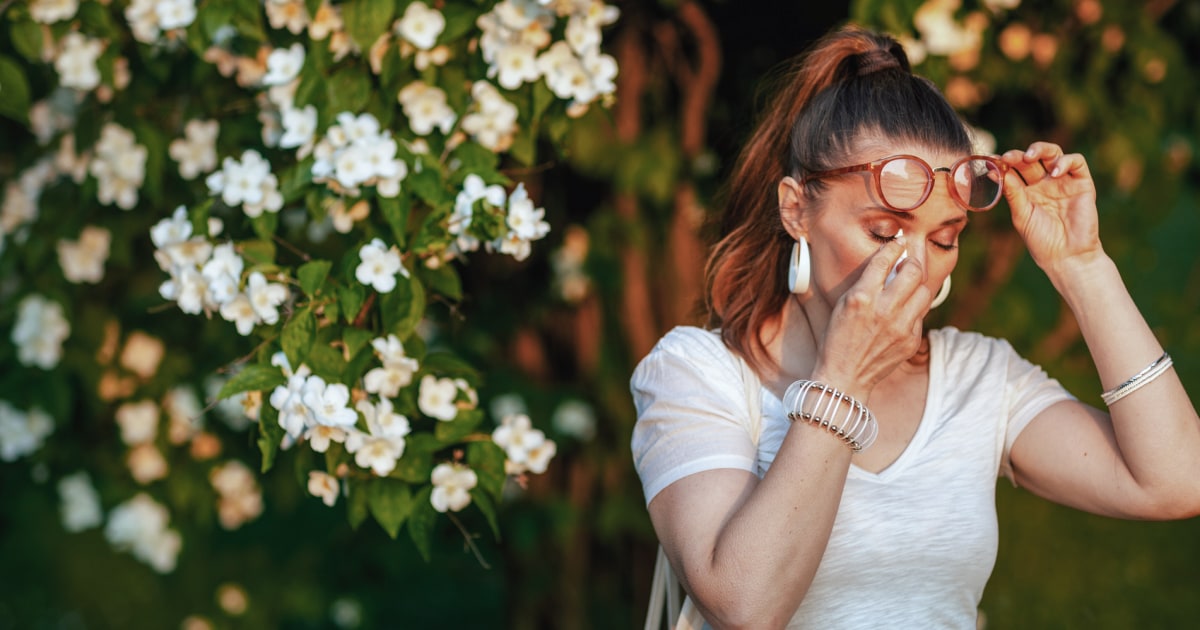
This guide walks you through why allergy season is getting worse, what you can realistically do to protect yourself, and how to work with—not against—your body’s immune system.
Why Allergy Season Feels So Miserable (and Why It’s Getting Worse)
Seasonal allergies—often called hay fever or allergic rhinitis—happen when your immune system overreacts to harmless particles like tree, grass, or weed pollen. Your body treats pollen as a threat and releases histamine and other chemicals, leading to:
- Runny or stuffy nose
- Itchy, watery, or red eyes
- Sneezing fits
- Coughing, throat irritation, or postnasal drip
- Fatigue, brain fog, and poor sleep
Over the last decade, researchers have observed that allergy seasons are starting earlier in the year, lasting longer, and producing more pollen in many regions of the United States. Warmer temperatures and higher carbon dioxide levels can increase how much pollen plants release and extend the period when they shed it.
“On average, pollen seasons are about 20 days longer and pollen concentrations about 20% higher than a few decades ago in many U.S. cities,” notes recent climate–allergy research published in journals such as PNAS.
That combination—more pollen for more days—helps explain why even people who never used to have seasonal allergies are suddenly noticing symptoms.
How Where You Live Shapes Your Allergy Season
Not all allergy seasons are created equal. Geography, local vegetation, and air quality all influence how intense your symptoms might be.
Regional patterns
- Northeast & Midwest: Tree pollen (oak, birch, maple) spikes in early spring, followed by grass in late spring/early summer and ragweed in late summer.
- South: Longer growing seasons mean earlier starts and extended exposure to multiple pollens.
- West: Varies widely with elevation and rainfall; some desert areas still see strong pollen bursts from certain grasses and weeds.
City vs. suburbs vs. rural
Urban areas may have fewer large fields of grasses, but they often concentrate pollen and air pollution together. Pollution can make pollen grains more irritating to your airways. Suburbs tend to have more ornamental trees and lawns, increasing exposure to both tree and grass pollen.
Is It Allergies, a Cold, or Something Else?
When your nose won’t stop running, it can be hard to know whether you’re dealing with allergies or an infection. Getting this right matters, because the best strategies differ.
| Feature | Allergies | Cold / Viral Infection |
|---|---|---|
| Onset | Sudden, often tied to going outdoors or a specific season | Develops gradually over a few days |
| Duration | Weeks or months during pollen season | Usually 7–14 days |
| Itching | Common in eyes, nose, throat | Less common |
| Fever | Rare | Can be present |
| Contagious | No | Yes |
If you have persistent symptoms, trouble breathing, or you’re not sure what’s going on, it’s worth checking in with a healthcare professional or allergist. They can help distinguish allergies from other conditions like chronic sinusitis or asthma.
Daily Habits to Reduce Pollen Exposure
You cannot avoid pollen entirely, but you can significantly cut down how much your body is exposed to each day. Think of it as “pollen budgeting”: the lower your total exposure, the less your immune system overreacts.
Smart outdoor strategies
- Time your outdoor activities. Pollen counts tend to be highest in the early morning and on warm, windy days. When possible, schedule workouts or yard work for late afternoon or after a rain, when pollen levels often drop.
- Use pollen forecasts. On very high-pollen days, limit prolonged outdoor exposure, especially if you know you’re sensitive.
- Wear “allergy armor.” Sunglasses can shield your eyes from pollen. A brimmed hat helps keep pollen out of your hair and off your face.
Creating a low-pollen home base
- Keep windows closed on high-pollen days; use air conditioning with a clean filter if possible.
- Consider a HEPA air purifier in the bedroom or main living area to help reduce airborne particles.
- Change clothes and shower after spending a lot of time outdoors to wash pollen off your skin and hair.
- Wash bedding weekly in hot water (at least 130°F / 54°C) to reduce allergens.
Evidence-Based Treatments: What Actually Helps?
Seasonal allergy treatments work best when they’re started early—often before symptoms peak—and used consistently. Here’s what research and allergy specialists tend to recommend.

1. Non-drowsy antihistamines
Medications like cetirizine, loratadine, fexofenadine, and others block histamine, the chemical that drives many allergy symptoms. They can ease sneezing, runny nose, and itching. For many people, taking them once daily during peak pollen season provides reliable relief.
2. Nasal steroid sprays
Over-the-counter nasal corticosteroid sprays (for example, fluticasone or budesonide) reduce inflammation directly in your nasal passages. They’re among the most effective treatments for congestion and runny nose, but they work best if used daily and may take several days to reach full effect.
Guidelines from organizations like the AAAAI and the ACAAI often recommend nasal corticosteroids as a first-line option for moderate to severe seasonal allergies.
3. Saline rinses and nasal irrigation
Rinsing your nose with sterile saline (using a squeeze bottle or neti pot) can wash out pollen, thin mucus, and relieve congestion. It’s a non-drug option that many people find helpful, especially at night.
4. Eye drops for itchy, watery eyes
Antihistamine or mast-cell–stabilizing eye drops can reduce eye redness, itching, and tearing. Check labels and talk with a clinician or pharmacist, especially if you wear contact lenses or have existing eye conditions.
5. When allergy shots or tablets make sense
If you have severe, long-lasting allergies that don’t respond well to medications and environmental changes, allergen immunotherapy may be an option. This involves regular allergy shots or under-the-tongue tablets that gradually desensitize your immune system to specific pollens over time. It’s a long-term commitment (often 3–5 years) but can reduce symptom severity and medication needs for many people.
A Real-World Example: From “Spring Is Miserable” to “Spring Is Manageable”
Consider “Jordan,” a 34-year-old who dreaded spring every year in Atlanta. For two months straight, they battled nonstop sneezing, itchy eyes, and so much congestion that sleep became fragmented. Over-the-counter pills helped a little but often left them groggy at work.
Working with an allergist, Jordan made a few key changes:
- Started a daily nasal steroid spray two weeks before tree pollen season.
- Used a non-drowsy antihistamine on high-count days.
- Ran a HEPA air purifier in the bedroom and kept windows closed.
- Showered and changed clothes after evening jogs.
The first year wasn’t perfect—there were still bad days, especially on very windy weekends—but Jordan reported fewer missed workdays, better sleep, and far less eye irritation. Over two seasons, they felt confident enough to start hiking again, something they’d avoided for years.
Your exact plan may look different, but the principle is similar: combine environment control with the right medications, and start early.
Common Obstacles (and How to Overcome Them)
Managing allergies can feel like a lot of work on top of an already busy life. These are some of the most common sticking points—and realistic ways around them.
“I don’t want to take medicine every day.”
Many people hope to just “power through” allergy season. The challenge is that once your symptoms are intense, they’re harder to control. Using a preventive approach—whether with a nasal spray, antihistamine, or both—often means you take less medication overall and feel better throughout the season.
“I can’t afford multiple products and devices.”
You don’t need every possible tool to see benefits. Many people get meaningful relief from a single, well-chosen medication and a few free habits:
- Keeping windows closed on very high pollen days.
- Rinsing your nose with simple saline (made safely) if affordable.
- Changing clothes and washing your face after outdoor activities.
“I never know when to start treatment.”
Tracking how your symptoms line up with local pollen reports for one season can make the next one easier. For example, if your allergies spike the second week of March every year, setting a calendar reminder to begin nasal spray in late February can make a noticeable difference.
Lifestyle Support: Sleep, Stress, and Overall Wellness
Allergies may start with pollen, but the way they feel is affected by your whole-body health. While lifestyle changes won’t “cure” seasonal allergies, they can raise your overall resilience.

- Protect your sleep. Use allergy meds earlier in the evening so they’re working overnight, keep the bedroom as low-pollen as possible, and elevate your head slightly if congestion worsens when lying flat.
- Stay hydrated. Fluids help thin mucus, making it easier to clear your airways.
- Support your immune system. A balanced diet, movement you can tolerate (even gentle indoor activity), and stress-management tools like breathing exercises can help reduce how “amped up” your body feels.
None of these erase allergies, but they can make flare-ups feel less exhausting and help you bounce back faster after tough days.
When to Talk to a Doctor or Allergist
Seasonal sniffles are common, but there are times when professional guidance is important. Consider reaching out to a clinician if:
- Your symptoms last for months and interfere with work, school, or sleep.
- Over-the-counter medications aren’t helping enough, or cause side effects you can’t tolerate.
- You have asthma or notice wheezing, chest tightness, or frequent coughing during allergy season.
- You’re unsure whether your symptoms are allergies, infection, or something else.
- You’re curious about allergy testing or long-term options like immunotherapy.
An allergist can perform skin or blood tests to identify specific triggers and build a tailored plan, which may include prescription medications or desensitization therapies.
Moving from Allergy Overwhelm to Allergy Control
Allergy season doesn’t have to dictate your schedule or your mood. While we can’t stop trees, grasses, and weeds from releasing pollen, we can control how much of it reaches our bodies and how strongly our bodies react.
A practical approach combines:
- Awareness of local pollen patterns and your personal triggers.
- Simple environment shifts—like closing windows on high-count days and showering after outdoor time.
- Evidence-based treatments started early and used consistently.
- Supportive habits that protect your sleep, breathing, and overall energy.
You don’t need to implement everything at once. Choose one or two steps from this guide that feel doable this week—perhaps checking the local pollen forecast and using a non-drowsy antihistamine on high days, or committing to showering after evening walks.
Over time, these small, consistent choices can turn allergy season from something you dread into something you can manage—with fewer tissues, clearer breathing, and more room to enjoy the parts of spring and summer you’ve been missing.
