
How “Sinners” and “K‑Pop Demon Hunters” Shattered Oscars History for Women of Color Behind the Camera
The Women of “Sinners” and “K‑Pop Demon Hunters” Just Rewrote Oscars History
At the 2026 Oscars, the women behind Sinners and K‑Pop Demon Hunters did more than pick up trophies—they detonated a long‑overdue shift in how Hollywood recognizes women of color behind the camera. Leading the night’s breakthroughs, Autumn Durald Arkapaw, who is Black and Filipina, became both the first woman and the first woman of color ever to win the Academy Award for Best Cinematography, a milestone that instantly vaulted her into film‑history shorthand.
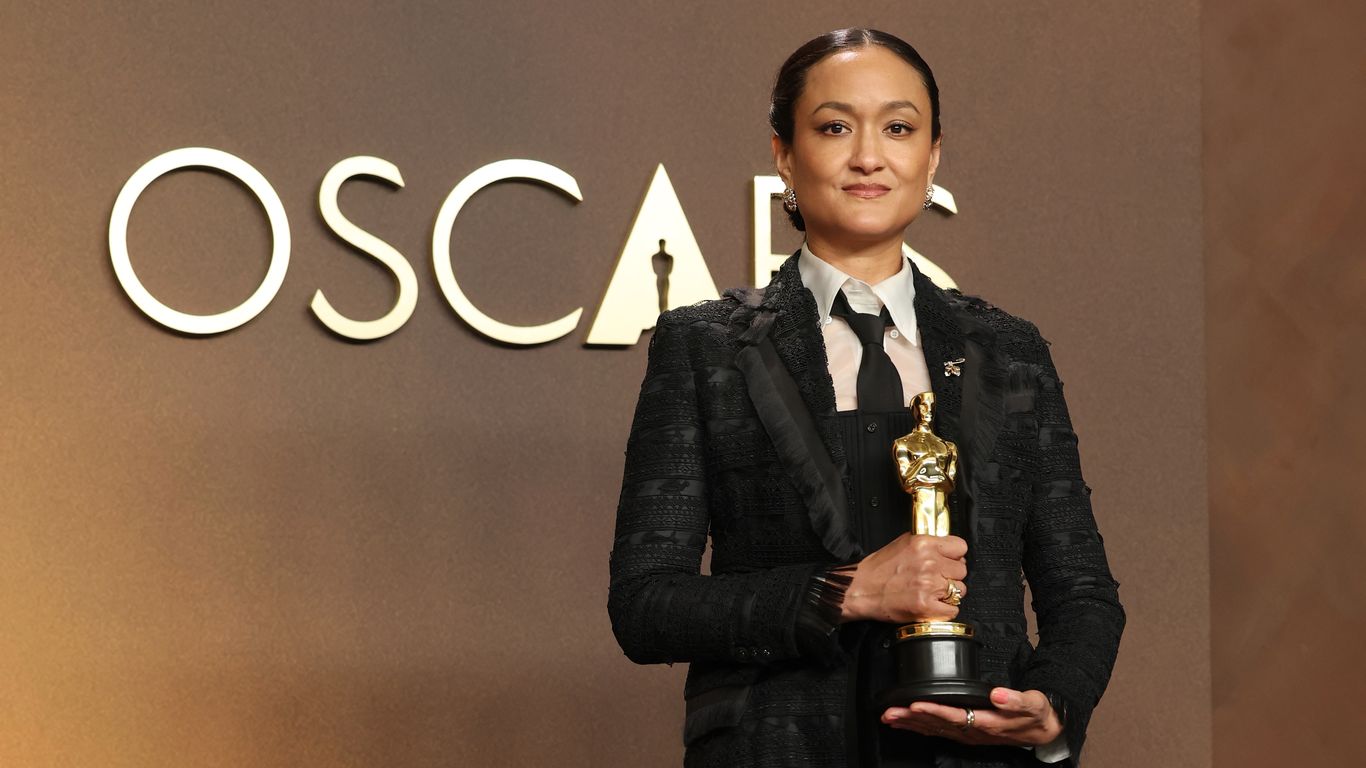
“This award will change so many girls’ lives,” said Autumn Durald Arkapaw in her Oscars speech, capturing the emotional weight of a craft category that’s been almost entirely male for nearly a century.
Why This Cinematography Win Matters So Much
Best Cinematography has long been one of the Academy’s most stubbornly exclusive clubhouses. For decades, it was dominated by white men whose names became synonymous with “serious cinema,” while women struggled to even get in the conversation. It was only in 2018 that Rachel Morrison became the first woman ever nominated, for Mudbound.
That’s the context that makes Durald Arkapaw’s win for Sinners feel seismic. Her achievement isn’t just a trivia note; it’s the culmination of a decade‑plus of work in projects ranging from indie dramas to superhero tentpoles, and it signals that the visual language of mainstream cinema is finally being shaped—and credited—by women of color.
Inside Sinners: Visual Storytelling That Earned an Oscar
Sinners slots into the current wave of morally knotty, prestige‑leaning dramas that live somewhere between A24 edginess and classic studio melodrama. What sets it apart—and what clearly impressed Oscar voters—is how much of its emotional weight is carried through light, shadow, and framing rather than exposition‑heavy dialogue.
Durald Arkapaw’s work on the film leans into:
- High‑contrast lighting to mirror characters’ moral gray zones.
- Intimate, often off‑center compositions that visually encode discomfort.
- Muted, almost bruised color palettes that echo the story’s emotional exhaustion.

It’s the kind of cinematography that feels emotional rather than show‑offy. The camera doesn’t scream “look at this shot”; it quietly insists, “stay with this person.” That subtlety is exactly why this win matters: it proves the Academy can recognize craft that’s in service of character, not just spectacle.
“K‑Pop Demon Hunters”: Genre Chaos, Global Fandom, and Women at the Center
If Sinners represents the solemn, awards‑season side of the industry, K‑Pop Demon Hunters is pure, high‑concept pop culture: an animated genre mash‑up where K‑pop idols literally battle demons. It’s the kind of logline that, ten years ago, Hollywood would have dismissed as “too niche.” In 2026, it’s Academy‑recognized IP with a built‑in global fanbase.
The film stands at the crossroads of:
- Global K‑pop culture and stan communities that drive online discourse.
- Asian and Asian American representation in mainstream animation.
- Female‑led genre storytelling, both in front of and behind the camera.
Oscars Night: What the Wins Actually Signal
Both Sinners and K‑Pop Demon Hunters arrived at a moment when the Academy is under sustained pressure to diversify—not just its membership, but the stories and crafts it deems “Oscar‑worthy.” The historic win for Durald Arkapaw, alongside the recognition for the women behind K‑Pop Demon Hunters, feels like the rare instance where activism, industry economics, and genuine artistic merit line up.
Industry‑wise, these wins intersect with:
- Streaming’s global reach, which rewards culturally specific stories that travel across borders.
- The power of fandom, especially K‑pop fandoms, to boost visibility and box office.
- New Academy membership that’s younger, more international, and less nostalgic for an all‑white canon.
As one critic put it in post‑show coverage, “The Academy isn’t suddenly woke; it’s finally responding to the economic reality that the future of cinema is female, non‑white, and online.”
Representation Behind the Camera: From Symbolic to Structural Change?
It’s tempting to treat a historic first as proof that the problem is solved. It isn’t. Women—especially women of color—are still drastically underrepresented in key creative roles like cinematography, editing, composing, and VFX supervision. One Oscar doesn’t dismantle hiring pipelines, union politics, and studio risk‑aversion overnight.

Still, there are tangible ripple effects when someone like Durald Arkapaw wins:
- Perception shift: Executives can no longer claim “there just aren’t any” women of color capable of leading major productions visually.
- Pipeline inspiration: Film students and early‑career crew members see a path that once looked impossible.
- Leverage for future projects: Awards translate into negotiating power for budgets, teams, and creative control.
The key question is whether studios treat this moment as a branding opportunity or a hiring blueprint.
The Other Side: Hype, Tokenism, and Awards‑Season Optics
No Oscars narrative is complete without some skepticism. Some industry watchers point out that visibility‑driven campaigns can veer into tokenism, especially when a groundbreaking win is followed by a quick slide back into business as usual.
In the case of Sinners and K‑Pop Demon Hunters, the work itself helps shield against that critique—the craft is strong enough to stand without the “historic first” framing. But questions remain:
- Will major studios consistently hire women of color for big‑budget, high‑pressure shoots?
- Will they be trusted across genres—action, sci‑fi, prestige drama—or pigeonholed into identity‑driven projects?
- Will technical guilds and unions support sustained inclusion, not just isolated wins?
These concerns don’t diminish the achievements; they contextualize them. Progress and PR often move in the same press release.
How to Watch and What to Look For
Whether you catch these films in theaters or on streaming, it’s worth watching them with an eye (and ear) toward the crafts that usually get buried under “Best Picture” discourse.
- In Sinners: Notice how the camera distance shifts when characters lie versus when they’re honest, and how much the lighting changes between public and private spaces.
- In K‑Pop Demon Hunters: Track how the rhythm of the editing lines up with musical beats, and how color palettes distinguish the real world from fantastical spaces.
For more on each project and their creative teams, you can check:
- IMDb listings for full cast and crew credits.
- Official studio pages and press notes for production details.
- Interviews on reputable outlets like The Hollywood Reporter and Variety for behind‑the‑scenes insights.
Beyond the Headlines: A New Visual Canon in the Making
Years from now, it’s likely that film students will rattle off DPs like Autumn Durald Arkapaw alongside legends such as Roger Deakins and Emmanuel Lubezki, and that an animated film about K‑pop idols slaying demons will feel less like an outlier and more like the blueprint.
The women of Sinners and K‑Pop Demon Hunters didn’t just collect trophies; they nudged the industry’s imagination of who belongs behind the camera and what kinds of stories deserve prestige treatment. If the Academy follows through, this Oscars night will read less like an anomaly and more like the start of a new visual canon—one that finally looks a bit more like the audiences filling the seats.
