
Inside the ‘Human’ Oscars: Overheard Chaos, Walking Caviar Bars, and Hollywood’s Weirdest Night
Everything I Saw and Overheard at the ‘Human’ Oscars: A Closer Look at Vulture’s Viral Field Report
On a night when the Academy branded the 2026 Oscars with the earnest theme of “humanity,” Vulture writer Rachel Handler slipped behind the velvet ropes and came back with something far more revealing: a dispatch full of overheard weirdness, anxious publicists, confused stars, and yes, a walking caviar bar that undercut the whole premise. Her piece, “Everything I Saw and Overheard at the ‘Human’ Oscars” on Vulture, isn’t just a recap; it reads like anthropology for the age of prestige IP and performative relatability.
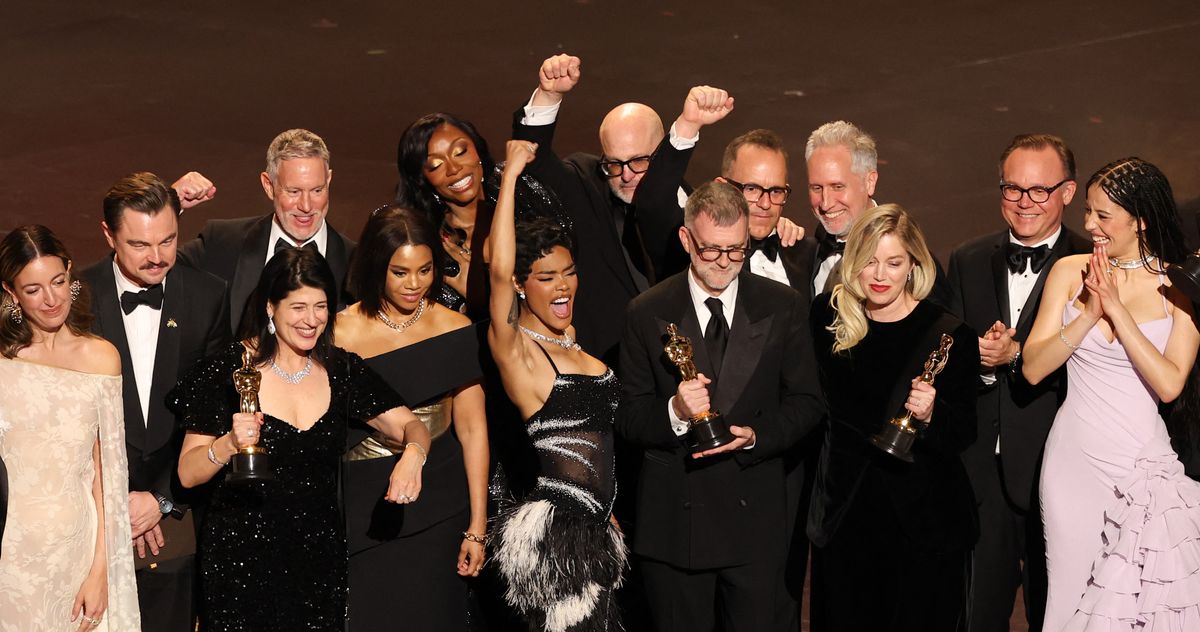
This breakdown looks at why Handler’s piece cut through the usual awards-season noise, what it says about Hollywood’s current mood, and how the “humanity” theme collided with the very inhuman mechanics of a global media spectacle.
Oscars 2026 in Context: “Humanity” in a Hyper-Managed Industry
By 2026, the Oscars sit in a strange cultural position. Ratings may never hit their ’90s peak again, but social media turns isolated moments—awkward speeches, memeable reaction shots—into instant discourse. The Academy’s choice of “humanity” as a theme lands right in the middle of competing pressures:
- Studios doubling down on safe franchises while insisting they’re still nurturing “personal stories.”
- Actors navigating intimacy coordinators, PR coaching, and NDAs while being asked to look “unfiltered” on camera.
- Audiences increasingly skeptical of sincerity, but still craving emotional connection from film and TV.
Handler leans into that tension immediately, describing Los Angeles kept at “the exact temperature of a morgue” during Oscars weekend. It’s a joke, but also a vibe: the city is engineered perfection, right down to the air, while everyone pretends spontaneity is just happening.
“There’s a noticeable chill in the air during this year’s Oscars weekend, by which I mean that every home, building, and car in Los Angeles is air-conditioned to the exact temperature of a morgue.”
The “Human” Oscars vs. a Walking Caviar Bar
The moment that encapsulates Handler’s entire piece arrives in four absurd words: “the walking caviar bar.” You can’t script a better metaphor for Hollywood’s relationship to relatability. On one hand, celebrities deliver tearful speeches about community, empathy, and “telling human stories.” On the other, servers literally glide around in wearable luxury food installations.
Handler’s reporting thrives on these juxtapositions. She’s not just pointing at excess and laughing; she’s quietly clocking how the industry wants to brand itself versus how it actually behaves when it thinks the cameras are pointed elsewhere.
It’s not a new contradiction—old Hollywood was built on selling glamour during the Great Depression—but in 2026, the gap feels freshly stark. With strikes, streaming layoffs, and algorithm anxiety reshaping the business, the caviar doesn’t just look decadent; it looks slightly out of time.
Overheard at the Oscars: Hollywood as a Series of Half-Sentences
One of Handler’s signatures is her “overheard” style: fragmentary exchanges, snatches of conversation, and odd one-liners that never fully resolve. It’s like scrolling through X (or whatever we’re calling it this quarter), but with better craft and far sharper curation.
- Publicists negotiating access with the subtlety of hostage negotiators.
- Actors pivoting from small talk to media training mid-sentence.
- Random guests trying—and failing—to sound nonchalant about being near A-listers.
These overheard bits are funny, but they’re also data points. They map how people in power talk when they assume nobody is formalizing it into copy. The effect is a kind of Hollywood group portrait, assembled from nervous laughter and stray anxieties.
Handler’s overheard snippets work because they resist easy punchlines. The jokes are there, but so is a low-grade dread: everyone in the room knows the ecosystem is changing, even if they’re still speaking in old-Hollywood code.
Rachel Handler’s Voice: Humor as Cultural Critique
Handler has quietly become one of Vulture’s most reliable chroniclers of celebrity culture, and this Oscars report shows why. Her tone balances affectionate exasperation with legitimate curiosity about how fame functions now.
Stylistically, she draws from a few overlapping traditions:
- New York mag scene reports – that longstanding house specialty of breezy, ultra-specific, slightly incredulous coverage of cultural events.
- Gossip-column lineage – tidbits and overheard bits that feel like blind items, minus the cruelty.
- Digital-era essayism – self-aware, referential, and constantly toggling between earnest and ironic.
Crucially, she avoids the two big traps of awards-season writing: she’s not reverent, but she’s also not above it all. The vibe is “I can’t believe this is happening, but also I fully live for this.”
Branding “Humanity”: Oscars, Authenticity, and the PR Machine
The real subject of Handler’s piece isn’t just the ceremony; it’s the performance of authenticity. The “human” theme gives nearly everyone—from the telecast producers to nominees—a shared script:
- Speeches foreground vulnerability, origin stories, and struggle.
- Presenters emphasize community, collaboration, and “the crew.”
- Backstage talking points stress humility and gratitude, even as stylists and brands jockey for attention.
Handler’s backstage vantage point catches the moments when this branding slips: the frantic logistics, the complaints about schedules, the intense focus on seating charts and camera angles. Humanity becomes both a theme and a commodity—something to be produced, polished, and distributed as content.

The tension isn’t unique to the Oscars—it’s baked into influencer culture, branded activism, even TikTok confessionals—but watching it play out at the industry’s oldest, shiniest ceremony makes it especially stark.
Strengths and Weaknesses of the Piece
Handler’s report is, by design, a vibe check rather than a comprehensive document. That gives it energy, but also some blind spots.
Where it shines
- Detail density: The piece is stacked with tiny, telling observations—dress malfunctions, odd party activations, fleeting expressions—that feel truer than any press release.
- Rhythm and pacing: Short, punchy paragraphs mimic the sensory overload of an awards night.
- Tonal control: It’s funny without being mean, skeptical without being nihilistic.
Where it’s limited
- Structural overview: Readers looking for a clear sense of who won what, Oscar trivia, or telecast analysis will need to pair this with a more traditional recap or IMDb’s Oscars event page.
- Broader industry stakes: The piece hints at labor issues, streaming wars, and changing audience habits, but doesn’t unpack them in depth—that’s not really its job, but it’s worth noting.
Cultural Significance: Why This Oscars Piece Hit a Nerve
The virality of Handler’s account says as much about us as it does about the Academy. We live in a moment where:
- People claim to be over awards shows, yet endlessly dissect every awkward second.
- “Relatable” celebrities are a marketing category, not a contradiction in terms.
- Audiences want both the myth and the making-of documentary at the same time.
Articles like this bridge those impulses. They let readers enjoy the fantasy—designer gowns, surreal parties, bizarre activations—while also acknowledging the artifice. It’s not a takedown; it’s a guided tour through a funhouse mirror version of our own obsession with status and attention.
How to Read This Oscars Piece in 2026 (and Beyond)
Read as a document of record, “Everything I Saw and Overheard at the ‘Human’ Oscars” captures an industry mid-pivot: still invested in ceremony and glamour, newly fluent in social-media-style self-awareness, and deeply unsure about its future business model.
Read as entertainment, it’s simply fun: a collection of sharp lines, surreal images, and the comfort of knowing that even the most famous people on earth spend their big night shivering in over-air-conditioned rooms, dodging canapés, and saying slightly strange things to strangers.
Either way, Handler’s piece is a reminder that the most revealing stories about Hollywood rarely happen on stage. They’re found in the margins—in the overheard, the awkward, the almost-forgotten details that make the world’s most polished spectacle feel, for a second, actually human.
To experience the full effect, read the original article on Vulture alongside a more straightforward winners list from a site like IMDb or the official Oscars site. The combination—facts plus vibes—is arguably the most honest way to watch the Academy Awards in 2026.
