
How Psychedelics Are Reshaping Neuroplasticity and the Future of Precision Psychiatry
This article explains how these compounds work in the brain, what clinical trials are showing, how technology is accelerating the field, and what ethical safeguards are needed as we move toward more personalized, evidence-based psychedelic-assisted care.
After decades of being pushed to the margins of medicine, psychedelic compounds are now at the center of some of the most closely watched trials in psychiatry. This renewed interest is not about recreational use; it is about whether, under strict medical supervision, these substances can unlock new forms of neuroplasticity and help people whose depression, post-traumatic stress disorder (PTSD), or addictions have not responded to existing treatments.
The convergence of neuroscience, psychotherapy, and digital health tools is giving rise to a new paradigm often called precision psychiatry: tailoring interventions to the biology, psychology, and life context of each person. Psychedelic-assisted therapy may become one of its most powerful—yet also most tightly regulated—tools.
Mission Overview: Why Psychedelics Are Back in the Lab
Modern psychedelic research has three interlocking missions:
- Clarify how psychedelic compounds reshape brain networks and promote neuroplasticity.
- Test whether short courses of psychedelic-assisted therapy can produce durable improvements in mental health conditions that are otherwise hard to treat.
- Develop precise, technology-enabled protocols so that any eventual clinical use is safe, standardized, and equitable.
“We’re not simply reintroducing psychedelics; we’re reinventing psychiatry with better tools, better data, and more humility about the brain’s capacity to change.” — Rick Doblin, PhD, founder of the Multidisciplinary Association for Psychedelic Studies (MAPS).
Background: From Prohibition to a New Scientific Wave
Psychedelic research flourished in the 1950s and 1960s, with early clinical work suggesting benefits for alcoholism, existential anxiety, and mood disorders. Concerns over uncontrolled use, methodological flaws, and political backlash led to strict legal controls in the 1970s, effectively freezing most clinical research for decades.
Around the early 2000s, a few academic centers—such as Johns Hopkins Center for Psychedelic and Consciousness Research and later the Imperial College London Centre for Psychedelic Research—restarted rigorous human studies under modern ethical and regulatory standards. Since then, phase II and phase III trials have reported promising results in:
- Treatment-resistant major depressive disorder.
- PTSD, especially in people who did not respond to conventional psychotherapy or medication.
- End-of-life existential distress in cancer and other serious illnesses.
- Certain substance use disorders, including alcohol and tobacco dependence.
The key difference today is the integration of:
- Strict dosing and monitoring protocols.
- Manualized psychotherapeutic support before, during, and after dosing (“preparation” and “integration”).
- Advanced imaging and computational tools to understand underlying brain changes.
Technology and Mechanisms: How Psychedelics Alter Brain Networks
Most classical psychedelics—psilocybin, LSD, DMT, and related compounds—exert their core effects through the serotonin 5‑HT2A receptor, which is richly expressed in cortical regions involved in self-reflection, sensory processing, and high-level cognition. MDMA is not a classic psychedelic but a so-called “entactogen”; it primarily releases serotonin, norepinephrine, and dopamine, with downstream effects on fear circuits, trust, and emotional processing.
Network-Level Effects: The Default Mode Network and Beyond
Neuroimaging studies using functional MRI (fMRI), magnetoencephalography (MEG), and positron emission tomography (PET) reveal that psychedelics transiently disrupt the brain’s typical network organization:
- Reduced integrity of the Default Mode Network (DMN): The DMN, associated with self-referential thought and rumination, becomes less tightly coupled. This disruption may underlie experiences of “ego dissolution” and decreased rigid negative self-talk.
- Increased global connectivity: Regions and networks that usually do not communicate strongly—such as sensory areas and higher-order association cortices—show increased functional connectivity.
- “Flattening” of the brain’s energy landscape: Computational work suggests that psychedelics reduce the energy barriers between neural states, enabling the brain to explore a wider variety of activity patterns.
“Under psychedelics, the brain enters a more entropic, flexible mode of functioning, which may allow entrenched pathological patterns to relax.” — Robin Carhart-Harris, PhD, neuroscientist and psychedelic researcher.
Cellular and Molecular Effects: Psychoplastogens and Neuroplasticity
A prominent hypothesis is that many psychedelics function as psychoplastogens: agents that rapidly enhance structural and functional neuroplasticity. Preclinical and in vitro studies have shown that:
- Psilocybin, LSD, and DMT can increase dendritic spine density in cortical neurons.
- They promote synaptogenesis—the formation of new synaptic connections.
- They upregulate genes associated with plasticity, such as BDNF (brain-derived neurotrophic factor).
The leading model is that psychedelic dosing opens a time-limited window of increased plasticity, during which psychotherapy, social interactions, and environmental inputs can reshape emotional and cognitive patterns more effectively than under baseline conditions.
Toward Precision Psychiatry: Data-Driven Personalization
Precision psychiatry aims to move beyond “one-size-fits-all” prescriptions toward interventions guided by biomarkers, digital phenotyping, and computational models. Psychedelics fit into this vision in several ways:
- Baseline brain patterns: fMRI or EEG signatures may predict who responds best to psychedelic-assisted therapy.
- Genetic and receptor profiles: Variants in serotonin receptors or metabolism enzymes may influence dosing and risk of adverse effects.
- Digital behavioral data: Smartphone-based mood tracking and passive sensing can characterize symptom trajectories before and after treatment.
Machine-learning models are increasingly used to:
- Identify subtypes of depression or PTSD that may benefit from psychedelic approaches.
- Detect early warning signs of adverse reactions during integration periods.
- Optimize timing and intensity of psychotherapy sessions around dosing days.
For clinicians and researchers who want to follow the latest developments in precision mental health, resources like the book “The Brain Health Book” by Dr. William Sears provide a readable overview of brain plasticity, lifestyle, and emerging interventions (not specific to psychedelics, but highly relevant background).
Clinical Landscape: Depression, PTSD, and Addiction
By early 2026, the evidence base for psychedelic-assisted therapies has grown substantially, though many indications remain under investigation and subject to regulatory review. Key areas include:
Psilocybin for Major Depressive Disorder
Multiple phase II and phase III trials have tested psilocybin-assisted therapy in treatment-resistant depression. A typical protocol includes:
- Several preparatory psychotherapy sessions.
- One or two high-dose psilocybin sessions (e.g., 20–30 mg) in a controlled setting with two trained facilitators present.
- Follow-up integration therapy across weeks to months.
Many participants show rapid reductions in depressive symptoms within days, with some maintaining remission or significant improvement for months. However, not everyone responds, and some experience transient anxiety, confusion, or challenging emotional content during sessions.
MDMA-Assisted Therapy for PTSD
MDMA-assisted therapy has shown encouraging results for severe, chronic PTSD. Unlike classical psychedelics, MDMA tends to:
- Reduce fear and hyperarousal while keeping the person emotionally engaged.
- Increase feelings of trust and safety, potentially enhancing therapeutic alliance.
- Allow traumatic memories to be revisited with less overwhelming distress.
These trials involve extensive screening, harm-reduction protocols, and emergency support. Discussions with regulators in several countries are ongoing regarding potential controlled medical access.
Psychedelics for Addiction and End-of-Life Distress
Early and mid-stage trials suggest that psilocybin-assisted therapy can help reduce:
- Alcohol use in people with alcohol use disorder.
- Tobacco smoking in long-term, treatment-resistant smokers.
- End-of-life anxiety and existential distress in people with advanced cancer.
These results are still being replicated and refined, but they highlight a consistent pattern: one or a few sessions, embedded in a strong psychotherapeutic framework, can have long-lasting psychological effects.
Safety, Screening, and Ethical Guardrails
Despite the excitement, psychedelic-assisted therapies are not risk-free and should never be self-experimented with for medical purposes. The emerging clinical standards emphasize:
- Rigorous screening: Excluding or taking extreme caution with individuals who have psychotic disorders, bipolar I disorder, or strong family histories of these conditions.
- Medical oversight: Monitoring cardiovascular status and interactions with medications such as SSRIs or MAOIs.
- Professional support: Ensuring that trained clinicians or therapists are present throughout dosing sessions and accessible during integration.
Clinical studies are conducted under strict regulatory and ethical oversight. Nothing in this article should be interpreted as medical advice or encouragement to use any controlled substance outside of approved research or medical settings.
Ethical frameworks also emphasize:
- Informed consent that clearly explains risks, uncertain long-term effects, and alternative treatments.
- Protection from exploitation, including robust policies against any form of abuse in vulnerable states.
- Respect for Indigenous knowledge, where many traditional cultures have long-standing relationships with plant-based psychedelics.
Mission Overview in Practice: A Typical Psychedelic-Assisted Protocol
While protocols vary across trials and compounds, a simplified structure of a psilocybin- or MDMA-assisted therapy program includes:
- Screening and medical evaluation (weeks −4 to −1):
- Comprehensive psychiatric and medical history.
- Physical exam, ECG, and laboratory tests where appropriate.
- Medication adjustments if necessary.
- Preparation sessions (weeks −2 to 0):
- Establishing trust with therapists.
- Clarifying intentions and goals for the session.
- Practicing grounding and emotion-regulation techniques.
- Dosing day(s) (week 0 and sometimes week 3–6):
- Controlled environment with calming music, eyeshades, and medical monitoring.
- Two trained facilitators present throughout.
- Non-directive support encouraging inner exploration.
- Integration sessions (weeks 1–12+):
- Making sense of the experience in the context of life and relationships.
- Translating insights into concrete behavioral changes.
- Ongoing tracking of symptoms, sleep, and social functioning.
Precision psychiatry research is exploring how digital tools—such as wearable devices, ecological momentary assessment apps, and encrypted telehealth platforms—can support integration and long-term follow-up.
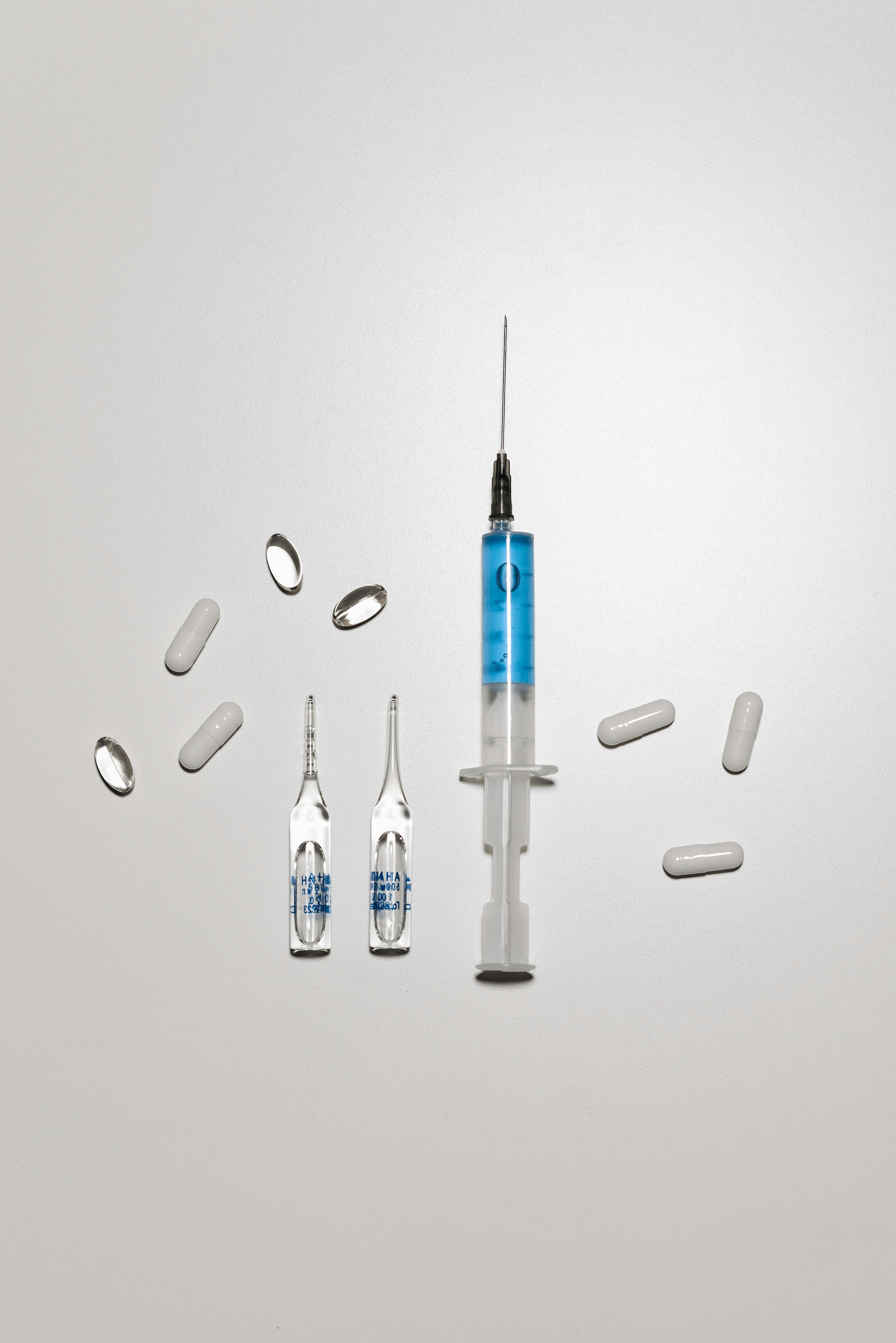
Visualizing the Psychedelic Brain and Clinical Setting


Scientific Significance: What Psychedelics Teach Us About the Brain
Beyond their therapeutic potential, psychedelics are powerful probes of consciousness and brain dynamics. They challenge several long-standing assumptions in psychiatry:
- Rapid-acting change: Significant symptom relief can sometimes occur within days, calling into question the notion that antidepressant effects must take weeks to emerge.
- State-dependent learning: Experiences during altered states can have lasting impact when properly integrated, highlighting the importance of state-dependent memory and plasticity.
- Network-level interventions: Instead of targeting one neurotransmitter chronically, transiently altering network dynamics may open a window for psychological reorganization.
These insights may guide future non-psychedelic interventions as well, such as non-invasive brain stimulation, neuromodulatory devices, or novel psychoplastogenic compounds with fewer perceptual effects.
Milestones: Key Developments up to 2026
Several milestones have brought psychedelics into mainstream scientific and public discussion:
- Publication of landmark psilocybin and MDMA-assisted therapy trials in high-impact journals.
- Formation of dedicated academic centers at Johns Hopkins, Imperial College London, UCSF, and other universities.
- Philanthropic and venture funding for clinical programs, drug development, and therapist training.
- Regulatory signals in some countries and U.S. states considering or implementing tightly controlled therapeutic access and decriminalization frameworks.
Public-facing education via podcasts, long-form journalism, and platforms like Huberman Lab on YouTube has further increased attention to neuroplasticity, sleep, light, and behavior—creating a receptive context for understanding why psychedelic plasticity windows might be so powerful.
Challenges: Hype, Equity, and Commercialization
The psychedelic renaissance faces serious challenges that will determine whether it becomes a sustainable part of precision psychiatry or a short-lived bubble:
- Overhype vs. evidence: Media narratives sometimes oversell early findings. Many trials are small, and long-term safety and effectiveness data are still emerging.
- Access and equity: Intensive therapeutic protocols can be expensive and time-consuming, risking a two-tier system where only affluent patients benefit.
- Commercial pressure: Patent strategies and for-profit clinic models may conflict with patient-centered care if not carefully regulated.
- Training and standards: A shortage of therapists trained in both trauma-informed care and psychedelic-specific protocols could limit quality and safety.
- Respecting traditional knowledge: Compounds like ayahuasca and peyote have deep cultural significance; commercialization must avoid appropriation and ecological harm.
“Our responsibility is to ensure that the science leads, not the hype. Vulnerable patients deserve rigorous evidence, not wishful thinking.” — Adapted from commentary in JAMA Psychiatry on emerging psychedelic therapies.
Tools, Training, and Further Learning
Clinicians, researchers, and informed lay readers who wish to better understand neuroplasticity and mental health can build a strong foundation using non-drug approaches first. For example, wearable devices that track sleep and heart rate variability, along with breathwork and mindfulness practices, are already widely accessible.
For people interested in tracking mood, sleep, and stress—skills that are central to any precision psychiatry approach—hardware such as the Fitbit Inspire 3 Health & Fitness Tracker can provide continuous, non-invasive data that supports lifestyle changes and clinical conversations. These tools do not involve psychedelics but align with the same data-driven mindset.
Professional organizations and courses, such as those offered by MAPS and various academic centers, are creating structured training pathways for licensed mental health professionals. Responsible, evidence-based education is essential to prevent unsafe or unethical practices.
Conclusion: A Careful Path Forward
Psychedelics, neuroplasticity, and precision psychiatry together point toward a future in which mental health treatment is more personalized, biologically informed, and psychologically deep. Early data suggest that, under carefully controlled conditions, psychedelic-assisted therapies may offer relief to some people who have exhausted other options.
At the same time, these compounds are powerful and not appropriate for unsupervised use or for everyone. Their safe integration into medicine will require:
- Robust, transparent research.
- Clear regulatory frameworks.
- Ethical, well-trained clinicians.
- Genuine engagement with communities historically affected by both mental illness and drug policy.
As the field evolves, ongoing dialogue among scientists, clinicians, policymakers, patients, and Indigenous knowledge holders will be crucial to realizing potential benefits while minimizing harms.
Additional Resources and Practical Takeaways
For Readers Seeking Deeper Scientific Insight
- Follow leading labs and researchers on professional networks such as LinkedIn and X/Twitter for updates on clinical trials and mechanistic work.
- Explore open-access lectures and panel discussions from conferences like the INSIGHT conference on psychedelic science.
- Watch explanatory videos from trusted educators on YouTube, including channels that focus on neuroscience, trauma, and psychotherapy.
Evidence-Based Mental Health Steps You Can Take Now (Without Psychedelics)
- Prioritize sleep, light exposure, movement, and social connection, all of which strongly influence neuroplasticity.
- Engage in structured psychotherapy (e.g., CBT, ACT, trauma-focused therapies) with licensed professionals.
- Use digital tools to track mood and behavior, bringing this data to medical or psychological appointments.
- Discuss any interest in emerging treatments with your healthcare provider; do not self-medicate with controlled substances or unregulated products.
References / Sources
Selected reputable sources for further reading:
- Johns Hopkins Center for Psychedelic and Consciousness Research
- Imperial College London – Centre for Psychedelic Research
- Multidisciplinary Association for Psychedelic Studies (MAPS)
- JAMA Psychiatry – Psychedelics research articles
- New England Journal of Medicine – Selected clinical trials on mood disorders
- Nature Neuroscience – Mechanistic studies on plasticity and network dynamics
- PubMed – Searchable database for clinical and preclinical psychedelic research
