
How Hozier, Jessie Buckley & Bruce Springsteen Are Honoring Shane MacGowan in a Star‑Studded Tribute
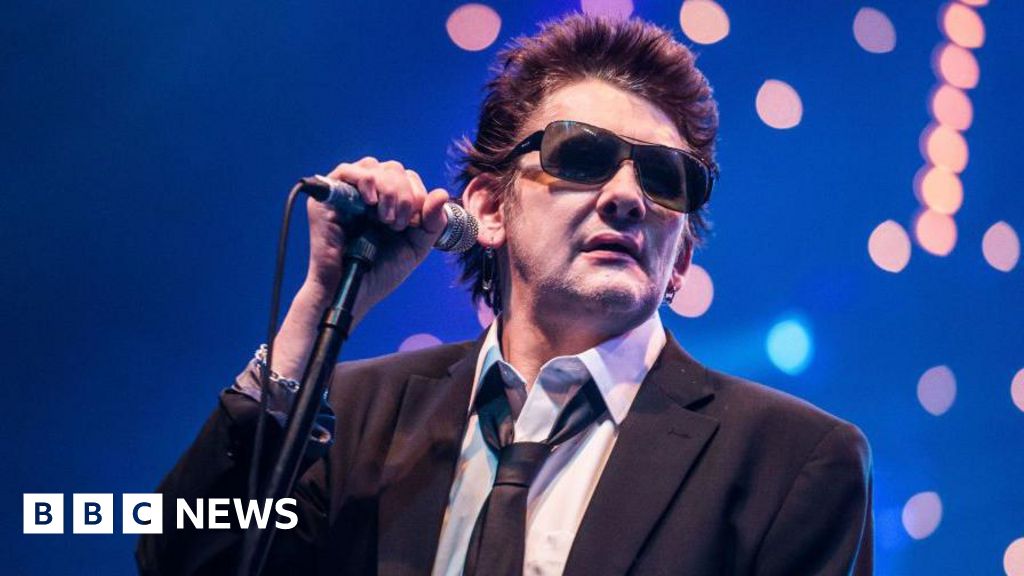
A new Shane MacGowan tribute album is on the way, with Hozier, Jessie Buckley and Bruce Springsteen among the artists stepping up to salute the late Pogues frontman. The project, which also features Primal Scream, David Gray, Johnny Depp and Kate Moss, isn’t just a roll call of famous names—it’s a snapshot of how deeply MacGowan’s songs have seeped into rock, folk and pop culture across decades.
Why a Shane MacGowan Tribute Album Matters Now
Since Shane MacGowan’s death in late 2023, there’s been a renewed effort to place him where many musicians always felt he belonged: alongside the great modern songwriters, not just as the guy who wrote “Fairytale of New York,” but as a poet of exile, drink and defiance. A tribute album gathering Hozier’s soulful intensity, Jessie Buckley’s theatrical emotional range and Bruce Springsteen’s blue-collar gravitas feels less like an industry exercise and more like a wake that turned into a concept record.
From The Pogues to Global Icon: The Legacy Being Honored
For anyone who came of age with The Pogues, MacGowan isn’t just an Irish songwriter; he’s practically a genre. He fused punk’s sneer with traditional Irish instrumentation long before “folk-punk” was a marketing term, writing songs that sounded like they’d been sung in pubs for a century even when they were barely a week old.
His best work—tracks like “A Pair of Brown Eyes,” “The Broad Majestic Shannon,” and the perennial “Fairytale of New York”—sits at the crossroads of gutter realism and bruised romanticism. That’s exactly the terrain where artists like Hozier and Springsteen are most comfortable, which makes their presence on a tribute album feel less like stunt casting and more like a natural extension of MacGowan’s musical family tree.
“As I left, I thanked him for his beautiful work, his music, his songs, his life. I stood in his warmth, kissed him and…”
That recollection—shared by a visiting artist in the days when MacGowan was already unwell—captures why this album matters. It’s not only about influence; it’s about affection.
The Line-Up: Hozier, Jessie Buckley, Springsteen and an Eclectic Cast
The BBC-confirmed line-up reads like the world’s strangest festival bill in the best possible way. Alongside Hozier, Jessie Buckley and Bruce Springsteen, the tribute album will include contributions from:
- Primal Scream – veterans of the indie and dance-rock crossover era
- David Gray – the late-’90s singer-songwriter whose White Ladder quietly reshaped UK pop-folk
- Johnny Depp & Kate Moss – long-time MacGowan admirers and fixtures of the ‘90s London orbit he influenced
On paper, it’s an unruly mix: Americana royalty (Springsteen), Irish art-pop (Hozier), a classically trained actor-singer (Buckley), and Britpop-adjacent alt-rockers (Primal Scream). In practice, that disparity tracks perfectly with MacGowan’s reach. His songs were the kind that showed up equally in student bedsits, dive bars and Christmas playlists.

How Might They Sound? Reading Between the (Liner) Notes
Details on the track list are still emerging, but it’s not hard to sketch out some likely pairings based on vocal texture and lyrical sensibility:
- Hozier – His gospel-blues approach is tailor-made for MacGowan’s darker hymns. Imagine the spiritual heft he brought to “Take Me to Church” applied to something like “The Old Main Drag” or “If I Should Fall from Grace with God.”
- Jessie Buckley – Buckley’s performances in Wild Rose and on stage have proven she can move from fragile to ferocious in a verse. A song like “Lullaby of London” could turn into a full-blown theatrical lament in her hands.
- Bruce Springsteen – Springsteen has long gravitated towards stories of working-class struggle and flawed dreamers. His affection for Irish folk is well documented, and his gravelly storytelling would suit a narrative piece like “A Rainy Night in Soho.”
Primal Scream’s presence suggests at least one track will lean into the Pogues’ more chaotic punk side, while David Gray is likely to smooth out a ballad, bringing a late-night, coffee-and-quiet-lamp feel to a song that once sounded like it belonged in a crowded bar.
Beyond Nostalgia: MacGowan, Irish Identity and Rock’s Memory
Tribute albums can easily slip into heritage-rock cosplay—polished covers that flatten what made the originals strange. MacGowan’s work resists that. His songs are steeped in the messiness of Irish history and diaspora: migration, sectarian tensions, the romance and damage of drink, the push-pull between home and elsewhere.
Bringing in artists like Buckley and Hozier—contemporary Irish voices who operate in a global pop ecosystem—connects MacGowan’s generation to a younger cohort that’s now wrestling with its own questions of identity and belonging. Meanwhile, a figure like Springsteen effectively cosigns MacGowan’s place in the broader canon of working-class rock storytellers.
“He was not well but he and his wife, Victoria, proved warm and gracious hosts.”
That memory, widely circulated after MacGowan’s death, reinforces something long understood in musician circles: behind the notorious image was a deeply engaged, generous artist who recognized songwriting as a communal act. This album continues that communal work.
Potential Strengths and Pitfalls of the Tribute Album
Even without a full track list, some likely strengths are clear:
- Vocal firepower: Hozier, Buckley and Springsteen are all interpretive singers who understand narrative, which is crucial for MacGowan’s story-driven writing.
- Genre breadth: From folk and Americana to indie rock, the line-up reflects the many ways MacGowan’s music travels.
- Renewed discovery: Casual listeners who only know “Fairytale of New York” may finally dig into deeper cuts.
There are also obvious risks:
- Over-polishing the rough edges: MacGowan’s performances were rarely “perfect” in a technical sense. Too much studio gloss could sand off what made the songs emotionally volatile.
- Celebrity overshadowing the songs: With names like Johnny Depp and Kate Moss involved, there’s always a chance headlines focus more on cameos than on MacGowan’s writing.
- Balancing tone: The album needs to honor the sadness of his passing without becoming a dirge; MacGowan’s own work held humor and fury alongside sorrow.

What to Watch For: Release Details and Early Reactions
At the time of writing, full release details, including exact track sequencing and producer credits, are still rolling out through outlets like the BBC and label announcements. What’s clear is that this isn’t a quick cash-in; many of the involved artists had personal connections to MacGowan or have publicly cited him as a formative influence.
Early industry chatter suggests a mix of faithful renditions and more radical reworks, which is likely to divide listeners. Purists may prefer the ragged glory of the originals, while newer fans might come in through a polished reinterpretation and then work backwards to The Pogues’ discography.

A Living Wake on Record
If MacGowan’s songs taught anything, it’s that joy and ruin sit uncomfortably close together. A tribute album that brings Hozier, Jessie Buckley, Bruce Springsteen and a cast of admirers into the same gravitational field has the potential to feel like a living wake—stories retold, verses reshaped, old lines suddenly sounding new.
The real test will be whether these versions send listeners back to the source, tracing the path from glossy modern recordings to the crackling, off-kilter originals. If they do, then this project will have done more than pay respect; it will have extended MacGowan’s restless, generous influence into another musical generation.
