Hip-Hop Mourns Lord Sear: Eminem’s Longtime DJ and Radio Icon Dies at 53
Remembering Lord Sear: The Voice Between the Records
Veteran hip-hop DJ and Eminem collaborator Lord Sear, a key voice on Shade 45 and a cult figure in underground rap radio, has died at 53, prompting an outpouring of tributes from artists and fans who grew up on his raspy humor and uncompromising taste. His death marks the loss of a pivotal bridge between 90s New York mixtape culture and modern satellite radio, and raises bigger questions about how hip-hop remembers its behind-the-scenes architects.
News of Lord Sear’s passing surfaced via reports from TMZ and was quickly amplified across social media, where Eminem and others in the Shade 45 orbit shared memories of a man who was as much a personality as a DJ. For a generation of fans, Sear wasn’t just the guy playing records — he was the commentary, the chaos, and the culture in between the songs.
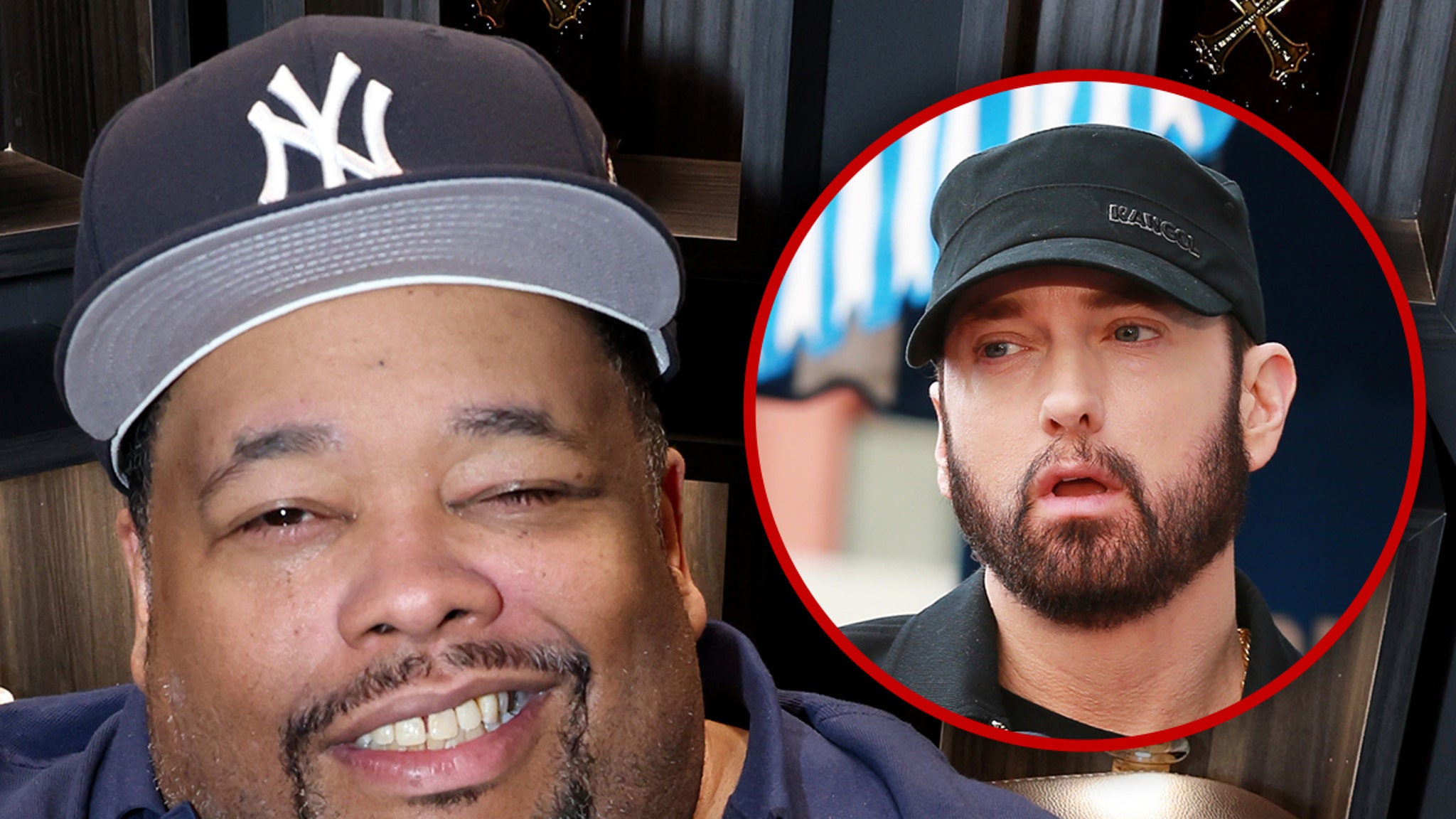
Who Was Lord Sear? From NYC Mixtapes to Shade 45
For casual listeners discovering his name through headlines, Lord Sear might just sound like “Eminem’s DJ.” In reality, he was part of a longer lineage of New York radio eccentrics whose job was less about being polished and more about being unforgettable.
Emerging in the 1990s, Sear operated in the same general ecosystem as Stretch & Bobbito, Funkmaster Flex, and Kay Slay — DJs who turned late-night radio into a proving ground. His reputation grew off:
- Unfiltered, often comedic on-air banter
- A sharp ear for underground and East Coast hip-hop
- Mixtapes and guest spots that circulated through New York’s rap circuits
When Eminem launched his SiriusXM channel Shade 45 in 2004, recruiting Sear wasn’t just about having a DJ; it was about importing a slice of authentic New York radio culture into satellite. Lord Sear’s shows had that scrappy, off-the-cuff energy that predated playlists and algorithms.

Lord Sear & Eminem: The Shade 45 Era
On Shade 45, Lord Sear became more than a background presence. He helped define the station’s personality: irreverent, East Coast leaning, and unapologetically inside-baseball about rap.
While Eminem’s name and catalog drew listeners in, it was hosts like Sear who kept the station feeling human. He brought:
- Comic timing that made awkward interviews entertaining rather than painful
- Deep-cut knowledge of New York and underground artists
- Listener rapport built through call-ins, running jokes, and unpredictable rants
“Sear wasn’t just part of the station, he was part of the DNA. We lost a real one.” – Eminem, in a social media tribute following Lord Sear’s death
Eminem understood that for Shade 45 to feel like a real station, not just a branded playlist, it needed characters. Lord Sear was one of the most distinctive — the guy who could clown a guest, big up a new MC, and still make you feel like you were in on the joke.

Cultural Impact: The DJ as Gatekeeper and Instigator
In an era before every artist could break a song on TikTok, figures like Lord Sear functioned as informal gatekeepers. If your record landed on his radar, it could reach a national audience of rap obsessives already primed to care.
His impact can be understood across a few lanes:
- Curator of underground voices – Sear was known to champion less-polished MCs whose work might not have fit mainstream playlists but resonated with core heads.
- Bridge between eras – Coming from the 90s street mixtape world but thriving on satellite radio, he connected analog traditions to the digital age.
- Personality-driven radio – In a time moving toward algorithmic curation, his shows were stubbornly, defiantly human.
Critics and fans alike often described Sear in terms reserved for cult figures: not clean-cut, not universally loved, but deeply influential to those tuned into his frequency.
“He sounded like your loud cousin who never left the block but somehow knew every record that mattered.” – Anonymous listener comment on a Shade 45 tribute thread

Strengths, Flaws, and the Complicated Legacy of a Radio Legend
Like many radio icons, Lord Sear’s appeal was tightly linked to qualities that could also put some listeners off. His on-air persona was messy by design — that was the point.
What Made Lord Sear Stand Out
- Unfiltered honesty: He didn’t pretend to like records he didn’t respect, which gave his co-signs extra weight.
- Comic sensibility: The jokes, roasting, and running gags turned background listening into appointment radio.
- Community feel: Regular callers and recurring guests created a sense of an extended on-air family.
Where He Could Be Polarizing
- Rough edges on-air: His confrontational humor and willingness to push boundaries didn’t land for everyone and could feel abrasive outside the context of hip-hop radio norms.
- Inside-baseball energy: Newer or more casual listeners could sometimes feel like they were dropping into a conversation mid-argument with no context.
Still, in hip-hop spaces, those very traits are often read as markers of authenticity. The mourning around his death suggests that, whatever disagreements existed, his importance to the culture is not in question.

Industry Tributes and How Hip-Hop Remembers Its Architects
As news of Lord Sear’s passing spread, social feeds filled with memories from DJs, rappers, and long-time listeners. Eminem’s own tribute anchored much of the coverage, but it was the smaller, more personal anecdotes that painted the clearest picture: Sear cracking jokes off-air, putting local artists onto bigger platforms, or giving blunt feedback that sometimes stung but usually helped.
This reaction also highlights a recurring tension in hip-hop history: marquee stars are documented exhaustively, but many of the DJs, producers, and radio personalities who made those stars possible often get their flowers only after they’re gone.
“He was one of those guys you thought would just always be there, talking wild on the radio. Now that voice is gone, and you realize how rare it was.” – Hip-hop journalist reacting to Lord Sear’s death
In that sense, the coverage around Lord Sear’s death doubles as a reminder to document and celebrate the “supporting cast” of hip-hop while they are still here: the DJs who break the records, the hosts who ask the risky questions, the curators who build the bridge between artists and audiences.
After Lord Sear: Preserving Hip-Hop’s Radio History
Lord Sear’s death at 53 is a sobering milestone for a culture that’s only just beginning to fully archive its own past. The mixtape era he came from was notoriously under-documented, and much of the best Shade 45 material lived in the moment — on long drives, late-night shifts, and random replays caught by chance.
Moving forward, his passing raises practical questions: How do stations like Shade 45 preserve and re-share those classic segments? Can independent archivists and fans collaborate with platforms to keep this history accessible? And more broadly, how does hip-hop carve out space in its memory not just for the superstars, but for the voices who framed the soundtrack?
For now, the tributes make one thing clear: Lord Sear wasn’t simply Eminem’s DJ. He was a radio character in the truest sense — flawed, funny, passionate, and deeply woven into the way a generation experienced hip-hop on the airwaves. Remembering him properly means not only playing the records he broke, but also keeping alive the unruly, human energy he brought to every mic he touched.