
How Exercise Triggers Powerful ‘Brain Ripples’ to Boost Your Memory
Exercise doesn’t just tone your muscles – it literally changes the way your brain fires. New research shows that physical activity can trigger brief bursts of electrical activity, called memory-related “brain ripples”, that may help your brain store and organize experiences more effectively.
If you’ve ever noticed you think more clearly after a walk, or that a tough concept finally “clicks” after a workout, you’re not imagining it. Scientists are now observing, in real time, how movement and memory are tightly linked at the level of brain cells.
In this article, we’ll explore what these brain ripples are, what the latest study suggests, and how you can use practical, doable exercise habits to support your memory and long‑term brain health—without needing to become a marathon runner.
The Challenge: Staying Sharp in a Distracting, Sedentary World
Many people worry about memory: forgetting names, losing track of tasks, or struggling to recall what they just read. At the same time, modern life nudges us toward sitting—at desks, in cars, and on the couch—far more than our brains evolved for.
Research over the past decade has consistently linked long periods of physical inactivity with reduced cognitive performance and a higher risk of age‑related decline. Yet knowing we should move more doesn’t necessarily make it easier to fit exercise into real lives filled with work, family, stress, and fatigue.
- Time feels scarce.
- Workouts can seem intimidating or complicated.
- Results on memory and focus can feel vague or distant.
That’s where this new research on exercise‑triggered brain ripples is helpful: it offers a clearer, more concrete picture of what even simple movement may be doing inside your head.
A Look Inside the Active Brain
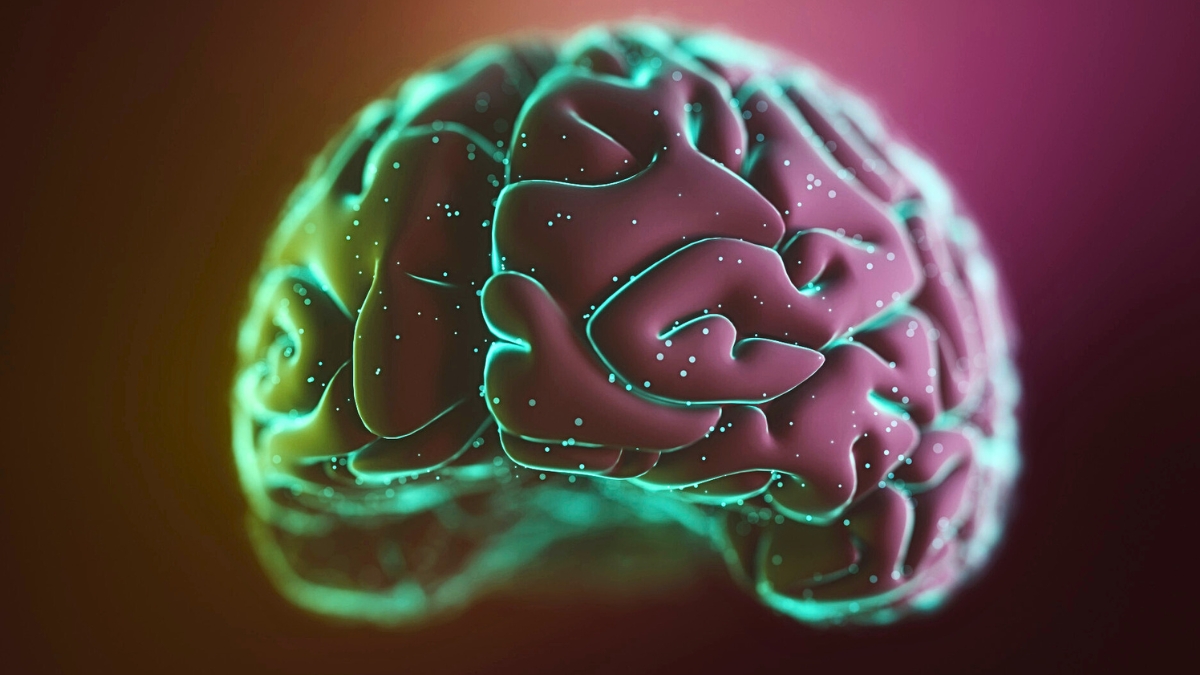
When you move, your heart pumps more blood and oxygen to the brain. But circulation is only part of the story. Deep structures involved in forming memories, especially the hippocampus, change their firing patterns in response to exercise.
These patterns are not random noise: they occur in brief, organized bursts that neuroscientists can measure with sensitive recordings. The latest findings suggest that these bursts—or ripples—may be one mechanism by which a simple walk or bike ride sets the stage for better memory.
What Are Memory-Related “Brain Ripples”?
In brain science, “ripples” usually refer to very fast oscillations (often called sharp‑wave ripples) in the hippocampus—a brain region critical for forming and replaying memories. These ripples tend to show up when:
- You’re resting quietly after learning something.
- You’re in light sleep or deep thinking states.
- Your brain is “replaying” experiences to consolidate them into longer‑term storage.
“Hippocampal sharp‑wave ripples are thought to support memory consolidation by replaying neural activity patterns that occurred during waking experience.”
– Based on converging findings from hippocampal physiology research
The new exercise study builds on this body of work by showing that physical activity doesn’t just lead to better memory in a vague way—it appears to increase the occurrence or strength of these ripples, potentially giving your brain more chances to solidify what you’ve learned.
Inside the Study: How Exercise Triggers Brain Ripples
As of early 2026, research continues to show that exercise can enhance learning and memory across species, from rodents to humans. The latest ripple‑focused work typically involves:
- Recording brain activity in the hippocampus during and after exercise (such as running on a wheel or treadmill in animal models, and non‑invasive methods like EEG or fMRI in humans).
- Pairing movement with learning tasks, such as navigating mazes, remembering spatial layouts, or memorizing word lists.
- Analyzing ripple events to see how often they occur and how they relate to task performance.
Across these studies, a pattern emerges:
- Exercise is associated with more robust hippocampal activity.
- Increased ripple activity often follows periods of movement and learning.
- Animals and humans who show stronger ripple‑related patterns tend to perform better on memory tasks.
One key idea is that exercise creates a “fertile ground” in the brain: more growth factors, more plasticity, and more opportunities—via ripples—for your brain to replay and strengthen new circuits.
While not every detail is settled, the take‑home message is consistent with other major reviews: regular, moderate physical activity is one of the most reliable lifestyle habits linked with healthier brain aging and better day‑to‑day cognition.
Beyond Ripples: How Exercise Supports Brain Health
Brain ripples are one piece of a larger puzzle. Regular movement supports your brain through several overlapping mechanisms:
- Improved blood flow: More oxygen and nutrients reach brain tissue, which is critical for high‑demand areas involved in concentration and memory.
- Growth factors: Exercise boosts chemicals like BDNF (brain‑derived neurotrophic factor), which help support the growth and survival of neurons.
- Neurogenesis: Some forms of exercise, especially aerobic activity, have been linked with the birth of new neurons in the hippocampus in animal models.
- Stress regulation: Movement can reduce chronic stress and improve sleep—both known to strongly influence memory and attention.
- Better mood: Feeling more energized and less anxious often makes it easier to stay engaged, learn, and remember.
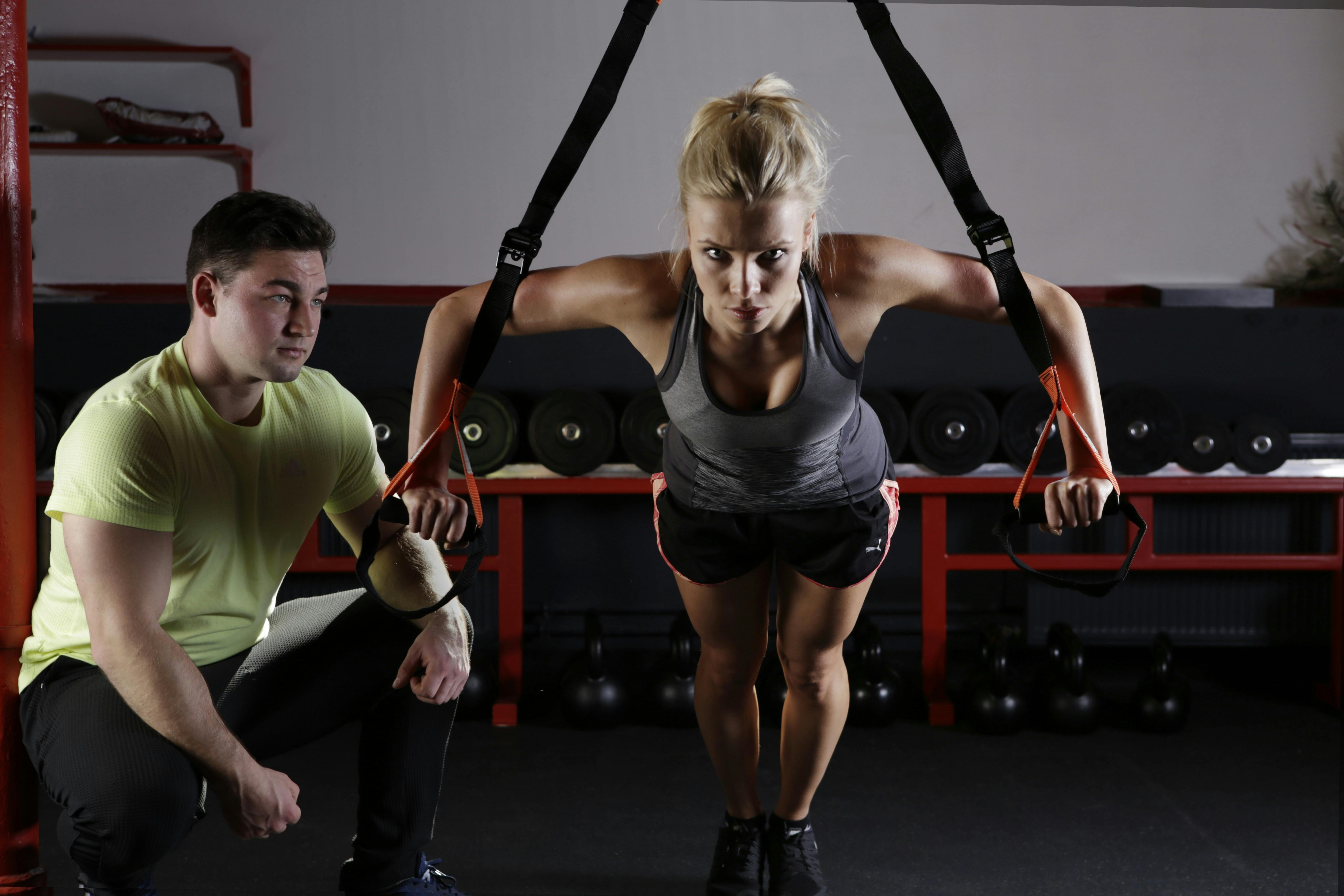
Importantly, you don’t need intense, punishing workouts to benefit. Most studies find meaningful brain and memory changes with regular, moderate‑intensity activity you can sustain over months and years.
Turning Science Into Practice: How to Move for Better Memory
Translating lab findings into daily life can feel confusing. To make it easier, here’s a practical, evidence‑informed framework you can adapt to your own abilities and preferences.
1. Aim for Consistency Over Intensity
Many of the strongest brain benefits show up when people move most days of the week, not just in rare heroic bursts.
- Target: about 150–300 minutes per week of moderate‑intensity aerobic activity (like brisk walking), as recommended by major health organizations.
- Break it up: 20–30 minutes on most days, or even shorter 10‑minute bouts spread throughout the day.
2. Pair Learning With Movement
Because ripples help consolidate what you’ve learned, it may be especially helpful to:
- Study, attend a lecture, or practice a skill.
- Follow it with 10–20 minutes of light to moderate movement (such as walking or cycling).
- Allow a short period of quiet rest afterwards to let your brain process.
This “learn → move → rest” sequence mirrors what researchers observe in animals: experience, then physical activity, then ripple‑rich rest periods where memories consolidate.
3. Mix Aerobic Exercise With Strength and Balance
While most ripple research focuses on aerobic movement, whole‑body health supports long‑term brain health too.
- Aerobic: walking, cycling, swimming, dancing.
- Strength: body‑weight exercises, resistance bands, or weights 2–3 times per week.
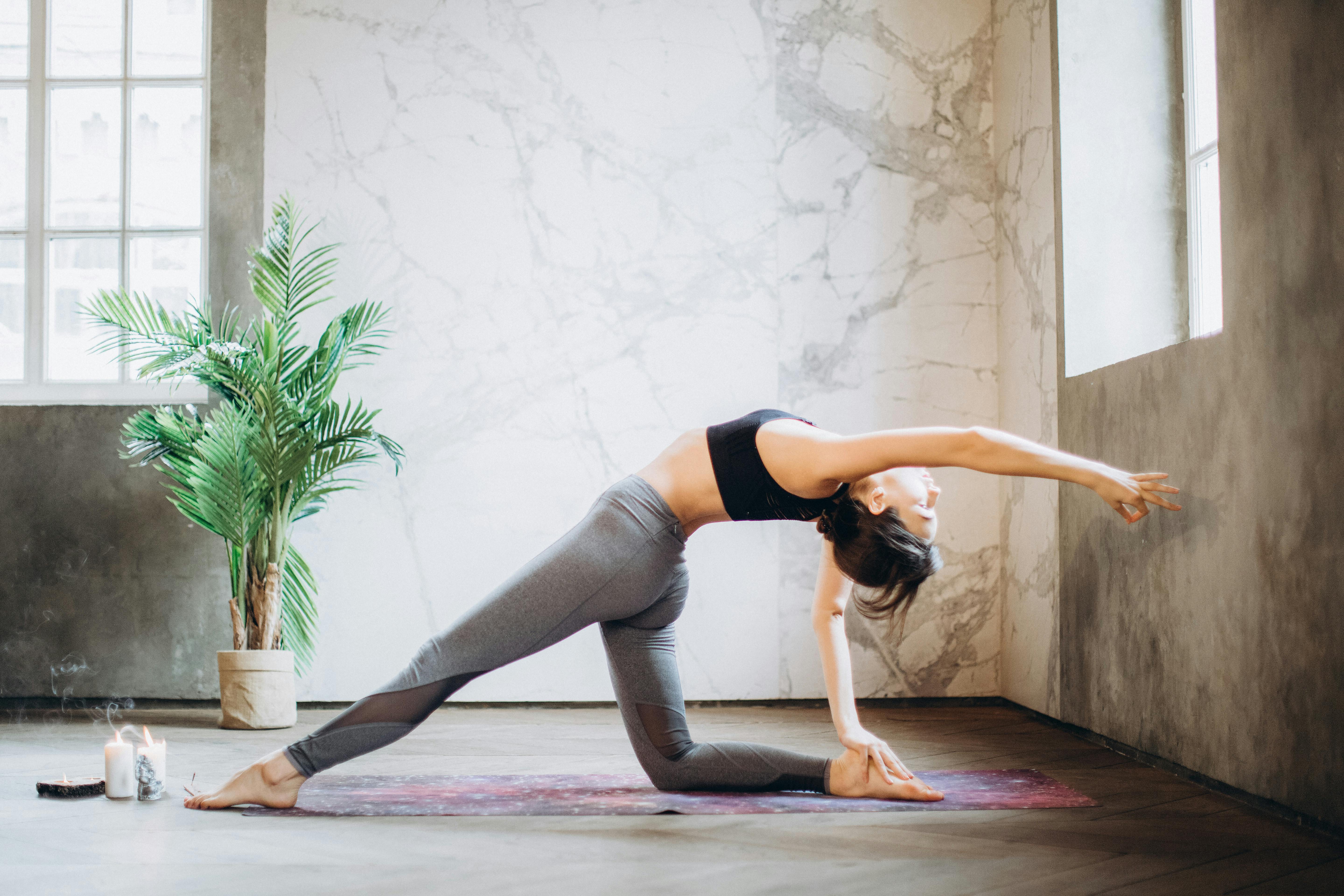
- Balance & coordination: yoga, tai chi, or simple single‑leg balance drills.
4. Start Where You Are
If you’re currently sedentary, even small increases in movement can matter. For some people, the first “brain‑healthy workout” is simply standing and walking around the room every hour.
Overcoming Common Obstacles to Brain‑Boosting Exercise
Knowing that exercise triggers beneficial brain activity is motivating, but life still gets in the way. Here are some frequent hurdles and realistic ways around them.
“I Don’t Have Time.”
- Use “movement snacks”: 5–10 minutes of walking after meals or calls.
- Walk during audio meetings or while listening to recorded lectures.
- Set a recurring reminder for a 10‑minute walk after a focused work block.
“I’m Too Tired or Stressed.”
Fatigue and stress are real. The key is to think “gentle activation,” not “punish myself at the gym.”
- Try a 5‑minute slow walk outdoors with deep, relaxed breathing.
- Use stretching or light yoga in the evening to unwind.
- Remember: low‑intensity movement can still support blood flow and mood.
“I Start Strong and Then Quit.”
Consistency is tough for almost everyone. In coaching settings, the people who succeed tend to:
- Set very small, specific goals (like “walk 10 minutes after lunch, 3 days a week”).
- Attach movement to existing habits (after coffee, after work, after class).
- Track streaks on a calendar or app to see progress.
“In my work with older adults worried about memory, the most successful plans were the simplest: short daily walks, light strength training twice a week, and gentle accountability from a friend or group.”
– Case reflection from health coaching practice
A Realistic “Before and After”: What Changes Can You Expect?
It’s important to be honest: exercise is not a magic switch that instantly fixes memory. Changes in brain structure and function usually unfold over weeks to months. However, many people do notice a meaningful shift in how they feel and think.

In practice, people who add consistent movement often describe:
- More mental “freshness” in the afternoon.
- Easier recall of recent conversations or reading.
- Better sleep, which indirectly boosts memory.
- Increased confidence about taking care of their brain as they age.
A 4‑Week Gentle Plan to Get Your Brain Moving
Here’s a simple, flexible framework you can adapt. The goal isn’t perfection—it’s building a habit your brain can count on.
- Week 1: Notice and Nudge
- Add one 10‑minute walk on 3 days this week.
- Place it after something you already do (like lunch).
- Week 2: Add a Learning Pair
- Choose one task that requires focus (studying, reading, practicing a language).
- Afterward, do 10–15 minutes of light movement to support ripple‑related consolidation.
- Week 3: Include Light Strength Work
- Twice per week, add 2–3 sets of simple body‑weight moves (like sit‑to‑stand from a chair, wall push‑ups, or heel raises).
- Keep the effort comfortable; focus on form and breathing.
- Week 4: Fine‑Tune and Personalize
- Adjust timing, duration, and intensity based on how your body and brain feel.
- Consider inviting a friend or family member to join for accountability.

Bringing It All Together: Your Next Small Step
The emerging science of exercise‑triggered brain ripples adds a fascinating layer to what we already knew: your brain is not fixed, and your daily choices matter. Movement doesn’t just change your muscles—it changes how your neurons fire, how memories are replayed, and how resilient your mind can become over time.
You don’t need to understand every technical detail to benefit. What matters most is finding forms of movement you can return to regularly—walks, dancing, cycling, gentle strength training—and letting them become part of how you care for your future self.
A simple starting challenge: This week, choose one learning task and follow it with a 10‑minute walk. Notice how your focus and recall feel over the next day. Then build from there.
