
The Under-the-Radar Flu-Like Virus Rising This Year (And How to Protect Your Family)
Flu season might be winding down, but for many people, the coughs, fevers, and tissue boxes are still hanging around. Over the last few months, doctors have been seeing a rise in a flu-like respiratory illness you may not have heard of—one that acts a lot like the flu, but has no specific vaccine or targeted treatment yet.
If you or your family have been sick more than once this winter, you’re not alone. Many clinics are reporting patients who test negative for flu and COVID-19, yet feel just as miserable. This article breaks down what we currently know about this emerging virus, how to recognize it, who’s most at risk, and what you can realistically do to protect yourself.
The goal here isn’t to scare you—it’s to give you clear, actionable information so you can make calmer, more confident choices about your health.

What Is This “Flu-Like” Illness That’s Suddenly Rising?
Over recent winters, physicians and researchers have been tracking increased activity from a less familiar respiratory virus that can look and feel very similar to the flu. While the widely reported culprits are usually influenza, RSV, and COVID-19, this virus has been quietly contributing to:
- Prolonged cough and congestion that outlast typical colds
- Flu-like fevers and body aches with negative flu tests
- Clusters of illness in families and classrooms
Because testing for this particular virus is not yet routine in many outpatient clinics, it’s often labeled as a “viral upper respiratory infection” or “flu-like illness.” That can be frustrating—you feel lousy, but you walk away without a clear name or explanation.
“We’re seeing more patients who are clearly quite sick, yet they’re negative for flu and COVID. Some of that gap is likely explained by under-recognized respiratory viruses that we simply don’t test for routinely.”
— Infectious disease specialist, academic medical center (2025 commentary)
While the exact virus highlighted in recent news reports can vary by region and season, the pattern is similar: a respiratory virus with no dedicated vaccine or antiviral, spreading more widely than most people realize.
Key Symptoms: How This Illness Mimics (and Differs From) the Flu
One reason this virus flies under the radar is that its symptoms overlap heavily with other respiratory infections. Most people describe it as “having the worst cold of the season” or “a flu that won’t quit.”
Common symptoms reported
- Fever or feeling feverish/chilled
- Dry or productive cough
- Runny or stuffy nose
- Sore throat
- Headache and body aches
- Fatigue or “wiped out” feeling
- Occasionally mild shortness of breath or chest tightness
How it may differ from typical seasonal flu
- Longer cough duration: Cough can linger for 2–4 weeks, even after fever resolves.
- Less abrupt onset: Symptoms may ramp up gradually over several days instead of hitting “like a truck” in 24 hours.
- More congestion: Nasal symptoms and sinus pressure can be more pronounced.
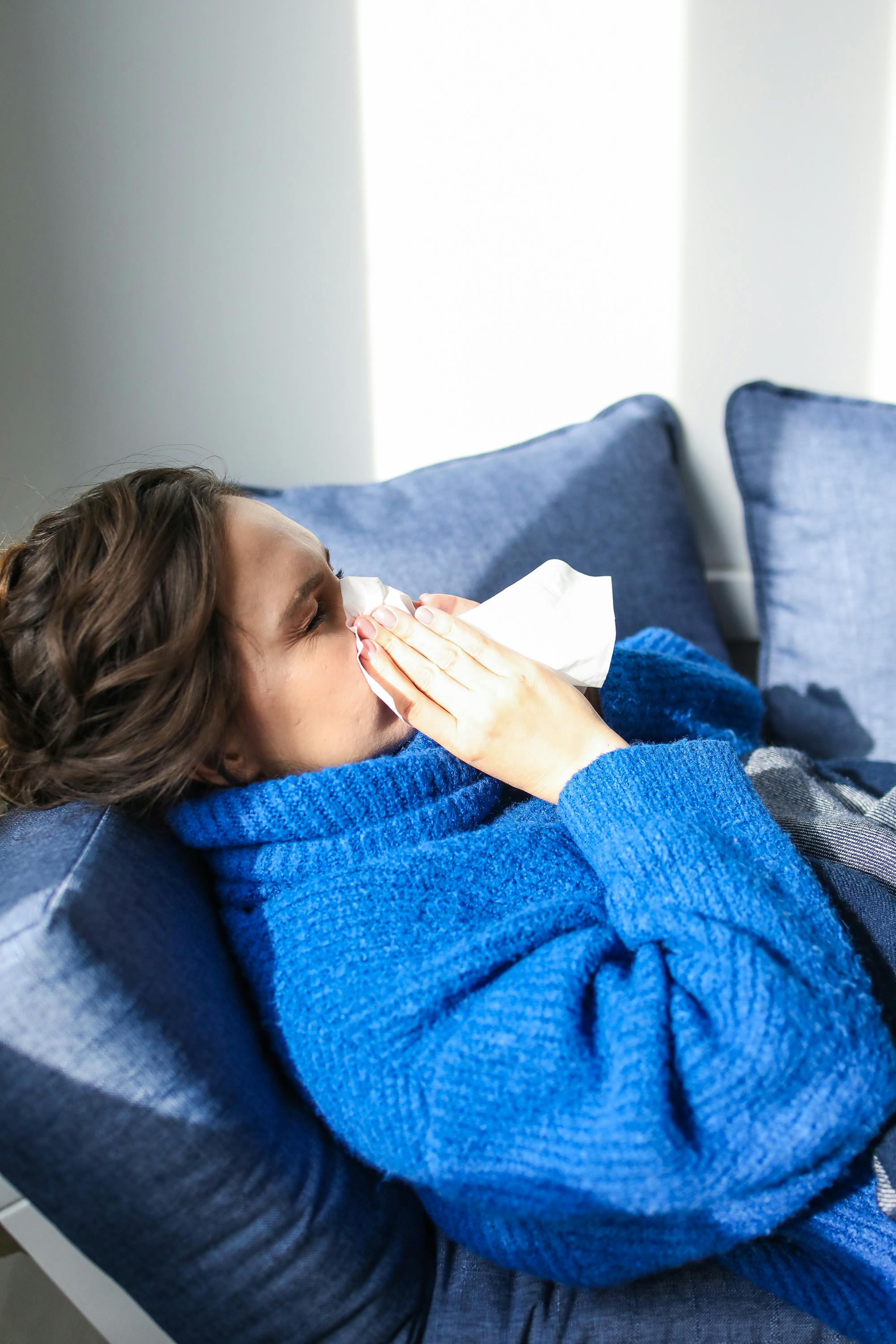
How Is This Virus Spreading Now That Flu Season Is “Over”?
Respiratory viruses don’t read calendars. Even as classic flu activity starts to decline, other viruses can surge—especially in:
- Schools and daycare centers
- Nursing homes and assisted-living facilities
- Workplaces with shared indoor spaces
- Households where one sick person passes it to others
Like most cold and flu viruses, this illness spreads primarily through:
- Respiratory droplets and aerosols when an infected person coughs, sneezes, talks, or even breathes heavily indoors.
- Close contact such as hugging, sharing drinks, or being in crowded, poorly ventilated rooms.
- Contaminated surfaces (less common but possible) when you touch a surface and then your eyes, nose, or mouth.
Public health surveillance reports from late 2024 and 2025–2026 have shown that even as overall flu test positivity drops, other respiratory viruses often climb, extending the “sick season” well into spring.
“The idea that there’s a single ‘flu season’ is increasingly outdated. We’re really dealing with a long respiratory virus season, with different viruses taking turns in the spotlight.”
— Epidemiologist, respiratory virus surveillance program (2025)
Who’s Most at Risk for Complications?
For many healthy adults, this illness is miserable but manageable at home. However, like flu and other respiratory viruses, it can be more serious for certain groups.
- Adults over 65
- Infants and young children, especially under age 5
- People who are pregnant
- Individuals with chronic lung disease (asthma, COPD)
- People with heart disease or diabetes
- Those with weakened immune systems (from illness or medications)
In these groups, what starts as a “bad cold” can progress to more serious issues such as:
- Bronchitis
- Pneumonia
- Worsening of underlying lung or heart conditions
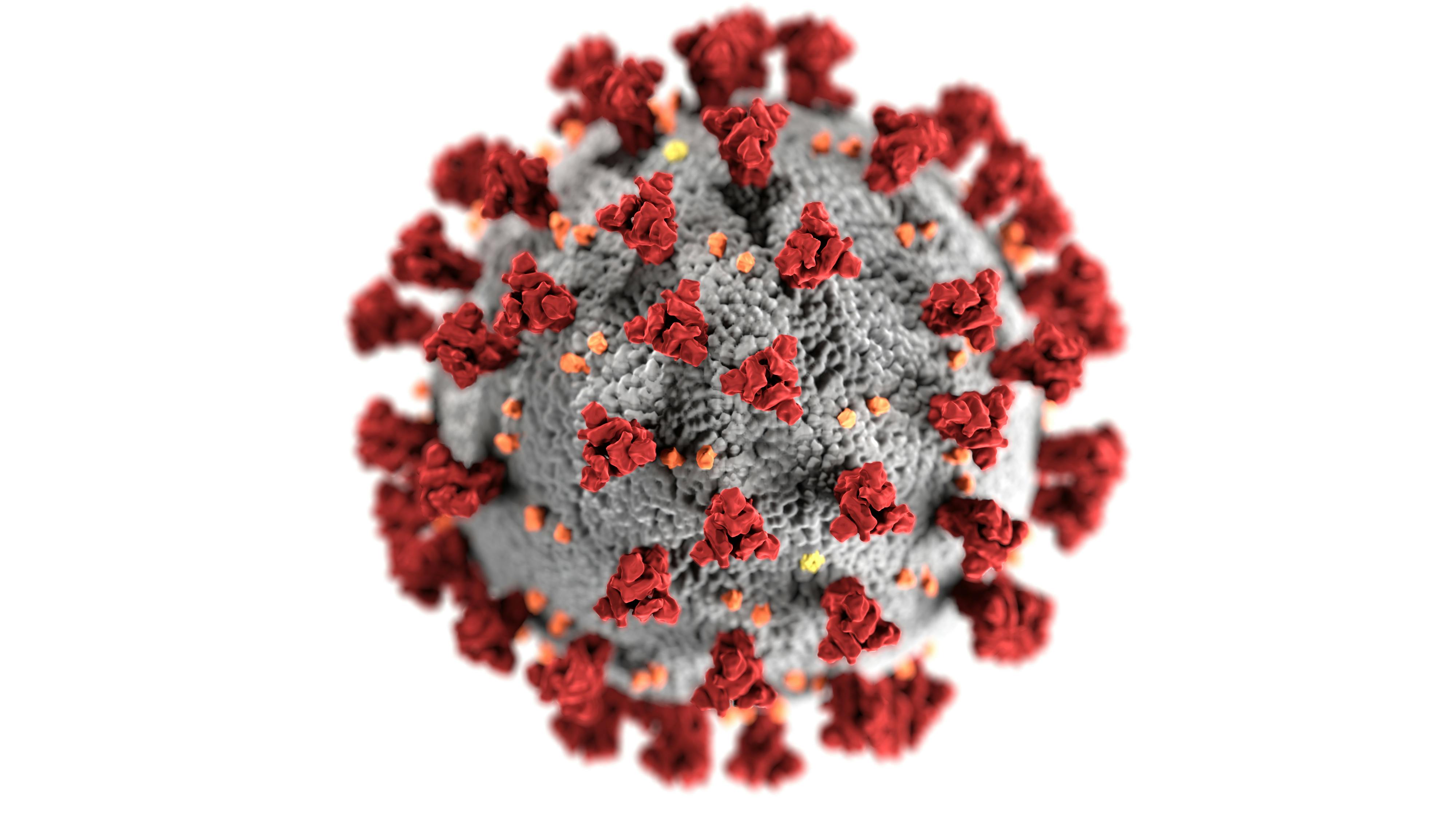
No Specific Vaccine or Treatment Yet: What That Really Means
News headlines often highlight that there is no vaccine or antiviral treatment specifically targeting this rising virus. That’s accurate—but it doesn’t mean you’re powerless.
What “no specific treatment” does not mean
- It does not mean doctors can’t help you manage symptoms.
- It does not mean complications can’t be treated (like pneumonia or asthma flares).
- It does not mean supportive care is useless—hydration, rest, and fever control still matter.
Why antibiotics usually won’t help
This illness is caused by a virus, and antibiotics only work against bacteria. Research across multiple countries has shown that unnecessary antibiotics:
- Don’t shorten the course of viral respiratory infections
- Can cause side effects like diarrhea or allergic reactions
- Contribute to antibiotic resistance, making bacterial infections harder to treat
That said, if your symptoms change or worsen, your clinician may check for bacterial complications that do require antibiotics, such as bacterial pneumonia or ear infections.
Practical Home Care: What Actually Helps You Feel Better
While we wait for more targeted tools, supportive care remains your best ally. These strategies won’t magically “cure” the virus, but they can reduce symptoms, support your immune system, and lower the risk of complications.
1. Focus on fluids and rest
- Aim for pale-yellow urine as a simple hydration check.
- Use water, broths, herbal teas, or electrolyte drinks if you’re sweating or not eating much.
- Prioritize sleep and short daytime rest breaks; your immune system works harder when you’re resting.
2. Use over-the-counter (OTC) relief wisely
Common options include:
- Acetaminophen or ibuprofen for fever and aches (check dosing carefully).
- Saline nasal sprays or rinses for congestion.
- Honey (for adults and children over 1 year) for cough soothing.
- Throat lozenges or warm salt-water gargles for sore throat.
3. Support breathing and comfort
- Use a clean, cool-mist humidifier if your air is dry.
- Elevate your head and upper body slightly when lying down to ease coughing at night.
- For people with asthma or other lung conditions, follow your written action plan and keep rescue inhalers nearby.

Many readers share a similar story: they tried to “push through” for a week, only to crash harder later. Giving yourself permission to slow down earlier can sometimes shorten how long you feel truly wiped out.
Prevention: Realistic Ways to Lower Your Risk (Even Without a Vaccine)
You can’t bring your risk to zero, but you can meaningfully reduce the odds and severity of getting sick. The same core habits that help prevent flu and COVID-19 also work here.
Everyday prevention habits
- Wash hands regularly with soap and water for at least 20 seconds, especially after public places and before eating.
- Avoid touching your face (eyes, nose, mouth) with unwashed hands.
- Improve ventilation by opening windows when possible or using HEPA filters in often-used rooms.
- Stay home when sick and encourage others to do the same when they can.
- Mask strategically (for example, in crowded indoor spaces during local surges, or if you’re visiting someone high-risk).
Don’t skip the vaccines we do have
Even though there isn’t a dedicated shot for this specific virus yet, staying updated on:
- Seasonal flu vaccines
- COVID-19 boosters as recommended
- RSV vaccines or monoclonal antibodies (for eligible groups)
can significantly reduce your overall chances of severe respiratory illness and hospitalizations during the same season.

When to Call a Doctor or Seek Urgent Care
It’s normal to want to ride out mild illness at home, but certain signs mean it’s time for professional help—regardless of which virus is causing it.
Call your doctor or an urgent care clinic if you notice:
- Fever lasting more than 3–4 days or returning after improving
- Worsening cough, chest discomfort, or difficulty breathing
- Persistent vomiting or inability to stay hydrated
- New confusion, extreme drowsiness, or sudden worsening in how you feel
- Symptoms that aren’t improving at all after about a week
Seek emergency care (call emergency services) for:
- Severe trouble breathing, gasping, or bluish lips/face
- Chest pain or pressure that doesn’t go away
- Sudden confusion, inability to wake or stay awake
- In children: fast or labored breathing, flaring nostrils, or chest “pulling in” at the ribs
If you’re unsure, many clinics and insurance plans now offer nurse advice lines or telehealth visits that can help you decide the next best step.
What Research and Experts Are Watching Next
Scientists are paying close attention to these lesser-known respiratory viruses because they:
- Can cause significant illness, especially in vulnerable groups
- May interact with other viruses circulating at the same time
- Could become future targets for vaccines or antiviral drugs
Ongoing studies are looking at:
- How often this virus is responsible for hospitalizations labeled as “viral pneumonia.”
- Which age groups are most affected in different regions.
- Whether previous infections offer partial immunity in future seasons.
Large public-health agencies and academic centers share surveillance data that help clinicians prepare for upcoming seasons and tailor testing. As that research evolves, recommendations may change—another reason to check trusted sources regularly.
A Real-World Scenario: “It Wasn’t Flu, But It Felt Like It”
Consider Emma, a 38-year-old teacher. In late February, she developed a scratchy throat that slowly morphed into a deep, hacking cough and low-grade fever. Her rapid flu and COVID-19 tests were negative. The urgent care doctor told her it was “a viral respiratory infection going around” and recommended rest, fluids, and OTC medications.
Emma tried to keep teaching through the week, but her cough worsened, and by day six she felt exhausted and short of breath walking up stairs. She returned to the clinic, where a chest X-ray showed early pneumonia. With appropriate treatment and a week of genuine rest at home, she recovered—but she later admitted she wished she’d:
- Stayed home sooner instead of “pushing through” for her students
- Asked more questions about warning signs to watch for
- Taken help from friends earlier so she could really rest
Stories like Emma’s are common—and they highlight the importance of listening to your body, even when tests don’t give a neat label to what you’re experiencing.
Moving Forward: Staying Informed Without Living in Fear
Hearing about “new” or under-recognized viruses can understandably make you uneasy, especially after the last few years. But awareness doesn’t have to equal anxiety. It can be a source of quiet confidence.
You don’t need to memorize every virus name. Instead, focus on what you can control:
- Keep your vaccines and boosters current.
- Practice simple prevention habits, especially during high-activity months.
- Have a basic sick-day plan for your household (supplies, backup childcare if possible, work or school communication).
- Know your personal risk factors and when to seek medical help.
Respiratory viruses will keep evolving—but so will our understanding and tools. By staying informed through reliable sources and tuning into your own body, you’re already taking meaningful steps to protect yourself and the people you care about.
Your next step: Take five minutes today to check your home “sick kit” (thermometer, pain reliever, tissues, fluids, and any needed prescriptions) and bookmark your local health department’s respiratory virus page. A little preparation now can make the next unexpected cough or fever much less stressful.
