
High-Protein, High-Fiber ‘Muscle-Friendly’ Diet: A Satisfying Way to Lose Weight Without Crash Dieting
High‑Protein, High‑Fiber “Muscle‑Friendly” Diets for Weight Loss
High-protein, high-fiber eating plans are quietly becoming the new default “diet” for people who are tired of extremes. Instead of cutting entire food groups or surviving on sad salads, this approach focuses on two powerful levers: enough protein to keep your muscles happy and your appetite steady, and enough fiber to nourish your gut and smooth out blood sugar swings. The result is a way of eating that feels satisfying, flexible, and surprisingly doable in real life.
Think of it less as a strict rulebook and more as a gentle framework: build every meal around a solid protein anchor, surround it with colorful, high-fiber plants, and let healthy fats and minimally processed carbs fill in the gaps. Whether you’re lifting weights, walking for wellness, or simply trying to feel better in your clothes, this “muscle-friendly” style of eating can support fat loss, preserve lean mass, and keep you comfortably full—without the drama of crash diets.

Why High‑Protein, High‑Fiber Diets Are Trending Now
Over the last few years, nutrition conversations online have shifted. The spotlight is moving away from rigid low‑carb plans, detoxes, and ultra‑low‑calorie challenges toward sustainable “muscle‑friendly” patterns that feel compatible with real life. High‑protein, high‑fiber eating fits perfectly into that gap.
- Backlash against extreme restriction: Many people have tried keto, juice cleanses, or harsh calorie cuts, only to rebound hard. In contrast, a high‑protein, high‑fiber diet lets you keep carbs, dine out, and enjoy family meals—just with a different emphasis on what anchors the plate.
- Body recomposition and strength goals: As more people lift weights, follow strength programs, or track body composition, there’s a new priority: not just “losing weight,” but losing mostly fat while keeping or building muscle. Protein is essential for that.
- Satiety science and GLP‑1 buzz: Even among people not using GLP‑1 medications, interest has exploded around foods that naturally keep you full. Study after study points to the same duo: protein and fiber.
- Gut health is mainstream: Thanks to podcasts, TikTok explainers, and popular science books, most of us now know that fiber feeds our gut bacteria, which in turn influences digestion, immunity, and metabolic health.

The Science: How Protein and Fiber Support Weight Loss & Muscle
From a nutrition science standpoint, high‑protein, high‑fiber diets line up nicely with what we know about satiety, metabolism, and body composition. While the exact numbers can vary with age, activity, and medical history, a “higher” protein intake often means roughly 1.2–1.6 g of protein per kilogram of body weight per day for people aiming to lose fat while preserving muscle, assuming normal kidney health and no contraindications.
When you combine enough protein with varied plant fibers, you’re essentially telling your body: “Stay full, keep muscle, and use stored fat for the rest.”
- Satiety and spontaneous calorie reduction: Protein and fiber both slow digestion and engage appetite‑regulating hormones. People naturally tend to snack less and feel satisfied on fewer calories when these are emphasized.
- Muscle preservation during weight loss: In a calorie deficit, muscle can be lost along with fat. Higher protein intake, especially when paired with resistance training, helps maintain lean mass—critical for strength, mobility, and long‑term metabolic rate.
- Blood sugar & cholesterol support: Soluble fibers (like those in oats, beans, and some fruits) can blunt post‑meal glucose spikes and help lower LDL (“bad”) cholesterol. This supports cardiometabolic health over time.
- Gut microbiome diversity: Different plant fibers feed different microbes. A high‑fiber, plant‑rich pattern tends to foster a more diverse, resilient microbiome, which in turn may influence inflammation, insulin sensitivity, and even mood.
What a High‑Protein, High‑Fiber “Muscle‑Friendly” Day of Eating Looks Like
Rather than rigid meal plans, think in terms of meal structure. Each meal gets:
- A protein anchor (about 20–40 g per meal for most adults)
- At least one high‑fiber plant (ideally more)
- Some minimally processed carbs and healthy fats as needed
Here’s a sample day that many home cooks find realistic:
- Breakfast – High‑Protein Greek Yogurt Bowl
- Greek yogurt or skyr, topped with berries, chia or flax seeds, and a sprinkle of high‑fiber granola.
- Lunch – 30g Protein, 10g Fiber Grain Bowl
- Grilled chicken or tofu over quinoa with black beans, roasted vegetables, avocado, and a handful of leafy greens.
- Snack – Protein + Produce
- Cottage cheese with sliced pear, or edamame and an apple, or a protein shake paired with carrot sticks.
- Dinner – Fiber‑Rich Stir‑Fry
- Salmon, tempeh, or lean beef stir‑fried with broccoli, peppers, snap peas, and brown rice or barley.
Common Pitfalls (and How to Avoid Them)
Even a solid approach like high‑protein, high‑fiber eating can go sideways if you’re not watching for a few common traps. The goal is a whole‑food‑forward, enjoyable style of eating—not another rule‑heavy project.
- Overreliance on ultra‑processed “high‑protein” snacks: Protein bars, chips, and ice creams can fit occasionally, but basing your diet on them often means extra sugar, sodium, and additives. Let them support your routine, not define it.
- Too much fiber, too fast: Jumping from very low to very high fiber in a few days can cause bloating and discomfort. Increase gradually and drink plenty of water to help your gut adjust.
- Assuming “more protein” is always better: Protein has a ceiling for usefulness. Past a point, extra isn’t necessarily harmful for healthy people, but it isn’t more muscle‑building either—it’s just more calories.
- Neglecting carbs and fats: Carbs (especially whole grains and fruit) and fats (like olive oil, avocado, nuts) are still important for energy, hormones, and satisfaction. This pattern is high protein and high fiber, not zero‑everything‑else.
Recipe: High‑Protein, High‑Fiber Mediterranean Chicken & Lentil Power Bowl
This colorful bowl layers juicy lemon‑garlic chicken over warm lentils and quinoa, with crisp veggies, creamy yogurt‑tahini sauce, and a shower of fresh herbs. Every bite is bright, savory, and deeply satisfying—exactly the kind of “muscle‑friendly” meal that supports fat loss, gut health, and steady energy.
Prep time:
Cook time:
Total time:
Servings: 4 bowls
Difficulty: Easy–moderate
Diet: High‑protein, high‑fiber, gluten‑free optional

Equipment
- Cutting board and sharp knife
- Large skillet or sauté pan
- Medium saucepan (for grains/lentils)
- Mixing bowl
- Measuring cups and spoons
- Small bowl and whisk (for sauce)
Ingredients
For the Protein & Grains
- 1 lb (450 g) boneless, skinless chicken breasts or thighs, trimmed
- 1 cup dry green or brown lentils, rinsed
- 1 cup dry quinoa (or brown rice), rinsed
- 3 cups low‑sodium chicken or vegetable broth (or water), divided
- 2 tbsp extra‑virgin olive oil, divided
- 2 cloves garlic, minced
- 1 tsp ground cumin
- 1 tsp smoked or sweet paprika
- 1/2 tsp dried oregano
- 1/2 tsp salt (plus more to taste)
- 1/4 tsp black pepper
- Juice and zest of 1 lemon
For the Veggies & Toppings
- 1 cup cherry tomatoes, halved
- 1 medium cucumber, diced
- 1 red bell pepper, diced
- 2 cups baby spinach or mixed greens, roughly chopped
- 1/4 cup red onion, very thinly sliced
- 1/4 cup crumbled feta cheese (optional)
- 2 tbsp chopped fresh parsley or cilantro
For the Yogurt‑Tahini Sauce
- 1/2 cup plain Greek yogurt (2% or nonfat)
- 2 tbsp tahini (sesame paste)
- 1 tbsp lemon juice
- 1 small garlic clove, very finely minced or grated
- 2–4 tbsp water, to thin as needed
- Salt and pepper to taste
Instructions
- Start the lentils and quinoa.
In a medium saucepan, combine lentils with 2 cups broth (or water) and a pinch of salt. Bring to a boil, then reduce to a simmer and cook 20–25 minutes, until tender but not mushy. In a separate pot, cook quinoa in 2 cups water or broth according to package directions (usually about 15 minutes). Fluff with a fork and set both aside.
Simmer lentils and quinoa until just tender for a hearty, fiber‑rich base. - Marinate the chicken.
While the grains cook, place chicken in a bowl with 1 tbsp olive oil, minced garlic, cumin, paprika, oregano, 1/2 tsp salt, black pepper, and half the lemon juice and zest. Toss to coat and let sit 10–15 minutes at room temperature.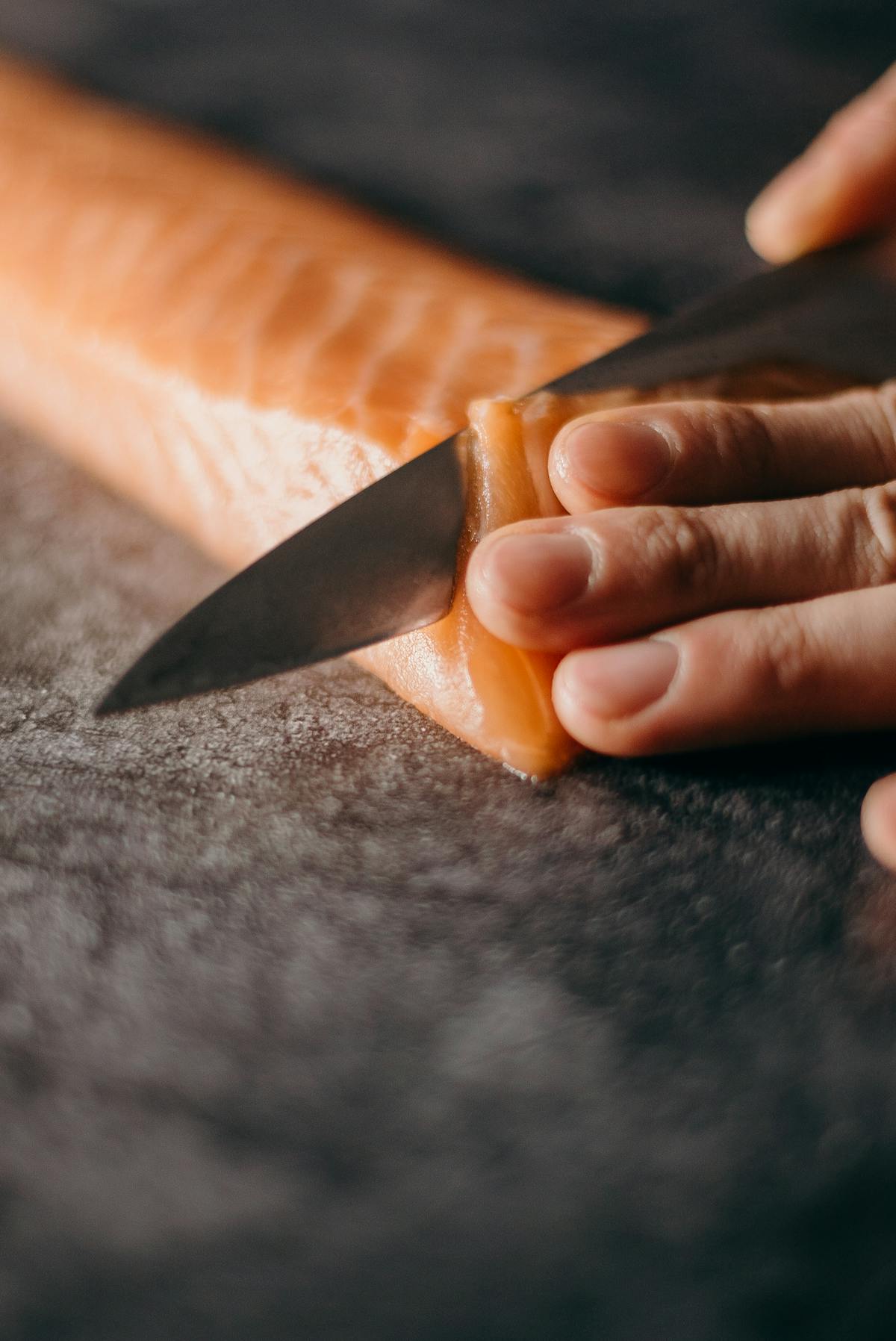
A quick lemon‑garlic marinade infuses the chicken with bright Mediterranean flavor. - Make the yogurt‑tahini sauce.
In a small bowl, whisk together Greek yogurt, tahini, remaining lemon juice, minced garlic, a pinch of salt, and 2 tbsp water. Add more water a spoonful at a time until the sauce is thick but pourable. Adjust seasoning to taste and chill until serving.A silky yogurt‑tahini drizzle adds creaminess and extra protein without heaviness. - Cook the chicken.
Heat remaining 1 tbsp olive oil in a large skillet over medium‑high heat. Add marinated chicken in a single layer. Cook 4–6 minutes per side, until nicely browned and cooked through (internal temperature 165°F / 74°C). Transfer to a cutting board and let rest 5 minutes, then slice.
Let the chicken rest before slicing to keep it juicy and tender. - Prep the veggies.
While the chicken rests, chop tomatoes, cucumber, bell pepper, spinach, and red onion. Toss them together in a bowl with a small pinch of salt and the remaining lemon zest for extra brightness. - Assemble the power bowls.
In each bowl, add a scoop of lentils and quinoa (about 1/2 cup of each), then top with a generous handful of the veggie mixture. Add sliced chicken, sprinkle with feta and herbs, and drizzle with yogurt‑tahini sauce. Serve with lemon wedges if you like an extra tangy finish.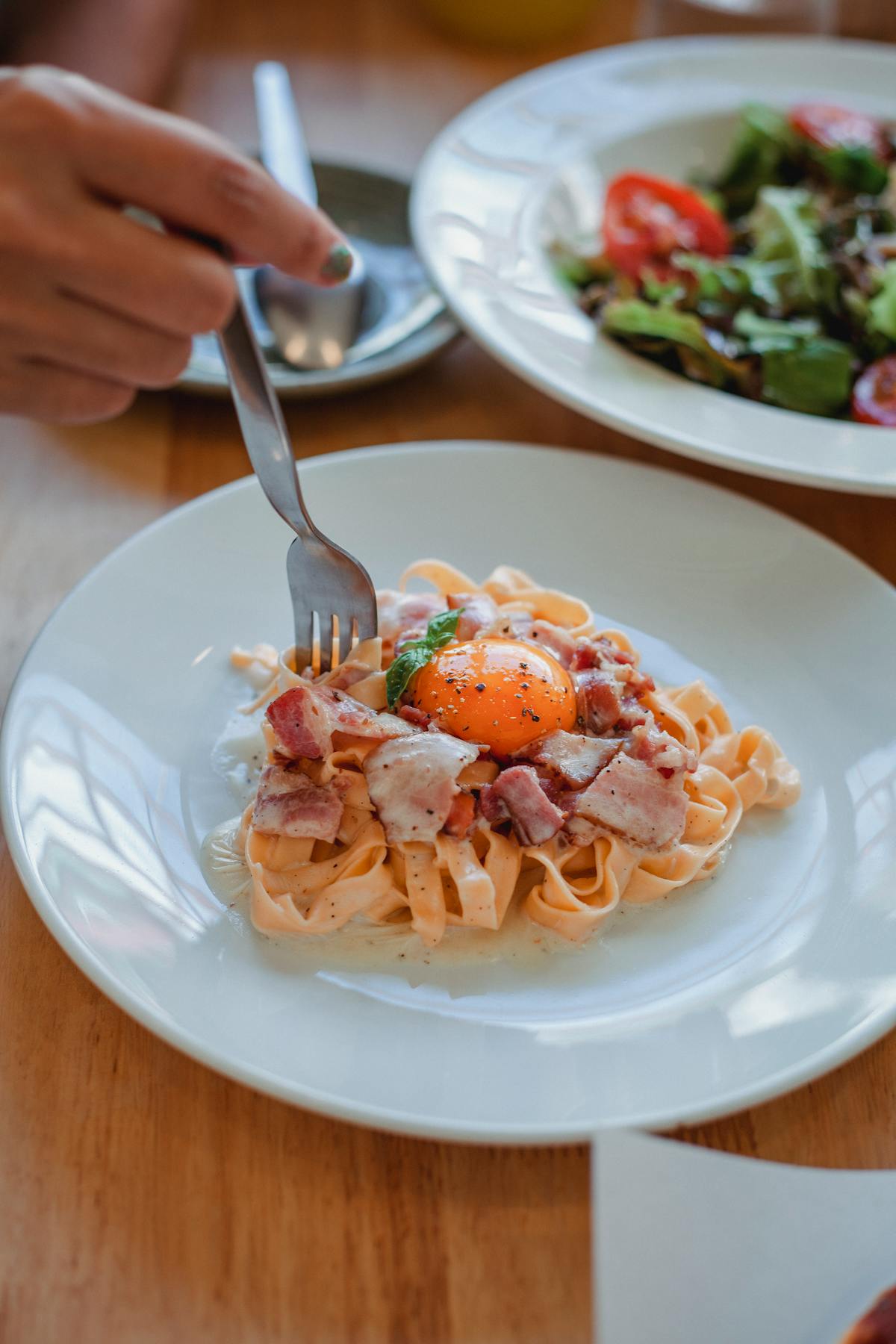
Layer grains, lentils, veggies, and chicken so every forkful hits all the textures.
Approximate Nutrition (per bowl)
Note: values are estimates and will vary based on exact ingredients.
~34–40 g protein, 14–18 g fiber, 500–600 kcal, rich in folate, iron, and heart‑healthy fats.
Storage & Reheating
- Refrigeration: Store grains/lentils, chicken, veggies, and sauce in separate airtight containers for up to 3–4 days.
- Reheating: Reheat the lentils, quinoa, and chicken together in the microwave (1–2 minutes, stirring halfway) or in a skillet with a splash of broth. Add fresh veggies and sauce after warming.
- Make‑ahead lunches: Build bowls in meal‑prep containers but keep the sauce, herbs, and delicate greens separate and add right before eating.
Serving Ideas & Complementary Dishes
To turn this power bowl into a full high‑protein, high‑fiber spread, pair it with simple sides that keep the theme going without much extra work.
- Crisp side salad: Mixed greens with chickpeas, shredded carrots, and a lemon‑olive oil vinaigrette.
- Roasted veggies: Sheet‑pan Brussels sprouts, cauliflower, or carrots tossed with olive oil, garlic, and herbs.
- Protein‑rich dessert: Greek yogurt with berries and a sprinkle of oats or nuts for extra fiber.
- High‑fiber drink: Sparkling water with a splash of 100% fruit juice and a slice of citrus, instead of sugary beverages.
However you serve it, remember: consistently hitting your protein and fiber “anchors” over the week matters far more than any single perfect meal. Every bowl like this is one more quiet vote for your muscles, your metabolism, and your future self.
