
Ozempic Diets Explained: How to Eat Well on GLP‑1 Weight‑Loss Drugs Without Losing Your Love of Food
Ozempic, GLP‑1 Drugs, and the New Wave of ‘Ozempic Diets’
GLP‑1 weight‑loss drugs like Ozempic and Wegovy are completely reshaping how we talk about dieting, body changes, and long‑term nutrition. As more people on these medications find themselves suddenly “just not that hungry,” a huge new conversation has opened up: what does healthy eating look like when your appetite drops—but your body still needs nourishment, muscle, and joy from food?
Originally approved for type 2 diabetes, GLP‑1 agonists are now at the center of social media trends, celebrity transformations, and intense public debate. If you’ve ever watched a “What I eat in a day on Ozempic” video and wondered what’s actually safe, sustainable, and smart, you’re not alone.
This guide dives into how GLP‑1 drugs work, why “Ozempic diets” are trending, and how to build a nourishing way of eating—whether you’re on these medications or simply curious about the future of weight management.
How GLP‑1 Drugs Like Ozempic Actually Work
GLP‑1 agonists (such as semaglutide, the active ingredient in Ozempic and Wegovy) mimic a hormone your body already makes: GLP‑1, or glucagon‑like peptide‑1. This hormone:
- Slows how quickly food leaves your stomach (called gastric emptying).
- Signals to your brain that you’re full sooner and for longer.
- Helps regulate blood sugar after meals.
In day‑to‑day life, many people on Ozempic or similar GLP‑1 medications notice:
- Dramatically reduced hunger and fewer “food noise” thoughts.
- Feeling full after just a few bites.
- Sometimes, disinterest in favorite foods or whole meals.
When appetite drops, weight often drops too—but nutrition needs do not. Your muscles, organs, hormones, and brain still require steady, high‑quality fuel.
Why “Ozempic Diets” Are Trending Everywhere
The buzz isn’t just about the drugs—it’s about how they collide with decades of diet culture. Several forces have made Ozempic and GLP‑1 diets a dominant trend:
- Celebrity and influencer transformations
Rapid, visible changes in public figures drive curiosity and speculation. Social media fills with before‑and‑after photos, “I’m on Ozempic” confessionals, and hot takes about fairness, privilege, and beauty standards. - A shift from “willpower” to biology
For years, the message was: just eat less and move more. GLP‑1 drugs highlight how much appetite, hormones, and brain chemistry influence eating—far beyond simple willpower. - New content formats
You’ll now see:- “What I eat in a day on Ozempic” vlogs.
- High‑protein, GLP‑1‑friendly recipe videos.
- Comparisons of pre‑ and post‑medication food intake.
- Concerns about long‑term health
People are asking: What happens to my muscles? My bones? My relationship with food? My weight if I stop the drug?
All of this leaves many people searching for a grounded, science‑aware answer to a simple question: What should I actually eat if my appetite is low but I want to stay healthy?
The Big Nutrition Questions in the Ozempic Era
From a nutrition and wellness standpoint, GLP‑1 drugs raise four major concerns.
1. Protein and Muscle Preservation
When weight comes off quickly—especially while eating very little—your body can lose muscle mass along with fat. That matters because muscle is metabolically active: it supports strength, balance, and long‑term metabolic health.
Many dietitians now encourage people on Ozempic and similar drugs to:
- Aim for roughly 1.2–1.6 g of protein per kg of body weight daily (if medically appropriate).
- Include protein at every meal and snack, even if the portion is small.
- Pair food changes with resistance training (weights, bands, body‑weight exercises) to signal your body to keep muscle.
2. Nutrient Density When You Eat Less
A smaller appetite means fewer bites in a day. That makes every bite more important. The priority becomes:
- Lean proteins: fish, poultry, eggs, Greek yogurt, tofu, tempeh, beans, lentils.
- Colorful vegetables and fruits for vitamins, minerals, and fiber.
- Whole grains like oats, quinoa, and brown rice for steady energy.
- Healthy fats such as avocado, nuts, seeds, and olive oil.
3. Your Relationship With Food
For some people, reduced food noise feels like relief. For others, it can feel unsettling—like losing a familiar source of comfort, culture, or joy.
Conversations are now centering around:
- Mindful eating: tuning into subtle hunger and fullness cues that remain.
- Mental health: processing identity changes, body image, and shifting social rituals around food.
- Ethics and aesthetics: how we talk about bodies, beauty, and weight now that powerful drugs are in the mix.
4. Long‑Term Maintenance and Coming Off GLP‑1s
Early research suggests that when GLP‑1 drugs are stopped, weight often returns, especially if no supportive lifestyle changes are in place. That raises questions:
- Are GLP‑1 drugs meant to be long‑term therapy for many users?
- How do we build durable habits—sleep, exercise, stress care, balanced eating—around them?
- What does maintenance look like if medication doses change or stop?
GLP‑1 Friendly High‑Protein Bowl: A Gentle, Nourishing Meal
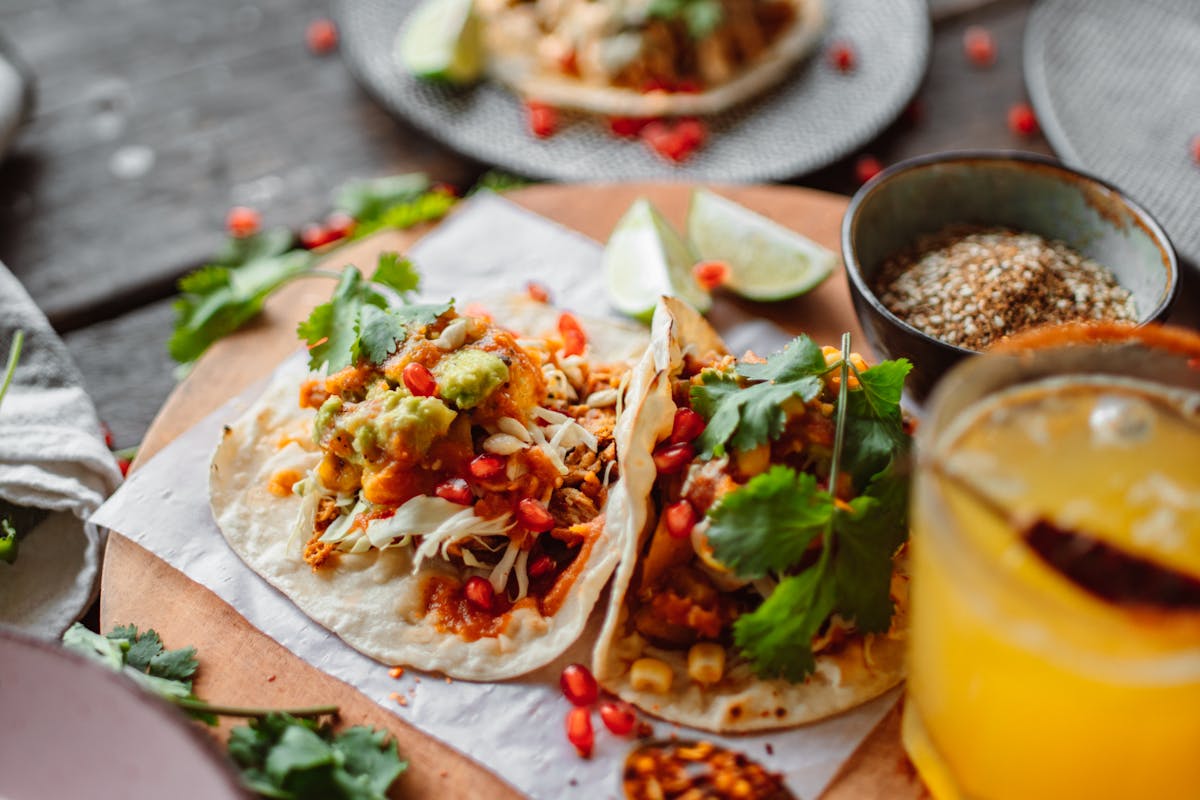
To bring all this theory into your kitchen, here’s a simple, flexible recipe designed for people with low appetite on Ozempic, Wegovy, or other GLP‑1 drugs. It’s rich in protein, easy to digest, and full of micronutrients—perfect when you can only manage a small, meaningful bowl.
Quick Recipe Summary
Prep time: 15 minutes
Cook time: 15 minutes
Total time: 30 minutes
Servings: 2 small or 1 large bowl
Difficulty: Easy
Diet: High‑protein, gluten‑free option, easy to make dairy‑free
Ingredients
For the bowl:
- 1/2 cup (90 g) dry quinoa or brown rice (use quinoa for quicker cooking and extra protein)
- 1 cup (240 ml) low‑sodium broth or water (for cooking grains)
- 1 cup (150 g) cooked chicken breast, shredded or chopped
Sub: firm tofu, tempeh, or canned chickpeas for a vegetarian/vegan option - 1/2 cup (120 g) Greek yogurt or a thick dairy‑free yogurt
- 1/2 cup (60 g) finely chopped cucumber
- 1/2 cup (60 g) finely chopped bell pepper (any color)
- 1/4 cup (30 g) finely shredded carrot
- 1–2 tablespoons (4–8 g) chopped fresh herbs (parsley, cilantro, or dill)
For the creamy lemon‑tahini sauce:
- 2 tablespoons (30 g) tahini
- 2 tablespoons (30 ml) lemon juice (about 1 small lemon)
- 2–3 tablespoons (30–45 ml) warm water, as needed to thin
- 1 small garlic clove, very finely minced or grated (optional for sensitive stomachs)
- 1/4 teaspoon salt, plus more to taste
- Freshly ground black pepper, to taste
Optional toppings (choose 1–3):
- 1 tablespoon (10 g) toasted nuts or seeds (pumpkin seeds, slivered almonds, sesame seeds)
- 1/4 avocado, thinly sliced
- Lemon wedges for squeezing
- Chili flakes for gentle heat (skip if reflux is an issue)
Equipment Needed
- Small saucepan with lid (for grains)
- Cutting board and sharp knife
- Medium mixing bowl for the sauce
- Fork or whisk
- Serving bowls
Step‑by‑Step Instructions
- Cook the quinoa or rice.
Rinse 1/2 cup quinoa under cool water if using. Add to a small saucepan with 1 cup broth or water. Bring to a gentle boil, then reduce the heat to low, cover, and simmer until the liquid is absorbed and the grains are tender (about 12–15 minutes for quinoa, 25–30 minutes for brown rice). Let stand off the heat, covered, for 5 minutes, then fluff with a fork.

Cooked grains provide gentle, steady energy without overwhelming a smaller appetite. - Prep your protein and vegetables.
While the grains cook, shred or cube the cooked chicken (or drain and rinse chickpeas / cube tofu). Finely chop the cucumber, bell pepper, and carrot so each bite is tender and easy to chew—especially helpful if you fill up quickly.
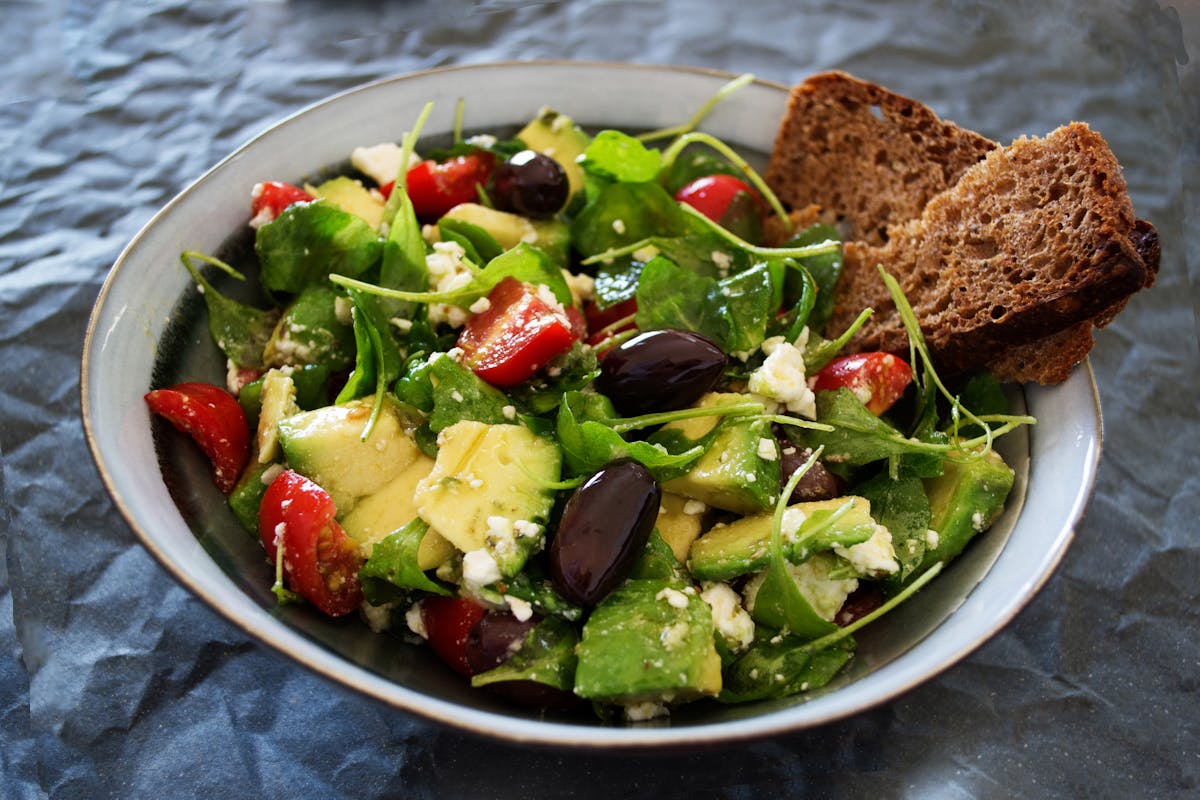
Small, colorful pieces pack nutrients into a tiny volume—perfect for GLP‑1 eaters. - Make the lemon‑tahini sauce.
In a medium bowl, whisk together tahini, lemon juice, minced garlic (if using), salt, and pepper. The mixture will thicken at first—add warm water 1 tablespoon at a time, whisking, until it’s smooth and pourable but still creamy. Taste and adjust salt, lemon, and pepper.
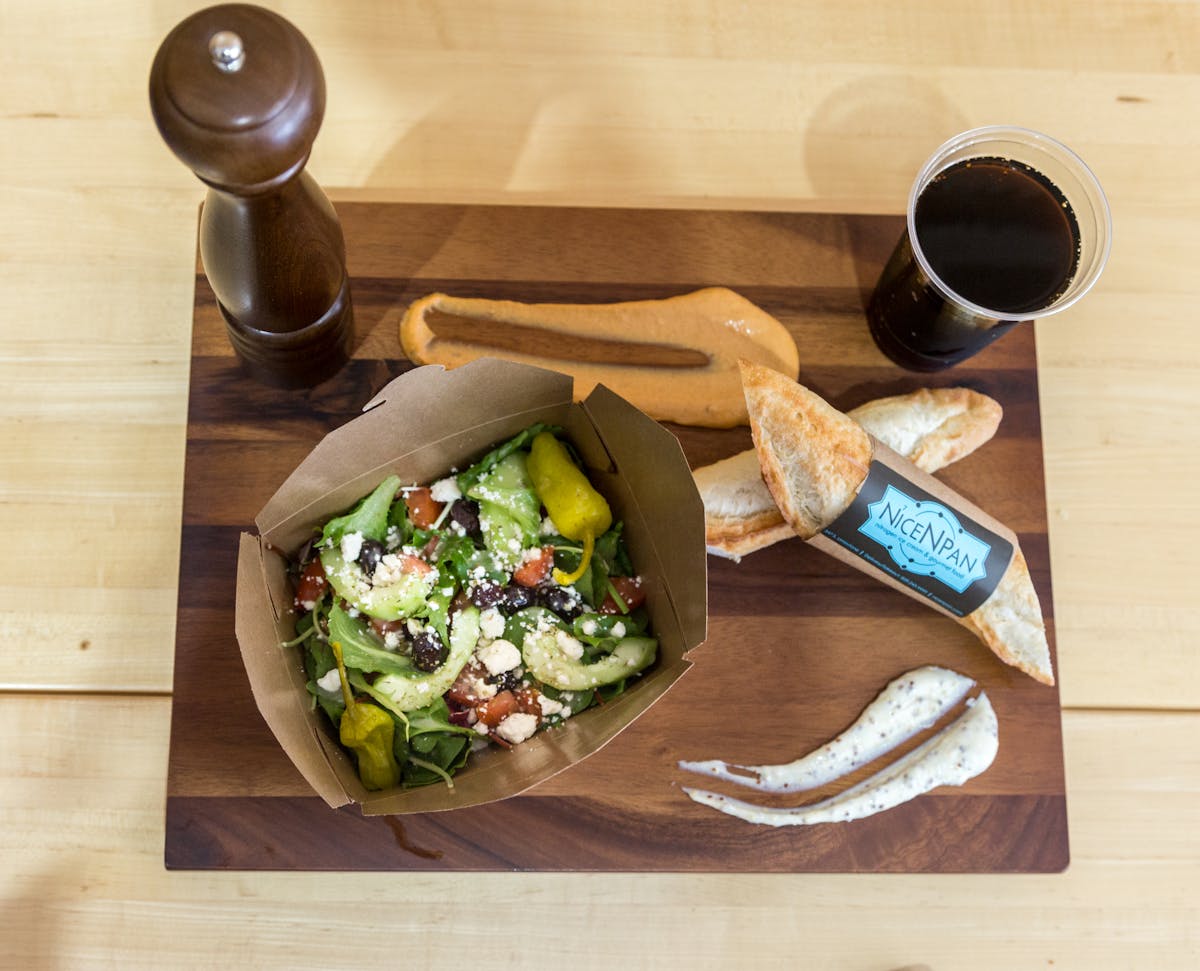
A silky sauce adds flavor and healthy fats, making each bite satisfying even in small amounts. - Assemble the bowls.
Divide the warm grains between 1–2 bowls. Top with chicken (or your chosen protein), chopped vegetables, and a generous spoonful of Greek yogurt. Drizzle with the lemon‑tahini sauce. Sprinkle with fresh herbs.
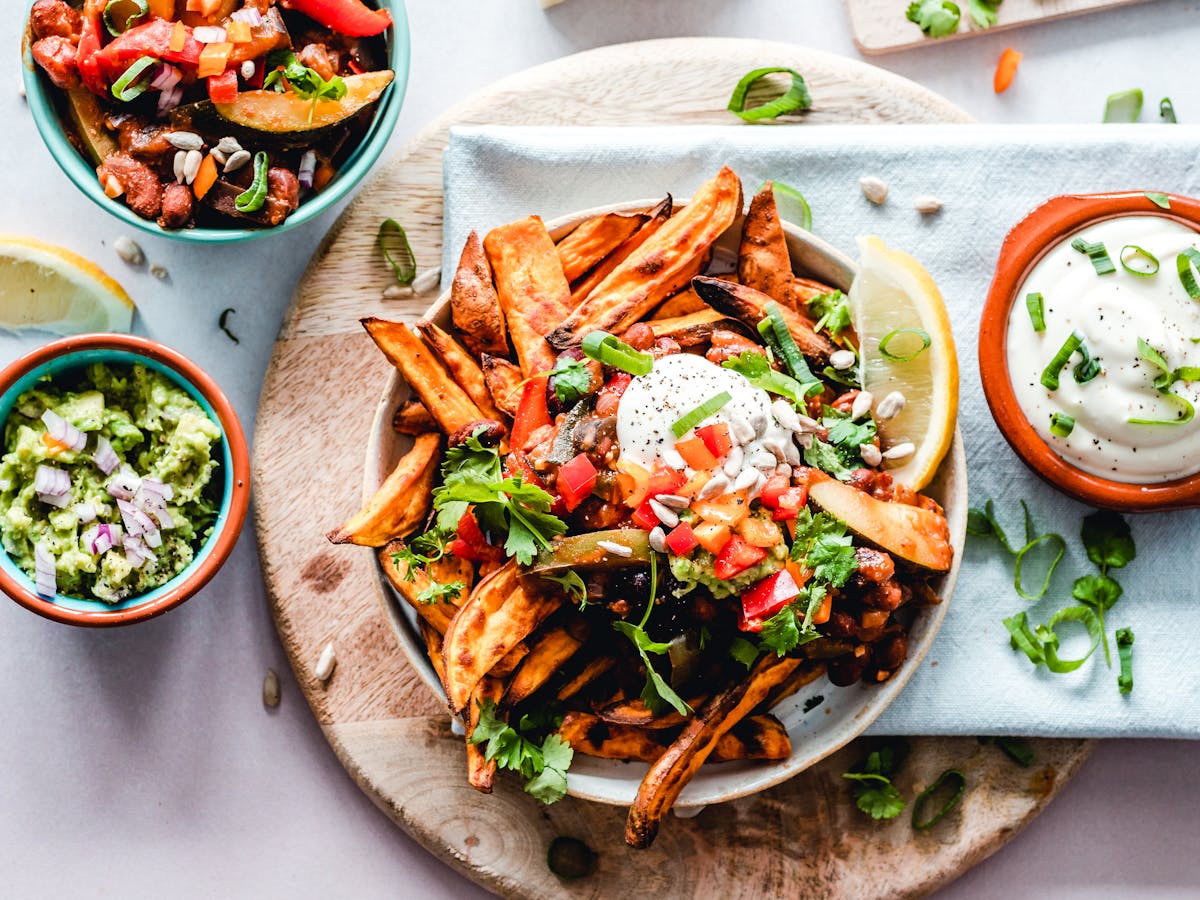
Layering textures—creamy yogurt, tender grains, crisp vegetables—keeps eating pleasurable even when portions are tiny. - Add optional toppings and taste.
Top with nuts or seeds, avocado slices, and chili flakes if you like. Finish with an extra squeeze of lemon. Take a small bite and adjust with more salt, herbs, or sauce as needed—the goal is maximum flavor per mouthful.
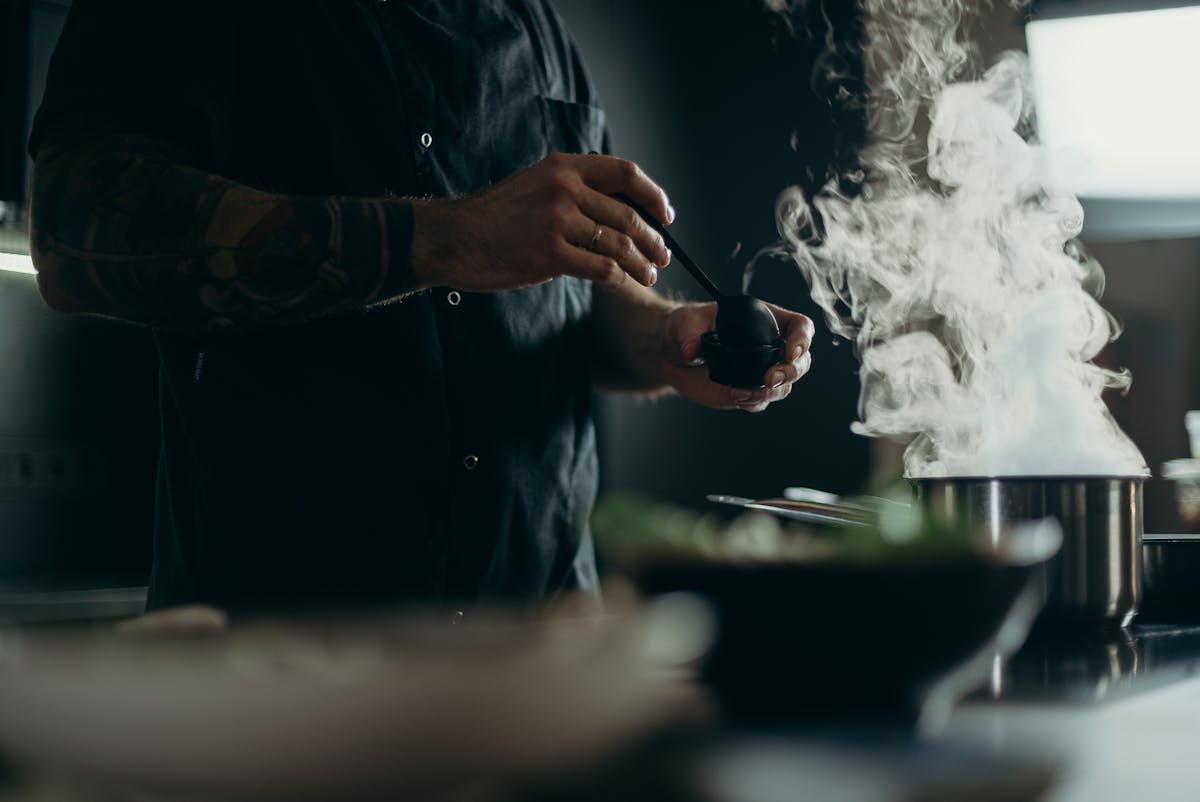
A finished GLP‑1‑friendly bowl: compact, colorful, and packed with protein and micronutrients.
Smart Substitutions and Dietary Adaptations
This bowl is intentionally flexible so you can honor your body’s needs, preferences, and any medical guidance you’re following.
For Vegetarian or Vegan Diets
- Swap chicken for firm tofu, tempeh, edamame, or lentils.
- Use unsweetened dairy‑free yogurt (coconut, soy, or almond) instead of Greek yogurt.
- Boost protein with an extra spoonful of hemp seeds or chopped nuts.
For Gluten‑Free Eating
- Stick with naturally gluten‑free grains like quinoa, brown rice, or buckwheat.
- Check labels on broth, yogurt, and tahini to confirm they’re gluten‑free.
For Sensitive Stomachs or Reflux
- Skip the raw garlic and chili flakes.
- Cook the vegetables lightly (steam or sauté) to soften fiber.
- Use a smaller portion of grains and a slightly larger portion of protein and yogurt if that feels gentler.
Storage, Meal Prep, and Reheating Tips
If you’re on a GLP‑1 and eating smaller portions, leftovers are almost guaranteed. That can actually work in your favor.
How to Store
- Cooked grains: Keep in an airtight container in the fridge for up to 4 days.
- Protein: Store cooked chicken, tofu, or beans separately in the fridge for 3–4 days.
- Chopped vegetables: Best used within 2–3 days for crunch and color.
- Sauce: Lemon‑tahini sauce keeps 4–5 days refrigerated; it may thicken—just whisk in a teaspoon of water before serving.
Reheating
- Warm grains and protein gently in the microwave or on the stovetop with a splash of water or broth.
- Keep yogurt, raw vegetables, and sauce cold, adding them after reheating the base.
This “mix‑on‑demand” approach preserves texture and flavor while giving you ready‑to‑assemble, nutrient‑dense bowls whenever your appetite shows up.
Serving Suggestions and Complementary Dishes
Think of this high‑protein bowl as a reliable anchor. Around it, you can build small, supportive add‑ons depending on how hungry you are.
- For a light day: Enjoy half a bowl with:
- A side of sliced fruit (berries, orange segments, or kiwi).
- A mug of herbal tea or ginger tea if you’re feeling queasy.
- For a more active day: Pair a full bowl with:
- A small side salad dressed in olive oil and lemon.
- A piece of whole‑grain toast with a thin spread of nut butter.
- For extra protein:
- Add a hard‑boiled egg on the side.
- Blend a small, high‑protein smoothie (Greek yogurt, berries, and milk or a dairy‑free alternative).
Beyond Fads: Rethinking Diet Culture in the Ozempic Era
GLP‑1 drugs like Ozempic are forcing a big reset in how we talk about weight, health, and food. Instead of blaming a lack of willpower, more people are recognizing the role of biology, hormones, and access to medical care. At the same time, the excitement around rapid weight loss can overshadow deeper questions about equity, long‑term safety, and mental health.
From a food‑lover’s point of view, here’s the opportunity: to build a culture where nourishment, strength, and joy matter more than short‑term scale changes—whether medications are part of your journey or not.
If you’re cooking while on a GLP‑1 drug, consider this your gentle mantra:
Every bite is a chance to care for your future self—choose foods that help you feel steady, strong, and alive in your own body.
With a few flexible, high‑protein, nutrient‑dense recipes in your back pocket, you can navigate the “Ozempic diet” conversation from a place of knowledge—and keep the pleasure of cooking on your side.
