
High-Protein Balanced Girl Dinner Ideas: Turn Snack Plates into Satisfying, Nutrient-Packed Meals
High-Protein “Balanced Girl Dinner” Platter (Adult Lunchable-Style)
The viral girl dinner has grown up—in the best way. What started as a playful snack plate of crackers, cheese, and odds-and-ends from the fridge is now being reimagined as a high‑protein, nutrient‑dense mini‑meal that’s still fun, low-effort, and deeply satisfying.
In this recipe-style guide, we’ll build a flexible, mix-and-match high-protein balanced girl dinner platter—sometimes called an adult lunchable—that you can assemble in under 10 minutes, with 25–40 g of protein, plenty of fiber, and gorgeous color on the plate.

Quick Recipe Summary
Prep time: 10 minutes
Cook time: 0–5 minutes (optional, for toasting/warming)
Total time: 10–15 minutes
Servings: 1 main‑meal platter
Difficulty: Very easy (no‑cook or minimal cook)
Protein: ~25–40 g, depending on choices
This is less a rigid recipe and more a plug-and-play framework for building balanced, high‑protein snack plates that feel like a little grazing board just for you.
Recipe Schema (for search engines)
This structured data helps search engines understand and feature your high-protein girl dinner recipe in rich results.
Ingredients for One High‑Protein Balanced Girl Dinner
Use this like a template. Choose 1–2 items from each category to build a plate that fits your cravings, dietary needs, and what’s already in your fridge.
Protein anchors (choose 1–2)
- 90–120 g rotisserie chicken, shredded (about 1 heaped palm)
- 1 small can (85–120 g drained) tuna or salmon, mixed with a little yogurt or mayo
- 2 boiled eggs, halved or quartered
- 120 g firm tofu, pressed and cubed (marinated or plain)
- 3–4 slices (about 80–100 g) turkey or chicken breast
- 3/4 cup (180 g) cottage cheese or thick Greek yogurt
- 1/2 cup (120 g) hummus or bean dip (especially if paired with another protein)
Colorful vegetables (aim for 2+ colors)
- 1/2 cup baby carrots
- 1/2 cup cherry or grape tomatoes
- 1/2 cup cucumber rounds or sticks
- 1/2 cup bell pepper strips (any color)
- 1/2 cup snap peas or blanched green beans
- 1 cup salad greens or shredded cabbage with a drizzle of dressing
Smart carbs
- 6–8 whole‑grain or seeded crackers
- 1 slice whole‑grain or sourdough bread, toasted and cut into fingers
- 1 small whole‑grain pita, cut into wedges
- 1/2–3/4 cup leftover roasted potatoes or sweet potatoes
- 1 microwaveable quinoa or brown rice cup (shared across two plates or saved for later)
Healthy fats & flavor boosts
- 1–2 tbsp nuts (almonds, pistachios, walnuts) or seeds (pumpkin, sunflower)
- 4–6 olives
- 1/4 avocado, sliced or mashed
- 1–2 tbsp feta or goat cheese crumbles
- Pickles or cornichons
- Mustard, hot sauce, pesto, or a drizzle of olive oil
Optional fruit for sweetness
- 1/2 cup berries
- 1 small handful grapes
- 1/2 apple or pear, sliced
- 1 clementine or 1/2 orange, segmented
Equipment & Tools
- 1 medium plate, wide bowl, or small serving board
- Small ramekins or dipping bowls (optional, for hummus, yogurt, or sauces)
- Sharp knife and cutting board
- Vegetable peeler (optional)
- Toaster or skillet (optional, if you want warm bread or potatoes)
Step‑by‑Step: Building Your High‑Protein Girl Dinner Plate
Think of this like styling a mini charcuterie board, but with your actual nutrition in mind. Here’s a simple flow you can follow any night of the week.
- Pick your protein hero.
Open the fridge or pantry and choose 1–2 protein sources. Rotisserie chicken and hummus; tuna and eggs; tofu and edamame—any combo that gets you to about 25–30 g protein is perfect. - Slice and prep quickly.
If needed, shred the chicken, drain the tuna, cube the tofu, or halve the eggs. This should take just 2–3 minutes. - Color it up with vegetables.
Rinse and chop your veggies into dippable shapes: sticks, rounds, or bite-size chunks. Aim for at least two different colors for both nutrients and visual joy. - Add smart carbs.
Toast your bread (if using), gather crackers, or reheat leftover potatoes. You want roughly a fist-sized portion—enough to feel supported, not sluggish. - Layer in healthy fats.
Sprinkle on nuts or seeds, add a few olives, or fan out some avocado slices. These little touches make the plate feel luxurious and keep you full longer. - Finish with fruit and fun extras.
Tuck a small handful of fruit onto the plate for freshness. Add pickles, mustard, hot sauce, or a squeeze of lemon to play with tangy, bright flavors. - Plate it with intention.
Arrange everything in small piles or sections so it feels like a curated board, not random leftovers. Eat slowly, mixing bites as you go.
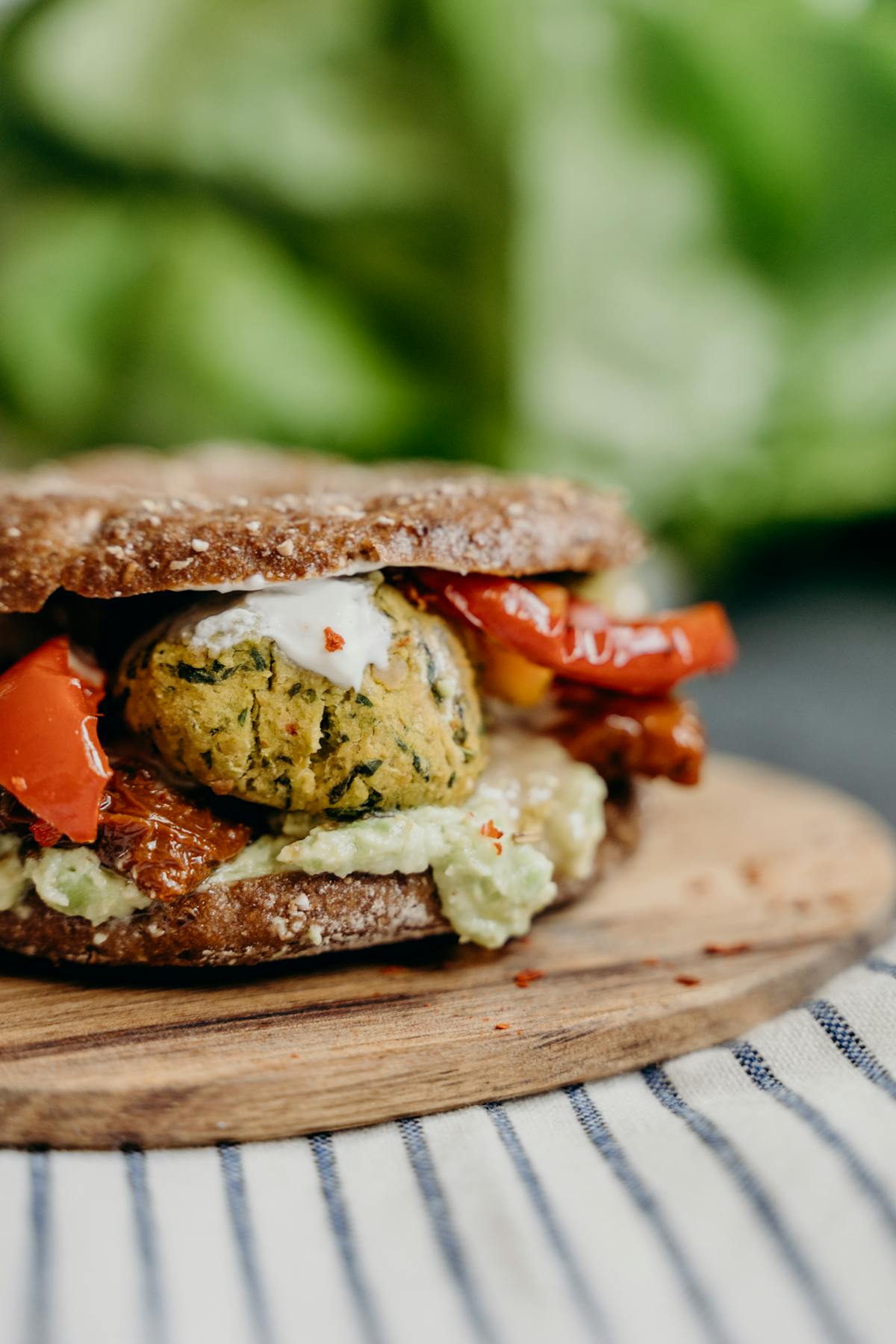
Visual Guide: Balanced Girl Dinner Ideas
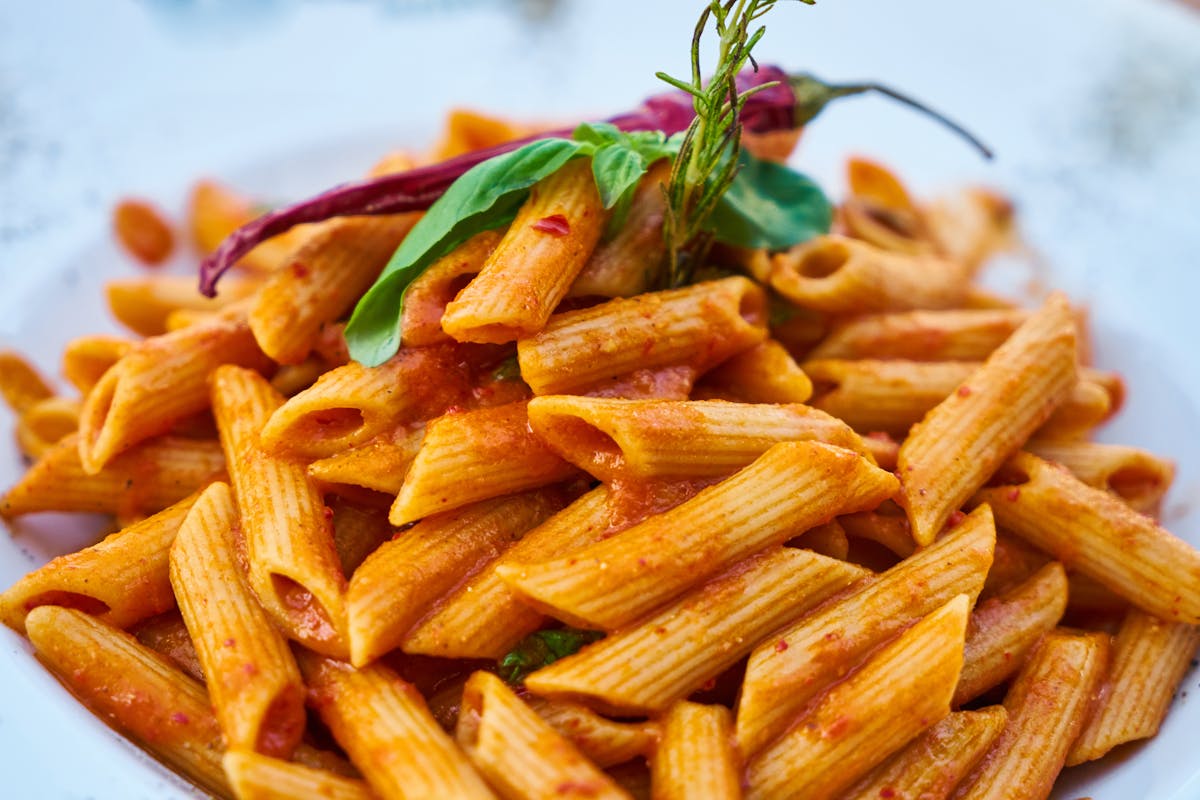
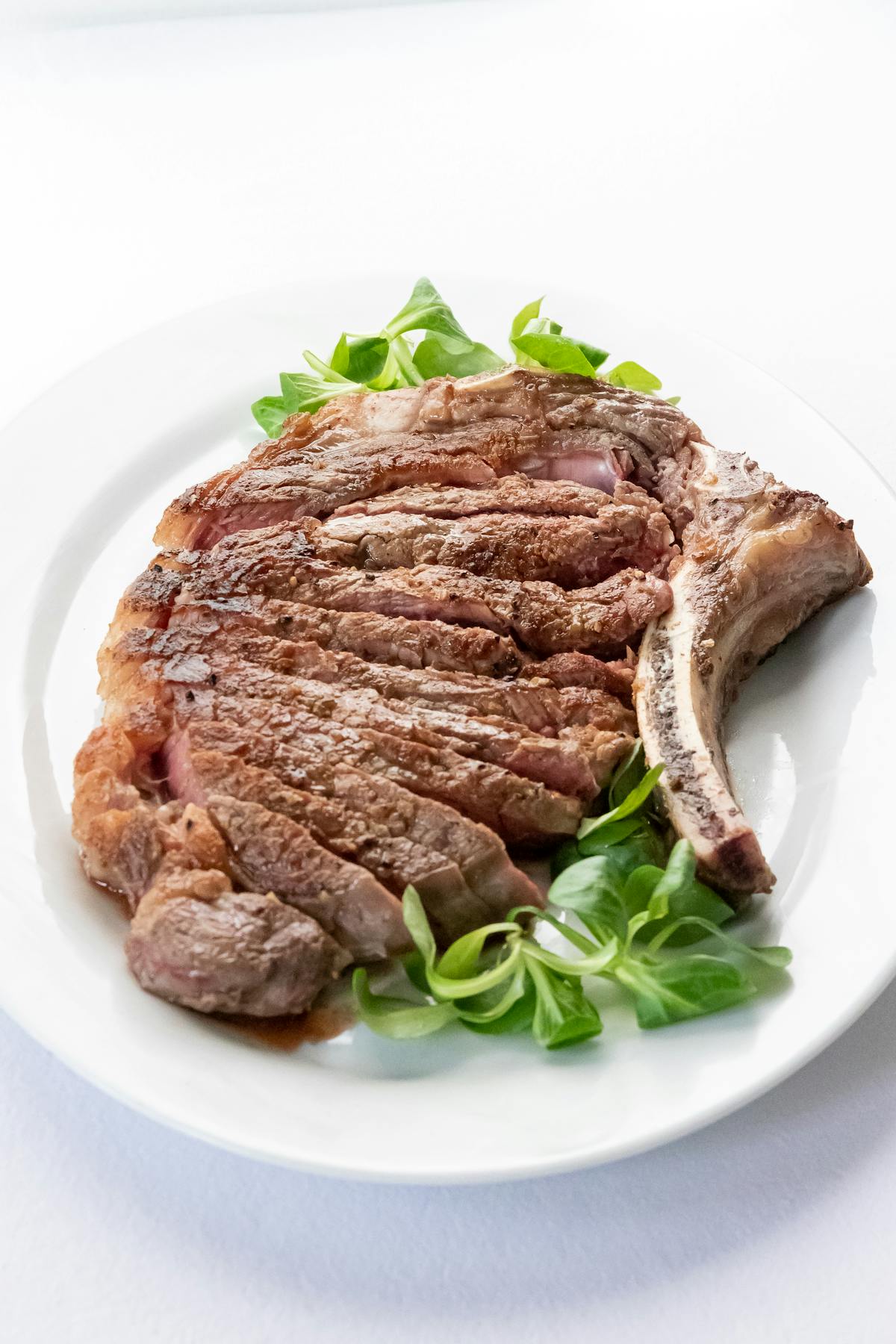
Here are a few complete plate ideas showing how you can remix the same framework into totally different dinners.
Variations, Swaps & Dietary Adaptations
High‑Protein Vegetarian Plate
Combine Greek yogurt or cottage cheese with hummus, sliced hard cheese, and a sprinkle of nuts or seeds. Add crackers, carrot sticks, tomatoes, and grapes.
Vegan Balanced Girl Dinner
Pair marinated tofu cubes with edamame, hummus, cucumber, bell pepper, olives, and whole‑grain crackers. Sprinkle hemp or pumpkin seeds over everything for extra protein.
Gluten‑Free Version
Use gluten‑free crackers, corn cakes, or roasted potatoes instead of bread. Everything else (protein, veggies, dips) can stay the same—just double‑check labels on processed items.
Lower‑Carb Option
Emphasize protein and veggies: extra chicken or tofu, cottage cheese, olives, avocado, plus lots of crunchy vegetables. Keep carbs to a small serving of crackers or fruit.
Storage, Meal Prep & Reheating
Balanced girl dinners are fantastic for light meal prep. You can batch‑prep components, then assemble fresh plates in minutes.
Fridge Storage
- Proteins: cooked chicken, tofu, and boiled eggs keep 3–4 days in airtight containers.
- Veggies: chopped carrots, peppers, and cucumbers keep 3–4 days. Store with a slightly damp paper towel.
- Dips: hummus and Greek yogurt last 5–7 days after opening (check package).
- Carbs: roasted potatoes and grains keep 3–4 days; bread is best frozen if you won’t use it in 2–3 days.
Reheating Guidelines
- Chicken, potatoes, grains: reheat in the microwave (30–60 seconds) or quickly in a skillet with a splash of water or oil.
- Bread: toast from fresh or frozen for the best texture.
- Eggs, tofu, veggies, dips: usually best served cold or at room temperature—no reheating needed.
Make‑Ahead Tip
Create a “girl dinner bin” in your fridge: pre‑cut veg, boiled eggs, a tub of hummus, a container of cooked protein, and some washed fruit. When you’re tired, you’re one reach away from a full meal.
Serving Suggestions & Pairings
These high‑protein snack plates shine on their own, but you can round them out depending on the occasion and season.
- Cozy night in: pair with a mug of soup (tomato, lentil, or chicken) for extra warmth.
- Hot summer evening: keep it chill with sparkling water, iced tea, or a light mocktail and lots of raw veg.
- Post‑workout: add a side of Greek yogurt with berries and granola to boost carbs and protein for recovery.
- Entertaining: scale everything up on a big board and let each guest build their own “balanced girl dinner” plate.

The magic of the updated girl dinner trend is that it gives you permission to eat simply, joyfully, and enough—even on nights when cooking feels like too much.
Why This High‑Protein Girl Dinner Works (Nutrition Snapshot)
This balanced girl dinner formula mirrors what many dietitians recommend for real‑world, sustainable eating:
- High protein (25–40 g) to support muscle maintenance, hormone health, and hunger control.
- Fiber‑rich produce from multiple colors for vitamins, minerals, and gut health.
- Smart carbohydrates to provide steady energy instead of a sugar crash.
- Healthy fats for satisfaction, nutrient absorption, and that luscious mouthfeel we all crave.
It keeps the aesthetic, snacky, low‑effort charm of the original trend, but gently nudges it toward long‑term health and real satiety—a win for busy nights, mental bandwidth, and your body.
