
Gut Health 2.0: Delicious Microbiome-Friendly Recipes You’ll Actually Crave
Gut Health 2.0: Fermented Foods, Polyphenols & Microbiome-Friendly Recipes
Gut Health 2.0 is where modern nutrition science meets pure cooking joy. Instead of a vague “just take a probiotic,” we’re leaning into vibrant fermented foods, rainbow‑bright polyphenol‑rich plants, and gentle eating patterns that truly nourish your microbiome—and taste incredible along the way.
In this guide, we’ll cook through a deeply comforting, gut‑loving recipe—Rainbow Kimchi & Tempeh Grain Bowl with Polyphenol Dressing—while weaving in the latest microbiome insights: why fermented foods matter, how “30 plants a week” became a thing, and how to make gut health feel like pleasure, not punishment.

What Is “Gut Health 2.0” All About?
Over the last few years, gut health has shifted from a niche wellness buzzword to a full‑blown food movement. Podcasts and popular science books dive into the microbiome; social feeds are full of “what I eat in a day for my gut” videos. The big difference now? The trend is far more food‑first and science‑driven.
Instead of fixating on a single probiotic pill, creators and researchers are celebrating:
- Fermented foods like yogurt, kefir, kimchi, sauerkraut, tempeh, miso, and kombucha.
- Plant diversity—aiming for ~30 different plants per week, not just “more fiber.”
- Polyphenol‑rich foods such as berries, extra‑virgin olive oil, green tea, coffee, dark chocolate, and deeply colored veggies.
- Gentle eating patterns with fewer ultra‑processed foods and less added sugar.
Think of Gut Health 2.0 as a long, delicious conversation between your food and your microbes—every herb, spice, and fermented bite adds a new “voice” to the mix.

Recipe Overview: Rainbow Kimchi & Tempeh Grain Bowl
This bowl brings together the heart of Gut Health 2.0: fermented veggies, plant diversity, polyphenol‑rich toppings, and a soothing, fiber‑packed base. It’s naturally vegetarian and can be made vegan and gluten‑free with simple swaps.
Prep time: 25 minutes
Cook time: 25 minutes
Total time: ~50 minutes
Servings: 4 bowls
Difficulty: Easy–Intermediate (great for confident beginners)

Equipment You’ll Need
- Medium saucepan with lid (for grains)
- Non‑stick or cast‑iron skillet (for tempeh)
- Cutting board and sharp knife
- Small bowl or jar with lid (for dressing)
- Mixing bowl (for tossing greens/veg)
- Measuring cups and spoons
- 4 serving bowls
If you’re batch cooking, a rice cooker or multi‑cooker makes this even easier—your grains can gently steam while you prep everything else.

Ingredients: Microbiome-Friendly Building Blocks
This ingredient list is designed to maximize plant diversity, fermented foods, and polyphenols while staying practical for a weeknight dinner.
For the Grain Base
- 1 cup (200 g) cooked whole grains per 2 servings, such as:
- Brown rice, quinoa, farro, barley, or a mix (about 2 cups / 400 g cooked total for 4 bowls)
- 2 cups (480 ml) water or low‑sodium vegetable broth
- 1/2 tsp sea salt (optional, adjust to taste)
For the Tempeh & Fermented Toppings
- 8 oz (225 g) tempeh, cut into bite‑size cubes or thin slices
- 1 tbsp extra‑virgin olive oil (or avocado oil)
- 2 tbsp tamari or low‑sodium soy sauce (use tamari for gluten‑free)
- 1 tbsp rice vinegar or apple cider vinegar
- 1 tsp maple syrup or honey
- 1 tsp finely grated fresh ginger
- 1 clove garlic, minced
- 1 cup (about 150 g) kimchi or fermented sauerkraut, chopped if needed
- Optional: 2 tbsp toasted sesame seeds for crunch and extra fiber
For the Rainbow Veggies
- 2 cups loosely packed mixed leafy greens (baby spinach, arugula, or mixed salad greens)
- 1 small carrot, julienned or grated
- 1 small red bell pepper, thinly sliced
- 1/2 small purple cabbage, finely shredded (about 2 cups)
- 1/2 medium cucumber, sliced or diced
- 1/2 cup (75 g) edamame or cooked chickpeas
- Small handful fresh herbs such as cilantro, parsley, or basil, roughly chopped
Polyphenol‑Rich Dressing
- 3 tbsp extra‑virgin olive oil
- 2 tbsp apple cider vinegar or fresh lemon juice
- 1 tbsp tahini or almond butter
- 1 tsp maple syrup or honey
- 1 tsp Dijon mustard
- 1 small garlic clove, finely minced (or 1/4 tsp garlic powder for a gentler option)
- 1–2 tbsp finely chopped fresh herbs (parsley, dill, or basil)
- 1–2 tbsp cold water to thin, as needed
- Sea salt and black pepper to taste
Optional Garnishes
- 1 small avocado, sliced (creamy fats help you absorb fat‑soluble polyphenols)
- 2 tbsp pumpkin seeds or sunflower seeds
- Pinch of chili flakes (if your gut tolerates heat)
- Extra drizzle of extra‑virgin olive oil
Step‑by‑Step Instructions
Follow these steps in order for a smooth, relaxed cooking flow. While the grains simmer, you’ll build layers of flavor and texture—from nutty tempeh to crisp, juicy veggies and tangy fermented toppings.
1. Cook the Whole Grains
- Rinse your chosen grain under cold water until the water runs mostly clear.
- Add grains, water or broth, and salt (if using) to a saucepan.
- Bring to a gentle boil over medium‑high heat, then reduce to low, cover, and simmer until tender:
- Brown rice: 30–40 minutes
- Quinoa: 15–20 minutes
- Farro/barley: 25–30 minutes (or per package)
- Once cooked, fluff with a fork, cover, and keep warm off the heat.
2. Make the Tempeh Marinade
- In a small bowl, whisk together tamari/soy sauce, rice vinegar, maple syrup or honey, ginger, and garlic.
- Taste and adjust: add a splash more vinegar for brightness or a touch more sweetener if it tastes too sharp.
- Add the tempeh pieces and gently toss to coat. Let it soak while you prep the veggies (at least 10 minutes, up to 30).
3. Prep the Rainbow Veggies & Ferments
- Wash and thoroughly dry all vegetables and herbs.
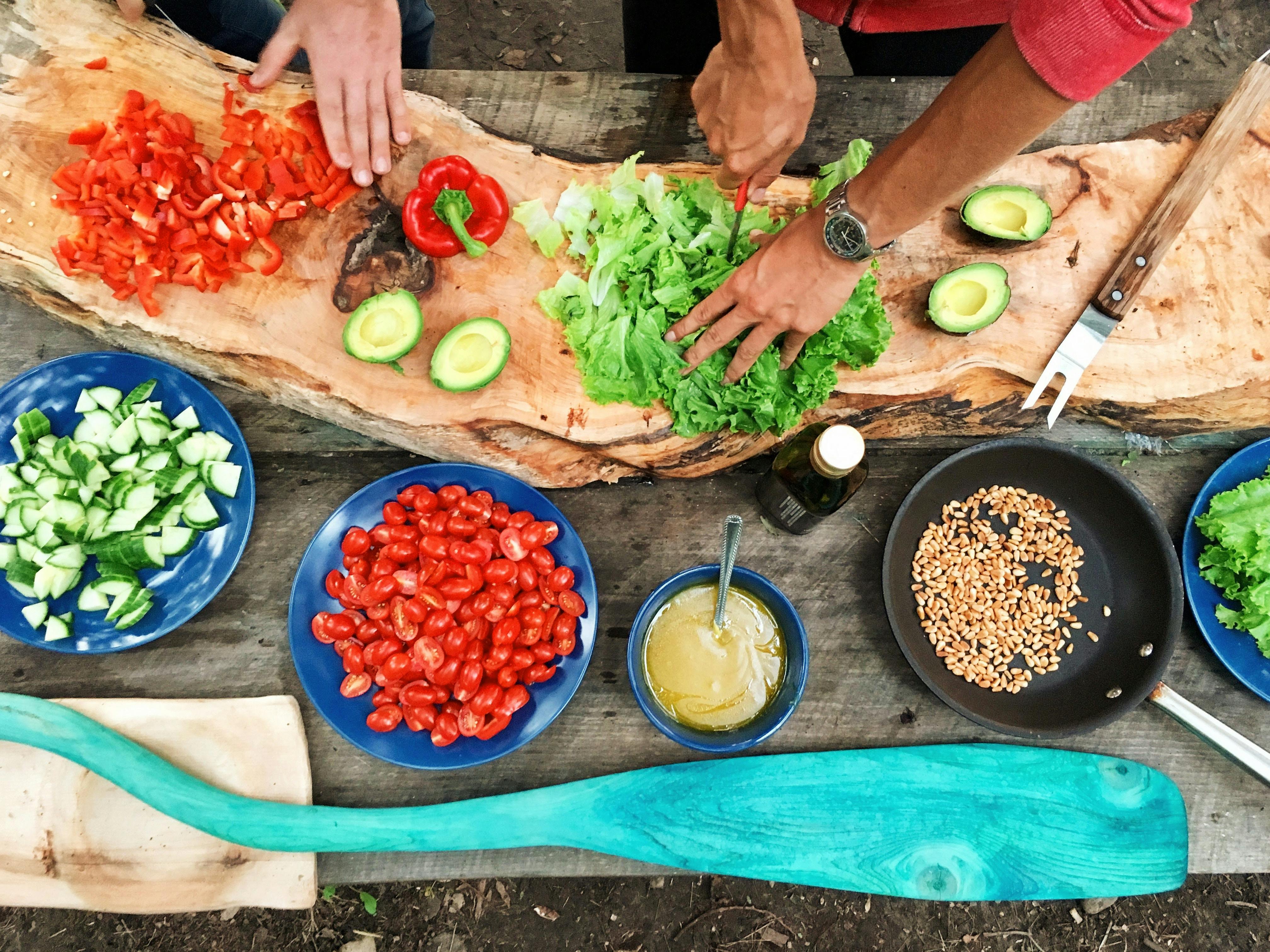
- Julienne or grate the carrot; thinly slice the red bell pepper; shred the purple cabbage; slice or dice the cucumber.
- Roughly chop your fresh herbs.
- Measure out the greens, edamame or chickpeas, and kimchi/fermented sauerkraut.
- Keep everything in separate piles or bowls so it’s easy to assemble later.

4. Sear the Tempeh
- Heat the olive oil in a non‑stick or cast‑iron skillet over medium heat.
- Using tongs or a fork, transfer tempeh pieces to the pan, reserving any extra marinade.
- Cook 3–4 minutes per side until golden and lightly crisp at the edges.
- Pour in the remaining marinade during the last minute of cooking, tossing to coat until it reduces to a glossy glaze.
- Remove from heat and set aside.
5. Whisk the Polyphenol‑Rich Dressing
- In a small bowl or jar, combine olive oil, vinegar or lemon juice, tahini or almond butter, maple syrup or honey, Dijon mustard, garlic, and herbs.
- Whisk or shake until creamy and emulsified.
- Add 1–2 tbsp water a little at a time until the dressing is pourable but still coats a spoon.
- Season with salt and pepper to taste.
6. Assemble the Bowls
- Divide the warm cooked grains among 4 serving bowls.
- Arrange greens, shredded cabbage, carrot, bell pepper, cucumber, and edamame or chickpeas on top of each bowl, keeping them in colorful sections.
- Add a generous spoonful of kimchi or sauerkraut to each bowl.
- Top with warm glazed tempeh pieces.
- Drizzle each bowl with the polyphenol dressing.
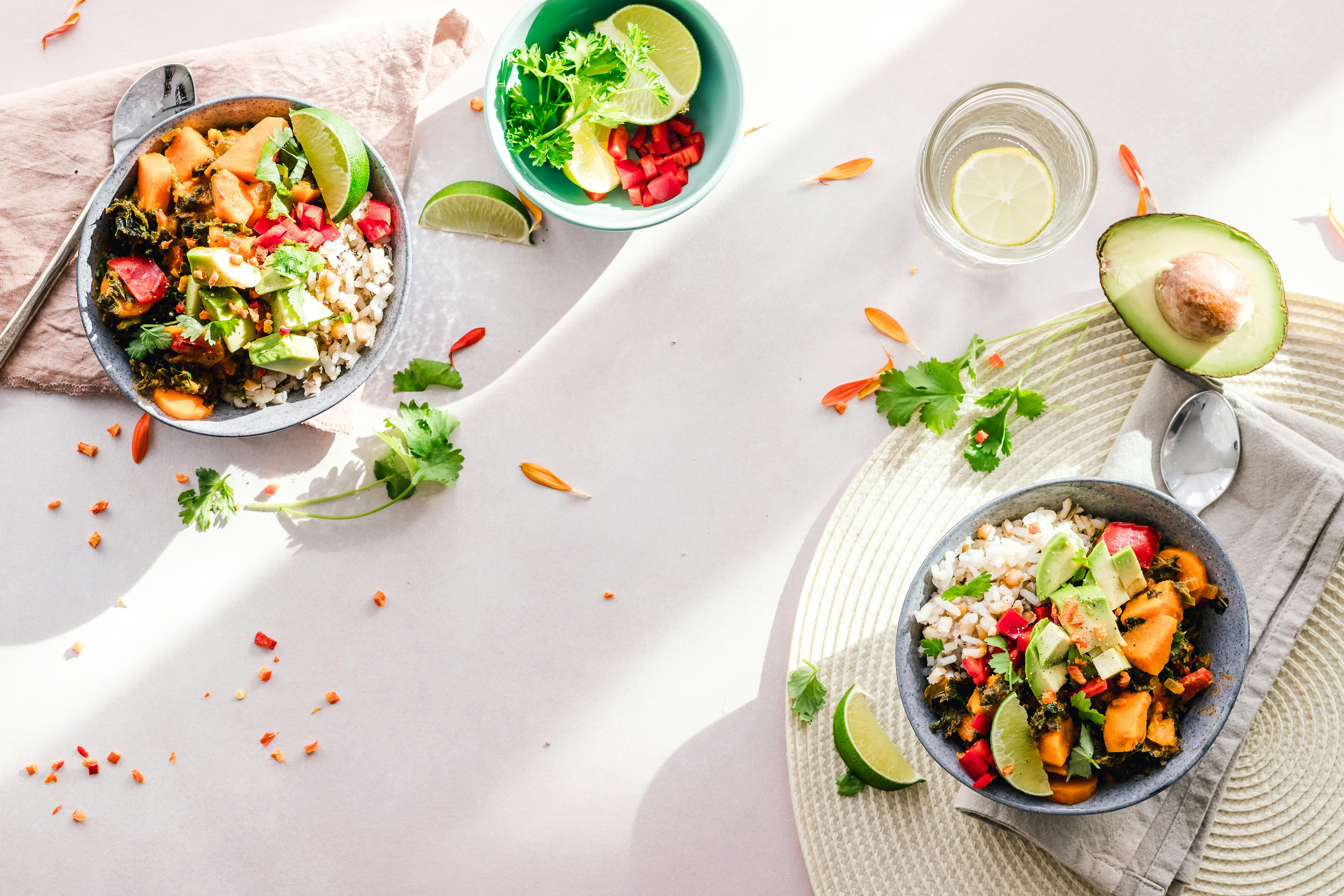
- Finish with herbs, sesame seeds, pumpkin seeds, avocado slices, and a tiny sprinkle of chili flakes if desired.
Variations, Swaps & Dietary Adaptations
Think of this as a template rather than a fixed recipe. Your microbes love variety, and so does your palate.
Protein Swaps
- Vegan: Stick with tempeh or swap in marinated tofu or crispy roasted chickpeas.
- Pescatarian: Try miso‑glazed salmon or grilled sardines for extra omega‑3s.
- Omnivore: Use leftover roast chicken or thinly sliced steak, marinated in the same sauce.
Grain & Base Options
- Gluten‑free: Choose quinoa, brown rice, millet, or buckwheat.
- Lower‑carb: Use a mix of cauliflower rice and leafy greens with a smaller scoop of whole grains.
- Breakfast version: Swap grains for overnight oats or savory steel‑cut oats and top with a soft‑boiled egg plus kimchi.
Fermented Food Ideas
- Dairy‑free yogurt: Spoon a dollop of plain coconut or almond yogurt on the side.
- Miso drizzle: Whisk a bit of miso into the dressing for extra umami.
- Pickled veggies: Add quick‑pickled onions or radishes for extra tang.
How This Bowl Supports Gut Health 2.0
Behind the beautiful colors, there’s a thoughtful strategy inspired by current microbiome research and popular “gut‑friendly” eating patterns.
- Fermented foods as everyday superfoods: The kimchi or sauerkraut brings living microbes and postbiotic compounds that may support microbial diversity and local gut immunity.
- Fiber diversity, not just amount: Grains, legumes, veggies, herbs, seeds, and ferments each offer unique fibers and resistant starches that feed different microbes.
- Polyphenol power: Extra‑virgin olive oil, herbs, colorful veggies, and optional additions like green tea or berries on the side provide polyphenols that your microbes help transform into beneficial metabolites.
- Gentle pattern, not strict rules: This bowl pairs well with lower ultra‑processed intake and moderate added sugar, aligning with many gut‑soothing approaches people use for bloating, reflux, or IBS‑type symptoms.
Personalized tools like microbiome tests and continuous glucose monitors are becoming more common, but experts generally agree: diverse plants, fermented foods, adequate protein, stress care, and good sleep are powerful foundations no matter your test results.
Storage, Meal Prep & Reheating
This recipe is perfect for gut‑friendly meal prep, as long as you store each component thoughtfully.
- Cooked grains: Store in an airtight container in the fridge for up to 4 days. Reheat with a splash of water on the stove or in the microwave, covered, until warm and fluffy.
- Tempeh: Keep in a separate container in the fridge for up to 3 days. Reheat in a skillet over medium heat or briefly in the microwave.
- Fresh veggies & herbs: Store dry, in a sealed container with a paper towel to absorb moisture. Best within 3–4 days.
- Kimchi/ferments: Keep in their original jar, tightly sealed, refrigerated. Add to bowls cold just before serving.
- Dressing: Refrigerate in a jar with a tight lid for up to 5 days. It will thicken; thin with a splash of water or lemon juice and shake well before using.
Serving Ideas & Complementary Gut‑Friendly Dishes
Turn this grain bowl into the centerpiece of a full Gut Health 2.0 day of eating with these simple pairings:
- Breakfast: Overnight oats with chia seeds, berries, and a spoonful of plain yogurt or kefir.
- Snack: A square of dark chocolate (70%+ cacao) with a handful of walnuts and green tea.
- Side dish: Miso soup with seaweed and tofu, or a small cucumber‑kimchi salad.
- Drink pairing: Lightly sweetened kombucha or a simple infused water with ginger and lemon.
- Dessert: Berries with a drizzle of extra‑virgin olive oil and a sprinkle of crushed pistachios.
Most importantly, listen to your own body. Your gut health journey is personal, and it’s absolutely okay to adapt ingredients, textures, or portions so that meals feel both comforting and sustainable.
Recipe Metadata
The following structured data helps search engines understand this gut‑healthy recipe and present it more clearly in search results.
