
Gut Health 2.0: Cookable, Craveable Ways to Feed Your Microbiome
Gut Health 2.0: From Trend to Tasty Everyday Cooking
Gut health has quietly moved from the fringes of wellness culture to the very heart of how many of us think about food. Instead of vague probiotic promises, we’re now talking about fermented foods, prebiotic fibers, and microbiome‑friendly “microbiome diets”—often inspired by long‑form podcasts, TikTok explainers, and deeply nerdy YouTube videos from doctors and dietitians.
The beautiful twist? This science‑y wave is nudging us back toward whole, minimally processed, plant‑forward meals that smell incredible, taste vibrant, and are deeply satisfying to cook and eat at home.

Why Gut Health Is Everywhere Right Now
Search trends for phrases like “microbiome diet,” “fermented foods benefits,” “prebiotic vs probiotic,” and “gut‑healthy recipes” just keep climbing. Creators are sharing “what I eat in a day for gut health” vlogs, printable infographics, and “7‑day microbiome reboot” challenges. Meanwhile, researchers are highlighting:
- Daily fermented foods to add beneficial microbes
- Prebiotic fibers to feed those microbes
- Diverse plant foods and fewer ultra‑processed products for a more resilient gut ecosystem
At‑a‑Glance: Gut‑Healthy Cooking Cheat Sheet
Use this quick overview as your friendly compass while you cook your way through Gut Health 2.0.
Key Strategies
- Eat 1 fermented food most days
- Include prebiotic fiber in meals & snacks
- Aim for about 30 plant foods per week
- Keep ultra‑processed foods to a gentle minimum
Everyday Gut‑Friendly Swaps
- Breakfast: sugary cereal → oats + yogurt + banana
- Lunch: deli sandwich → grain bowl with beans & kimchi
- Snack: chips → nuts, fruit, or hummus with veg
- Drink: soda → sparkling water or kombucha
Fermented Foods 2.0: Tangy Everyday “Super Foods”
Fermented foods have become the quiet celebrities of gut‑health TikTok and podcast land. We’re talking creamy yogurt and kefir, fiery kimchi, crunchy sauerkraut, savory miso and tempeh, effervescent kombucha, and even certain aged cheeses.
During fermentation, friendly microbes transform simple ingredients into deep, complex flavors—think funky‑salty, pleasantly sour, lightly effervescent—while also creating live cultures that may help support microbiome diversity.
How Fermented Foods Fit into the Microbiome Diet
Recent research—often highlighted in popular science books and long‑form interviews—suggests that regular intake of fermented foods may:
- Increase microbiome diversity (more species, more resilience)
- Help lower certain markers of inflammation
- Support digestion for some people by introducing beneficial microbes
On social media, that’s turned into challenges like eat one fermented food per day
, often in fun, cookable ways: kimchi fried rice, miso soup, kefir smoothies, and sauerkraut‑topped grain bowls.
Prebiotics: Feeding Your Gut’s Good Bacteria
If probiotics are the microbes themselves, prebiotics are their favorite food. These special fibers pass through your small intestine undigested and are fermented by your gut bacteria, producing short‑chain fatty acids (SCFAs) like butyrate that support colon health and metabolic regulation.
Popular Prebiotic‑Rich Foods
Many “gut‑healthy recipes” now spotlight ingredients like:
- Oats, barley, and other whole grains
- Onions, garlic, leeks, asparagus
- Bananas (especially slightly green), apples, and berries
- Jerusalem artichokes, chicory root, sunchokes
- Beans and lentils of all colors
A powerful pattern in current content: combining prebiotic fibers plus fermented foods in one dish—like oat bowls with yogurt and banana, or hearty grain bowls with beans and kimchi.
Plant Diversity & Minimally Processed Eating
One of the most influential microbiome ideas is delightfully simple: aim for roughly 30 different plant foods per week. That includes fruits, vegetables, whole grains, beans, lentils, nuts, seeds, herbs, and spices.
On social media, this has turned into playful 30‑plants‑a‑week
challenges and rainbow salad jars. People snap photos of grocery hauls, tally their herbs and seeds, and compare colorful meal preps.

Why Plant Variety Matters
- Different plants provide different fibers, feeding a wider range of microbes.
- Colorful produce brings diverse polyphenols and antioxidants.
- Herbs, spices, nuts, and seeds boost both flavor and microbiome‑friendly compounds.
At the same time, many microbiome researchers and clinicians suggest gently placing fewer ultra‑processed foods at the center of the plate. Observational studies link heavy intake of ultra‑processed foods with less favorable microbiome patterns, though the science is still emerging.
2 Gut‑Healthy Recipes to Bring the Microbiome Diet to Life
Let’s turn all this into food you’ll crave. Below are two flexible, weeknight‑friendly recipes that weave together fermented foods, prebiotic fiber, and colorful plants. Both are easily adapted for vegetarian, vegan, or gluten‑free eaters.
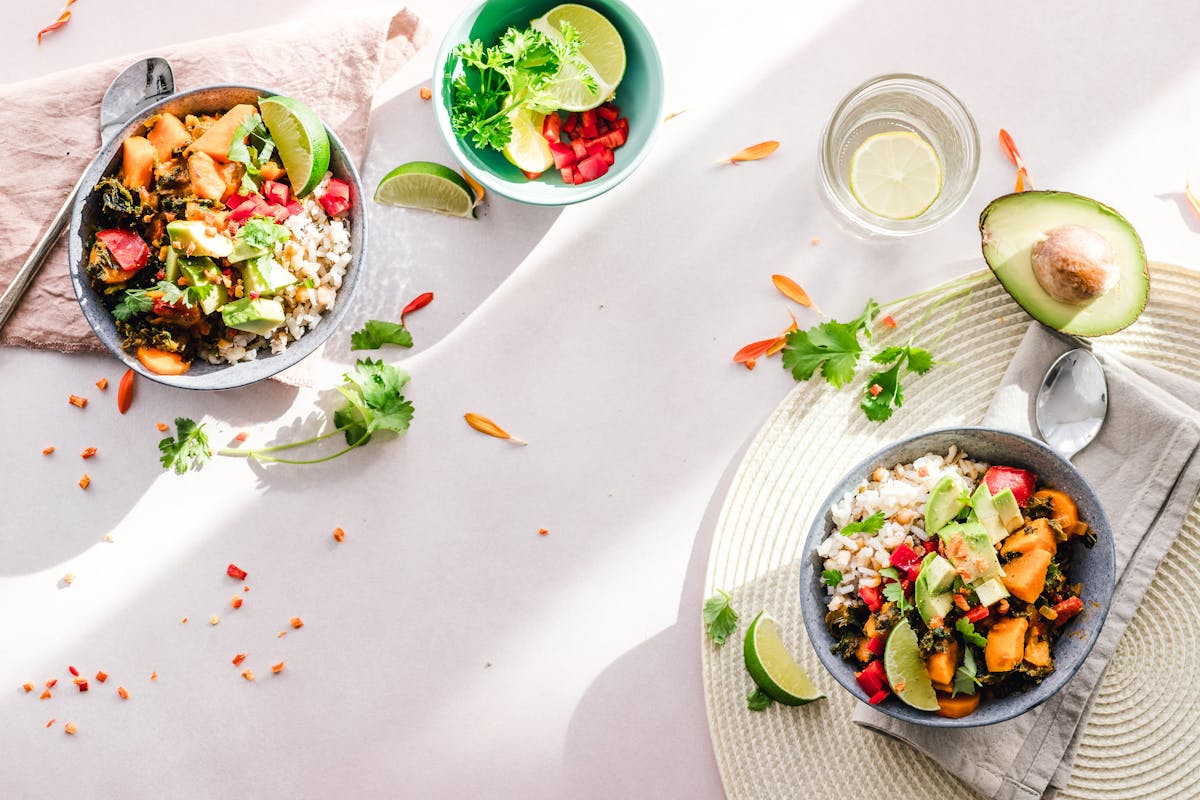
Savory Kimchi & Bean Brown Rice Bowl (Gut‑Healthy Grain Bowl)
This cozy, savory grain bowl brings together fermented kimchi, prebiotic‑rich beans and onions, and a colorful mix of veggies over hearty brown rice. It’s deeply flavorful, weeknight‑friendly, and a perfect gateway into everyday gut‑healthy cooking.
Prep Time:
Cook Time:
Total Time:
Servings: 4 bowls
Difficulty: Easy
Diet: Vegetarian, easily vegan & gluten‑free
Ingredients
For 4 generous bowls
Base
- 1 cup (200 g) brown rice, rinsed
- 2 cups (480 ml) water or low‑sodium vegetable broth
- 1/2 tsp fine sea salt (optional if broth is salty)
Bean & Veggie Topping
- 1 Tbsp olive oil or avocado oil
- 1 small onion, finely diced (prebiotic)
- 2 cloves garlic, minced (prebiotic)
- 1 medium carrot, thinly sliced into half‑moons
- 1 small zucchini, sliced
- 1 cup (about 70 g) thinly sliced cabbage or kale
- 1 can (15 oz / 400 g) beans of choice (black, navy, or cannellini), drained and rinsed
- 2 Tbsp tamari or soy sauce (use gluten‑free tamari if needed)
- 1 Tbsp rice vinegar or apple cider vinegar
- 1 tsp toasted sesame oil (optional but delicious)
- Freshly ground black pepper, to taste
Fermented & Fresh Toppings
- 1–1.5 cups (about 200–300 g) kimchi, roughly chopped (check for fish sauce if vegetarian/vegan)
- 2 green onions, finely sliced
- 2 Tbsp sesame seeds or mixed seeds
- Fresh cilantro or parsley, chopped (optional)
- Fried or soft‑boiled eggs for topping (optional; omit or use tofu for vegan)
Equipment
- Medium saucepan with lid (for rice)
- Large skillet or sauté pan
- Cutting board and sharp knife
- Wooden spoon or spatula
- Measuring cups and spoons
Step‑by‑Step Instructions
- Cook the brown rice.
Add the rice, water or broth, and salt to a medium saucepan. Bring to a boil, then reduce heat to low, cover, and cook for 25–30 minutes, until the rice is tender and the liquid is absorbed. Turn off heat and let sit, covered, for 5–10 minutes, then fluff with a fork. - Prep your vegetables and toppings.
While the rice cooks, dice the onion, mince the garlic, slice the carrot, zucchini, and cabbage or kale, and chop the kimchi and herbs. Rinse the beans. Set everything in small bowls so assembly feels relaxed. - Sauté the aromatics.
Heat the olive oil in a large skillet over medium heat. Add the onion and a pinch of salt. Cook 3–4 minutes, stirring occasionally, until the onion is soft and translucent. Add the garlic and cook another 30–60 seconds, just until fragrant. - Add the veggies.
Add the carrot and zucchini to the skillet. Sauté 4–5 minutes until just tender but still a bit crisp. Toss in the cabbage or kale and cook 2–3 minutes more, until wilted but brightly colored. - Stir in the beans and seasonings.
Add the beans, tamari or soy sauce, vinegar, and sesame oil (if using). Stir gently and cook for 2–3 minutes, just until everything is warmed through. Taste and adjust seasoning with more tamari, pepper, or a splash of vinegar. - Warm the kimchi (optional).
For a sharper, more probiotic‑focused kimchi, leave it cold. For a mellower, cozier bowl, stir half of the kimchi into the hot pan for 30–60 seconds, just to heat through, and save the rest for topping. - Assemble the bowls.
Divide the warm brown rice among 4 bowls. Top with generous spoonfuls of the bean‑veggie mixture. Add piles of kimchi (cold or warm), then sprinkle with green onions, sesame seeds, and herbs. Finish with an egg or crispy tofu if you like. - Serve and savor.
Enjoy while warm. Each bite should be a contrast of chewy rice, creamy beans, crunchy vegetables, and bright, tangy kimchi—comforting and lively all at once.
Storage & Reheating
Store rice and bean‑veggie mixture together in an airtight container in the refrigerator for up to 4 days. Keep kimchi and fresh toppings separate so they stay crisp.
- Reheat: Warm the rice and beans in a skillet with a splash of water, or in the microwave covered, until steaming hot.
- Serve: Add cold kimchi and fresh toppings after reheating to preserve texture and more live cultures.
Creamy Gut‑Friendly Kefir Oat Bowl with Banana & Berries
This breakfast bowl layers prebiotic oats and banana with tangy kefir or yogurt and a sprinkle of nuts and seeds. It’s a quick, microbiome‑friendly meal you can customize endlessly—and it tastes like a luxurious, creamy parfait.
Prep Time:
Cook Time:
Total Time:
Servings: 2 bowls
Difficulty: Very easy
Diet: Vegetarian, gluten‑free with GF oats; dairy‑free option
Ingredients
Oat Base
- 1 cup (90 g) rolled oats (use certified gluten‑free if needed)
- 1 cup (240 ml) unsweetened kefir or plain yogurt (dairy or plant‑based)
- 1/2 cup (120 ml) water or milk of choice
- 1 Tbsp chia seeds or ground flaxseeds
- 1/2 tsp ground cinnamon
- 1–2 tsp honey or maple syrup (optional, to taste)
Toppings
- 1 slightly green‑tinged banana, sliced (prebiotic)
- 1/2–1 cup mixed berries (fresh or frozen, thawed)
- 2–3 Tbsp mixed nuts and seeds (e.g., walnuts, pumpkin seeds, sunflower seeds)
- 1–2 Tbsp unsweetened shredded coconut (optional)
- Extra kefir or yogurt for drizzling
Equipment
- Medium bowl or jar (with lid if chilling overnight)
- Spoon or spatula
- Measuring cups and spoons
Step‑by‑Step Instructions
- Mix the oat base.
In a medium bowl or jar, combine the oats, kefir or yogurt, water or milk, chia or flax, cinnamon, and sweetener if using. Stir well until everything is evenly moistened. - Choose your texture: quick or overnight.
For a quicker version, let the mixture sit at room temperature for about 5–10 minutes, stirring once or twice, until slightly thickened. For ultra‑creamy overnight oats, cover and refrigerate for at least 4 hours or up to 3 days. - Prepare toppings.
When you’re ready to eat, slice the banana and get your berries, nuts, seeds, and coconut (if using) ready. This is a great moment to rotate different fruits and seeds to boost your weekly plant count. - Assemble the bowls.
Divide the oat mixture between two bowls. Arrange banana slices and berries on top. Sprinkle with mixed nuts, seeds, and coconut. Drizzle with a spoonful of extra kefir or yogurt for a beautiful, glossy finish. - Adjust sweetness and enjoy.
Taste and add an extra drizzle of honey or maple if you like it sweeter. The final bowl should taste creamy, tangy, and lightly sweet, with crunch from the nuts and seeds and bright, juicy pops of fruit.

Storage & Make‑Ahead Tips
The oat mixture keeps well in the refrigerator for up to 3 days. For best texture and freshness, add fruit and crunchy toppings right before serving.
- Meal prep: Portion the oat base into jars, then pack toppings in separate containers.
- On‑the‑go: Layer oats on the bottom, firmer fruits (like apple) in the middle, and nuts/seeds on top so they stay crunchy.
Serving Ideas & Microbiome‑Friendly Meal Planning
To build a day of eating that supports your gut—without feeling rigid or diet‑y—think in terms of easy, delicious building blocks.
A Sample Gut‑Supportive Day
- Breakfast: Kefir oat bowl with banana, berries, and mixed seeds.
- Lunch: Leftover kimchi & bean brown rice bowl with a handful of leafy greens.
- Snack: Apple slices with peanut butter, or carrots with hummus.
- Dinner: Baked salmon or tofu, roasted root vegetables, and a side of sauerkraut.
- Optional sip: A small glass of kombucha or a cup of miso broth.
Across the day, you’ve woven in multiple fermented foods, several prebiotic fibers, and a generous variety of plants—no extreme rules required.
A Gentle Note on Gut Health, Symptoms & Supplements
While gut‑healthy recipes and microbiome‑friendly diets are exciting, they’re not a cure‑all. Many people—including celebrities and influencers—share stories about bloating, IBS, or skin concerns improving with diet, but responses are highly individual.
If you live with digestive conditions, food intolerances, or are taking medications, personalized advice from a qualified health professional is important before making major dietary shifts or adding concentrated prebiotic/probiotic supplements.
Cooking with Curiosity: Your Microbiome, Your Kitchen
At its heart, the “microbiome diet” movement is less about strict rules and more about curiosity, color, and variety. By playing with fermented foods, layering in prebiotic fibers, and embracing plant diversity, you’re not just following a trend—you’re cooking in a way that tends to be nourishing, satisfying, and deeply flavorful.
Start simply: add one fermented food to your day, switch one snack for something fiber‑rich, or turn one meal into a colorful bowl. Your gut microbes don’t need perfection—just a steady stream of delicious, minimally processed plants and ferments to keep them happily humming along.
Above all, let your gut‑healthy kitchen be a place of exploration, not pressure. Taste as you go, try new ingredients, and enjoy the process of feeding both yourself and your microbiome well.
