
Cottage Cheese Comeback: The High‑Protein Super Snack Taking Over Social Media
The Cottage Cheese Comeback: High‑Protein “Super Snack” Culture
Once pegged as an old‑fashioned “diet food,” cottage cheese has burst back onto the scene as a high‑protein, endlessly versatile star of social media. From TikTok to Instagram Reels and YouTube Shorts, creators are spinning it into ice‑cream‑like desserts, cookie‑dough bowls, snacky toasts, and protein‑packed breakfasts that fit perfectly into today’s love affair with quick, macro‑friendly meals.
In this guide, we’ll walk through why cottage cheese is trending now, how to use it in both sweet and savory recipes, and then dive into a detailed, step‑by‑step recipe for a silky cottage cheese “ice cream” that feels indulgent but is secretly loaded with protein.

Why Cottage Cheese Is Trending Again
Cottage cheese has re‑emerged as a huge nutrition and recipe trend because it slots neatly into the current obsession with high‑protein, low‑effort, nutrient‑dense foods that support weight management, muscle gain, and lasting fullness.
- Viral recipes: Cottage cheese ice cream, cottage cheese cookie dough, and cottage cheese bread have collectively earned tens of millions of views on short‑form video.
- Macro‑friendly nutrition: A typical ½ cup (about 110–120 g) serving of low‑fat cottage cheese can deliver around 12–14 g of protein with relatively few calories.
- Versatility: It’s naturally mild and creamy, so it works in sweet parfaits and desserts as easily as in savory bowls, toasts, and bakes.
Nutritionally, cottage cheese is rich in casein protein, a slow‑digesting protein that can help with prolonged satiety and overnight muscle repair. It also provides calcium, phosphorus, B vitamins and, in some cultured varieties, probiotic bacteria.
That makes it especially appealing to:
- Fitness enthusiasts wanting a convenient, low‑prep protein source.
- People following calorie‑restricted, high‑protein, or low‑carb plans (including some GLP‑1 users and intermittent fasters).
- Busy professionals and parents who rely on grab‑and‑go options that are more nourishing than a granola bar.

Sweet, Savory, and Viral: How Creators Use Cottage Cheese
One of the joys of cottage cheese is how easily it slips into your routine: it can be dessert, a dip, a spread, or the “protein backbone” of a full meal. Below are the main categories you’ll see over and over in trending videos.
1. High‑Protein Cottage Cheese Desserts
For dessert lovers, cottage cheese is being blended into creamy, spoon‑able treats that mimic ice cream, cheesecake, or cookie dough— but with a fraction of the sugar and a big hit of protein.
- Cottage cheese ice cream: Blended with frozen fruit, a sweetener, and flavorings like vanilla, cocoa, or peanut butter to create a soft‑serve‑like swirl.
- Protein cookie dough bowls: Mixed with a spoonful of flour or oats, vanilla, and chocolate chips to mimic cookie dough or cheesecake filling.
2. Savory Bowls and High‑Protein Toasts
When you treat cottage cheese more like a creamy cheese spread or yogurt, whole new savory doors open.
- Protein toasts: Swap cream cheese or mayo for cottage cheese on crisp toast; top with avocado, smoked salmon, tomatoes, cucumber, or everything‑bagel seasoning.
- Mediterranean‑style bowls: Build a bowl with cottage cheese, cucumbers, cherry tomatoes, olives, and herbs, drizzled with olive oil and lemon.
3. Baking and Cooking Hacks
Because it’s creamy but relatively low in fat (depending on the variety), cottage cheese plugs into all kinds of cooked dishes:
- Blend into pancake or waffle batter for extra protein and tenderness.
- Use in lasagna, stuffed shells, or casseroles instead of ricotta for a lighter, higher‑protein filling.
4. Satiety, Diet Trends, and Pre‑Bed Snacks
Because casein digests slowly, cottage cheese has long been popular among athletes as a before‑bed snack to support muscle repair overnight. Now it’s also a staple in:
- High‑protein weight‑loss approaches that emphasize fullness.
- 16:8 intermittent fasting schedules, to “front‑load” protein during the eating window.
- High‑protein breakfasts that delay mid‑morning cravings.

Cottage Cheese “Ice Cream” Recipe (High‑Protein, No‑Churn)
Quick Recipe Summary
Prep time: 10 minutes
Cook time: 0 minutes
Total time: 10 minutes (plus optional 1–2 hours freezing)
Servings: 2
Difficulty: Easy
Ingredients for High‑Protein Cottage Cheese Ice Cream
This base recipe is flexible and beginner‑friendly. You only need a few pantry and freezer staples.
- 1 cup (about 225 g) cottage cheese, 2% or low‑fat
Full‑fat makes it extra creamy; low‑fat keeps calories and fat lower while still feeling rich. - 1½ cups (about 225 g) frozen fruit
Frozen berries, cherries, peaches, or mango all work beautifully. - 2–3 tablespoons liquid sweetener, to taste
Honey, maple syrup, agave, or a sugar‑free sweetener if preferred. - 1 teaspoon pure vanilla extract
- Pinch of fine sea salt to sharpen flavor.
- Optional mix‑ins: 1 tablespoon nut butter or 1 tablespoon cocoa powder for chocolate flavor.
- Optional toppings: fresh berries, chopped nuts, dark chocolate chips, granola, or shredded coconut.
Equipment You’ll Need
- High‑speed blender or food processor (essential for a silky texture).
- Rubber spatula for scraping down the sides.
- Measuring cups and spoons.
- Shallow freezer‑safe container with a lid (for firmer, scoopable ice cream).
- Bowls and spoons for serving.
Step‑by‑Step Instructions (With Visual Guide)
- Prepare your ingredients.
Remove your frozen fruit from the freezer right before blending so it stays nice and icy. Measure the cottage cheese, sweetener, and vanilla. - Load the blender or food processor.
Add cottage cheese, frozen fruit, sweetener, vanilla, and a pinch of salt to the blender. - Blend until ultra‑smooth.
Start on low, then increase to high. Stop and scrape down the sides as needed. It should go from chunky to lusciously smooth and thick, like soft‑serve. - Adjust flavor and add mix‑ins.
Taste and add more sweetener if needed. If using nut butter or cocoa powder, add now and blend again until fully incorporated. - Choose your texture: soft‑serve or scoopable.
Serve immediately for soft‑serve style, or freeze 1–2 hours in a shallow container for firmer scoops, stirring once halfway through. - Garnish and enjoy.
Top with fresh fruit, crunchy nuts, or a sprinkle of dark chocolate chips for texture and flavor contrast.



Flavor Variations and Dietary Adaptations
Once you’ve tried the basic cottage cheese ice cream, it’s easy to riff on it. Think of cottage cheese as your high‑protein blank canvas.
- Chocolate peanut butter swirl: Add 1 tablespoon cocoa powder and 1–2 tablespoons peanut or almond butter; top with chopped dark chocolate.
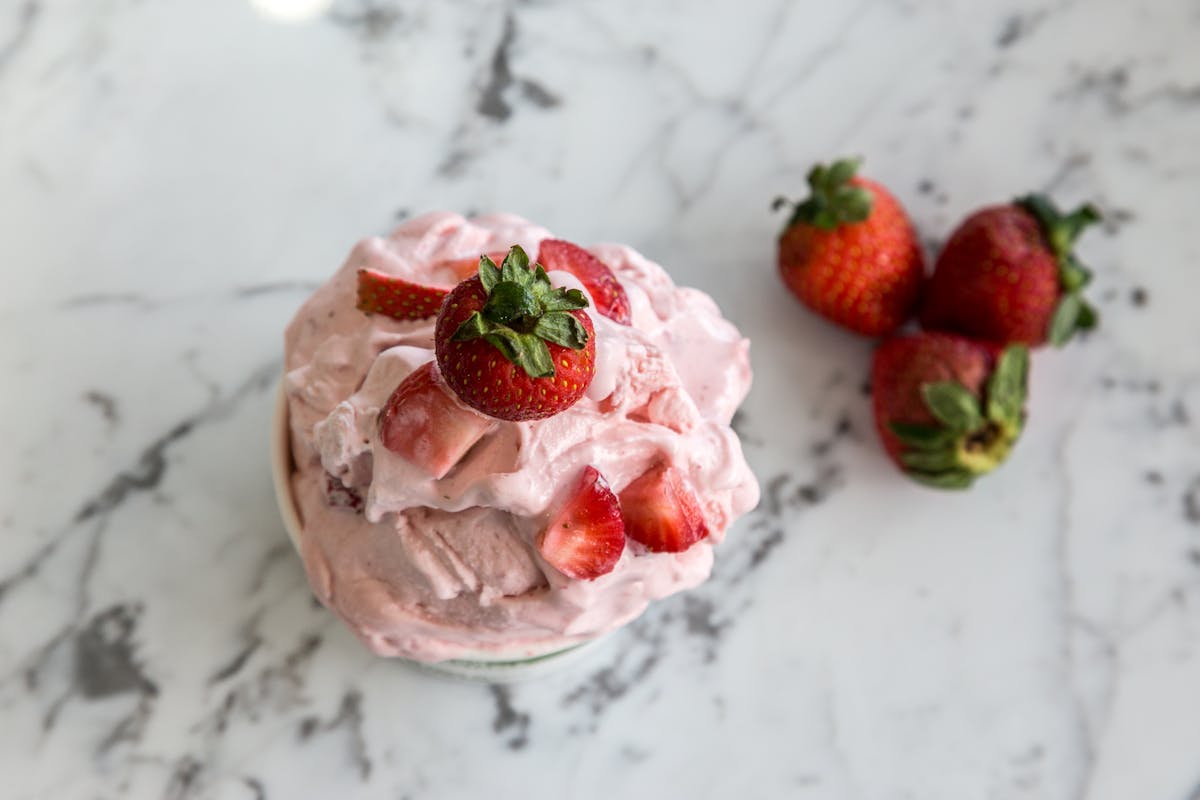
- Strawberry cheesecake: Use frozen strawberries, add a splash of lemon juice and a drop of almond extract; crumble a graham cracker on top.
- Tropical sunrise: Use a mix of frozen mango and pineapple, sweeten lightly, and finish with toasted coconut flakes.
- Lower‑sugar fitness bowl: Use berries, a sugar‑free sweetener, and top with seeds and nuts for a balanced post‑workout treat.
For many lifters and runners, this dessert quietly doubles as a recovery snack—cool, creamy, and surprisingly filling thanks to all that casein‑rich protein.
Storage and Reheating (Softening) Tips
Cottage cheese ice cream is best enjoyed fresh, but you can absolutely store it for later.
- Fridge: The blended mixture (before freezing) will keep in an airtight container in the refrigerator for up to 2 days. Re‑blend with a handful of ice or frozen fruit before serving.
- Freezer: Once frozen, keep tightly covered for up to 1 week. Texture will gradually become icier.
- To soften: Let the container sit at room temperature for 10–15 minutes, then stir or briefly pulse in the blender to restore creaminess.
How to Serve: Building a High‑Protein Cottage Cheese Menu
To really lean into the cottage cheese trend, you can turn it into a full day of delicious, high‑protein meals and snacks:
- Breakfast: Savory cottage cheese toast with avocado and tomatoes, or a sweet bowl with fruit and nuts.
- Lunch: Mediterranean cottage cheese bowl with cucumbers, olives, chickpeas, and herbs.
- Snack: Cottage cheese with everything‑bagel seasoning and veggie sticks.
- Dessert: A bowl of cottage cheese “ice cream” or cookie‑dough‑style cottage cheese with chocolate chips.
Accessibility and Friendly Cooking Notes
This recipe is designed to be approachable for home cooks at every level. You don’t need fancy tools or advanced skills—if you can measure and press “blend,” you can make this dessert.
- Use clear measuring cups and bright contrast bowls if low vision is a concern.
- A food processor can be easier than a tall blender if reaching or pouring is difficult.
- You can pause between steps—nothing here is time‑sensitive or fussy.
Above all, treat this as a playful, forgiving recipe. Taste as you go, adjust the sweetness, and make it your own. Cottage cheese is having its moment because it fits real life: fast, flexible, and quietly good for you.
