
Dietitians Say This Is the #1 Fruit for Better Blood Sugar (And Easy Ways to Enjoy It)
If you’ve ever stared at a bowl of fruit and wondered, “Is this going to spike my blood sugar?” you’re not alone. Many people trying to manage prediabetes, diabetes or energy crashes feel confused about which fruits are actually blood-sugar friendly.
According to dietitians and emerging research, one fruit consistently rises to the top: blueberries. They’re naturally sweet, easy to use in everyday meals, and surprisingly gentle on blood sugar when enjoyed in realistic portions.
In this article, we’ll unpack why blueberries are such a smart choice for blood sugar, how they compare to other fruits, and practical, dietitian-style ways to add them to your routine—without feeling like you’re on a diet.
:max_bytes(150000):strip_icc()/The-1-Fruit-for-Better-Blood-Sugar-According-to-Dietitians-9826707b6c4c4f5f872f168fb023bc6a.jpg)
Why Blood Sugar and Fruit Feel So Confusing
Fruit has natural sugar, but that doesn’t automatically make it “bad” for blood sugar. The challenge is that:
- Different fruits have different effects on glucose levels.
- Portion size, what you eat with the fruit, and time of day all matter.
- People with prediabetes or diabetes are often told to “avoid sugar” without clear guidance.
The goal isn’t to cut out fruit; it’s to choose fruits that deliver fiber and antioxidants along with their natural sweetness, and to pair them in ways that support more stable blood sugar.
“When we look at the research on berries and blood sugar, blueberries consistently stand out. They provide natural sweetness without the big glucose spikes we see with many ultra-processed snacks.”
— Registered Dietitian specializing in diabetes care
Why Blueberries Are the #1 Fruit for Better Blood Sugar
Dietitians highlight blueberries because they combine several blood-sugar-friendly traits in one small package.
1. They have a relatively low glycemic impact
A standard serving of blueberries (about ½ cup fresh, roughly 75 grams) has a low to moderate glycemic index. That means they tend to raise blood sugar more slowly compared with many refined carbohydrate foods of the same carbohydrate content.
2. Fiber helps slow sugar absorption
Blueberries provide dietary fiber, especially soluble fiber, which forms a gel-like texture in the gut and can:
- Slow the rate at which sugar enters the bloodstream.
- Support a feeling of fullness after meals.
- Feed beneficial gut bacteria that may play a role in insulin sensitivity.
3. Rich in polyphenols and anthocyanins
The deep blue-purple color of blueberries comes from anthocyanins, a type of polyphenol antioxidant. Research has linked regular intake of anthocyanin-rich foods to:
- Improvements in insulin sensitivity.
- Better post-meal (postprandial) blood sugar responses.
- Reduced markers of oxidative stress and inflammation.
Human studies have found that adding blueberries to meals can lead to more favorable glucose and insulin responses compared with similar meals without blueberries, particularly in people with insulin resistance or higher body weight.
4. Nutrient-dense, not just “sugar”
Beyond blood sugar, blueberries deliver:
- Vitamin C for immune and skin health.
- Vitamin K and manganese for bone and metabolic health.
- A wide array of antioxidants that support heart and brain health.

How Blueberries Compare to Other Fruits for Blood Sugar
Many fruits can fit into a blood-sugar-friendly eating pattern. Blueberries simply offer an especially helpful profile.
Berries in general
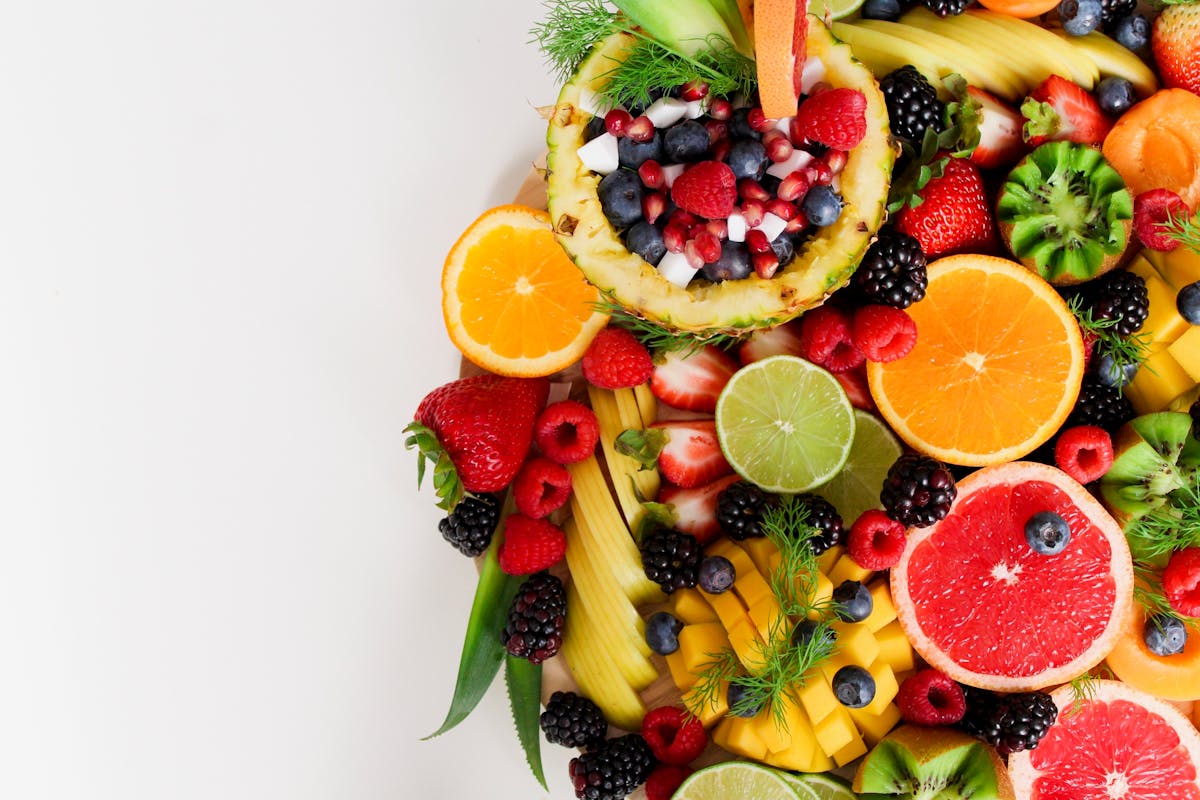
Strawberries, raspberries and blackberries are also great options. They:
- Are relatively low in natural sugars per serving.
- Provide high fiber and antioxidants.
- Often have a low glycemic load.
Higher-sugar fruits
Fruits like pineapple, mango and some ripe tropical fruits can still be enjoyed, but:
- Portions may need more attention.
- Pairing with protein, fat and fiber becomes more important.
For most people aiming for steadier glucose, prioritizing berries—especially blueberries—over juices, dried fruit, and large servings of high-sugar fruits can be a simple, sustainable shift.
How Much Blueberry Is a Blood-Sugar-Friendly Serving?
The exact amount that works best will vary by person, medications and overall meal pattern. That said, many dietitians commonly suggest:
- ½ cup fresh or frozen blueberries as a standard serving for most adults.
- Up to ¾–1 cup may fit comfortably when paired with protein, fat and fiber.
- For smoothies, being mindful not to accidentally add 2–3 cups of fruit at once.
If you monitor your blood sugar at home—through finger sticks or a continuous glucose monitor (CGM)—you can check your individual response about 1–2 hours after a blueberry-containing meal.
Dietitian-Approved Ways to Eat Blueberries for Steadier Blood Sugar
How you eat blueberries can matter as much as how many you eat. Combining them with protein, healthy fats and extra fiber helps moderate blood sugar responses.
- Blueberry Greek yogurt bowl
Stir ½ cup blueberries into plain Greek yogurt, then add a tablespoon of chopped nuts or seeds. The protein and fat help slow digestion.
- Oatmeal with blueberries and nuts
Top a portion-controlled bowl of steel-cut or rolled oats with ¼–½ cup blueberries, cinnamon and walnuts. Choose unsweetened oats and skip added sugars.
- Blood-sugar-friendly blueberry smoothie
Blend:
- ½ cup frozen blueberries
- 1 scoop unsweetened protein powder or ¾ cup Greek yogurt
- A handful of spinach
- Unsweetened milk or fortified plant drink
- 1 tablespoon chia or ground flaxseed
This balances carbohydrates with protein, fat and fiber.
- Blueberries as a side, not the whole meal
Enjoy ½ cup blueberries alongside eggs, tofu scramble or a leftover chicken-and-vegetable plate, rather than as a standalone snack.

A Real-Life Example: Swapping Sweets for Blueberries
Consider a common scenario from nutrition counseling (with details changed for privacy):
A middle-aged client with prediabetes used to reach for cookies or sweetened granola bars in the afternoon. Their blood sugar readings often drifted high after these snacks, and they felt sleepy and unfocused.
Working with a dietitian, they experimented with:
- Replacing the cookie with ½ cup blueberries.
- Pairing the fruit with a small handful of almonds or a stick of cheese.
- Checking blood sugar 90–120 minutes later.
Their meter readings after the blueberry snack were typically more stable, and they reported fewer afternoon crashes. This doesn’t mean blueberries “cured” anything, but it illustrates how swapping refined sweets for balanced fruit snacks can support day-to-day glucose patterns.
Common Obstacles (and How to Overcome Them)
1. “Fresh blueberries are expensive or hard to find.”
Frozen blueberries are usually more affordable and just as nutritious. They’re picked at peak ripeness and frozen quickly, preserving vitamins and antioxidants.
- Look for large bags of unsweetened frozen blueberries.
- Use them in oatmeal, yogurt bowls or smoothies.
- Defrost just what you need to reduce waste.
2. “I was told to avoid all fruit because of diabetes.”
Many diabetes guidelines allow and even encourage fruit in moderate portions, especially lower-glycemic options like berries. The key is:
- Sticking to realistic portions (for example, ½ cup blueberries).
- Including fruit as part of a balanced meal, not as an add-on to an already high-carbohydrate plate.
- Monitoring your own response and adjusting as needed with your care team.
3. “I don’t have time to prep complicated recipes.”
You don’t need fancy recipes to benefit from blueberries. Keep it simple:
- Sprinkle blueberries on top of whatever breakfast you’re already eating, if appropriate for your plan.
- Portion ½ cup servings of frozen or fresh berries into small containers for grab-and-go snacks.
- Stir them into salads or grain bowls for a sweet-tart boost.

What the Science Says About Blueberries and Blood Sugar
While no single food can “fix” blood sugar on its own, research suggests blueberries may support healthier glucose and insulin responses as part of a balanced diet.
- Studies in adults with insulin resistance have found that including blueberries in meals can lead to improved post-meal insulin and glucose responses compared with control meals.
- Longer-term trials of berry-rich diets have reported better markers of cardiometabolic health, including some improvements in insulin sensitivity and cholesterol profiles.
- Observational research has linked higher anthocyanin intake (from blueberries and other berries) with a lower risk of developing type 2 diabetes, although this does not prove cause and effect.
These studies typically use realistic daily portions of blueberries or blueberry-based foods, rather than mega-doses. Benefits appear to come from consistent, moderate intake over time, not from any “superfood” miracle.
For deeper reading, look for publications from organizations such as:
A Simple 7-Day Blueberry Habit to Try
If you’d like to experiment with blueberries and blood sugar, consider a short, realistic trial:
- Pick your time of day.
Choose one meal or snack when you’ll consistently add ½ cup blueberries—for example, breakfast or an afternoon snack.
- Pair wisely.
Always combine blueberries with protein and/or healthy fat (like yogurt, nuts, seeds, eggs, cottage cheese or tofu).
- Monitor your response.
If you check blood sugar, note readings before and about 1–2 hours after that meal, plus how you feel (energy, mood, hunger).
- Adjust, don’t judge.
If your numbers rise higher than you’d like, talk with your health care provider or dietitian. You might tweak the portion, timing or what you pair with the berries.
Bringing It All Together
Managing blood sugar doesn’t have to mean cutting out every sweet flavor in your life. Blueberries offer a way to enjoy natural sweetness while also supporting your body with fiber, antioxidants and a relatively gentle impact on glucose.
On their own, blueberries won’t reverse diabetes or replace medications. But as part of balanced, pattern-based changes, they can be a satisfying, evidence-informed choice that fits into real life.
If you’re curious, consider:
- Adding ½ cup blueberries to one meal or snack each day this week.
- Pairing them with protein, healthy fats and extra fiber.
- Noticing how your energy, cravings and blood sugar readings respond.
And when possible, connect with a registered dietitian or certified diabetes care and education specialist. They can help you tailor blueberry portions—and your whole eating pattern—to your personal health goals, medications and preferences.
