
Dietitians Reveal the Everyday Foods Quietly Fueling Inflammation (and What to Eat Instead)
Dietitians Say These Foods Are Causing Inflammation in Your Body
If you’ve ever felt puffy, sluggish or oddly sore after a day of “convenience eating”—grabbing packaged desserts, frozen meals or drive‑thru snacks—you’re not imagining it. Many of the ultra-processed foods that make modern life easier can quietly fan the flames of chronic inflammation in your body.
The goal isn’t perfection or cutting out all treats. Instead, it’s understanding which foods are most strongly linked to inflammation, what the science shows, and how you can shift your everyday choices toward options that calm (rather than irritate) your system.
:max_bytes(150000):strip_icc()/Dietitians-Say-These-Foods-Are-Causing-Inflammation-in-Your-Body-589398ebde624c53b115980a54bd8212.jpg)
What Is Inflammation—and Why Does Food Matter?
Inflammation itself isn’t the enemy. It’s your body’s natural defense system, helping you heal cuts, fight infections and recover from workouts. That kind of short-term, or acute inflammation, is helpful.
The trouble is chronic, low-grade inflammation: a slow, steady immune response that never fully switches off. Over years, this background “smoldering” has been linked with a higher risk of:
- Heart disease and stroke
- Type 2 diabetes and insulin resistance
- Some cancers
- Autoimmune conditions (in people who are predisposed)
- Cognitive decline
What you eat can influence this process. Diet patterns rich in whole, minimally processed foods are consistently associated with lower inflammatory markers like C-reactive protein (CRP), while diets high in ultra-processed foods, added sugars and certain fats are associated with higher levels.
“It’s rarely one single food causing inflammation. It’s the overall pattern: lots of ultra-processed foods, not enough whole foods, and a long-term imbalance of fats and added sugars.”
— Clinical Dietitian, RD
The Ultra-Processed Food Problem: Why It Matters for Inflammation
The average American now gets more than half of their daily calories from ultra-processed foods (UPFs). Research continues to link high UPF intake with weight gain, metabolic issues and higher levels of inflammatory markers.
UPFs typically:
- Contain multiple industrial ingredients you wouldn’t cook with at home (emulsifiers, stabilizers, colorings, flavor enhancers)
- Are engineered to be hyper-palatable, making it easy to overeat
- Are often low in fiber, antioxidants and healthy fats
- Rely on refined grains, added sugars and cheap oils
One of the top sources of ultra-processed calories for adults? Sweet bakery products such as packaged cookies, supermarket cakes, frosted pastries and snack cakes.

7 Foods Dietitians Say Commonly Drive Inflammation
No single food will “cause” chronic disease on its own, and many of these can be enjoyed occasionally. The issue is frequency, portion size and overall diet pattern. Dietitians consistently flag these foods as ones to limit if you’re trying to reduce inflammation.
1. Pre-Packaged Desserts and Sweet Bakery Products
Think supermarket cookies, snack cakes, pre-frosted cupcakes, pastries and “grab‑and‑go” desserts. These are often high in:
- Added sugars, which can spike blood glucose and insulin and are linked with higher inflammatory markers.
- Refined flour, which is quickly digested, contributing to blood sugar swings.
- Unhealthy fats (often refined vegetable oils high in omega‑6 fatty acids) when used in excess and out of balance with omega‑3s.
A 2023 systematic review in Nutrients found that diets higher in added sugars are associated with increased CRP and other inflammatory markers, especially in people with overweight or obesity.
- Reserve packaged sweets for intentional treats (e.g., once or twice a week), not daily snacks.
- When you want something sweet, choose fruit, yogurt, or a small piece of dark chocolate instead.
2. Sugary Drinks (Soda, Sweetened Coffees, Energy Drinks)
Liquid sugar hits your bloodstream fast. Regular intake of sugar-sweetened beverages has been linked with higher CRP levels and an increased risk of metabolic syndrome and type 2 diabetes, conditions closely tied to inflammation.
- Regular soda and “fruit drinks” with added sugar
- Energy drinks and sweet teas
- Coffee drinks loaded with flavored syrups and whipped toppings
Swapping just one sugary drink per day for water, sparkling water or unsweetened tea can significantly reduce added sugar intake and support healthier inflammatory levels over time.
3. Processed Meats (Bacon, Sausage, Deli Meats)
Processed meats often contain preservatives, high sodium, heme iron and advanced glycation end products (AGEs) formed during high-heat cooking. Observational studies link frequent intake with higher levels of inflammation and increased cardiovascular risk.
- Limit bacon, sausage, hot dogs and deli meats to occasional use.
- Choose beans, lentils, fish, eggs or poultry more often for protein.
- When you do eat processed meat, pair it with fiber-rich vegetables to help balance the meal.
4. Refined Snack Foods (Chips, Crackers, Puffs)
Many crunchy snacks combine refined starches, added salt and refined oils. When eaten regularly, especially in large portions, they’re associated with poorer diet quality and higher inflammatory burden.
Instead, look for:
- Nuts and seeds (unsalted or lightly salted)
- Popcorn air-popped or lightly oiled
- Veggies with hummus or guacamole
5. Frequent Fast Food Meals
Fast food meals are typically high in refined carbs, sodium and low-quality fats, and low in fiber and antioxidants. Regular consumption is linked with weight gain, insulin resistance and elevated inflammation.
- Cap fast-food meals to once per week or less when possible.
- Upgrade your order: choose grilled options, add a salad, skip the sugary drink and go for water.
6. Foods Containing Industrial Trans Fats (Partially Hydrogenated Oils)
Many countries have restricted or banned industrial trans fats, but they can still show up in some baked goods and fried foods. Trans fats are strongly associated with inflammation and heart disease.
Always scan labels for “partially hydrogenated oils” and choose alternatives when you see them.
7. Excess Alcohol
While light-to-moderate drinking may be neutral for some people, heavy or regular excessive drinking can drive inflammation in the liver and gut and raise systemic inflammatory markers.
If you drink, most guidelines suggest up to 1 drink per day for women and 2 for men, but some people do best with less or none. Discuss what’s appropriate for you with your healthcare provider.
What to Eat More Of: Anti-Inflammatory Foods Dietitians Love
The most powerful way to dial down inflammation isn’t only about what you cut out—it’s about what you add in. Patterns like the Mediterranean diet, DASH diet and plant-forward eating consistently show lower inflammation in research.
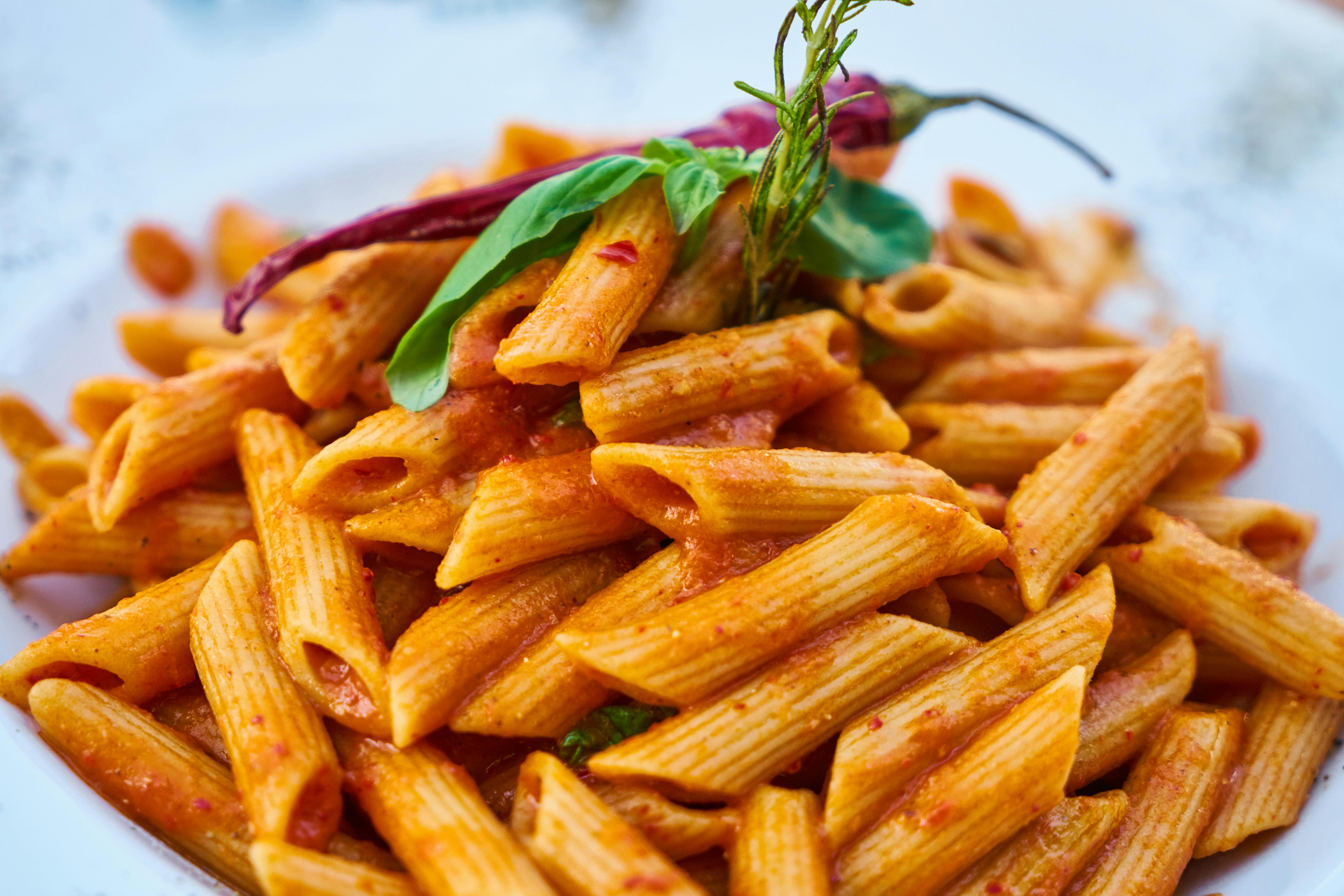
Core Anti-Inflammatory Food Groups
- Colorful vegetables and fruits (berries, leafy greens, tomatoes, peppers, cruciferous veggies) provide antioxidants and polyphenols that help neutralize oxidative stress.
- Whole grains (oats, quinoa, brown rice, whole-wheat pasta) offer fiber that supports a healthy gut microbiome—a key player in regulating inflammation.
- Healthy fats from extra-virgin olive oil, avocado, nuts and seeds help balance fats in the diet and support heart health.
- Omega-3 rich seafood like salmon, sardines, mackerel and trout have well-studied anti-inflammatory properties.
- Legumes (beans, lentils, chickpeas) provide plant protein, fiber and minerals with minimal saturated fat.
- Fermented foods such as yogurt, kefir, sauerkraut and kimchi may support a healthier gut, which in turn may help keep inflammation in check.
How to Reduce Inflammatory Foods Without Feeling Deprived
Changing eating habits is hard, especially when you’re juggling work, family and stress. The most sustainable approach is to start small and focus on what feels realistic for your life.
Step-by-Step Game Plan
- Do a gentle pantry scan. Note how many items are ultra-processed (long ingredient lists, lots of additives). Pick one category to improve first, like desserts or snack foods.
- Make one swap at a time. For example, trade your weekday packaged dessert for Greek yogurt with berries, or swap chips for nuts and fruit.
- Plan your “convenience foods.” Keep anti-inflammatory options just as easy to grab as packaged snacks: pre-cut veggies, single-serve hummus, roasted chickpeas, or pre-cooked grains.
- Create a treat plan. Decide when you truly want dessert (Friday night movie, Sunday brunch) so sweets feel intentional, not automatic.
- Check in with your body. Many people notice less bloating, more stable energy and even better sleep when they cut back on sugary, ultra-processed foods. Let those benefits motivate you.

Common Obstacles (& How to Work Around Them)
Even with the best intentions, life gets in the way. Here are a few real-world challenges many people face when trying to cut inflammatory foods, plus strategies that actually help.
“I Don’t Have Time to Cook”
- Use frozen vegetables and pre-washed greens to cut chopping time.
- Lean on rotisserie chicken, canned beans and microwavable grains for quick protein and carbs.
- Batch-cook one or two meals on weekends so you have leftovers on busy days.
“My Sweet Tooth Is Out of Control”
- Don’t skip meals: extreme hunger often triggers sugar cravings.
- Include some protein and healthy fat (like nuts or yogurt) when you have something sweet to blunt blood sugar spikes.
- Gradually reduce sweetness: mix flavored yogurt with plain, or cut sugary drinks with sparkling water.
“My Family Loves Processed Foods”
- Start with additions, not subtractions: add a salad, fruit bowl or roasted veggies to meals they already enjoy.
- Try “upgrade versions” of favorites: oven-baked fries instead of deep-fried, homemade tacos with lean meat and beans instead of fast-food versions.
- Invite them into the process—let kids or partners choose a new veggie or whole grain to try each week.
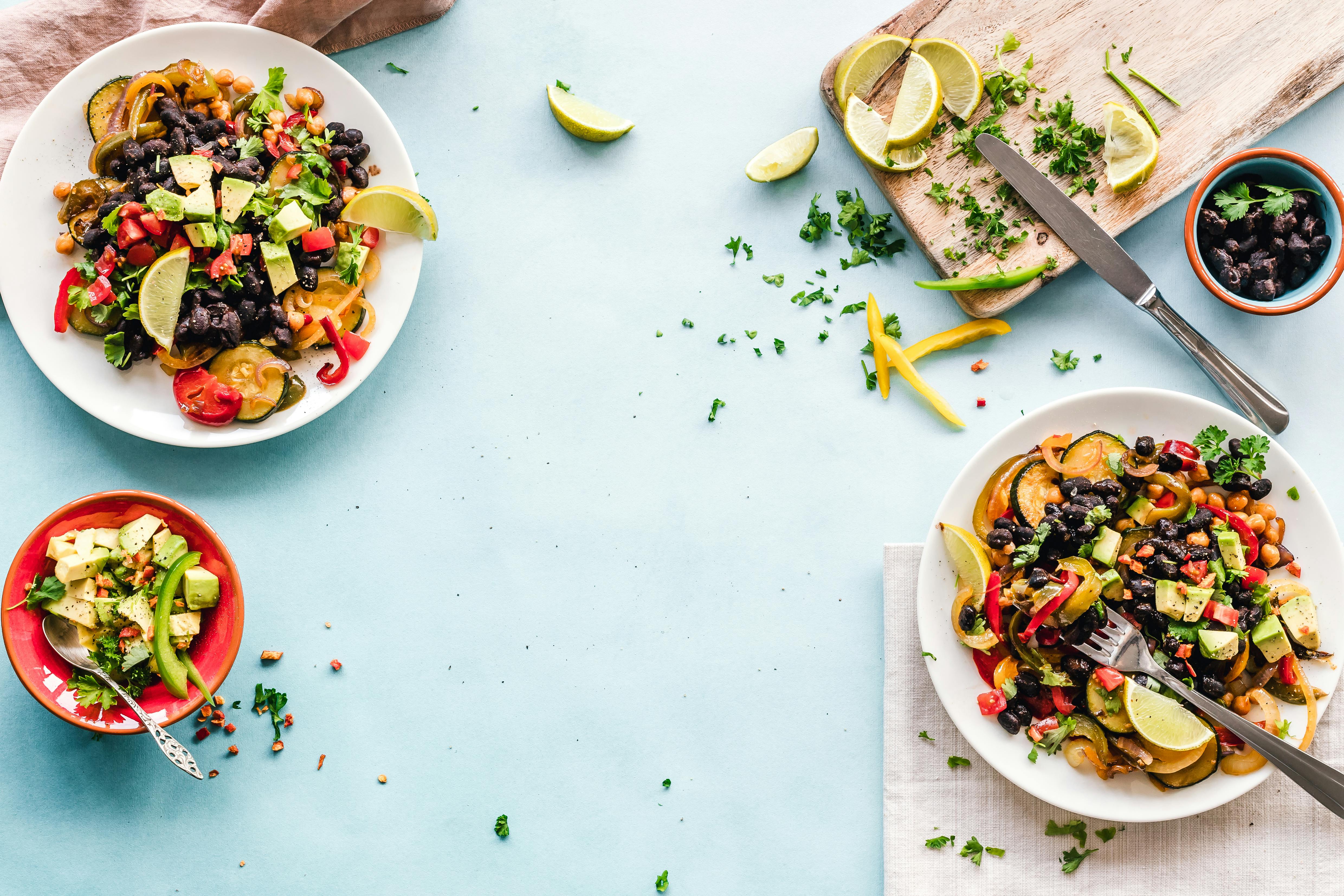
Before & After: A Simple Day of Swaps
Here’s how a typical “high-inflammatory” day can shift toward a more anti-inflammatory pattern with realistic swaps. Notice that you’re still eating familiar foods—just in different forms.
Before
- Breakfast: Frosted pastry and sugary coffee drink
- Snack: Chips and soda
- Lunch: Fast-food burger, fries and sweet tea
- Snack: Packaged cookies
- Dinner: Frozen breaded chicken meal
- Dessert: Supermarket cake slice
After
- Breakfast: Oatmeal with berries and nuts; coffee with a splash of milk
- Snack: Apple slices with peanut butter; sparkling water
- Lunch: Grain bowl with brown rice, beans, veggies and avocado
- Snack: Yogurt with a few dark chocolate chips
- Dinner: Baked salmon, roasted vegetables and quinoa
- Dessert: Fresh fruit or a small homemade treat
What the Science Says About Food and Inflammation
Evidence is growing, but it’s important to stay grounded. Most of what we know about diet and inflammation comes from:
- Observational studies that link certain eating patterns with higher or lower inflammatory markers.
- Clinical trials where people follow a specific diet (like the Mediterranean diet), and researchers measure changes in CRP, IL‑6, TNF‑α and other markers.
- Mechanistic studies looking at how specific nutrients influence oxidative stress, gut health and immune responses.
Overall, the most consistent findings show that:
- Diets rich in whole plant foods and healthy fats are linked with lower inflammation.
- High intake of ultra-processed foods, added sugars and processed meats is linked with higher inflammation and chronic disease risk.
- Your gut microbiome plays a major role, and fiber-rich, minimally processed foods tend to support a more anti-inflammatory gut environment.
For more detailed science, see resources such as:
- PubMed Central (National Institutes of Health)
- Harvard T.H. Chan School of Public Health — The Nutrition Source
“Food is not a magic bullet cure for disease, but choosing less inflammatory foods, meal after meal, can meaningfully shift your long-term health trajectory.”
Bringing It All Together: Your Next Best Step
You don’t have to swear off packaged desserts or convenience foods forever. But if sweet bakery products, sugary drinks and fast food are daily staples, your body is probably dealing with more inflammation than it needs to.
Start where you are. Choose one part of your routine—maybe your afternoon snack or your go‑to dessert—and gently shift it toward a more anti-inflammatory option. Over time, those small, steady changes add up.
Call to action: This week, pick one inflammatory food you eat regularly and experiment with a satisfying swap. Notice how you feel after a few weeks—your energy, digestion and mood might tell you more than any lab test.
