
Celebrity Longevity Diets: How Blue Zones and Mediterranean 2.0 Are Redefining Anti-Aging Eating
Celebrity “Longevity Diets”: Blue Zones, Mediterranean 2.0, and Anti-Aging Superfoods
Celebrities and wellness influencers are shining a spotlight on “longevity diets” – ways of eating designed not just for a slimmer waistline, but for a longer healthspan: more energetic, mentally sharp, and active years. At the heart of this trend are Blue Zone and Mediterranean-style diets, updated with modern twists like higher protein, less ultra-processed food, and deeply colorful, plant-forward meals.
If you’ve ever watched a glossy “day of eating for longevity” video and thought, “That looks delicious, but could I really eat like that?” — the encouraging answer is yes. With a few practical principles, you can bring the flavors of Sardinia, Ikaria, and coastal Mediterranean kitchens into your own home, no celebrity chef required.
The Rise of Celebrity Longevity Diets
In interviews, podcasts, and short-form videos, actors, athletes, and “biohackers” are walking audiences through their “longevity day of eating.” Instead of crash diets or extreme detoxes, the narrative now leans into:
- Plant-rich meals packed with beans, lentils, colorful vegetables, and whole grains
- Healthy fats from extra-virgin olive oil, nuts, seeds, and sometimes oily fish
- High-fiber, high-volume plates that keep you satisfied without feeling deprived
- Very little ultra-processed food or sugary snacks
These routines echo the everyday food culture of the world’s longest-lived communities, but with a modern twist: more yogurt bowls, protein-rich salads, and carefully curated “anti-aging superfoods” like berries, dark chocolate, and green tea.

What Are Blue Zones and Why Do They Matter?
Blue Zones are regions around the world where people consistently live well into their 90s and beyond, often with remarkably low rates of chronic disease. Famous Blue Zones include:
- Okinawa, Japan
- Sardinia, Italy
- Ikaria, Greece
- Nicoya Peninsula, Costa Rica
- Loma Linda, California (a community of Seventh-day Adventists)
Despite different cultures and cuisines, their traditional diets share some powerful common threads:
- Mostly plants: Beans, lentils, whole grains, vegetables, and fruit form the base of the plate.
- Small amounts of animal products: Fish, eggs, dairy, or meat are eaten in modest portions, not at every meal.
- Almost no ultra-processed foods: Meals are built from simple, recognizable ingredients.
- Healthy fats: Nuts, seeds, and olive oil (or other traditional fats) are used generously but mindfully.

Mediterranean Diet 2.0: Science-Backed and Celebrity-Approved
The Mediterranean diet is one of the most studied eating patterns in the world. It’s associated with lower risk of heart disease, better cognitive aging, reduced inflammation, and lower overall mortality. Traditionally, it emphasizes:
- Abundant vegetables, fruits, legumes, and whole grains
- Olive oil as the main fat
- Regular fish and occasional poultry
- Limited red meat and sweets
Today’s “Mediterranean 2.0” versions promoted by celebrities and wellness experts usually keep this structure but dial up the protein and convenience. You’ll see more:
- Greek yogurt or skyr instead of sugary breakfast cereals
- Big salad bowls with beans and grilled fish or chicken
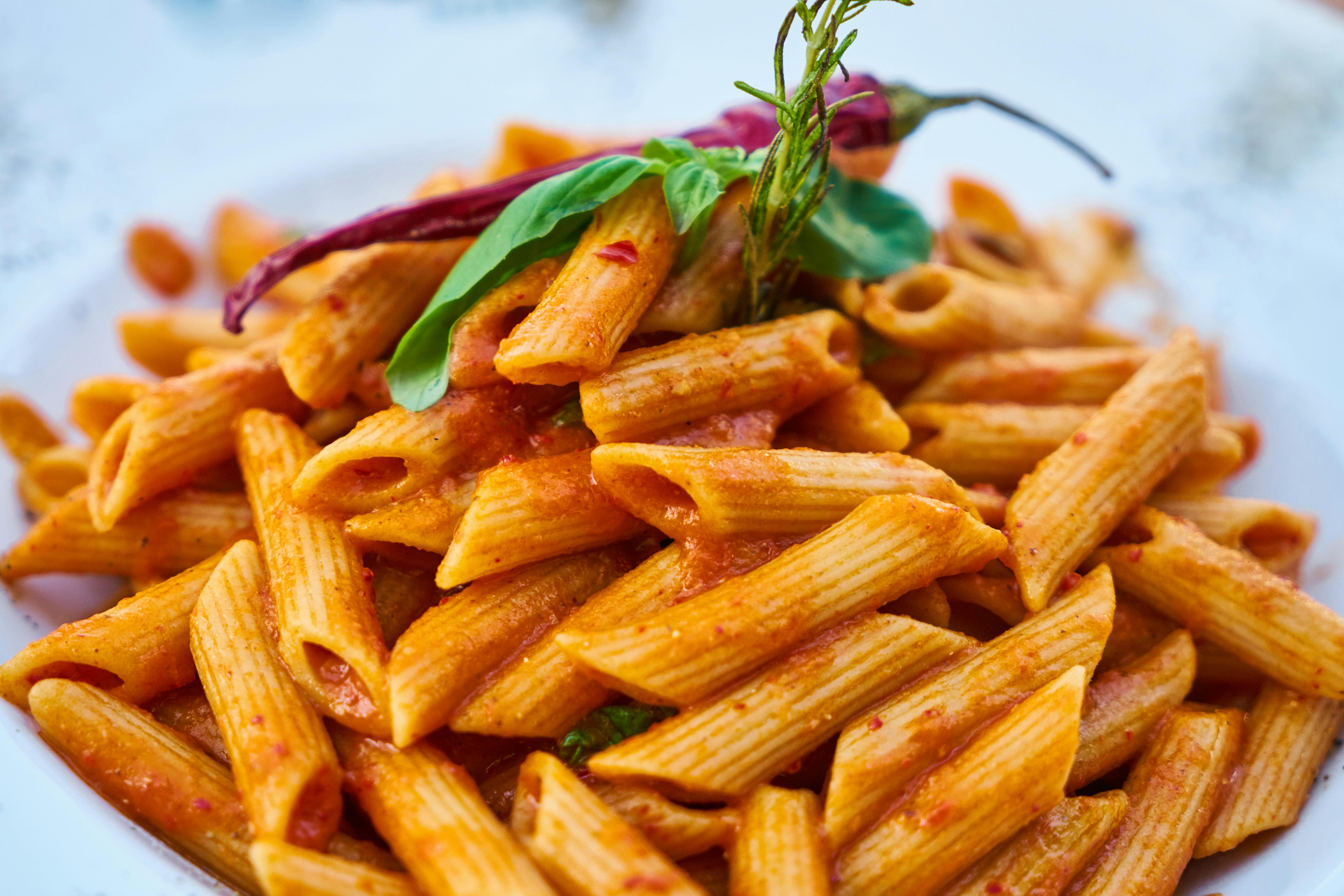
- Whole-grain pastas tossed with olive oil, vegetables, and seafood
- Meal-prepped legumes, roasted vegetables, and grain salads
A Typical “Longevity Day of Eating”
If you scroll through social media, you’ll notice a recurring structure in celebrity longevity meal routines. While everyone personalizes their plate, the pattern often looks like this:
Breakfast: Protein-Rich, Fiber-Filled Start
- Greek yogurt or skyr topped with berries, chopped nuts, and seeds
- Oatmeal simmered until creamy, finished with fruit and a spoonful of nut butter
- Occasional tofu scrambles with vegetables in plant-based versions
Lunch: “Big Salad” or Grain Bowl
- Mixed greens piled high with beans or lentils
- A portion of fish, chicken, or tofu
- Olive oil and lemon dressing
- Whole-grain bread or a scoop of quinoa or farro
Dinner: Comforting but Light
- Bean-based stews studded with vegetables and herbs
- Pasta tossed with sautéed greens, olive oil, garlic, and fish
- Tofu or tempeh stir-fries with loads of vegetables and brown rice
Snacks: Smart, Satisfying Bites
- Fresh fruit (especially berries and citrus)
- A small handful of nuts
- Dark chocolate (70%+ cocoa)
- Fermented foods like kefir, yogurt, kimchi, or sauerkraut
“Anti-Aging” Superfoods in the Spotlight
Not all of the claims you’ll see online are equally evidence-based, but many of the hero foods in longevity content do have strong scientific backing. They tend to be:
- Extra-virgin olive oil: Rich in heart-healthy monounsaturated fats and polyphenols; central to Mediterranean diets.
- Oily fish (salmon, sardines, mackerel): Excellent sources of omega-3 fats linked to heart and brain health.
- Beans and lentils: Affordable, high-fiber plant protein associated with longer life in observational research.
- Berries: Packed with antioxidants and polyphenols that may support brain health.
- Leafy greens: Kale, spinach, and arugula are nutrient-dense and low in calories.
- Nuts and seeds: Provide healthy fats, minerals, and satisfying crunch.
- Green tea: Contains catechins and L-theanine; associated with metabolic and cognitive benefits in some studies.
- Dark chocolate (70%+): In moderation, offers flavanols that may support vascular health.
Potential Health Benefits of Longevity-Focused Eating
Research on Blue Zone-style and Mediterranean diets suggests several overlapping benefits. When these eating patterns are part of an overall healthy lifestyle, they’ve been associated with:
- Brain protection: Slower cognitive decline and reduced risk of dementia in many observational studies.
- Heart health: Lower blood pressure, improved cholesterol profiles, and reduced cardiovascular events.
- Lower inflammation: Thanks to omega-3 fats, fiber, and phytonutrients from plants.
- Weight management: High-fiber, high-volume foods that keep you fuller on fewer calories, without rigid restriction.
It’s important to remember that much of the data linking these patterns to longevity is observational. They show associations, not guarantees. Still, when you combine the research with how enjoyable these foods can be, it’s a compelling way to eat for both pleasure and long-term wellbeing.
Hype vs. Reality: What Longevity Diets Can and Can’t Do
While this trend is far more science-aligned than many fad diets, the marketing can still drift into exaggeration. Some influencers promise near-miraculous “age reversal,” but the most honest voices emphasize:
- Longevity is multi-factorial: diet, movement, sleep, stress, genes, and community all matter.
- Consistency beats perfection. A mostly whole-food, plant-forward pattern still helps even if you’re not perfect.
- Cultural fit counts. Your longevity plate should feel familiar and enjoyable, not like a lifelong punishment.
Long-lived communities don’t count macros or chase the latest superfood; they share simple, home-cooked meals with people they love—over and over, for decades.
Bringing Longevity Eating into Your Own Kitchen
You don’t have to overhaul your life overnight to eat more like the world’s longest-lived people. Instead, treat this as a gentle, flavorful upgrade. Here are a few accessible ways to start:
- Build at least one meal per day around beans or lentils.
- Fill half your plate with vegetables or fruit at most meals.
- Swap butter or refined seed oils for extra-virgin olive oil when possible.
- Trade sugary snacks for fruit, nuts, or yogurt most of the time.
- Plan two fish-based dinners per week, or tofu/tempeh if you’re plant-based.
To make this feel less theoretical and more deliciously real, below is a fully developed, Blue Zone–inspired recipe that captures the soul of this trend: a rustic, olive oil–kissed bean stew you can enjoy on a quiet weeknight or share with friends.
Rustic Blue Zone Bean & Greens Stew (Mediterranean Longevity Bowl)
Prep:
Cook:
Total:
Servings: 4 bowls
Difficulty: Easy
Diet: Vegetarian, high-fiber, Mediterranean-style
Inspired by Sardinian and Ikarian kitchens, this comforting bean & greens stew layers silky olive oil, garlic, tomatoes, and leafy greens into a bowl that’s both deeply nourishing and joyfully simple. The beans turn creamy, the broth becomes rich and aromatic, and a drizzle of extra-virgin olive oil on top makes every spoonful feel like a small ritual in taking care of yourself.
Ingredients
For the stew:
- 3 tbsp extra-virgin olive oil, plus more for serving
- 1 medium yellow onion, finely chopped
- 3 cloves garlic, thinly sliced
- 1 medium carrot, diced small
- 1 celery stalk, diced small
- 1 tsp dried oregano or thyme
- 1/2 tsp smoked or sweet paprika (optional but lovely)
- 1 can (14–15 oz / ~400 g) diced tomatoes, with juices
- 2 cans (14–15 oz / ~400 g each) cannellini or other white beans, drained and rinsed
- 3–4 cups (700–950 ml) low-sodium vegetable broth or water, more as needed
- 4 cups (about 120 g) chopped leafy greens (kale, chard, or spinach)
- 1 bay leaf (optional)
- Salt and freshly ground black pepper, to taste
To serve:
- Crusty whole-grain bread or cooked barley/farro
- Lemon wedges
- Fresh herbs (parsley, basil, or dill), chopped
- Grated Parmesan or plant-based hard cheese (optional)
Equipment
- Large, heavy-bottomed pot or Dutch oven
- Wooden spoon or spatula
- Chef’s knife and cutting board
- Ladle for serving
Step-by-Step Instructions
- Warm the olive oil and soften the aromatics.
Heat the 3 tablespoons of olive oil in your pot over medium heat. Add the chopped onion, carrot, and celery with a pinch of salt. Cook, stirring occasionally, until the vegetables are soft and fragrant, about 6–8 minutes. You’re looking for gentle sizzling, not browning. - Add garlic and spices.
Stir in the sliced garlic, dried oregano or thyme, and paprika (if using). Cook for 1–2 minutes until the garlic smells sweet and aromatic. If anything starts to darken too quickly, lower the heat. - Layer in tomatoes and beans.
Pour in the diced tomatoes with their juices, then add the drained beans and bay leaf. Stir well so everything is coated in the fragrant oil and tomato mixture. - Add broth and simmer.
Pour in 3 cups of broth or water. Bring to a gentle simmer, then reduce the heat to medium-low. Let the stew bubble softly for 15–20 minutes, partially covered, so the flavors meld and the beans become creamy. Add more liquid if the stew gets thicker than you’d like. - Add greens.
Stir in the chopped leafy greens. If using kale or chard, simmer for 5–7 minutes, until the greens are tender but still vibrant. If using spinach, 2–3 minutes is enough. Taste and season generously with salt and freshly ground black pepper. - Finish with olive oil and lemon.
Turn off the heat, remove the bay leaf, and let the stew rest for 5 minutes—it thickens slightly as it sits. Just before serving, stir in a small extra splash of olive oil and a squeeze of lemon for brightness. - Serve and enjoy slowly.
Ladle the stew into warm bowls. Top with fresh herbs and a light sprinkle of cheese if you like. Serve with crusty whole-grain bread or a scoop of barley/farro to soak up the flavorful broth. Eat unhurriedly, the way long-lived communities do.
Storage & Reheating
- Fridge: Store in an airtight container for up to 4 days. The flavors deepen as it rests.
- Freezer: Freeze for up to 2–3 months. Thaw in the fridge overnight before reheating.
- Reheating: Warm gently on the stove over medium-low heat with a splash of water or broth, or microwave in 1-minute bursts, stirring between. Finish with a fresh drizzle of olive oil and a squeeze of lemon to wake it up.
Serving Suggestions for a Longevity-Inspired Meal
Turn this stew into a full Mediterranean-style, longevity-focused spread with:
- A simple tomato and cucumber salad with olive oil, red onion, and herbs
- A small plate of mixed olives and nuts
- A bowl of seasonal fruit for dessert—figs, oranges, berries, or grapes
- A cup of green tea or herbal tea after the meal
Eating for Longevity: Pleasure First, Then Years
The heart of the celebrity longevity diet trend isn’t about chasing perfection or biohacking your way to immortality. At its best, it’s a reminder of something humans have known for generations in Blue Zones and Mediterranean villages: when you build meals around plants, healthy fats, and simple ingredients—and share them with people you love—you’re not just adding years to your life, you’re adding life to your years.
Start where you are. Add an extra handful of greens to your dinner, swap one processed snack for fruit and nuts, simmer a pot of beans on a Sunday afternoon. Over time, these small, delicious habits can quietly reshape your health story from the inside out.
