
BTS Comeback Crowd Sparks Stock Jitters: What a “Disappointing” 104,000 Fans Really Means for K‑Pop’s Future
BTS’ heavily hyped South Korea comeback concert has drawn 104,000 fans—far below initial police expectations of 260,000—and the smaller-than-forecast turnout has triggered a sharp sell-off in shares of their agency HYBE, reviving old questions about the sustainability of the K-pop business model and the pressures placed on global fandom.
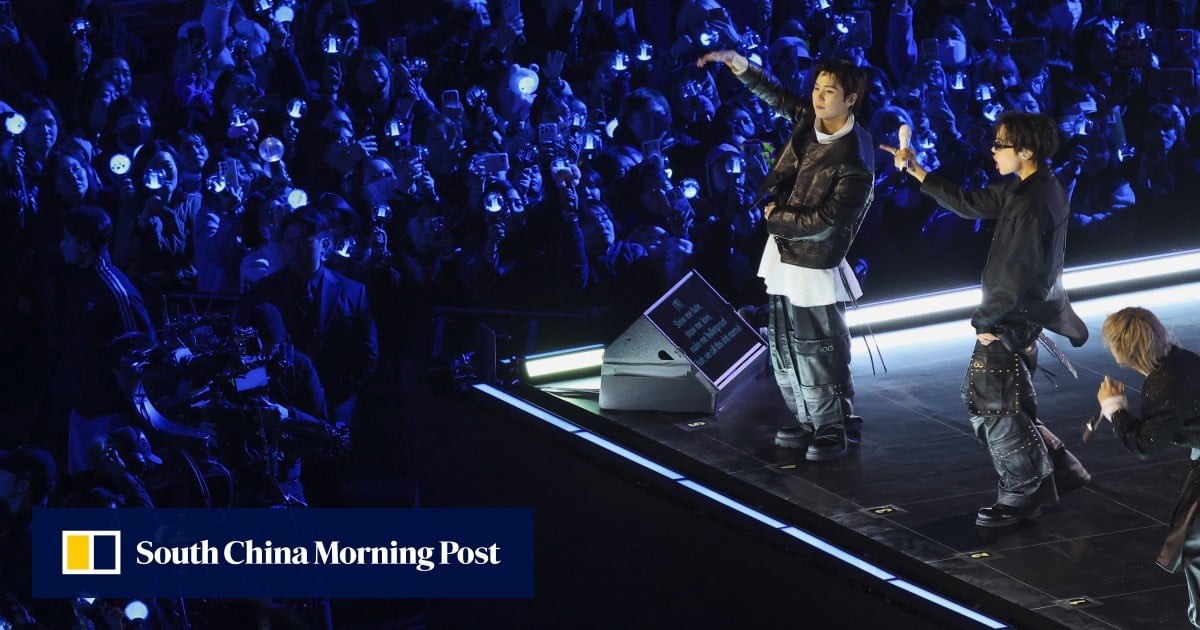
BTS’ “Disappointing” Comeback Crowd: A K‑Pop Event Meets Market Reality
When the world’s biggest K‑pop group returns to the stage in South Korea, you’d expect pandemonium. Instead, BTS’ reunion concert has become a case study in how fan culture, media expectations and stock markets collide. Police reportedly prepared for up to 260,000 fans; about 104,000 actually showed up. On paper, that’s still the population of a small city. On the balance sheet, it was enough to wipe as much as 15 per cent off the value of HYBE, BTS’ agency.
This isn’t just a story about one concert underperforming a headline. It’s about how K‑pop has been financialised to the point where the vibe of a crowd can move a stock chart—and what that means for BTS, HYBE, and an industry that has built itself on the promise of limitless growth.
Setting the Stage: Why This BTS Concert Mattered So Much
To understand the fallout, you have to understand the stakes. This was billed as a major comeback: a post‑military service reunion in South Korea for BTS, still the most globally recognisable K‑pop act despite years of individual projects and enlistment breaks.
For HYBE, the concert was more than a homecoming. It was a live demonstration to investors that the BTS engine still runs hot in 2026—that fans will travel, spend, and stream on command, and that the group’s hiatus years were a pause, not a pivot.
- Symbolic return: A narrative “reboot” after military service.
- Commercial test: Demand for live BTS after years of solo work.
- Investor signal: A barometer for HYBE’s long‑term growth story.
- National spotlight: Big enough to require large‑scale police planning.
That’s why the gap between 260,000 expected and 104,000 actual attendees immediately became financial news instead of just a footnote in fan discourse.
From Fanchants to Flash Crashes: How HYBE’s Stock Reacted
The most immediate fallout came from the markets. News that the concert had attracted fewer fans than the headline expectation coincided with HYBE shares plunging as much as 15 per cent. That’s a brutal reaction for a single event—especially when the raw number, 104,000, is still enormous by any reasonable live‑music standard.
But entertainment stocks trade more on narrative than on strict fundamentals, and the narrative investors heard was simple: “BTS comeback underperforms.” In a sector already sensitive to concerns about overreliance on one act, that was enough to trigger selling.
“K‑pop agencies aren’t just managing idols—they’re managing expectations. And the market hates being surprised on the downside.”
— Seoul‑based entertainment analyst, quoted in local financial media
It’s worth noting that stock reactions are often exaggerated in the short term. A weaker‑than‑expected event can become a proxy for every anxiety already priced into a company: competition from newer groups, fan fatigue, economic slowdown, or even geopolitical tension that makes international travel harder for overseas fans.
- Short‑term: Momentum traders and funds dump the stock.
- Medium‑term: Analysts reassess touring and merchandising assumptions.
- Long‑term: The real test becomes streaming numbers, album sales and the next slate of events.
Was the Crowd Really “Small”? Reading the Numbers Without the Hype
The phrase “less than half of what police had expected” makes for a sharp headline. But perspective matters. In live music:
- Most major artists would treat 50,000 as a triumph.
- Festival headliners might hit 80,000–100,000 at peak.
- Very few artists can reliably draw over 100,000 fans to a single event.
By those standards, 104,000 is still elite territory. The problem is the comparison point. Once 260,000 is out there as the “anticipated” number, anything less starts to look like a miss, regardless of context like:
- Timing and logistics: Post‑pandemic travel habits, work schedules, and lingering economic strain affect fans’ ability to attend.
- Ticket pricing and packages: Premium bundles, dynamic pricing and add‑on experiences can push some fans into watching online instead.
- Streaming alternatives: The rise of high‑quality official livestreams changes what “attendance” means for a global fandom.
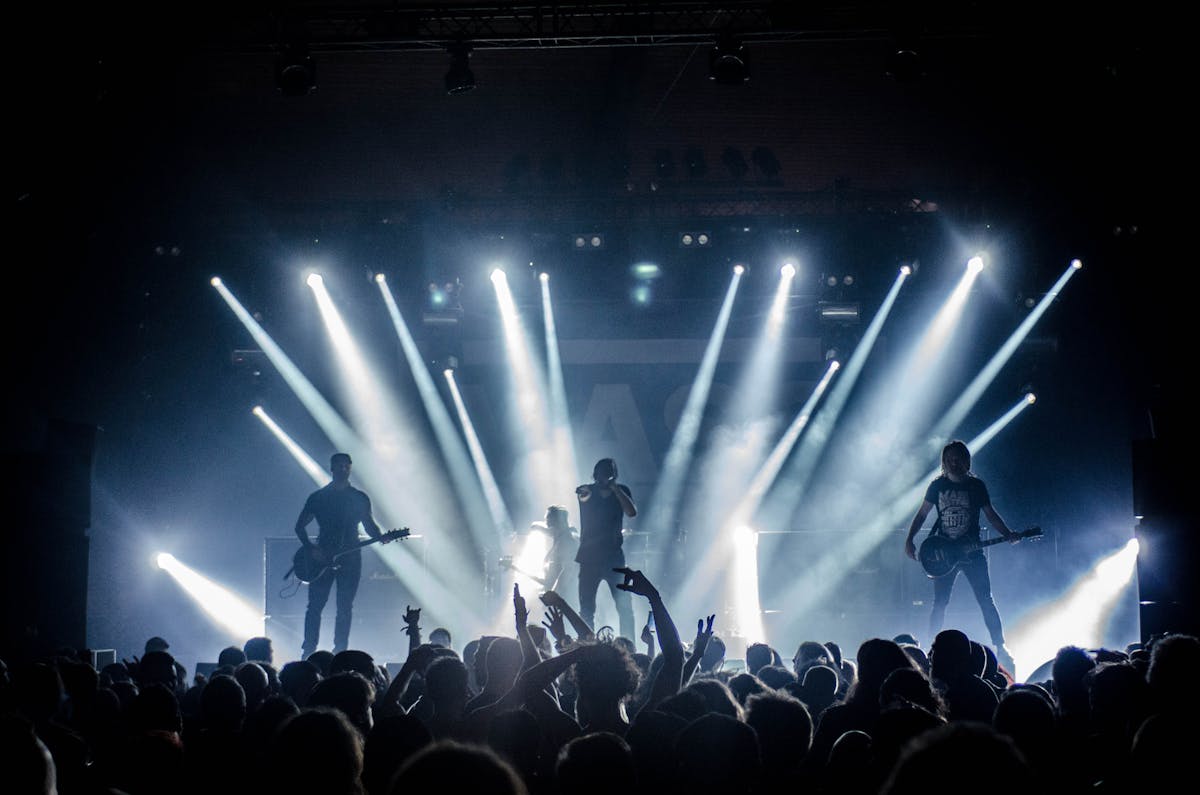
In that sense, the “disappointing” turnout says more about hyper‑inflated expectations than it does about BTS’ actual pull.
What This Reveals About the K‑Pop Business Model
The controversy around the crowd size isn’t happening in a vacuum. It sits on top of a decade of experimentation in how to monetise fandom—from photocard economies and album variants to virtual concerts and Webtoon tie‑ins. HYBE has been at the centre of that shift, functioning as both a traditional label and a tech‑adjacent entertainment platform.
A BTS event underperforming lofty projections feeds a broader anxiety: what happens if the K‑pop growth curve finally flattens?
- Dependence on tent‑pole acts: A single act can anchor an entire agency’s valuation.
- Expectation inflation: Records keep being broken—until they aren’t.
- Global vs. local: Korean events now serve an international fanbase, complicating logistics and demand forecasting.
- Fan burnout: Constant content drops and must‑buy items can push some fans to engage more selectively.
“You can’t ask a fandom to be in perpetual comeback mode. People age, economies change, and attention moves on, even from the biggest groups on Earth.”
— Cultural critic commenting on K‑pop’s ‘endless growth’ narrative
BTS, fairly or not, often becomes the test case for every question the industry is afraid to ask out loud. This concert, and the market reaction to it, is another example.
ARMY, Expectations, and the Human Side of Mega‑Fandom
The missing piece in a lot of financial coverage is the fans themselves. ARMY, BTS’ global fandom, has been expected to perform almost like an unpaid marketing department for years—organising streaming goals, bulk purchases and coordinated social campaigns.
But real life eventually catches up with any fandom:
- Fans get older, take on jobs, families and responsibilities.
- Travel to South Korea remains expensive and time‑consuming for many overseas fans.
- Online participation can feel more manageable than flying across continents for a single night.
When coverage reduces all of that complexity to a binary—“packed” vs “disappointing”—it misses the social and economic realities shaping who can actually be in the room, even for a group as big as BTS.
Media Narratives vs. On‑the‑Ground Reality
The framing of the event highlights a familiar tension: the difference between how K‑pop looks in numbers and how it feels in person. A crowd of 104,000 people, with light sticks, choreographed fan chants and full‑scale production, is still a sensory overload.
Yet the dominant story quickly became about a perceived shortfall. That contrast taps into how entertainment journalism—and business journalism about entertainment—often works:
- Biggest‑ever or bust: Anything short of record‑breaking can be spun as a decline.
- Stock‑price sensationalism: Double‑digit swings make for clickable headlines.
- Fandom as spectacle: Fans are treated as a quantifiable resource, not as people making choices in specific circumstances.
None of this means criticism is off‑limits. HYBE and concert organisers can be fairly questioned on pricing, communication and planning. But the “disappointment” label deserves just as much scrutiny as the event itself.
Strengths, Weaknesses, and What BTS Still Brings to the Table
Even with the attendance debate, the concert underscores why BTS remains a central force in pop culture—and where the pressure points lie.
- Strength – Enduring global brand: Few acts can command over 100,000 attendees in their home country after a multi‑year, military‑enforced hiatus.
- Strength – Multi‑platform reach: From official YouTube drops to paid livestreams, their live events are no longer constrained by venue capacity.
- Weakness – Market overreliance: HYBE’s valuation is still heavily tethered to BTS’ every move, magnifying the impact of any perceived misstep.
- Weakness – Expectation ceiling: When your past achievements include selling out stadiums worldwide, anything slightly smaller can be spun as decline.
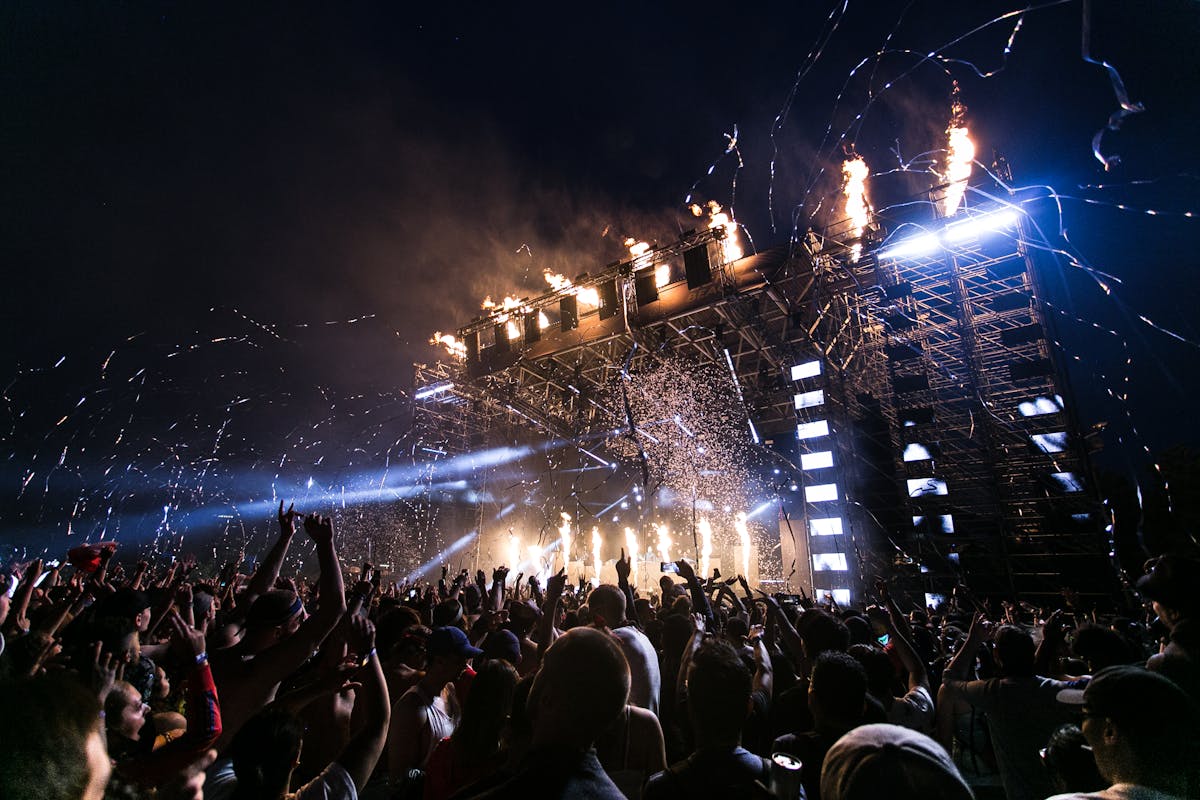
As with any long‑running act, the story of BTS now is less about sudden explosions and more about how gracefully they manage scale, expectation and evolution.
What Comes Next: For BTS, HYBE, and K‑Pop’s Global Story
The market reaction to this concert is a reminder that K‑pop has entered an era where artistic moves double as financial events. Every comeback, tour and live appearance by BTS now serves two audiences: fans and investors.
For BTS, the path forward is less about re‑creating the fever pitch of their 2019‑2021 peak and more about:
- Proving they can tour sustainably at a massive (not necessarily record‑shattering) scale.
- Balancing group activities with solo ambitions without fracturing the brand.
- Setting realistic expectations for what a “win” looks like in their post‑military, post‑pandemic chapter.
For HYBE and the wider K‑pop ecosystem, the lesson is blunt: forecasts have to be grounded in reality, not only ambition. Overpromising crowds and underdelivering on attendance doesn’t just bruise egos—it rattles markets and feeds a narrative of fragility.
Whether this concert is remembered as the start of a “BTS slowdown” or as a temporary mismatch between expectations and reality will depend on what comes next: the music they release, the way they tour, and how honestly the industry recalibrates its own hype machine.
