
Blood Sugar Friendly Cooking: How to Love Your Food and Keep Glucose Steady
Blood-Sugar-Friendly Cooking: Flavor-First, Glucose-Smart
Continuous glucose monitors, “glucose hacks,” and before-and-after blood sugar graphs are everywhere right now. Beyond diabetes care, this “blood sugar friendly” way of eating has become a 2026 trend: people are learning to pair and sequence foods so meals feel satisfying, energy stays steady, and ultra‑processed carbs move from “default” to “sometimes.”
Rather than chasing perfection or fearing every spike, think of it as curious, compassionate cooking: building meals with protein, fiber, and healthy fats at the center—then inviting carbs to the party in a smarter way. In this guide, we’ll walk through the trend, explain the most useful strategies, and finish with a deeply comforting, blood-sugar-friendly recipe: a Savory Protein-Packed Breakfast Bowl you can customize for any morning.
The Rise of the “Blood Sugar Friendly” Diet Trend
Over the last few years, influencers, athletes, and biohackers have started wearing continuous glucose monitors (CGMs) and sharing their data in real time. You’ll see TikToks titled:
- “I wore a CGM for 30 days—here’s what shocked me”
- “Ranking breakfast foods by blood sugar impact”
- “How I make my favorite meals blood-sugar friendly”
Apps now score meals, reward “flat curves,” and turn stable glucose into a kind of game. All of this has pushed blood sugar from a clinical concept into everyday kitchen decisions, influencing how people shop, cook, and plan their plates.
Instead of asking “How many calories are in this?”, more home cooks are asking, “How will this meal make me feel in two hours?”

Key Ideas Behind Blood-Sugar-Friendly Eating
The trend rests on a few core principles that are surprisingly practical in the kitchen.
1. Glucose Spikes and Energy Crashes
Large, fast post‑meal spikes can be followed by steep drops. Many people report:
- Brain fog and trouble concentrating
- Powerful carb or sugar cravings
- Afternoon “slumps” around 2–4 p.m.
Flattening the curve slightly—without obsessing—often means steadier energy and fewer emergency snack runs.
2. Food Pairing and Meal Sequencing
Viral “glucose hacks” tend to echo long‑standing nutrition advice, just wrapped in catchier phrases:
- Eat your veggies first – fiber creates a gentle barrier and slows carb absorption.
- Add fat and protein before carbs – think eggs and avocado before toast, or Greek yogurt before granola.
- Move for 10–15 minutes after meals – a walk, light housework, or dancing in the kitchen helps muscles soak up glucose.
3. Rethinking “Healthy” Foods
Many classic wellness staples—like fruit smoothies, açai bowls, juices, and oat‑milk lattes—can spike glucose when they’re high in blended or liquid carbs and low in protein or fat. With CGM data, people are discovering that:
- A smoothie with frozen fruit, protein powder, chia seeds, and nut butter often performs better than fruit and juice alone.
- Whole fruit with yogurt and nuts is usually gentler on blood sugar than fruit juice or a big bowl of granola.
4. Apps, Wearables, and Individual Responses
CGM apps have made one thing very clear: two people can eat the same meal and have very different glucose responses. Factors like sleep, stress, your microbiome, and what you ate earlier all matter. That’s why nutrition pros encourage using data as information, not a verdict.
Practical Blood-Sugar-Friendly Strategies for Everyday Meals
You can absolutely cook this way at home without any gadgets. These strategies align with classic balanced eating, just with a spotlight on how you feel after you eat.
- Center protein at each meal (around 20–35 g)
Good options: eggs, Greek yogurt, cottage cheese, tofu, tempeh, fish, poultry, beans, or lentils. - Layer in fiber and healthy fats
Vegetables, whole grains, nuts, seeds, avocado, and olive oil slow digestion and keep you full. - Swap refined carbs for whole or lower-glycemic choices
Steel‑cut oats instead of instant, sourdough instead of white bread, whole fruit instead of juice. - Use movement as a “secret sauce”
Take a short walk after dinner or do 10 minutes of light stretching or chores.

Savory Protein-Packed Breakfast Bowl (Blood-Sugar-Friendly)
This cozy savory breakfast bowl is built to keep your blood sugar steadier: eggs (or tofu) for protein, plenty of fiber‑rich veggies, creamy avocado, and a small serving of slow‑carb grains. It’s hearty, customizable, and worlds more satisfying than a rush‑job pastry and coffee.
Prep time:
Cook time:
Total time:
Servings: 2 bowls
Difficulty: Easy
Diet: High-protein, blood-sugar-friendly; easily gluten-free
Equipment
- Nonstick or cast-iron skillet (medium or large)
- Small saucepan (for grains, if cooking from dry)
- Cutting board and sharp knife
- Spatula or wooden spoon
- Measuring cups and spoons
- Two serving bowls
Ingredients
For the bowls:
- 1 cup cooked quinoa, farro, or steel-cut oats (warm; use gluten-free grain if needed)
- 1 tablespoon extra-virgin olive oil or avocado oil
- 2 large eggs or 150 g firm tofu, crumbled (for a vegan version)
- 1 cup baby spinach or kale, roughly chopped
- 1/2 cup cherry tomatoes, halved
- 1/2 small red onion or 2 green onions, thinly sliced
- 1/2 medium avocado, sliced
- 2 tablespoons crumbled feta or goat cheese (optional)
- 2 tablespoons toasted nuts or seeds (pumpkin seeds, sunflower seeds, or chopped almonds)
For seasoning:
- 1 small garlic clove, minced (or 1/4 teaspoon garlic powder)
- 1/4 teaspoon smoked paprika or regular paprika
- 1/4 teaspoon ground cumin (optional, for warmth)
- Salt and freshly ground black pepper, to taste
- Lemon wedge or 1 teaspoon lemon juice (optional, for brightness)
- Small handful fresh herbs (parsley, cilantro, or chives), chopped (optional)
Step-by-Step Instructions
- Prep your components.
Warm your cooked grain (or cook it according to package directions if starting from dry). Slice the cherry tomatoes, onions, and avocado. Mince the garlic and chop your greens and herbs. - Sauté the aromatics and greens.
Heat the olive oil in a skillet over medium heat. Add the onion and cook 2–3 minutes, until softened and fragrant. Stir in the garlic and cook 30 seconds, just until aromatic, then add the spinach or kale with a pinch of salt. Sauté another 1–2 minutes, until the greens are wilted but still bright. - Add your protein.
Push the greens to one side of the pan. For eggs: crack them into the empty side and scramble gently, or fry them sunny-side up. For tofu: crumble it into the pan and cook 3–4 minutes, until slightly golden at the edges. Season the protein and greens with smoked paprika, cumin (if using), salt, and pepper. - Warm and season the grains.
If your grains aren’t already warm, add them to the skillet for 1–2 minutes, stirring gently to coat them in the seasoned oil and any pan juices. Taste and adjust salt and pepper. - Assemble the bowls.
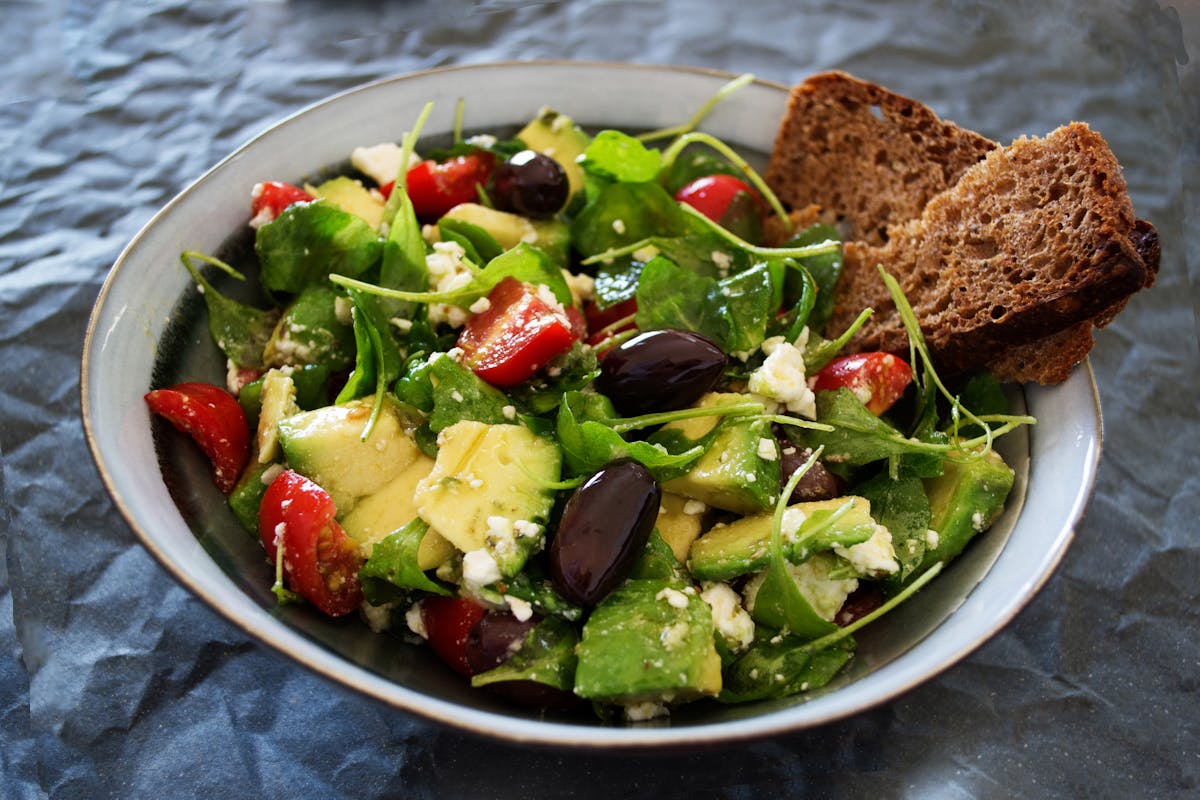
Divide the grains between two bowls. Top with the greens and protein mixture. Arrange the cherry tomatoes and avocado slices on top. Sprinkle with feta (if using), toasted nuts or seeds, and fresh herbs. Finish with a squeeze of lemon juice for brightness. - Serve and enjoy mindfully.
Take a moment for a few deep breaths before that first bite, then pay attention to how this kind of savory, balanced meal makes you feel over the next few hours—steady, warm, and pleasantly full rather than spiked and crashed.

Storage, Meal Prep, and Reheating Tips
This bowl is perfect for meal prep and busy mornings when you still crave something warm and nourishing.
- Fridge: Store grains, sautéed veggies, and protein together in an airtight container for up to 3 days. Keep avocado, fresh herbs, and crunchy toppings separate.
- Freezer: Cooked grains and sautéed veggies/protein freeze well for up to 1 month. Defrost overnight in the fridge for best texture.
- Reheating: Rewarm the base in a skillet over low-medium heat with a splash of water or broth, or microwave in 30-second bursts, stirring between intervals.
- Freshen it up: Add fresh avocado, herbs, a squeeze of lemon, and an extra sprinkle of seeds right before serving to restore crunch and brightness.

Serving Ideas and Complementary Dishes
You can serve this breakfast bowl as a standalone meal or as part of a bigger brunch spread that still respects your blood sugar.
- With a drink: Pair with black coffee, coffee with a splash of milk/cream, or unsweetened tea. If you enjoy lattes, have them alongside the bowl—not on an empty stomach.
- Fresh fruit on the side: Berries, kiwi, or a small apple go beautifully, especially when you eat them after the protein and veggies.
- Sweet-savory balance: Craving something sweet? Add a spoonful of Greek yogurt topped with cinnamon and walnuts rather than a sugary pastry.
- Post-meal movement: Finish breakfast with a gentle 10–15 minute walk to further support stable glucose and a clear head for the day.
Finding a Healthy Balance with the Blood Sugar Trend
It’s easy to get swept up in perfectly flat glucose graphs and dramatic “before and after” posts. Yet nutrition pros remind us that:
- Some rise in blood sugar after eating is normal and expected.
- Context matters—a spike after birthday cake once in a while is different from constant ultra-processed snacking.
- How you feel—energy, mood, cravings—can be as important as the exact number.
Use blood-sugar-friendly cooking as an invitation to build more colorful, protein-rich, veggie-forward plates—not as another rigid set of rules. Your kitchen can be a place of both curiosity and comfort, where data (if you use it) simply helps you tailor meals to your body’s needs.
Start with this savory bowl, notice how your morning feels, and let that gentle feedback guide your next delicious experiment.
