
Gut Health 2.0: A Flavor‑Packed Guide to Fermented, Fiber‑Rich, Microbiome‑Loving Cooking
Gut health 2.0 is all about cooking colorful, fiber‑rich, fermented meals that feed a diverse microbiome—not just popping a probiotic pill. In this guide and recipe, you’ll see how everyday foods like kimchi, beans, herbs, and polyphenol‑packed vegetables can become a vibrant, microbiome‑friendly dinner that supports digestion, energy, and overall wellness.
Gut Health 2.0 in Your Kitchen
In 2026, “Gut Health 2.0” is less about chasing the latest probiotic supplement and more about building a joyful, sustainable way of eating. Microbiome researchers, dietitians, and food lovers are all saying the same thing: diverse plants + fermented foods + fewer ultra‑processed snacks create a powerful foundation for a happy gut.
Think of your gut microbes as tiny dinner guests. They thrive when you:
- Serve them fermented foods like kimchi, yogurt, kefir, miso, tempeh, and sauerkraut.
- Offer lots of fiber diversity—20–30 different plant foods a week, from beans to berries to spices.
- Layer in polyphenol‑rich ingredients such as leafy greens, herbs, olive oil, and colorful vegetables.
- Keep ultra‑processed foods, refined sugars, and additives as “sometimes” treats.
This page brings all of that science to life in one deeply satisfying dish: a gut‑friendly Kimchi & Rainbow Veggie Grain Bowl that’s easy enough for a busy weeknight but special enough to post on social media.
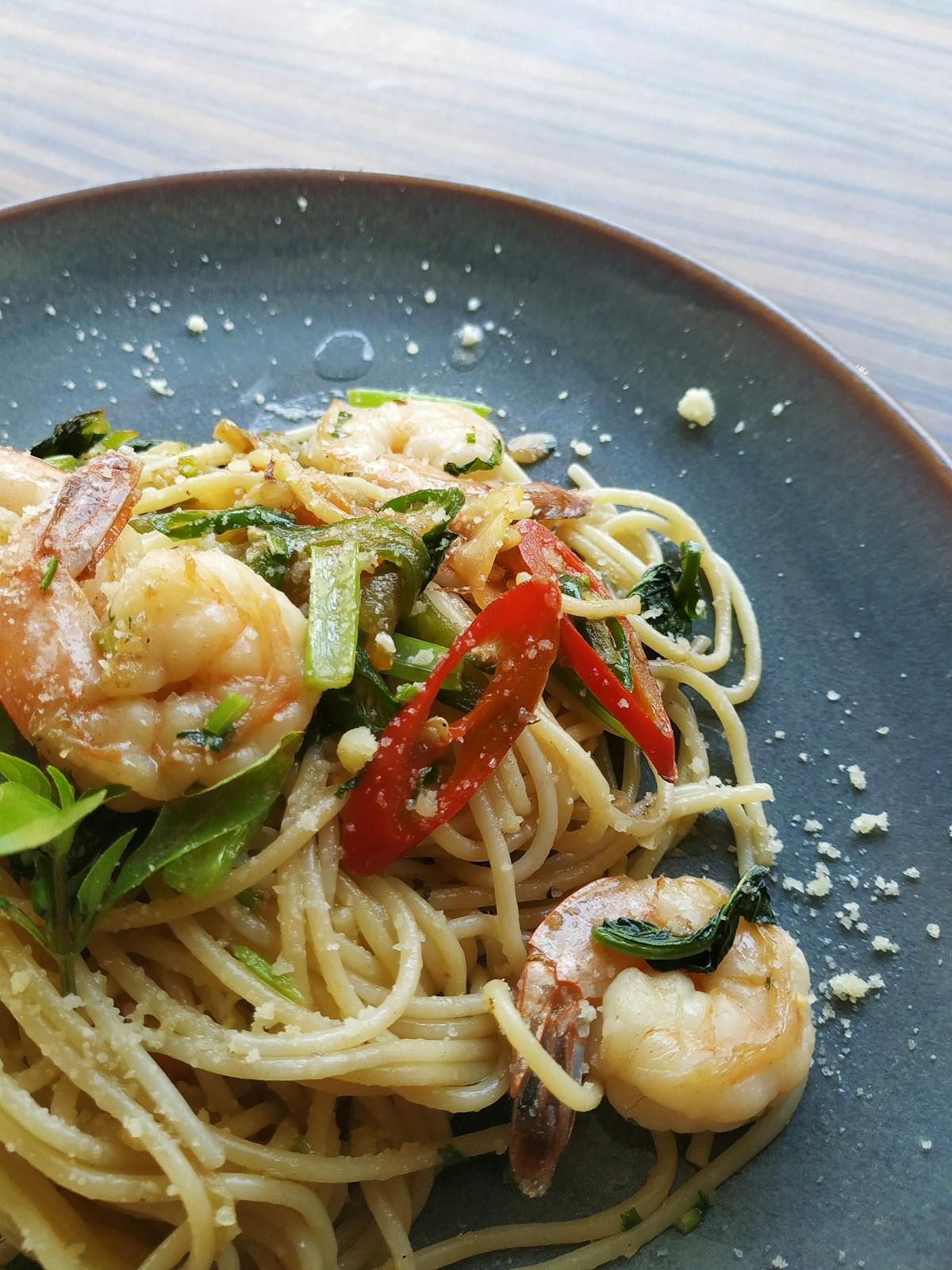
Gut‑Friendly Kimchi & Rainbow Veggie Grain Bowl
This microbiome‑friendly grain bowl layers tangy kimchi, fiber‑rich whole grains, creamy beans, and polyphenol‑packed veggies with a silky miso‑tahini dressing. It’s a warm, satisfying, weeknight‑friendly recipe that celebrates fermented foods, plant diversity, and everything we love about the modern “microbiome diet.”
How This Bowl Supports Gut Health 2.0
Every element of this recipe is chosen with your microbiome in mind—without sacrificing flavor, comfort, or joy at the table.
- Fermented foods (kimchi, optional miso): bring live cultures and that addictive tangy, funky brightness that wakes up the whole bowl.
- Fiber diversity: whole grains, beans, leafy greens, crunchy veggies, herbs, seeds, and nuts give your gut microbes a full menu of prebiotic fibers.
- Polyphenol‑rich ingredients: extra‑virgin olive oil, dark leafy greens, red cabbage or radicchio, carrots, and fresh herbs add color and antioxidant power.
- Balanced macros: protein from beans (and optional tofu/egg), slow‑release carbs from grains, and healthy fats from tahini and olive oil keep you satisfied.
The idea mirrors the current microbiome‑friendly trends you’ll see in “What I eat in a day for gut health” content: small, regular servings of fermented foods; lots of plants; minimal ultra‑processed ingredients; and plenty of flavor to keep it sustainable.
Ingredients
For the Grain Base
- 1 cup (200 g) cooked whole grains such as short‑grain brown rice, quinoa, farro, or barley (about 2.5–3 cups cooked)
- 2 cups (480 ml) water or low‑sodium vegetable broth
- 1/4 teaspoon sea salt
For the Kimchi & Veggie Toppings
- 1 cup packed kimchi, roughly chopped if in large pieces (choose vegan kimchi if needed)
- 1 1/2 cups cooked beans (such as chickpeas, cannellini, black beans, or lentils), drained and rinsed
- 1 cup thinly sliced red cabbage or radicchio
- 1 cup leafy greens (baby spinach, kale, or mixed greens), roughly chopped
- 1 medium carrot, cut into matchsticks or thin rounds
- 1 small cucumber, halved and sliced
- 2 green onions, thinly sliced
- 1/4 cup chopped fresh herbs (cilantro, parsley, or a mix)
- 1 tablespoon extra‑virgin olive oil
- Pinch of sea salt and freshly ground black pepper
For the Miso‑Tahini Dressing
- 3 tablespoons tahini
- 1 tablespoon white or yellow miso paste (or extra tahini + salt if avoiding soy)
- 1 tablespoon apple cider vinegar or rice vinegar
- 1 tablespoon fresh lemon juice
- 1–2 teaspoons maple syrup or honey (to taste)
- 1 small garlic clove, finely grated or minced (optional if you’re sensitive)
- 3–4 tablespoons warm water, to thin
- 1–2 teaspoons toasted sesame oil (optional, for aroma)
For Serving & Extra Gut‑Loving Crunch
- 2–3 tablespoons toasted seeds (pumpkin, sunflower, or sesame)
- 1 tablespoon hemp hearts (optional, for extra healthy fats and protein)
- Optional protein: soft‑boiled or jammy eggs, marinated tofu, or grilled tempeh
- Optional spice: chili flakes or a drizzle of chili crisp (check for simple, minimal ingredients)
Step‑by‑Step Visual Guide


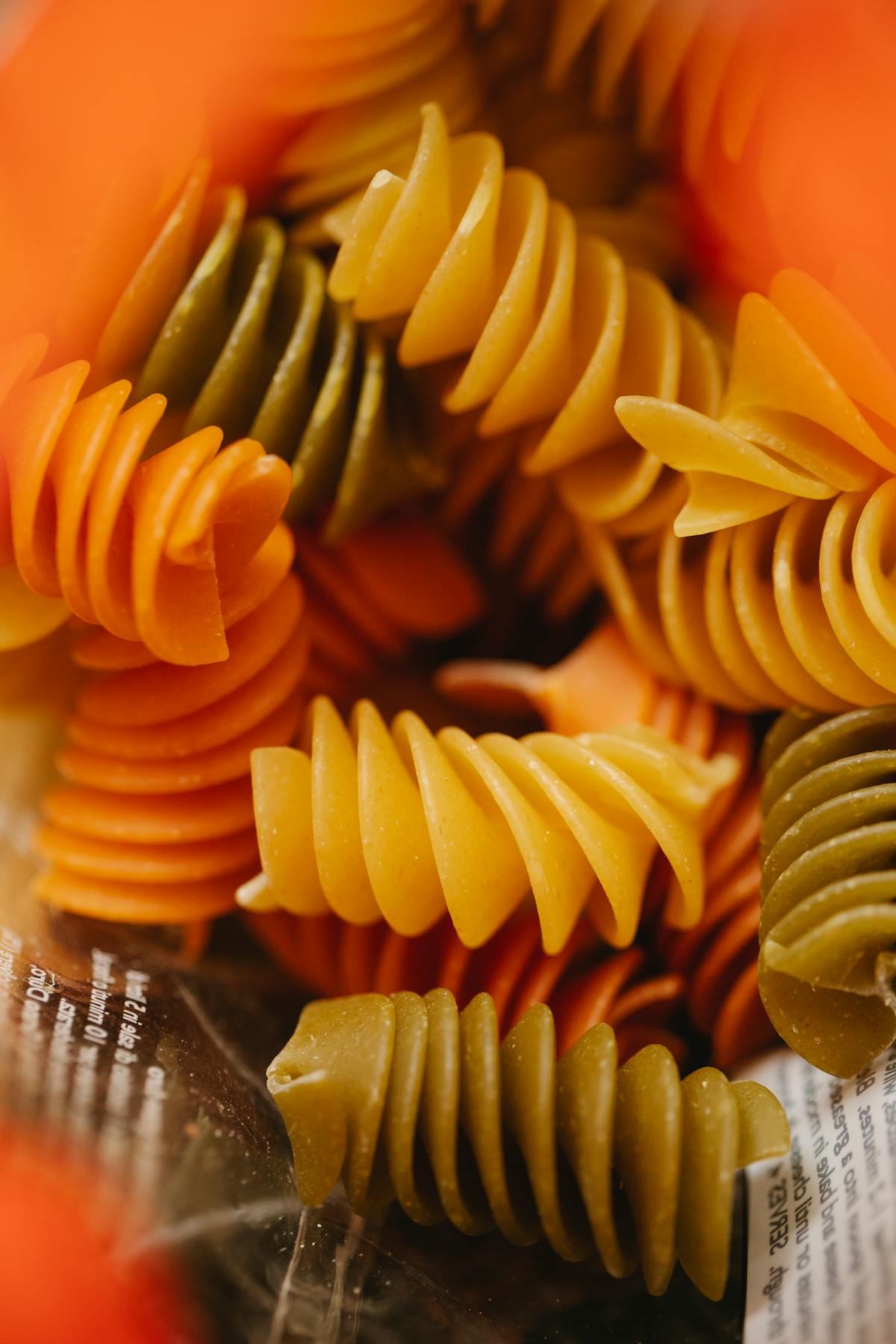
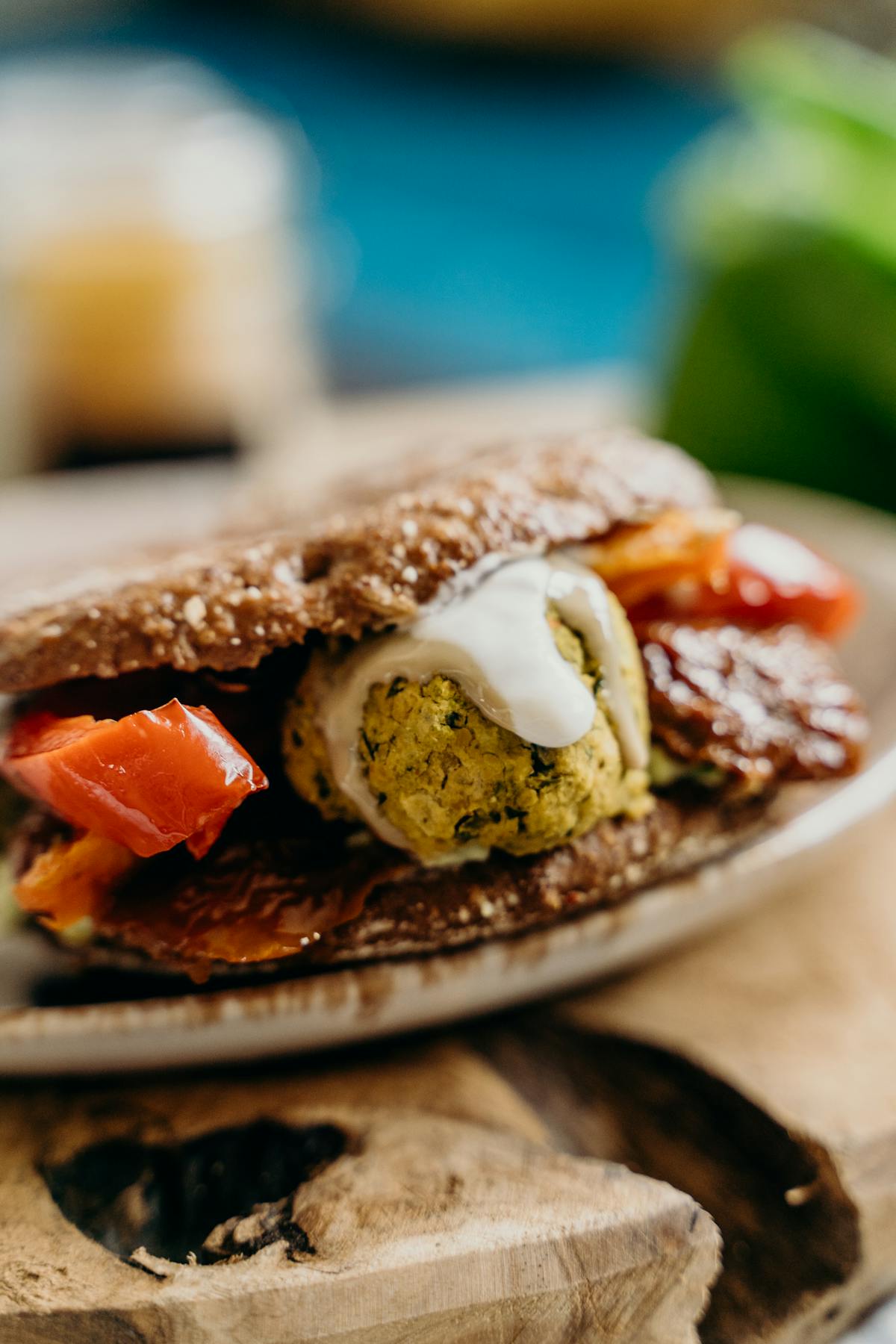
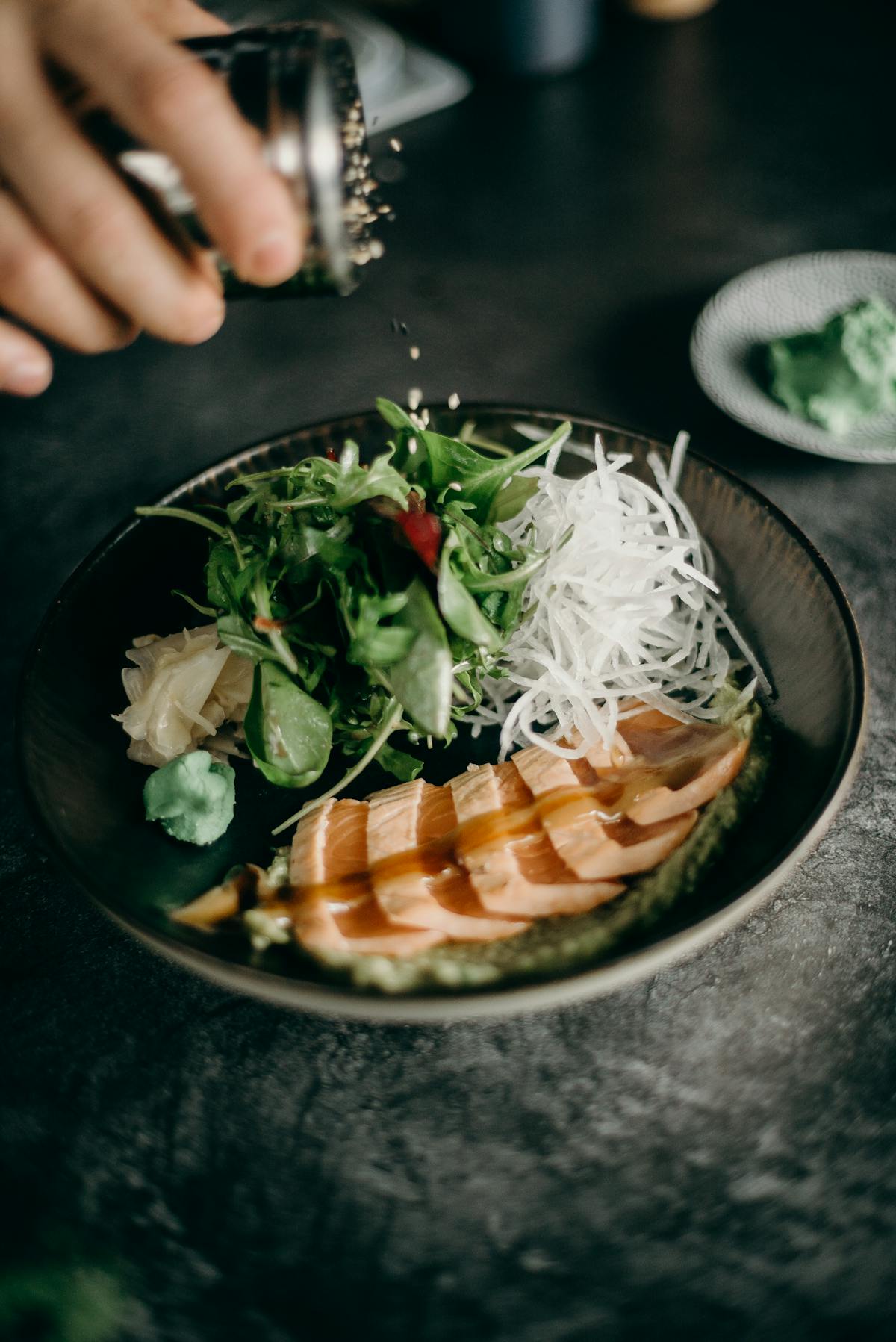
Step‑by‑Step Instructions
- Cook the grains.
Rinse your chosen grains under cool water. Add to a saucepan with 2 cups (480 ml) water or broth and 1/4 teaspoon salt. Bring to a boil, then reduce to a gentle simmer, cover, and cook until tender (usually 15–25 minutes, depending on the grain). Fluff with a fork and keep warm. - Prep the veggies and beans.
While the grains cook, slice the red cabbage (or radicchio), chop the leafy greens, cut the carrot and cucumber, and slice the green onions and herbs. Rinse and drain the beans well. - Lightly warm the beans & greens (optional).
In a large skillet, warm 1 tablespoon olive oil over medium heat. Add the beans with a pinch of salt and pepper and cook for 2–3 minutes, just until heated through. Add the chopped leafy greens and sauté for 1–2 more minutes until wilted but still bright. Set aside. - Make the miso‑tahini dressing.
In a bowl or jar, whisk together the tahini, miso, vinegar, lemon juice, and maple syrup or honey. Add the grated garlic (if using). Slowly whisk in 3–4 tablespoons warm water until the dressing is smooth and pourable. Adjust to taste with more acidity, sweetness, or water. Stir in sesame oil, if using. - Prep the kimchi.
Scoop the kimchi from its jar, letting excess liquid drip off. Roughly chop larger pieces for easier eating. For maximum live cultures, keep the kimchi unheated and add it to the bowls right before serving. - Assemble the gut‑friendly bowls.
Divide the warm grains among 4 bowls. Arrange the beans and greens, red cabbage, carrots, and cucumber in separate clusters on top. Nestle a generous scoop of kimchi in each bowl. - Dress and garnish.
Drizzle each bowl with the miso‑tahini dressing. Sprinkle with green onions, fresh herbs, toasted seeds, and hemp hearts. Add your cooked egg, tofu, or tempeh if using. Taste and add a pinch of extra salt, pepper, or chili flakes to your liking. - Serve and enjoy mindfully.
Serve the bowls slightly warm or at room temperature. Breathe in the aromas—the nuttiness of tahini, the garlicky funk of kimchi, the freshness of herbs—and take your time. Your microbes love consistency, so dishes like this are perfect to enjoy a few times a week.
Variations, Substitutions & Dietary Swaps
One of the joys of Gut Health 2.0 cooking is flexibility. This bowl is incredibly forgiving—perfect for using what you have and honoring your needs.
Ingredient Swaps to Increase Plant Diversity
- Grains: swap half the rice for quinoa or buckwheat, or use a wild rice blend.
- Beans: mix chickpeas and black beans, or use lentils one night and kidney beans the next.
- Veggies: rotate in roasted sweet potato, steamed broccoli, roasted cauliflower, or sliced bell peppers.
- Ferments: add a spoonful of sauerkraut or a side of plain kefir or yogurt (if tolerated) on days you don’t use kimchi.
Flavor Twists Inspired by Global Gut‑Friendly Cuisines
- Mediterranean: Use olive oil generously, add olives, cherry tomatoes, and a sprinkle of oregano; swap kimchi for a spoonful of fermented pickles.
- Latin‑inspired: Use black beans, corn, avocado, and cilantro; add a squeeze of lime and a spoonful of fermented hot sauce.
- Japanese‑inspired: Use miso generously, add edamame, nori strips, and a side of pickled ginger.
Storage, Meal Prep & Reheating
These Microbiome Diet bowls are fantastic for meal prep, especially if you store components separately to keep textures vibrant.
Storage Guidelines
- Cooked grains: Store in an airtight container in the refrigerator for up to 4 days.
- Beans & sautéed greens: Keep together in a lidded container for 3–4 days.
- Raw veggies: Store sliced vegetables in separate containers with a lightly damp paper towel to keep them crisp, up to 3 days.
- Kimchi: Keep in its original jar, tightly sealed, in the fridge. It can last for months, growing tangier over time.
- Dressing: Refrigerate in a jar for 4–5 days. It may thicken—just thin with a splash of water and whisk or shake.
Reheating Tips
- Gently reheat grains and beans/greens in a skillet with a splash of water, or microwave them until warm.
- Keep kimchi and most raw veggies cold or at room temperature to preserve crunch and live cultures.
- Assemble bowls just before eating, adding dressing and crunchy seeds at the end.
Serving Ideas & Complementary Dishes
This kimchi grain bowl can absolutely be a complete meal on its own, but it also plays well with others for a full gut‑friendly spread.
Make It a Microbiome‑Friendly Menu
- Starter: A simple miso soup with seaweed and tofu, or a small salad of mixed greens, radishes, and a light vinaigrette.
- Side: A plate of sliced oranges or berries drizzled with extra‑virgin olive oil and sprinkled with chopped nuts.
- Drink: Unsweetened green tea, lightly brewed kombucha (if tolerated), or water infused with citrus and herbs.
- Dessert: A square of dark chocolate (70%+ cocoa) with a small handful of walnuts or almonds.
“Gut Health 2.0 isn’t about perfection; it’s about patterns. When most of your meals look colorful, fiber‑rich, and minimally processed—like this bowl—you’re already doing something wonderful for your microbiome.”
Gentle Tips for Building a Gut‑Friendly Routine
Based on current microbiome research and the “Gut Health 2.0” conversation across podcasts and social media, here are a few supportive, realistic practices to pair with recipes like this:
- Start small with ferments: If you’re new to kimchi or sauerkraut, begin with 1–2 teaspoons a day and slowly increase.
- Increase fiber gradually: Going from very low fiber to high fiber overnight can cause bloating. Add 1–2 extra plant foods per day and drink enough water.
- Focus on weekly diversity: Aim for 20–30 different plant foods per week—counting veggies, fruits, whole grains, legumes, nuts, seeds, herbs, and spices.
- Watch ultra‑processed snacking: Enjoy treats, but keep everyday meals centered on whole or minimally processed ingredients like those in this recipe.
- Listen to your body: If certain high‑fiber foods or ferments don’t sit well, adjust portions and consider guidance from a registered dietitian or GI specialist.
Over time, simple, delicious recipes like this kimchi grain bowl can help make “microbiome‑friendly eating” feel less like a trend and more like a deeply satisfying way of life.
