
‘AI Slop’ And The Bowling Alley Presidency: Trump’s Viral Iran War Video Backlash Explained
A controversial bowling-themed AI video shared by the Trump White House about the ongoing Iran conflict has sparked fierce backlash online, raising questions about propaganda, political communication, and the ethics of using artificial intelligence to package war as viral content.
When War Looks Like a Meme: The Trump Iran AI Video Backlash
In an era where presidential messaging competes with TikTok edits and meme accounts, the Trump White House has leaned hard into AI-generated visuals. The latest example—a bowling-themed AI clip about Donald Trump’s ongoing conflict with Iran—has crossed a line for many viewers, who see it as a trivialization of war dressed up as internet content.
Critics have labeled the 34‑second spot “AI slop,” accusing the administration of turning foreign policy into a viral content farm. Others argue this is simply the inevitable evolution of political propaganda in the age of generative tools. Either way, the outrage reveals a growing unease with how artificial intelligence is being deployed at the highest levels of power.
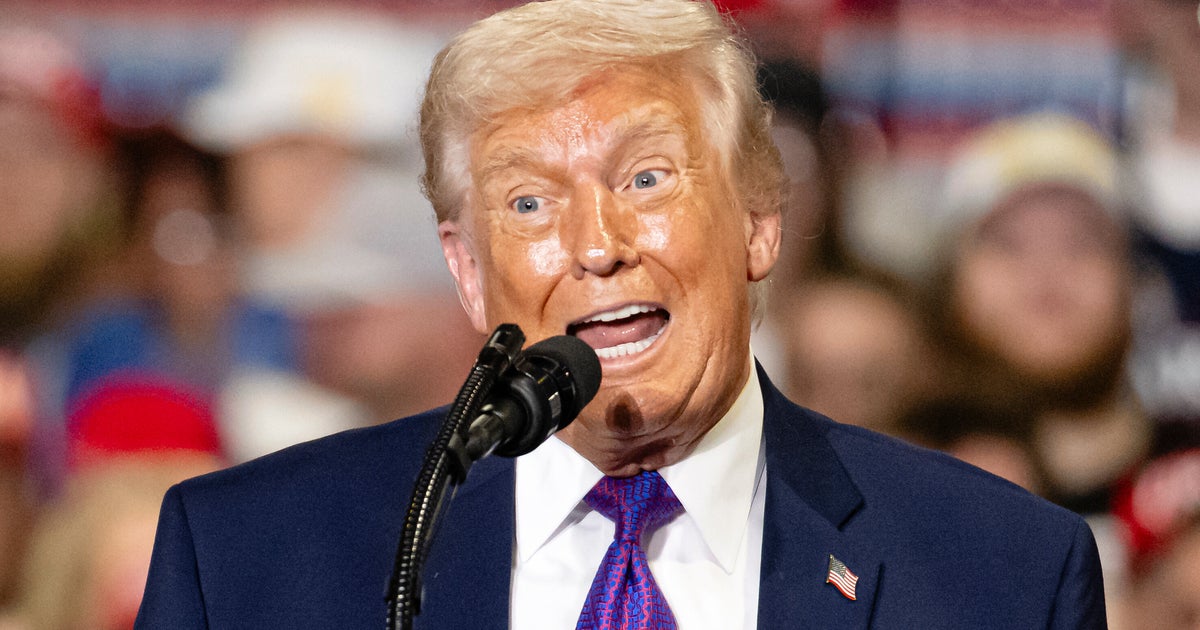
“My God, is this really what this country has become?”
That stunned reaction, circulating widely on X and other platforms, captures the core anxiety: if war is being framed like a bowling montage, what does that say about the culture consuming it?
How We Got Here: Trump, Iran, and the Era of AI-Driven Propaganda
The Trump administration has consistently treated media as a battleground, from combative press conferences to carefully staged rally footage. What’s newer is the volume of AI‑assisted imagery flooding timelines, crafted not for policy briefings but for maximum shareability.
The Iran conflict itself is anything but glib: years of sanctions, proxy clashes, nuclear anxieties, and moments where miscalculation could mean regional war. Historically, White House messaging around Iran has been solemn—even when hawkish. The pivot to a bowling‑themed AI fantasia feels like a jarring tonal break from that tradition.
- Traditional approach: solemn addresses, primetime speeches, formal briefings.
- Modern Trump approach: short, punchy videos, WWE‑style bravado, visually loud propaganda.
- New wrinkle: generative AI that can churn out glossy, surreal visuals in minutes.

The White House’s choice to gamify Iran through bowling alleys and AI‑generated spectacle is not an isolated misfire; it fits into a broader trend where geopolitics is packaged like a Marvel trailer.
Inside the Bowling-Themed ‘AI Slop’: What the Iran Video Actually Does
While exact frames of the 34‑second clip vary across reposts, the structure follows a pattern familiar to Trump‑aligned digital ops: exaggerated visuals, a clear hero–villain framing, and a sports‑or‑game metaphor designed to feel “fun” rather than frightening.
- Bowling alley framing: War strategy abstracted into strikes and pins—conflict as a game score.
- AI‑generated flair: Unreal textures and lighting that make the scene feel like a video game cutscene.
- Triumphal tone: The implicit message that Trump is “winning” at Iran the way one wins a leisure activity.
To critics, this is propaganda not just in message but in emotional calibration: it flattens a dangerous standoff into something the audience is supposed to cheer, not fear.
“This isn’t just cringe; it’s a new low in how we aestheticize war.”

“‘Absolutely Shameful’”: Online Backlash and Cultural Whiplash
The response was swift. Commentators, journalists, and ordinary users torched the clip as tone‑deaf at best and morally bankrupt at worst. The phrase “absolutely shameful” trended in posts dissecting the AI aesthetics and the gleeful bowling metaphor.
- Ethical outrage: Many saw the video as mocking the seriousness of impending or ongoing war with Iran.
- Aesthetic disgust: “AI slop” became shorthand for low‑effort generative content flooding political feeds.
- Patriotic anxiety: “Is this really what this country has become?” doubled as critique and lament.
The criticism wasn’t confined to ideological foes. Even some right‑leaning commentators suggested that using AI‑gamified visuals for war messaging risked alienating voters who still expect some gravity from the Oval Office, no matter who occupies it.

“It feels like the government discovered TikTok templates and decided foreign policy should look the same.”
What People Mean by “AI Slop” — And Why It Matters Politically
The term “AI slop” has become a catch‑all insult for generic, oversaturated, algorithm‑generated images and videos that feel cheap, soulless, or cynically engineered for engagement. It’s the cultural equivalent of fast food: quick, filling, but nutritionally suspect.
Applied to the Trump Iran clip, “AI slop” isn’t only about bad taste. It signals distrust in how the administration approaches reality itself—preferring glossy, frictionless narratives to complex, uncomfortable truths about war.
- Speed over substance: AI enables rapid production of messaging, often at the expense of nuance.
- Engagement over empathy: The goal is clicks and shares, not reflection about human cost.
- Blurred authorship: When a machine “creates” the image, accountability for tone and framing becomes fuzzy.

Politics as Content: Bowling Alleys, War, and the Meme-ification of Power
The bowling metaphor isn’t random; it taps into a decades‑long American habit of using sports and games to sell politics. From “touchdown” metaphors for policy wins to election night framed like ESPN coverage, politics has long borrowed the language of leisure.
What’s changed is the toolkit. Generative AI lets political teams turn that instinct up to 11, rendering war as something closer to an arcade sequence than a solemn decision. It’s not that propaganda is new; it’s that it now looks like your For You page.
- Past: Posters, solemn TV spots, official photographs.
- Present: Short‑form clips, hyper‑edited “hype videos,” and AI imagery.
- Cultural tension: Citizens wondering whether they’re being informed or merely entertained.
“If your war messaging could double as a bowling league promo, you’ve probably lost the plot.”
Does This Style Work? Strengths, Weaknesses, and the 2020s Attention Economy
From a purely strategic media perspective, the Trump team’s AI push has some clear advantages: it’s fast, distinctive, and instantly recognizable. They understand that in 2020s politics, bland does not trend.
What this approach gets right
- Platform fluency: Short, loud, and visually weird plays well on social feeds.
- Brand consistency: Trump’s image as a showman is reinforced by over‑the‑top visuals.
- Message clarity: The viewer never doubts who is supposed to be “winning.”
Where it clearly backfires
- Tone‑deafness: War messaging wrapped in a bowling gag invites accusations of cruelty or trivialization.
- Credibility erosion: Over‑reliance on AI spectacle can make serious claims feel less trustworthy.
- Backlash amplification: Outrage itself becomes the story, overshadowing any intended policy narrative.

Context, References, and Where to Read More
For those tracking the intersection of AI, politics, and media, this Iran bowling video is part of a larger pattern that entertainment and news outlets have been dissecting in real time.
- Coverage and analysis via HuffPost
- Broader political background and credits on Trump‑era media strategies at IMDb (for campaign documentaries and related titles)
- Industry insights on AI in political advertising from outlets like Politico and The New York Times
Beyond the Bowling Alley: What This Backlash Tells Us About the Future
The fury around this Iran “AI slop” video isn’t just about one piece of bad taste propaganda. It’s a referendum on how comfortable we are with our leaders turning existential stakes into meme‑friendly spectacle. For many, the answer is: not very.
Yet the incentives aren’t going away. As long as attention is the central currency of politics, teams will experiment with whatever tools—AI included—generate the biggest splash. The real cultural test will be whether audiences start tuning out the spectacle, demanding not just better policy, but better storytelling ethics.
For now, the bowling‑themed Iran clip stands as a case study in what happens when the aesthetics of viral entertainment collide with the gravity of war. If the public keeps calling that “absolutely shameful,” political strategists may finally have to ask whether some engagement just isn’t worth the strike.
