
7 Warning Signs You’re Taking Too Much Vitamin D (And What To Do About It)
Key Signs You May Be Overdosing on Vitamin D (And How to Stay Safe)
Vitamin D has become one of the most popular supplements in the world—especially in places with long, dark winters. It supports bone health, muscle function, and immune defenses. But as recent warnings from health services such as the NHS have highlighted, taking too much vitamin D for too long can do more harm than good.
This guide walks you through the key signs of vitamin D overdose, what the science says, and practical steps to keep your levels in the safe zone—without giving up the benefits you’re looking for.
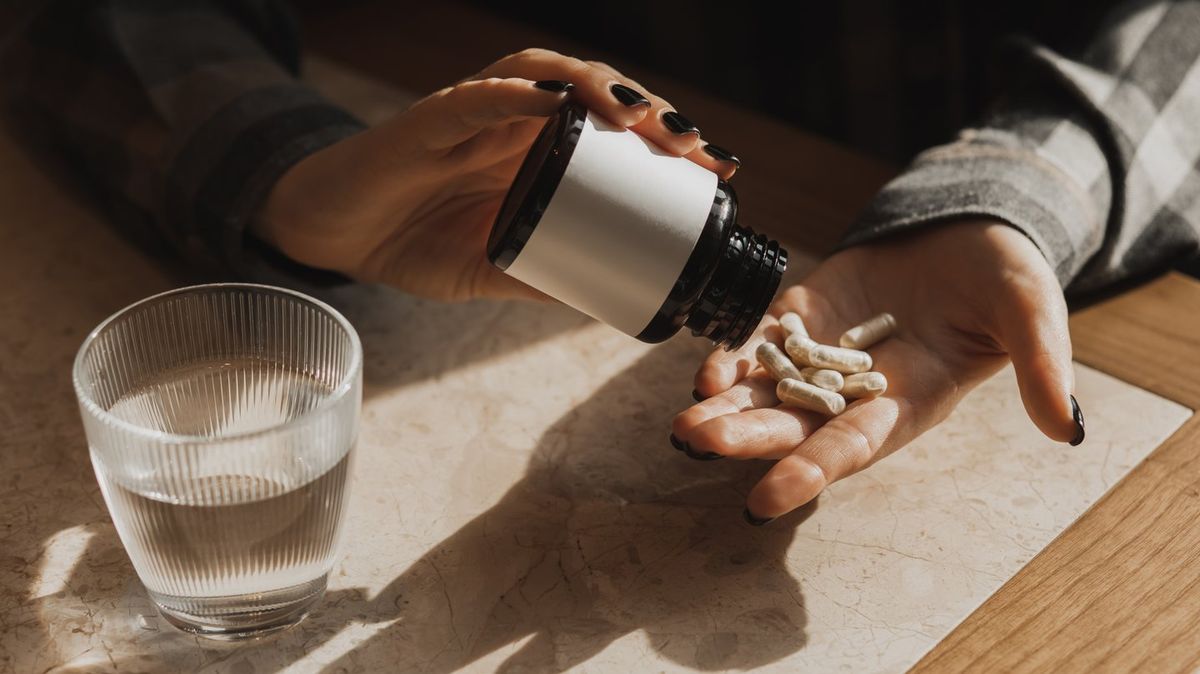
Why “More” Vitamin D Isn’t Always Better
Many people start vitamin D after hearing it can boost mood, bone strength, and immunity. Because it’s sold over the counter, it’s easy to assume you can’t really overdo it. But vitamin D is a fat-soluble vitamin, which means your body stores it rather than flushing out the excess in your urine (like vitamin C).
When you consistently take more than your body needs—especially high-dose “mega” supplements—vitamin D levels can build up and push your blood calcium to unsafe levels. This condition is called vitamin D toxicity or hypervitaminosis D.
“Taking too many vitamin D supplements over a long period of time can cause a dangerous build-up of calcium in the body, which can weaken bones and damage the kidneys and the heart.”
— NHS guidance on vitamin D
The good news: vitamin D overdose is still uncommon and usually happens after weeks or months of very high supplemental doses, not from food or normal sun exposure. But with more people taking daily tablets, it’s wise to know the early signs.
7 Key Signs You May Be Overdoing Vitamin D
Symptoms of vitamin D overdose mostly come from too much calcium in the blood (hypercalcaemia). They can be subtle at first and easy to mistake for everyday issues like stress or a mild bug.
- Persistent nausea or vomiting
Feeling sick, queasy, or actually being sick is one of the most commonly reported early signs of vitamin D toxicity. If you suddenly develop ongoing nausea and are also taking high-dose vitamin D, it’s worth paying attention. - Loss of appetite and unintended weight loss
Hypercalcaemia can blunt your appetite. You might notice food feels unappealing, you get full very quickly, or you start losing weight without trying. - Excessive thirst and frequent urination
High calcium levels make your kidneys work harder. This can leave you constantly thirsty, needing to drink more, and running to the toilet more often than usual—even at night. - Weakness, fatigue, or muscle pain
Over-supplementation can paradoxically leave you feeling more tired and weaker, with general aches or muscle pain that doesn’t quite make sense for your usual activity level. - Confusion, brain fog, or mood changes
Very high calcium can impact the nervous system. People sometimes report feeling “spaced out”, confused, or unusually irritable. In more severe cases, there can be noticeable mental status changes that require urgent care. - Stomach pain and constipation
Abdominal discomfort, cramping, or constipation can accompany vitamin D toxicity, again due to raised calcium and the way it affects the gut and kidneys. - Kidney-related symptoms
Over time, high vitamin D and calcium can stress the kidneys, potentially contributing to kidney stones or, in serious situations, kidney injury. You might notice:- Back or side pain (near the kidneys)
- Foamy or very dark urine
- Swelling in hands, ankles, or feet
A Real-World Example: When “Just in Case” Doses Add Up
A 52-year-old office worker (we’ll call her Sarah) started taking vitamin D after reading that it might support her immune system during winter. She began with 1,000 IU daily, then added another high-strength capsule she found online—10,000 IU—“just in case.”
For several months, she took around 11,000 IU per day without telling her GP. Gradually, Sarah noticed:
- Ongoing nausea and poor appetite
- Constant thirst and nightly trips to the bathroom
- A heavy, dragging fatigue she couldn’t shake
Blood tests eventually revealed very high vitamin D levels and elevated calcium. With medical supervision, she stopped supplementation, increased hydration, and her levels slowly returned to normal over several weeks. She still takes vitamin D today—but at a moderate, GP-guided dose.
“I thought because it was ‘just a vitamin’ there was no real risk. I wish I’d realised that fat-soluble vitamins can stick around in your system. Now I always double-check the dose and talk to my doctor before changing supplements.”
— Sarah, recovering from vitamin D toxicity
What the Science Says About Vitamin D Toxicity

Vitamin D toxicity remains rare, but reported cases have increased in step with the supplement’s popularity. Recent reviews and case reports note that toxicity usually occurs with:
- Daily intakes above 10,000 IU for several weeks or months
- Manufacturing or labelling errors leading to extremely high doses
- High-dose prescription vitamin D not monitored by blood tests
A commonly cited upper safe limit from scientific bodies, including the European Food Safety Authority and the US Institute of Medicine, is around 4,000 IU per day for most adults. Some people with medical conditions may need more, but this should always be under medical supervision with regular blood checks.
How Much Vitamin D Is Generally Considered Safe?
Exact recommendations vary slightly by country and health authority, but broad guidance for most adults is:
- 400–1,000 IU (10–25 micrograms) per day is a common daily maintenance dose.
- Up to 4,000 IU (100 micrograms) per day is often cited as the upper limit for long-term use without medical supervision.
- People with obesity, malabsorption conditions, or certain medications may need different doses, but these should be decided with a doctor.
Unlike overdose, short-term higher doses prescribed by a specialist (for example, 20,000 IU once weekly) can be appropriate in deficiency treatment—but they require monitoring to remain safe.
Practical Steps to Use Vitamin D Safely
You don’t need to fear vitamin D—but you do want to treat it with the same respect as any other active medicine. Here’s how to keep it working for you, not against you.
- Check your total daily dose
Add up vitamin D from all sources:- Multivitamins
- Standalone vitamin D capsules or sprays
- “Bone support” or “immune support” blends
- Ask for a blood test if you’re unsure
A simple blood test (25-hydroxyvitamin D) shows your current level. This is especially worthwhile if:- You’ve been on high-dose supplements for more than a few months
- You have symptoms that could match toxicity or deficiency
- You have kidney disease, sarcoidosis, or other conditions affecting vitamin D metabolism
- Avoid stacking “mega dose” products
If one supplement already provides 2,000–4,000 IU, think twice before adding another daily product. More is not automatically better. - Store supplements safely and clearly
Keep vitamin D:- In its original container with the label visible
- Away from children’s reach
- Not mixed loosely with other tablets (to avoid confusion)
- Don’t rely on supplements alone
Where safe and appropriate, combine sensible sun exposure and vitamin D–rich foods (like oily fish, fortified dairy or plant milks, and eggs) with moderate supplementation. - Talk to your doctor before big dose changes
If you’re considering a large increase—or you’ve been on a high dose you found online—bring the bottles to your appointment. This makes it much easier for your clinician to give tailored advice.

Common Obstacles (And How to Overcome Them)
Many people accidentally drift into unsafe vitamin D territory because of a few predictable pitfalls. Recognising them is half the battle.
- “If a little helps, more must be better” thinking
This is understandable—especially if you’ve felt better since starting vitamin D. Remind yourself that hormones and fat-soluble vitamins have a U-shaped curve: too little and too much can both be harmful. - Not realising vitamin D is in several products
Many “immune boosting” or “winter wellness” supplements already contain substantial vitamin D. Keep a simple note in your phone or on your fridge listing:- Product name
- Vitamin D per serving (IU or micrograms)
- How often you take it
- Fear of deficiency after hearing about low population levels
Yes, widespread low vitamin D is a real concern in some countries—but the solution isn’t indefinite high-dose self-treatment. Safer: moderate daily dosing plus testing where indicated.
Vitamin D Use: Healthy vs. Risky Patterns
Here’s a simple before-and-after style comparison to highlight safer habits.
Risky Pattern
- Taking several supplements with vitamin D without checking totals
- Using 5,000–10,000 IU daily “just in case” with no blood tests
- Ignoring early symptoms like nausea or unusual fatigue
- Not informing your GP about long-term high-dose use
Safer Pattern
- Using a daily dose in the 400–1,000 IU range unless otherwise advised
- Keeping a written or digital record of your total vitamin D intake
- Getting levels checked if you’re on higher doses or feel unwell
- Discussing any persistent symptoms promptly with a health professional

Moving Forward: Using Vitamin D Wisely and Confidently
Vitamin D can absolutely be part of a sensible health plan. The aim isn’t to scare you away from supplements, but to give you the information you need to use them safely and intentionally.
If you recognise some of the warning signs above—or if your daily intake has crept higher than you realised—this is a good moment to pause, regroup, and, if needed, have a quick chat with your GP or pharmacist. Small adjustments now can spare you much bigger problems later.
- Review your current vitamin D dose this week.
- Book a blood test if you’ve been on high doses or feel unwell.
- Set a reminder to re-check your supplement routine every 6–12 months.
