
7-Day Spring Blood Sugar Reset: Dietitian-Designed Meal Plan You’ll Actually Want to Eat
Simple 7-Day Spring Meal Plan for Better Blood Sugar (Created by a Dietitian)
When spring finally shows up—with longer days, flowers popping up and calendars filling fast—it’s easy for blood sugar management to slide to the bottom of the to‑do list. You’re juggling work, family plans, maybe getting back outside to move more… and suddenly meals become whatever is quickest, not whatever keeps you steady and energized.
This simple 7-day spring meal plan, created by a registered dietitian, is built around high-fiber, high-protein recipes that use fresh, in-season ingredients to support more stable blood sugar. It’s not a detox, not a crash diet and definitely not “all-or-nothing.” Instead, you’ll find realistic meals, smart snacks and practical swaps you can actually live with—whether you have diabetes, prediabetes, insulin resistance or you simply want fewer energy crashes.
:max_bytes(150000):strip_icc()/Simple-7-Day-Spring-Meal-Plan-for-Better-Blood-Sugar-3ebf900c76c54ddbb8d7b6e7e87349ca.jpg)
You’ll also see how to tweak the plan for different calorie needs, what to do if you’re short on time, and how to handle real-life curveballs (like last-minute dinners out). As always, this is general information, not a substitute for medical advice—work with your health care team to personalize it for you.
Why Focus on Blood Sugar in the Spring?
Spring often means:
- Irregular schedules (sports, school events, travel)
- More meals eaten away from home
- Cravings for lighter, fresher foods—but not always the time to prepare them
All of this can lead to skipped meals, grazing, or grabbing high-carb snacks on the go, which may cause blood sugar spikes followed by crashes, leaving you hungrier and more tired.
“Eating well is one of the most important things you can do to manage diabetes. In general, choose fruits and vegetables, whole grains, lean protein, and low-fat dairy foods.” – Centers for Disease Control and Prevention (CDC)
The goal of this 7-day spring meal plan isn’t perfection. It’s to give you a flexible, evidence-informed structure so you’re not starting from scratch at every meal and snack.
How This 7-Day Blood Sugar-Friendly Spring Meal Plan Works
This plan is inspired by dietitian-approved guidance from sources like the American Diabetes Association and the Academy of Nutrition and Dietetics.
Each day generally includes:
- Three meals with a balance of fiber-rich carbs, lean protein and healthy fats
- One to three snacks (optional, depending on your hunger, activity and medication)
- Plenty of non-starchy vegetables to add volume and nutrients
Most adults will land around 1,400–1,800 calories per day on this plan, but your needs may be higher or lower. You can scale portions or add/remove snacks to better match your energy needs and targets from your health care team.

The Blood Sugar-Friendly Spring Plate: Simple Formula
You don’t need to count every gram of carbohydrate to make progress. A simple, visual method many of my clients like is the “balanced plate” approach:
- ½ plate non-starchy vegetables (greens, tomatoes, cucumbers, broccoli, asparagus, peppers)
- ¼ plate lean protein (fish, chicken, tofu, tempeh, beans, lentils, eggs)
- ¼ plate high-fiber carbohydrates (quinoa, brown rice, barley, farro, whole-wheat pasta, sweet potato, fruit)
- 1–2 thumb-size portions of healthy fats (olive oil, avocado, nuts, seeds)
In my practice, I’ve seen people reduce post-meal blood sugar spikes just by adding vegetables and protein to meals they already eat—for example, pairing a small bowl of pasta with a big salad and grilled chicken instead of having pasta alone.
Spring Foods That Support More Stable Blood Sugar
Spring produce can make blood sugar-friendly meals feel lighter and more flavorful. Here are examples of foods used throughout this 7-day plan:
- Non-starchy vegetables: asparagus, snap peas, radishes, baby carrots, lettuce, arugula, spinach, kale, fennel
- Fiber-rich carbs: strawberries, blueberries, cherries (in moderation), new potatoes with skins, quinoa, barley, farro, oats
- Lean proteins: salmon, trout, shrimp, chicken breast, turkey, tofu, tempeh, edamame, beans and lentils
- Healthy fats: extra-virgin olive oil, avocado, walnuts, almonds, chia seeds, flaxseeds, pumpkin seeds
- Fermented foods: yogurt with live cultures, kefir, kimchi, sauerkraut, which may support gut health
According to a 2023 review in the journal Nutrients, higher fiber intake—especially from whole plant foods—is associated with better glycemic control and lower risk of type 2 diabetes (Nutrients, 2023).

7-Day Spring Meal Plan for Better Blood Sugar
Below is a sample 7-day meal plan. Portions can be adjusted based on your energy needs. Carbohydrate amounts are approximate and will vary by brand and portion size; always check labels if you track carbs closely.
Day 1 – Fresh Start Monday
- Breakfast: Greek yogurt (or unsweetened plant yogurt) with ½ cup strawberries, 2 tablespoons chopped walnuts and 1 tablespoon chia seeds.
- Snack: 1 small apple with 1–2 tablespoons peanut butter.
- Lunch: Spring grain bowl: ½ cup cooked quinoa, 3 oz grilled chicken, roasted asparagus, cherry tomatoes, arugula and lemon-olive oil vinaigrette.
- Snack (optional): Carrot sticks with hummus.
- Dinner: Baked salmon with dill, roasted new potatoes (keep skin on) and steamed green beans.
Day 2 – Light & Crunchy Tuesday
- Breakfast: Overnight oats with rolled oats, unsweetened milk, cinnamon, ¼ cup blueberries and 1 tablespoon ground flaxseed.
- Snack: Plain kefir or low-sugar yogurt with a sprinkle of pumpkin seeds.
- Lunch: Lentil and vegetable soup with a side salad (mixed greens, cucumbers, radishes) and olive oil vinaigrette.
- Snack (optional): ½ cup cottage cheese and cucumber slices.
- Dinner: Stir-fry with tofu or shrimp, snap peas, bell peppers and broccoli served over cauliflower rice or brown rice.
Day 3 – Midweek Energy Wednesday
- Breakfast: Veggie omelet (2–3 eggs or egg substitute) with spinach, mushrooms and tomatoes plus a slice of whole-grain toast.
- Snack: Handful of mixed nuts (about ¼ cup) and a few berries.
- Lunch: Tuna or chickpea salad lettuce wraps with celery, onion, Greek yogurt or olive-oil mayo, served with carrot and celery sticks.
- Snack (optional): Small pear and a cheese stick.
- Dinner: Herb-roasted chicken thighs, roasted Brussels sprouts and a small serving of farro or barley.
Day 4 – Bright Flavors Thursday
- Breakfast: Smoothie with unsweetened milk, ½ frozen banana, spinach, protein powder (or Greek yogurt) and 1 tablespoon almond butter.
- Snack: Sliced bell peppers with guacamole.
- Lunch: Quinoa salad with cucumber, tomatoes, parsley, lemon and olive oil, topped with grilled halloumi or chicken.
- Snack (optional): Roasted chickpeas or edamame.
- Dinner: Baked cod with a side of sautéed kale and garlic, plus mashed cauliflower or a small baked sweet potato.
Day 5 – Flexible Friday
Many people eat out or order in on Fridays. Here’s a framework you can adapt.
- Breakfast: Greek yogurt parfait with raspberries, a small handful of granola (look for lower sugar, 5–7 g per serving) and sliced almonds.
- Snack: Hard-boiled egg and a small orange (or clementines).
- Lunch: Leftover cod or chicken over mixed greens with extra veggies and vinaigrette.
- Dinner (takeout idea 1): Grilled fish tacos in corn tortillas with cabbage slaw, pico de gallo and black beans. Go easy on rice and sugary drinks.
- Dinner (takeout idea 2): From a pizza place, choose a thin-crust veggie pizza, limit to 1–2 slices and add a large side salad with lean protein.
Day 6 – Spring Weekend Brunch Saturday
- Breakfast / Brunch: Veggie frittata with asparagus, onions and peppers served with a small portion of roasted potatoes and fruit.
- Snack: Handful of walnuts and sliced strawberries.
- Lunch: Chicken, avocado and tomato salad with lime dressing.
- Snack (optional): Small serving of hummus with sliced radishes and cucumbers.
- Dinner: Grilled turkey burgers (with or without whole-grain bun), lettuce, tomato and a side of coleslaw made with light dressing and extra veggies.
Day 7 – Reset & Prep Sunday
- Breakfast: Steel-cut oats cooked with cinnamon, topped with a small sliced apple, chopped pecans and a spoonful of plain yogurt.
- Snack: Celery sticks with peanut or almond butter.
- Lunch: Leftover turkey burger patty over a large salad with mixed greens, shredded carrots and cucumbers.
- Snack (optional): Small bowl of berries with a spoonful of ricotta or yogurt.
- Dinner: One-pot spring vegetable and white bean stew with tomatoes, spinach, zucchini and herbs.
Before & After: Simple Swaps That Help Steady Blood Sugar
Sometimes the biggest difference comes from small, consistent changes—not dramatic overhauls. Here are some realistic “before vs. after” examples I’ve seen work well for clients.
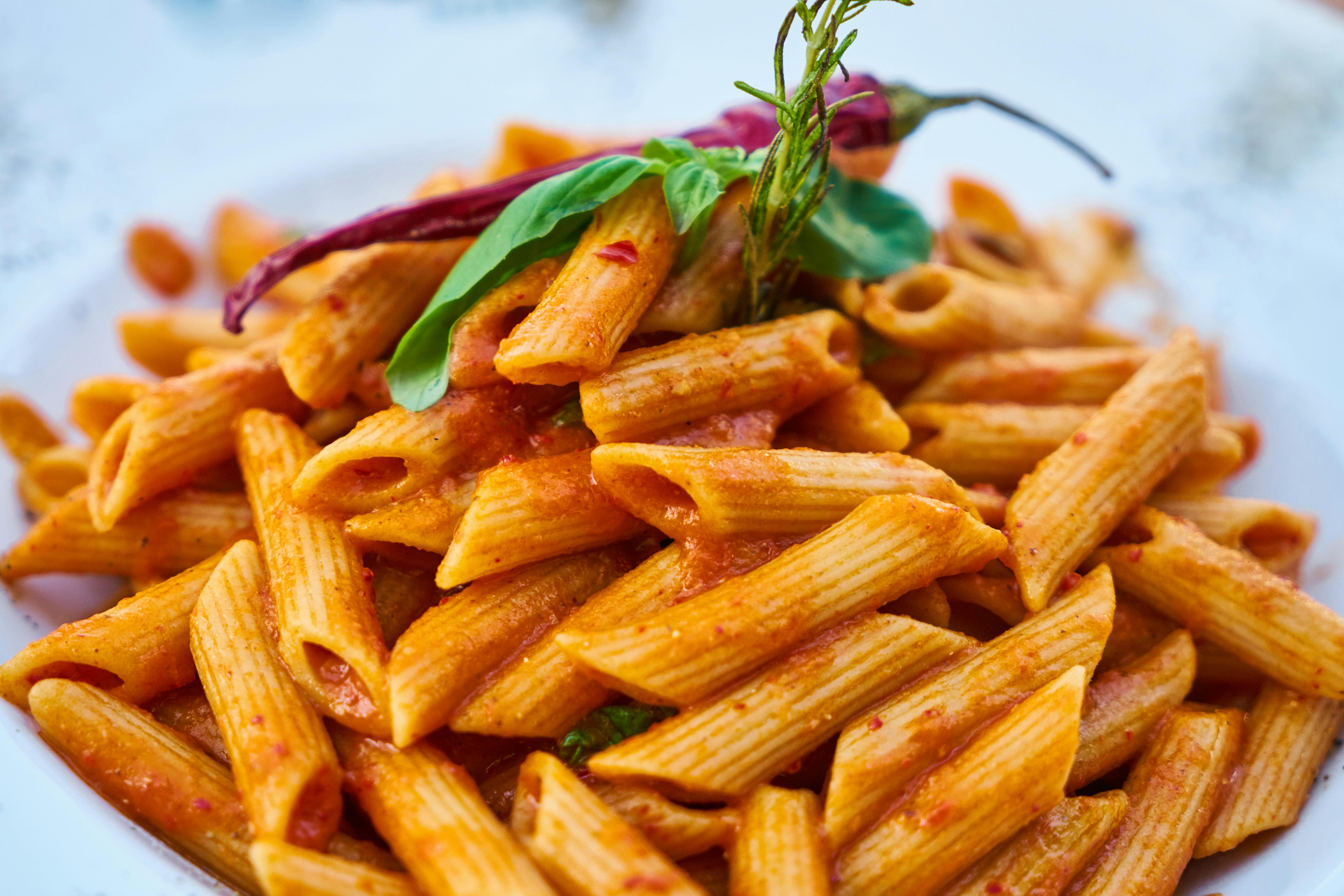
- Before: Large bowl of white pasta with creamy sauce.
After: Smaller portion of whole-wheat pasta with grilled chicken, sautéed spinach, cherry tomatoes and olive oil–based sauce. - Before: Sugary breakfast cereal with sweetened milk.
After: Oats with nuts, cinnamon and a small portion of fruit, plus unsweetened milk. - Before: Skipping breakfast, then overeating at lunch.
After: Light, protein-rich breakfast (like yogurt, eggs or tofu scramble) to prevent mid-morning energy crashes. - Before: Sweetened drinks (soda, sweet tea, fruit juice) with meals.
After: Water, sparkling water, unsweetened tea or coffee, keeping sugars for small, intentional treats.
Common Obstacles (and How to Overcome Them)
“I Don’t Have Time to Cook.”
You don’t need to cook from scratch every day. Focus on:
- Batch-cooking 1–2 whole grains (quinoa, brown rice, barley) on the weekend
- Roasting a large tray of mixed vegetables to reuse in bowls, wraps and omelets
- Keeping quick proteins on hand: canned beans, rotisserie chicken, canned salmon or tuna, eggs, tofu
“I Crave Sweets After Dinner.”
Evening sweet cravings are common and not a sign of failure. Some strategies:
- Check whether you ate enough earlier in the day—undereating can drive cravings
- Pair sweets with protein or fat (e.g., a small cookie with Greek yogurt or nuts)
- Choose naturally sweet options like berries with whipped cream or yogurt
“Social Events Derail Me.”
Instead of aiming to be “perfect,” try:
- Having a small, protein-rich snack before you go so you’re not overly hungry
- Scanning the options and trying to build a loose “½ veggies, ¼ protein, ¼ carbs” plate
- Enjoying 1–2 favorite treats mindfully instead of “saving up” and then overeating
What the Science Says About Fiber, Protein & Blood Sugar
Several key patterns in this meal plan come from established research:
- Fiber: Higher fiber intake can slow digestion and glucose absorption. A 2020 review found that dietary fiber improves glycemic control and insulin sensitivity in people with type 2 diabetes (Nutrients, 2020).
- Protein: Including protein with carbohydrates can reduce post-meal glucose spikes and improve satiety, helping to prevent overeating later.
- Quality of carbs: Whole, minimally processed carbohydrates (like oats, beans and whole grains) appear more favorable for blood sugar and long-term health than refined grains or added sugars.

How to Put This 7-Day Plan into Action
- Pick your starting day. It doesn’t have to be Monday—choose a day when you have 30–60 minutes to shop or prep.
- Choose 1–2 breakfasts and 2–3 lunches to repeat. Repeating meals during the week saves time and decision fatigue.
- Make a short grocery list. Focus on vegetables, lean proteins, high-fiber carbs and healthy fats used in multiple meals.
- Prep just 2–3 items. For example: cook a batch of quinoa, roast a tray of veggies and hard-boil eggs.
- Adjust as you go. Note what keeps you satisfied for 3–4 hours versus what leaves you hungry or spiking, and tweak portions or food combinations.
Moving Forward: Gentle, Sustainable Changes for Better Blood Sugar
You don’t have to overhaul your life to support healthier blood sugar. A week of more balanced, spring-inspired meals can remind you how good it feels to have steadier energy, fewer crashes and meals you actually enjoy eating.
Use this 7-day dietitian-created plan as a flexible guide, not a rigid rulebook. Keep what works, leave what doesn’t and remember that every meal is a new chance to nourish yourself—no guilt required.
If you live with diabetes, prediabetes or another health condition, consider sharing this plan with your health care provider or a registered dietitian who can help tailor it to your medications, lab results and cultural food preferences.
Your next step:
- Pick one breakfast and one lunch from this article to try this week.
- Make a quick shopping list and schedule 20 minutes to prep.
- Notice how your energy and blood sugar respond—and adjust from there.
Small, compassionate steps—taken consistently—are what move the needle on health, not perfection. Spring is a beautiful time to start.
