
TCM’s ‘Miracle Pill’? The Real Story of Angong Niuhuang Wan and When to Avoid It
Angong Niuhuang Wan: Powerful TCM Remedy, Not a DIY Miracle Pill
In hospitals across mainland China and parts of Asia, a small dark pill called Angong Niuhuang Wan sometimes appears in the most critical moments — when patients are unconscious, in intensive care, or suspected of having a stroke with very high fever. It has a reputation as a “miracle pill” in traditional Chinese medicine (TCM), and stories circulate online of people keeping it at home “just in case”.
The reality, according to recent coverage in outlets like the South China Morning Post and updated clinical guidance, is far more nuanced. Angong Niuhuang Wan can be powerful, but it’s not a one-size-fits-all stroke cure, and in the wrong situation it may delay lifesaving treatment or even cause harm.
This guide walks you through what Angong Niuhuang Wan actually is, how experienced TCM doctors use it, what modern research suggests, and — crucially — when you should not take it. The goal is not to scare you away from TCM, but to help you use it safely, realistically, and in partnership with qualified professionals.
What Is Angong Niuhuang Wan, Really?
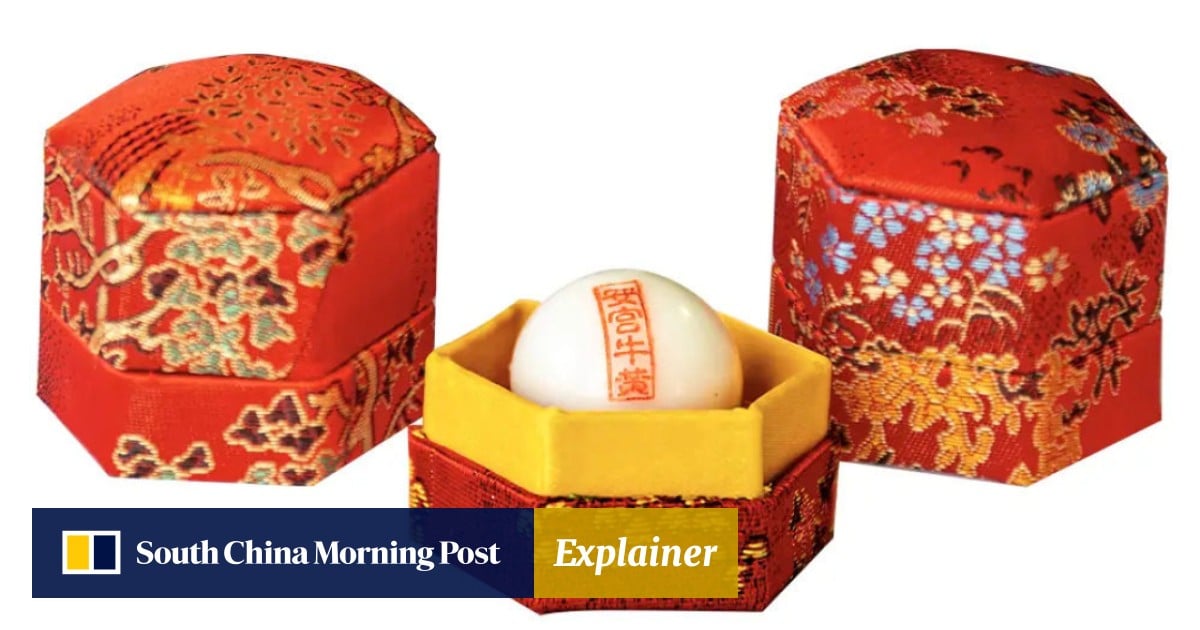
Angong Niuhuang Wan (安宫牛黄丸) is a classical emergency formula from TCM, dating back to the Qing dynasty. It’s traditionally used to “open the orifices, clear heat, and resolve toxins” — TCM language for treating severe conditions like high fever with delirium, coma, or seizures.
Modern manufactured versions are usually sold as small, round pills in ornate packaging and are often expensive. Due to concerns over heavy metals and sustainability, many products now use processed or substitute ingredients for items like real bezoar or natural musk.
- TCM category: Formulas that open the orifices and clear heat.
- Typical use setting: Hospitals or clinics, sometimes emergency rooms, under professional supervision.
- Regulatory status: In regions like mainland China, it is a regulated TCM patent medicine; rules vary by country.
“Angong Niuhuang Wan is not a general tonic. It is a rescue formula for very specific heat-induced disturbances of consciousness. Used at the wrong time, it can mislead treatment or stress the body.”
— Hospital-based TCM neurologist quoted in recent clinical reviews
When Do TCM Doctors Use Angong Niuhuang Wan?
In modern practice, Angong Niuhuang Wan is mainly considered for severe, acute conditions that, in Western medicine, would typically require intensive care. Typical TCM indications include:
- High fever with coma or delirium For example, severe infections where the patient is unresponsive, agitated, or having seizures due to “excess heat” disturbing the brain.
- Some types of acute stroke (especially hemorrhagic in TCM “heat” pattern) Used as an adjunct to emergency stroke care, not as a substitute for CT scans, clot-busting drugs, or surgery.
- Encephalopathy-like states in TCM pattern of “phlegm-heat blocking the orifices” Again, this aligns loosely with conditions where the brain is affected by toxins, infections, or metabolic imbalance.
Recent hospital-based protocols often list Angong Niuhuang Wan as part of integrative treatment for:
- Acute hemorrhagic stroke with high fever or agitation
- Severe viral or bacterial encephalitis with coma
- Hyperthermia with altered consciousness
Angong Niuhuang Wan and Stroke: Why Timing (and Type) Matter
Stories online often sound like this: “My relative had a stroke, we gave Angong Niuhuang Wan immediately, and they woke up.” While such anecdotes are understandably compelling, they don’t tell us:
- What type of stroke it was (ischemic clot vs. hemorrhagic bleed)
- What hospital treatments they received
- Whether they might have improved anyway
Modern stroke care is very time-sensitive. For ischemic stroke, clot-busting drugs or thrombectomy are sometimes offered within a narrow “golden window” (often up to 4.5–24 hours depending on local protocol and imaging).
According to neurologists and integrative medicine experts:
- Do not try to diagnose stroke type at home.
- Do not delay emergency services while searching for or administering Angong Niuhuang Wan.
- In some Chinese hospitals, TCM doctors may give it after imaging confirms the diagnosis and pattern, particularly in hemorrhagic stroke with excess heat signs.
“Our priority in acute stroke is restoring or stabilizing blood flow and pressure. If we use Angong Niuhuang Wan, it’s under close monitoring, after scans, and in selected patients. Families self-medicating at home risk losing precious treatment time.”
— Stroke specialist in an integrative Chinese hospital
What Does Modern Research Say About Angong Niuhuang Wan?
Research on Angong Niuhuang Wan has increased over the past decade, especially in China. Most studies are:
- Hospital-based, adding Angong Niuhuang Wan to standard Western care in severe conditions.
- Focused on stroke and encephalopathy, measuring outcomes like consciousness level, mortality, and neurological function.
- Published primarily in Chinese journals, with varying methodological quality.
Some meta-analyses and reviews (up to late 2024) suggest that, in certain severe conditions, Angong Niuhuang Wan may improve neurological scores or reduce some complications when used alongside standard care. However:
- Many studies are small and not double-blinded.
- Formulations and dosages can differ between manufacturers.
- Long-term safety data, especially in diverse populations, is limited.
For readers who like to dig deeper, look for:
- Systematic reviews on “Angong Niuhuang Wan and stroke” in databases like PubMed.
- Guidelines from major Chinese TCM hospitals or stroke societies that mention traditional formulas in acute care.
When You Should Not Take Angong Niuhuang Wan
Because of its potency and ingredients, there are clear situations where Angong Niuhuang Wan is not recommended — and can potentially be harmful.
1. Never as a Substitute for Emergency Care
- If you suspect a stroke, heart attack, or severe infection, call emergency services immediately.
- Do not stay home to “wait and see” whether the pill works.
- Do not use it to delay going to the hospital because of cost or fear.
2. Not for Mild Symptoms or Self-Diagnosed Conditions
Angong Niuhuang Wan is not intended for:
- Ordinary headaches or dizziness
- Simple fever from a mild cold or flu
- Prevention of stroke or as a “brain booster”
- Chronic fatigue, brain fog, or insomnia
3. Avoid in These Groups Unless a Specialist Clearly Says Otherwise
- Pregnant or breastfeeding people — several ingredients are considered inappropriate in pregnancy.
- Children — dosing and safety profiles differ; use only under pediatric specialist supervision.
- People with liver or kidney disease — detoxification and excretion may be impaired.
- Those already taking anticoagulants or multiple medications — risk of interactions.
4. Not for “Cold” or Deficiency Patterns in TCM
In TCM, Angong Niuhuang Wan is a cold, bitter, heat-clearing formula. If someone has:
- Cold limbs, pale face, weak pulse
- Low body temperature, preference for warmth
- Chronic weakness or deficiency patterns
then this formula could further weaken the person or miss the real pattern entirely. Pattern mismatch is a key reason why self-prescription in TCM is risky.
Safety Concerns: Heavy Metals, Authenticity, and Dosage
Historically, some TCM patent medicines have contained heavy metals (like mercury) or animal-derived ingredients that raise safety and ethical concerns. Regulatory standards have tightened, but not all products are equal.
1. Heavy Metals and Toxicity
- Earlier formulations were more likely to include cinnabar (mercuric sulfide) or other mineral ingredients.
- Some modern products use processed, lower-toxicity forms or substitutes, but quality control varies by manufacturer and region.
- Repeated or inappropriate use can raise concerns about liver, kidney, and nervous system toxicity.
2. Authentic vs. Counterfeit Products
Because Angong Niuhuang Wan is expensive and famous, it’s a target for counterfeiters. Fake products may:
- Lack active ingredients entirely
- Contain unlisted drugs or contaminants
- Have inconsistent dosing, increasing risk of side effects
3. Dosing and Duration
In hospital settings, Angong Niuhuang Wan is usually given:
- For a short period (often 1–3 days) in acute phases
- At carefully calculated doses relative to the patient’s condition and other treatments
Long-term or frequent use outside of clear indications is not recommended.
Should You Keep Angong Niuhuang Wan at Home “Just in Case”?
Many families, especially in East Asia, like to keep an Angong Niuhuang Wan pill in the medicine cabinet “for emergencies”. Whether this makes sense depends on how you plan to use it — and what expectations you have.
Reasonable Expectations
- You accept that Angong Niuhuang Wan is not a substitute for emergency care.
- You would only consider using it on the way to the hospital and only if previously advised by a trusted doctor or TCM practitioner familiar with your health.
- You store it as a backup tool, not as your primary stroke protection plan.
Warning Signs of Unrealistic or Risky Use
- Believing it can “cure any stroke” if taken quickly.
- Relying on it because you fear hospitals or tests.
- Giving it to older relatives without explaining that 911/999/120 (or your local emergency number) must still be called immediately.
- Using it repeatedly for non-emergency issues like headaches or poor sleep.

A Real-World Scenario: Two Very Different Outcomes
Consider two fictionalized composite cases based on situations commonly described by clinicians:
Case A: Immediate Call, Integrative Care
Mr. Li, 72, suddenly develops slurred speech and weakness on one side. His wife recognizes the stroke signs and calls emergency services at once. In the hospital, scans confirm a hemorrhagic stroke with high blood pressure and rising temperature.
While neurologists manage his blood pressure and monitor the bleed, the hospital’s TCM team evaluates him and — based on heat signs and pattern differentiation — prescribes a short course of Angong Niuhuang Wan. He is closely monitored in the ICU. Over days, his temperature normalizes, and he gradually regains consciousness.
Case B: Home Delay, Lost Time
Mrs. Zhang, 68, also suddenly becomes confused and weak. Her family suspects a stroke but remembers having Angong Niuhuang Wan at home. They give her a pill and decide to “wait to see if she wakes up”. By the time they call an ambulance, several critical hours have passed. At the hospital, doctors find a large ischemic stroke that might have been treatable earlier with clot-removal procedures.
In this scenario, the pill isn’t the direct cause of harm — the delay in emergency care is. But the belief in a “miracle pill” contributed to that delay.
How to Talk to Your Doctor or TCM Practitioner About Angong Niuhuang Wan
If you’re curious about whether Angong Niuhuang Wan has any role in your health plan, bring it up openly. A collaborative approach usually works best.
Questions to Ask a TCM Practitioner
- “In what kinds of situations would you consider Angong Niuhuang Wan for someone like me?”
- “Based on my current health (blood pressure, heart, liver, kidneys), would it be safe if it were ever needed?”
- “What specific brand or manufacturer do you trust, and why?”
- “What signs would mean I must go straight to the hospital instead of taking any TCM at home?”
Questions to Ask a Western-Trained Doctor
- “If I’m interested in TCM support during a serious illness, can you work with a licensed TCM practitioner?”
- “Are there any concerns about Angong Niuhuang Wan interacting with my current medications?”
- “What are the most important steps I can take now to reduce my stroke risk?”

A More Reliable Strategy for Brain Health and Stroke Prevention
While emergency formulas like Angong Niuhuang Wan grab attention, the biggest gains in brain health come from everyday habits and risk-factor control. These are less dramatic but far more dependable.
Evidence-Based Steps You Can Take Now
- Control blood pressure High blood pressure is the single strongest risk factor for stroke. Regular monitoring, medication if needed, and lifestyle changes (less salt, more movement, stress management) are key.
- Manage blood sugar and cholesterol Work with your doctor to keep diabetes and lipid levels in check. These silently damage blood vessels over time.
- Don’t smoke; limit alcohol These are major contributors to stroke, heart disease, and some cancers.
- Stay active Even 20–30 minutes of brisk walking most days supports vascular and brain health.
- Consider gentle, preventive TCM Regular acupuncture, herbal tonics tailored to your pattern, and qigong/taichi may support circulation, sleep, and stress — but they are complements, not replacements, for medical care.
Bringing It All Together: Respect the Pill, Trust the Process
Angong Niuhuang Wan has earned its place in traditional Chinese medicine as a potent emergency formula. Modern clinical experience and emerging research suggest it may offer real benefits in carefully selected, severe cases — especially as part of hospital-based integrative care.
At the same time, its reputation as a “miracle pill” can be dangerous when it leads to self-diagnosis, inappropriate use, or delayed emergency treatment. The most responsible approach is to see Angong Niuhuang Wan not as a magical shortcut, but as one tool in a larger toolbox that includes:
- Rapid access to emergency services
- Modern imaging and stroke interventions
- Thoughtful TCM pattern differentiation
- Everyday prevention and lifestyle care
If you value TCM, you don’t have to choose between tradition and science. You can:
- Build a relationship with a licensed TCM practitioner and a trusted primary-care doctor.
- Make a clear family plan for what to do if stroke or severe illness is suspected.
- Focus on prevention — blood pressure, movement, stress, and sleep — while staying open to integrative options in hospital settings if needed.
Your brain deserves both wisdom and rigor — the best of TCM and the best of modern medicine, working together.
If this article resonated with you, take ten minutes today to:
- Write down the emergency number in your country and post it near the phone.
- Share the FAST stroke signs with someone you love.
- Book a check-up to review your blood pressure and stroke risk.
Those simple steps will do far more for your long-term health than any miracle pill ever could.
