
Zombie COVID Fragments: How “Ghost” Virus Pieces Keep Attacking Your Immune System
Many people assume that once a COVID-19 test turns negative, the virus is gone and the body simply heals. Yet for millions living with long COVID, symptoms like fatigue, brain fog, and strange immune issues linger for months or years. New research suggests one reason: tiny “zombie” fragments of the coronavirus that refuse to stay dead.
A large international study published in early 2026, highlighted by ScienceAlert as “'Zombie' remnants of COVID-19 hunt in packs and kill our immune cells”, proposes that leftover pieces of the virus can stick around in the body, driving ongoing inflammation and even destroying key immune cells. This doesn’t mean the virus is still contagious, but it may help explain why recovery is so uneven.
In this guide, we’ll unpack what these “zombie” fragments are, what they might be doing to your immune system, and how to support your health while scientists race to turn these discoveries into treatments. We’ll stay grounded in current evidence, avoid hype, and focus on steps you can reasonably take now.
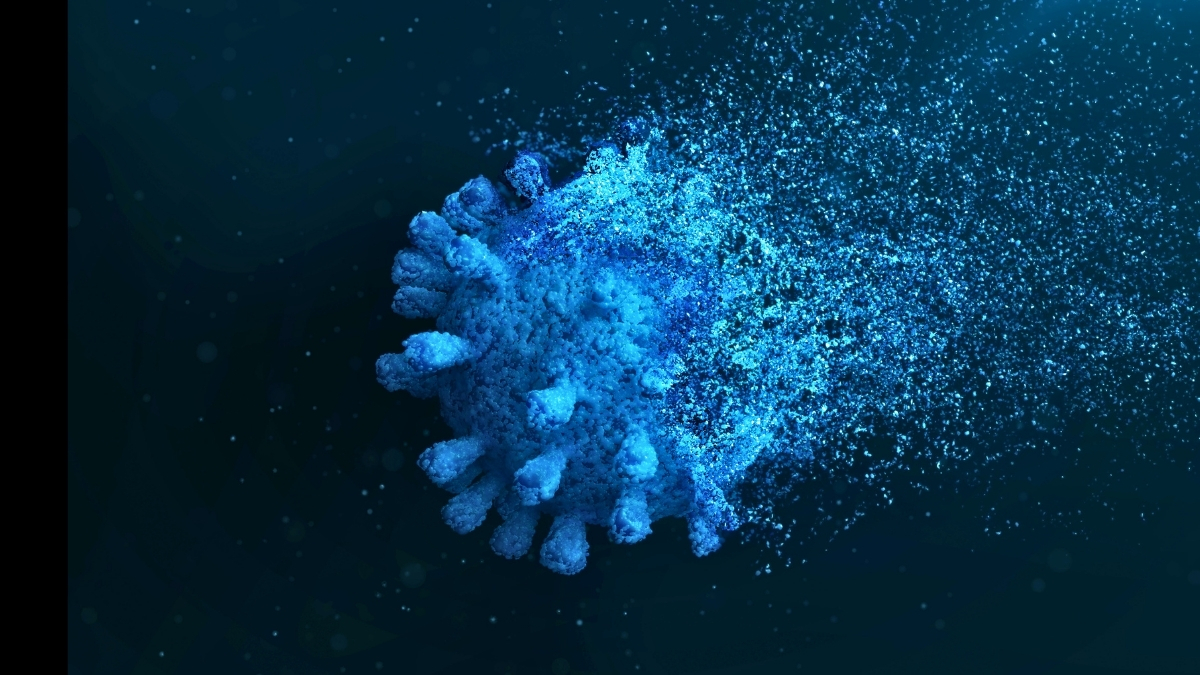
What Are These “Zombie” COVID-19 Fragments?
When you’re infected with SARS-CoV-2 (the virus that causes COVID-19), the virus copies itself rapidly. As it’s broken down by your immune system, it leaves behind:
- Bits of viral RNA (genetic material)
- Proteins such as the spike protein and nucleocapsid protein
- Tiny membrane-enclosed particles that look like virus but can’t reproduce
Normally, your body clears these fragments within days to weeks. The new 2026 study, however, found evidence that in some people:
- Viral fragments persist in tissues like the gut, lymph nodes, or blood vessels.
- These fragments clump together in “packs,” forming complexes with antibodies and immune cells.
- Instead of being harmless debris, they continue to provoke and confuse the immune system.
“We’re not seeing fully active virus in these patients. What we’re seeing are viral leftovers that behave like ghosts—no longer alive, but still frighteningly capable of stirring up the immune system.”
— Immunologist involved in the 2026 long COVID fragment study (paraphrased summary)
These “zombie” pieces aren’t infectious, but they may keep the immune system stuck in a low-grade battle, which can be exhausting for the body and disruptive for normal immune balance.
How Zombie COVID Fragments May Damage the Immune System
The 2026 international study (over 30 authors from multiple countries) used blood and tissue samples from people with long COVID and people who had recovered fully. Their findings suggest several ways these fragments interact with immunity:
1. Targeting and killing key immune cells
The researchers observed that complexes of viral fragments and antibodies could bind to:
- Monocytes and macrophages – cells that “eat” debris and signal inflammation.
- T cells – crucial for coordinating immune responses and clearing infected cells.
- Natural killer (NK) cells – frontline defenders against infected or abnormal cells.
Once attached, these complexes appeared to trigger stress and cell death pathways. Over time, this could thin out or dysregulate the very cells that protect us from infections and help keep inflammation controlled.
2. Driving chronic, low-grade inflammation
The team found elevated levels of inflammatory markers and signaling molecules (cytokines) in long COVID patients with persistent fragments. In simple terms:
- The immune system keeps “seeing” viral pieces.
- It responds with mild but ongoing inflammation.
- That inflammation can affect blood vessels, nerves, muscles, and the brain.
This pattern aligns with what many people with long COVID describe: feeling as if they have a never-ending mild flu, with waves of worsening symptoms after exertion.
3. Confusing immune memory
The study and related research hint that constantly encountering viral debris may:
- Interfere with how B cells and T cells “remember” SARS-CoV-2.
- Potentially misdirect immune attacks toward healthy tissues in some people.
This might help explain why a subset of long COVID patients show autoimmune-like features, though not everyone with fragments develops autoimmunity.
Could Zombie Fragments Be Behind Your Long COVID Symptoms?
Not everyone with long COVID will have detectable viral fragments, and not everyone with fragments develops severe symptoms. But the pattern seen in the 2026 study maps onto several common long COVID complaints:
- Crushing fatigue, especially after physical or mental effort
- Brain fog, difficulty concentrating, or memory issues
- Shortness of breath, chest discomfort, or palpitations
- Body aches, joint pain, or muscle weakness
- Heightened sensitivity to infections or slower recovery from minor illnesses
- Gastrointestinal issues (bloating, diarrhea, nausea)

In the study, people with long COVID and persistent fragments tended to have higher inflammation and more immune cell abnormalities than those who had recovered fully. Still, testing for viral fragments is not yet part of routine clinical care, and the technology used in research labs is more sensitive than what most hospitals can currently offer.
“One of my patients, a previously healthy woman in her 30s, had ongoing fatigue and chest tightness 18 months after a mild COVID infection. Standard tests kept coming back ‘normal.’ Research-based assays, however, picked up lingering viral proteins in her blood. It didn’t immediately change her treatment, but it gave her a powerful validation: this was not ‘in her head.’”
— Case summary from a long COVID clinic physician (de-identified, paraphrased)
Before and After COVID: How Immune Health Can Change
While every person’s story is unique, researchers and clinicians have noticed recurring “before and after” patterns in immune function.

Typical “before” profile (based on patient reports and clinic data):
- Stable energy throughout the day
- Exercise tolerated well, with normal recovery
- Few infections per year and quick bounce-back
- Minimal brain fog or unexplained pain
Typical “after” profile in long COVID (not everyone, but common):
- Energy crashes, especially after light activity or stress
- New or worsened allergies and sensitivities
- More frequent infections or slower healing
- Sleep that doesn’t feel restorative
The “zombie fragment” hypothesis offers one plausible explanation: if your immune cells are constantly dealing with leftover viral debris and low-level inflammation, they may not be as available for normal repair and defense tasks.
What the Latest Science Actually Says (and Doesn’t Say)
It’s important to separate headlines from hard data. The ScienceAlert piece summarizes a peer-reviewed study that:
- Found persistent SARS-CoV-2 fragments in some people months after infection.
- Showed that these fragments can bind to and damage immune cells in lab experiments.
- Linked fragment presence with markers of immune dysfunction in long COVID patients.
However, the research does not yet prove that removing or neutralizing these fragments will cure long COVID. Key unknowns remain:
- Why some people clear viral debris quickly while others do not.
- How fragments interact with microclots, autonomic nervous system changes, and other proposed mechanisms.
- Which treatments, if any, can safely reduce fragment burden or their harmful effects.
Practical Ways to Support Your Immune System While Science Catches Up
There is currently no approved, fragment-targeted treatment for long COVID. Still, clinicians are finding that a combination of symptom management, pacing, and general immune support can meaningfully improve quality of life for many patients. None of these are quick fixes, but they’re realistic, evidence-informed strategies.
1. Practice energy pacing and symptom-aware activity
Overexertion can trigger symptom “crashes,” possibly by further stressing an already inflamed immune system.
- Track your limits. Use a simple journal or app to note what you did each day and how you felt 24–72 hours later.
- Stay within your “energy envelope.” Aim to stop activities before you feel exhausted, not after.
- Use the “traffic light” system.
- Green: easy tasks you tolerate well (short walks, light stretching).
- Yellow: tasks that sometimes worsen symptoms (housework, work calls) – ration these.
- Red: tasks that almost always trigger crashes – avoid or modify.
2. Support foundational immune health
No diet or supplement can guarantee removal of viral fragments, but good basic care can make your immune system more resilient.
- Sleep: Aim for 7–9 hours, with consistent bed and wake times.
- Nutrition: Focus on:
- Plenty of colorful vegetables and fruits (antioxidants, vitamins).
- Lean proteins (for immune cell repair).
- Healthy fats like olive oil, nuts, and fatty fish (omega-3s may help modulate inflammation).
- Hydration: Adequate fluids can support blood volume and circulation, especially for those with dizziness or heart rate issues.
- Avoid smoking and limit alcohol: Both can impair immune function and worsen inflammation.
3. Work with a clinician familiar with long COVID
If possible, seek out a post-COVID or long COVID clinic. While access varies by region, these teams are more likely to:
- Screen for complications like blood clots, heart inflammation, or autonomic dysfunction (POTS).
- Coordinate care across specialties (cardiology, neurology, rehabilitation, mental health).
- Offer evidence-informed treatments for specific symptom clusters (e.g., inhalers for lung issues, graded cognitive rehab for brain fog, careful autonomic rehabilitation for POTS).
4. Vaccination and reinfection prevention
Emerging data suggests that:
- Staying up to date with COVID-19 vaccines reduces the risk of severe disease and may reduce the risk of developing long COVID after new infections.
- Avoiding repeated infections—through masking in high-risk settings, improving indoor ventilation, and testing when symptomatic—likely reduces the cumulative burden on your immune system.
Vaccination is not a guaranteed cure for existing long COVID, but some patients do report gradual improvements post-vaccination, while others notice little change. Decisions should be made with your healthcare provider, weighing individual risks and benefits.
Common Obstacles—and How to Navigate Them
Living with long COVID and uncertain science can feel isolating and invalidating. Recognizing common obstacles may help you advocate for yourself more confidently.
“My tests are normal, so my doctor thinks I’m fine.”
Standard blood work and imaging often miss subtle immune dysregulation or viral fragments. You can:
- Bring printed summaries from reputable sources (WHO, CDC, major journals) about long COVID.
- Ask, “Even if standard tests are normal, how can we manage my symptoms and monitor for complications?”
- Seek a second opinion if your concerns are dismissed without explanation.
“I keep crashing when I feel a little better.”
Many patients enter a “push-crash” cycle: doing too much on good days and paying for it afterward. Consider:
- Planning your day with built-in rest periods, even when you feel okay.
- Using timers to remind yourself to pause and check in with your body.
- Celebrating small, consistent gains instead of chasing your “old normal” all at once.
Emotional toll and mental health
Chronic symptoms plus uncertain science can understandably lead to anxiety, low mood, or grief over the life you had before COVID.
- Consider speaking with a therapist who understands chronic illness.
- Look for peer support groups (local or online) focused on long COVID.
- If you notice persistent hopelessness or thoughts of self-harm, seek urgent mental health support—your suffering is real, and help is available.
What’s Next in Long COVID and Zombie Fragment Research?
The 2026 study is part of a global effort to decode long COVID. Researchers are now exploring:
- Better detection methods: More sensitive blood tests to identify viral fragments or immune signatures.
- Targeted therapies: Trials of antivirals, monoclonal antibodies, and immune-modulating drugs to see if they reduce fragment burden or inflammation.
- Personalized risk profiling: Understanding why some individuals are more prone to persistent fragments and immune damage.

While it can be frustrating to wait for definitive treatments, the pace of research on long COVID is faster than for many chronic illnesses historically. The recognition that “zombie” coronavirus remnants may actively harm immune cells is a significant step: it shifts the narrative from “we don’t know what’s happening” to specific, testable mechanisms.
Moving Forward: Hope Without Hype
The idea that pieces of a past infection might still be harassing your immune system can feel unnerving. At the same time, it offers a powerful validation: ongoing symptoms after COVID are not a character flaw or a sign of weakness—they may be the result of a very real, measurable biological process involving persistent viral fragments and immune cell damage.
We don’t yet have all the answers, and no single supplement, diet, or protocol has been proven to “clear” these zombie remnants. But you are not powerless. By:
- Listening to your body and pacing your energy,
- Supporting your basic immune health,
- Working with clinicians who take your symptoms seriously, and
- Staying informed about evolving research from trustworthy sources,
you can create the best possible conditions for your body to heal over time, even as scientists work to turn discoveries about zombie fragments into targeted therapies.
Your next step:
- Write down your top 3 most disruptive symptoms.
- Schedule a visit (or follow-up) with a healthcare provider and bring this list plus a brief symptom diary.
- Choose one small, sustainable habit to support your immune health this week—such as a regular wind-down routine for better sleep or a 5–10 minute gentle walk if tolerated.
You are not alone in this, and your experience is real. As our understanding of long COVID and zombie viral fragments deepens, so will the options available to help you reclaim more of your life.
