
Have You Had Your Resistant Starch Today? The Gut-Healing Nutrient Hiding in Everyday Foods
Resistant starch is having a moment, and for good reason. Nutrition scientists and gut health researchers now consider it one of the most underrated nutrients for supporting a healthy gut microbiome and protecting against chronic disease. The best part? You don’t need exotic superfoods or expensive supplements—just a few smart tweaks to how you cook and cool everyday staples like potatoes, rice and pasta.
In this guide, we’ll unpack what resistant starch is, why it’s so good for your gut, what the latest research is showing, and exactly how to get more of it into your daily meals in a practical, sustainable way.

Why Gut Health (and Resistant Starch) Matters More Than You Think
Many people struggle with bloating, irregular digestion, low energy, or stubborn blood sugar swings despite “eating healthy.” One often-missed piece of the puzzle is not just what you eat, but what your gut microbes are being fed. That’s where resistant starch comes in.
Your gut microbiome—trillions of bacteria, fungi and other microbes—helps:
- Digest parts of food you can’t break down on your own
- Produce beneficial compounds that protect your colon
- Support your immune system and help manage inflammation
- Influence blood sugar balance and even appetite regulation
“We’re learning that what you feed your microbes may be just as important as what you feed yourself. Resistant starch is a key fuel source for the gut bacteria linked to better metabolic and digestive health.”
— Summary of recent expert commentary in major nutrition journals (e.g., Nature, Nutrients)
Yet, modern diets—high in ultra-processed foods and low in fiber-rich plants—tend to be surprisingly low in resistant starch. That gap may quietly increase risk for issues like poor metabolic health and chronic inflammation over time.
What Is Resistant Starch, Exactly?
Resistant starch is a type of carbohydrate that “resists” digestion in the small intestine. Instead of being broken down into sugar like regular starch, it travels mostly intact to your large intestine, where your gut bacteria ferment it.
Think of it as a slow-delivery meal for your microbes. In the process of fermenting resistant starch, they produce short-chain fatty acids (SCFAs), especially butyrate, which:
- Fuel the cells lining your colon
- Help maintain a healthy gut barrier
- Are linked to less inflammation in the body
- May support more stable blood sugar and insulin responses
Types of Resistant Starch: Where It Hides in Your Food
Scientists typically describe four main types of resistant starch (plus a fifth, more processed form):
- RS1 – Physically trapped starch
Found in whole or coarsely ground grains, seeds, and legumes where the starch is “locked” inside fibrous cell walls. - RS2 – Naturally resistant granules
Present in raw potatoes, green (unripe) bananas, and some high-amylose maize. These granules are difficult for our enzymes to break down. - RS3 – Retrograded starch
Forms when certain starchy foods (like potatoes, rice, or pasta) are cooked and then cooled. The starch molecules re-order into a more resistant structure. - RS4 – Chemically modified starch
Created through food processing. You’ll sometimes see this in processed foods; effects can vary and are still being researched. - RS5 – Starch–lipid complexes
Forms when starch interacts with certain fats; this area is emerging and still under study.
Science-Backed Benefits of Resistant Starch for Gut & Overall Health
Research on resistant starch has expanded quickly over the last decade. While science is still evolving and results can vary from person to person, several benefits are consistently reported in human and animal studies.
1. Nourishes Beneficial Gut Bacteria
Resistant starch acts as a prebiotic—a food source for helpful bacteria such as Ruminococcus and Faecalibacterium prausnitzii, which are linked to better gut and immune health.
2. Increases Butyrate, a Key Gut-Protective Compound
Multiple studies show that resistant starch can raise butyrate levels in the colon. Butyrate supports healthy colon cells, may reduce inflammation in the gut, and is associated with lower risk markers for colorectal disease.
3. May Improve Blood Sugar and Insulin Response
Because resistant starch is not fully digested as glucose, it has a lower impact on blood sugar. Some controlled trials suggest that swapping part of your usual starch intake for resistant starch can:
- Reduce post-meal blood sugar spikes
- Improve insulin sensitivity over time
- Enhance “second meal” effects—better blood sugar response at the next meal
4. Supports Satiety and Weight Management
By fermenting slowly in the large intestine, resistant starch may help you feel fuller for longer and reduce overall calorie intake slightly, though it’s not a magic weight‑loss solution.
5. Potential Protection Against Chronic Disease
Emerging research links higher intakes of fermentable fibers like resistant starch with improved markers related to:
- Colon health and colorectal cancer risk factors
- Metabolic health (insulin resistance, triglycerides)
- Low-grade systemic inflammation
These findings are promising, but they don’t mean resistant starch “cures” or definitively prevents disease. It’s best viewed as one helpful piece in a broader healthy lifestyle.
Everyday Foods Naturally Rich in Resistant Starch
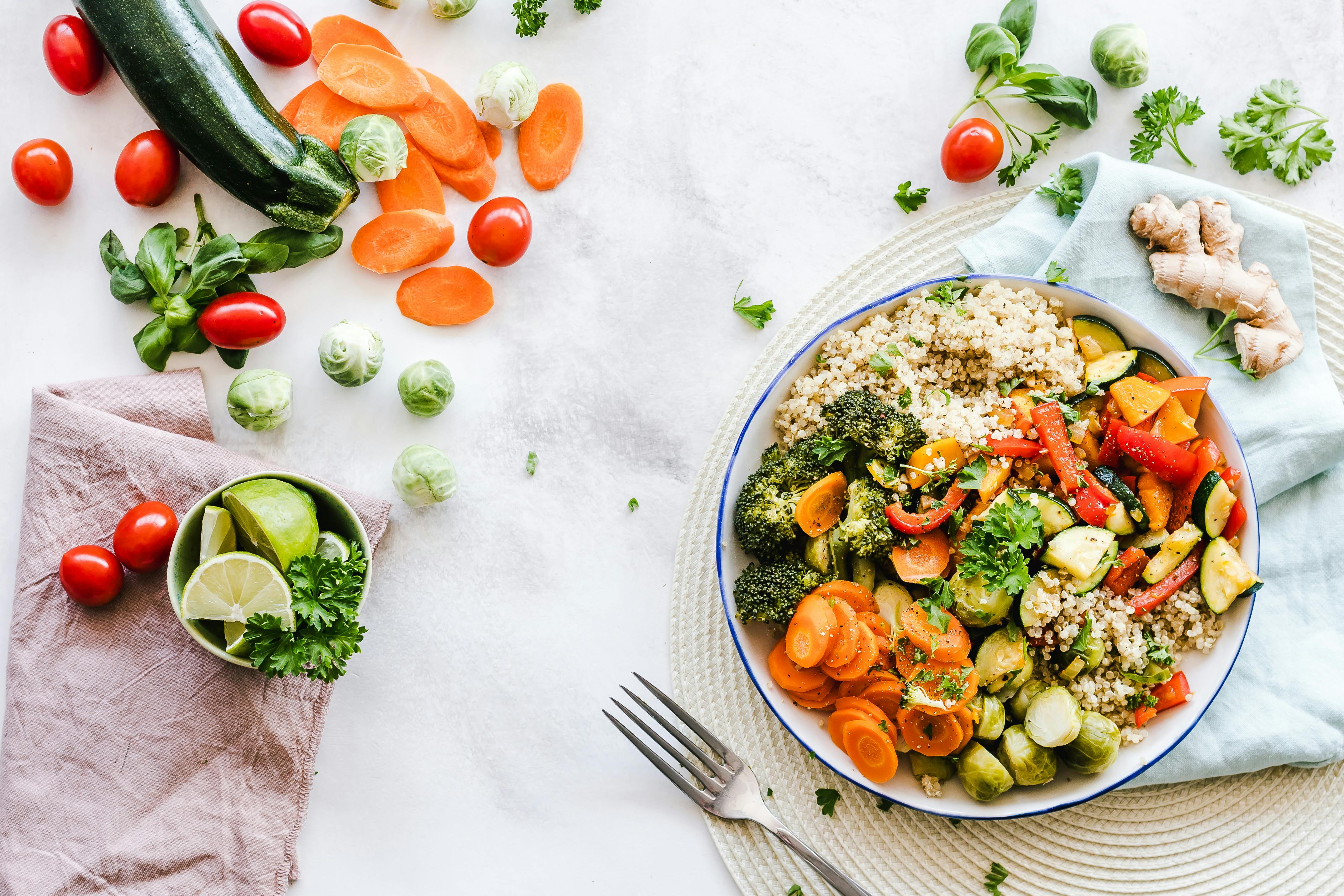
You don’t need specialty products to tap into the benefits of resistant starch. Many everyday staples contain it—especially when prepared the right way.
Top Food Sources
- Beans and lentils (kidney beans, black beans, chickpeas, lentils)
- Whole, intact grains (barley, oats, brown rice, quinoa, rye berries)
- Potatoes – especially when cooked then cooled (e.g., potato salad)
- Rice – white or brown, cooled after cooking (e.g., sushi rice, rice salad)
- Pasta – al dente and cooled (e.g., pasta salad)
- Green (unripe) bananas and plantains
- Oats – particularly in overnight oats or cooked then cooled oatmeal
How to Boost Resistant Starch with Simple Cooking Tweaks
One of the most practical ways to increase resistant starch is by changing how you cook and cool carbohydrate-rich foods. This process is called retrogradation.
Step-by-Step: Turning Regular Starch into Resistant Starch
- Cook your starch as usual (potatoes, rice, oats, pasta).
- Cool it completely in the fridge for at least 8–12 hours.
- Enjoy cold (like in salads or overnight oats) or reheat gently. Some studies suggest that much of the resistant starch remains even after reheating, as long as it’s not overcooked again.

Before & After: Example – Potatoes
| Preparation | Approximate Resistant Starch | Gut Impact |
|---|---|---|
| Freshly boiled, eaten hot | Lower | More rapid digestion; higher blood sugar impact |
| Boiled, cooled overnight, eaten cold (potato salad) | Higher | More resistant starch for gut microbes; gentler blood sugar rise |
| Boiled, cooled, then gently reheated | Moderate to higher | Still more resistant starch than freshly cooked in many cases |
A 7-Day Gentle Plan to Add More Resistant Starch
If your current fiber intake is low, it’s wise to increase resistant starch gradually to avoid excess bloating or discomfort. Here’s a simple one-week framework you can tailor to your preferences.
Daily Building Blocks
- 1 serving of beans or lentils
- 1 serving of whole grains (like oats, barley, or brown rice)
- 1 serving of cooked-then-cooled starch (potato, rice, or pasta)
- Optional: ½ green banana or a few slices of greenish banana added to a smoothie
Sample Day
- Breakfast: Overnight oats with chia seeds, yogurt, and berries.
- Lunch: Lentil and vegetable soup with a slice of whole-grain bread.
- Snack: Small smoothie with ½ greenish banana, spinach, and kefir.
- Dinner: Salmon or tofu with a side of cooled potato salad and a green salad.
“When I work with clients on blood sugar and digestive health, adding beans several times a week and swapping hot white rice for cooled rice bowls often makes a noticeable difference in energy and cravings within a few weeks.”
— Registered dietitian anecdote, paraphrased from clinical practice reports
Common Obstacles (and How to Overcome Them)
1. “Beans Make Me Bloated.”
This is a very common concern. Your gut microbes may simply not be used to the extra fermentable fiber yet.
- Start with 2–3 tablespoons, not a full cup.
- Rinse canned beans thoroughly to remove some gas-producing compounds.
- Increase portion size gradually over several weeks.
2. “I Don’t Like Cold Potatoes or Rice.”
You don’t have to eat them fridge-cold. Many studies show that gently reheated cooled starch still retains more resistant starch than freshly cooked.
- Try reheating cooled rice in a stir-fry or grain bowl.
- Warm cooled potatoes slightly before tossing with olive oil and herbs.
3. Sensitive Gut Conditions (IBS, IBD, SIBO)
If you have a diagnosed digestive condition, resistant starch can still be helpful for some people but may worsen symptoms for others, especially during flares.
- Work with a registered dietitian or gastroenterologist.
- Introduce one new source at a time and monitor symptoms.
- Consider lower-FODMAP sources initially, such as oats and rice, if advised by your clinician.
A Real-Life Example: Small Changes, Noticeable Shifts
Consider “Maya,” a 42-year-old office worker with mid-afternoon energy crashes and mild constipation. She already ate fairly well but relied heavily on refined bread, white rice, and minimal legumes.
Over 6 weeks, with guidance from a nutrition professional, she:
- Swapped her morning toast for overnight oats 4 days per week.
- Added ½ cup of lentils or beans to lunch most days.
- Batch-cooked brown rice, cooled it, and used it for grain bowls.
- Included a small serving of cooled potato salad twice a week at dinner.
By week 4, she reported more regular bowel movements, fewer afternoon crashes, and slightly reduced sugar cravings. Her experience doesn’t prove cause-and-effect for everyone, but it reflects what many people notice when they steadily increase resistant starch and overall fiber.
Frequently Asked Questions About Resistant Starch
Do I need a resistant starch supplement?
Most people can get meaningful amounts from food alone. Some studies do use isolated resistant starch (like high-amylose maize) as a supplement, but it’s not necessary for everyone. Whole foods offer additional nutrients and fibers that supplements lack.
Can resistant starch help with weight loss?
It may help modestly by increasing fullness and improving blood sugar control, but it’s not a standalone weight-loss solution. Think of it as one tool within an overall pattern of balanced eating, movement, sleep, and stress management.
Is it safe for people with diabetes?
Resistant starch often leads to a gentler blood sugar rise than rapidly digested starches. Still, if you use insulin or other glucose-lowering medications, changes in carbohydrate type can affect your dosing needs. Always coordinate with your healthcare team and monitor your glucose closely when making dietary changes.
Bringing It All Together: Your Next Small Step
Resistant starch isn’t a fad—it’s a quietly powerful, well-researched nutrient that supports your gut microbiome and may help reduce risk factors for chronic disease. And it lives in the kind of everyday foods that can also make meals comforting and enjoyable.
Instead of overhauling everything at once, choose one action to try this week:
- Prepare overnight oats for tomorrow’s breakfast.
- Add ¼–½ cup of beans to your lunch.
- Cook a pot of rice or potatoes, cool it overnight, and use it in meals for the next 2–3 days.
Your gut microbes respond to consistency more than perfection. With a few simple habits, you can steadily create a more resilient, diverse microbiome—one that supports your digestion, energy, and long‑term health from the inside out.
For further reading from authoritative sources, you may explore:
- Scientific review on resistant starch and health: Nutrients (PMCID: PMC4926966)
- Gut microbiota and dietary fibers overview: Nutrients (PMCID: PMC6756125)
- General gut health guidance: World Health Organization – Healthy Diet
