
Why Flu Cases Are Rising Again—and How to Protect Yourself from a Second Peak
Just When Flu Cases Dropped, Doctors Noticed a Concerning Pattern
After several weeks of declining flu cases, clinics and emergency rooms across the country are suddenly getting busy again. Infectious disease doctors are warning that a second peak of flu season is likely—just when many people thought they were in the clear. If you’re feeling confused or frustrated by this “here we go again” moment, you’re not alone.
In this guide, we’ll walk through what’s behind the surprising rise in flu cases, what it means for your day-to-day life, and the most realistic, science-backed ways to protect yourself and the people you love—without turning your world upside down.

Flu Cases Are Rising Again: What Doctors Are Seeing
Surveillance data from public health agencies in early 2026 show a clear pattern: after several weeks of declining flu test positivity and clinic visits, numbers have started to climb again in many regions. Infectious disease specialists say this kind of “double hump” or second peak isn’t rare—but it can catch communities off guard.
- Hospital emergency departments reporting more patients with fever, cough, and body aches.
- Schools and workplaces noticing a spike in absences from flu-like illness.
- Laboratories confirming more influenza A and B positives after a brief decline.
“Flu seasons are rarely a smooth curve. It’s common to see multiple waves of activity, especially when different influenza strains circulate at different times.”
— Summary of guidance from U.S. and international flu surveillance experts
For most healthy people, this resurgence is more of a disruption than a catastrophe. But for older adults, young children, pregnant people, and those with chronic conditions like asthma, diabetes, or heart disease, a second peak can translate into increased hospitalizations and, tragically, preventable deaths.
What’s Behind the Second Peak in Flu Cases?
Multiple factors tend to work together to create a second peak in flu season. No single explanation fits every community, but doctors are consistently pointing to a few key drivers.
1. Changing Behavior and “Pandemic Fatigue” 2.0
When flu numbers fall, people understandably relax. Masks come off in crowded indoor spaces, handwashing slips, and social gatherings move back inside. Many are also navigating overlapping respiratory threats—like COVID-19 and RSV—and simply feel exhausted by constant caution.
- More indoor crowding during cold snaps or storms after an early mild spell.
- Travel and holidays that bring together people from different regions with different flu activity.
- Less mask use on public transport and in clinics once people hear “flu is going down.”
2. New or Shifting Flu Strains
Flu isn’t one virus; it’s a family of constantly evolving strains. One wave might be driven mainly by an influenza A strain, while a later wave is driven by a different A subtype or influenza B. Immunity from infection with one strain doesn’t guarantee strong protection against another.
That means you can see:
- A first peak from, say, H3N2 followed by a second peak from influenza B.
- Localized outbreaks in schools or nursing homes driven by a slightly different strain.
3. Gaps in Vaccination and Waning Protection
Flu vaccine uptake in many regions remains below public health targets. Some people planned to “get it later” and never did; others got vaccinated early in the season and may have some waning protection, especially older adults and those with weaker immune systems.
“No flu vaccine is perfect, but year after year, we see that people who are vaccinated are less likely to land in the hospital or die from flu, even if they still get infected.”
— Infectious disease specialist, summarizing recent flu seasons
4. Interaction with COVID-19 and Other Viruses
Respiratory viruses don’t operate in isolation. When COVID-19, RSV, and other common viruses surge or dip, they can influence how and when flu spreads. For instance:
- A COVID wave might temporarily encourage masking and distancing, slowing flu.
- As COVID eases, people relax again—creating an opening for flu to rebound.
What the Second Flu Peak Means for You and Your Family
A rising curve on a graph can feel abstract—until it hits your household. The real-world impact of a second peak depends on your health status, your living situation, and your daily exposures.
- If you’re generally healthy: You’re less likely to develop severe flu, but a second peak can still mean missed work, lost income, or spreading infection to vulnerable people around you.
- If you or a loved one is high-risk: A second wave increases the odds of encountering the virus, especially if you live with school-age children, commute on crowded transit, or work face-to-face with the public.
- If your community’s hospitals are strained: Even a modest bump in flu can put extra pressure on emergency departments that are already managing COVID-19, RSV, and routine care.
Evidence-Based Ways to Protect Yourself from the Flu Second Peak
Doctors aren’t powerless against a second peak, and neither are you. The tools may sound familiar, but how you use them—and when—can make a real difference.
1. Get (or Update) Your Flu Shot If You Haven’t Yet
If you’ve put off the flu vaccine, a second peak is your cue. Even if flu has already been circulating, there is still benefit:
- It can reduce your risk of getting infected at all.
- If you do get sick, it’s linked with lower rates of hospitalization, ICU admission, and death.
- It can help protect the people around you by reducing spread.
For up-to-date information on flu vaccine recommendations and effectiveness, see: CDC: Key Facts About Seasonal Flu Vaccine.
2. Layer Simple, High-Impact Habits
You don’t have to live in isolation. Instead, think in terms of “layers” of reasonable protection:
- Stay home when sick whenever possible, and keep kids home if they have fever, bad cough, or new body aches.
- Wash hands regularly with soap and water for at least 20 seconds, especially after being in public places.
- Carry hand sanitizer (≥60% alcohol) for times when a sink isn’t available.
- Cover coughs and sneezes with a tissue or your elbow; dispose of tissues and clean hands afterward.
- Improve indoor airflow by opening windows when practical or using portable HEPA filters.
3. Use Masks Strategically in Higher-Risk Settings
During upticks in flu or in crowded indoor spaces, a well-fitted mask (such as a surgical mask or respirator-style mask) can lower your odds of breathing in virus-filled droplets and aerosols. This is most impactful if:
- You’re visiting a clinic, hospital, or nursing home.
- You’re on packed public transportation for extended periods.
- You live with or are visiting someone at high risk of complications.

4. Act Quickly if You Get Sick
If you develop classic flu symptoms—sudden fever, body aches, fatigue, dry cough—timing matters. Antiviral medications such as oseltamivir (Tamiflu) or baloxavir (Xofluza) can:
- Shorten the duration of illness by about a day on average.
- Lower your risk of complications like pneumonia, especially if you’re high-risk.
These medications work best when started within 48 hours of symptom onset, so don’t wait several days if you’re in a higher-risk group—call your clinician early for guidance.
5. Protect the Most Vulnerable in Your Circle
Even if you’re not personally worried about severe illness, your choices can help shield people who don’t have that luxury. Consider:
- Getting vaccinated yourself before visiting older relatives or newborns.
- Wearing a mask when visiting someone with cancer, organ transplants, or advanced heart/lung disease.
- Testing for COVID-19 and staying home if you’re newly sick, even with mild symptoms.
Common Obstacles—and How to Work Around Them
Knowing what to do is one thing; actually doing it is another, especially when you’re juggling work, kids, or caregiving. Here’s how people often get stuck—and practical ways through.
“I’m tired of thinking about viruses.”
Pandemic fatigue is real. Rather than trying to be perfect year-round, focus on “surge mode”—stepping up precautions during peaks and relaxing a bit when community levels are lower.
- Check local flu and respiratory virus dashboards when planning big events.
- Decide in advance: “If flu goes back up, I’ll mask on buses and at the grocery store.”
“I’m not sure the flu shot is worth it.”
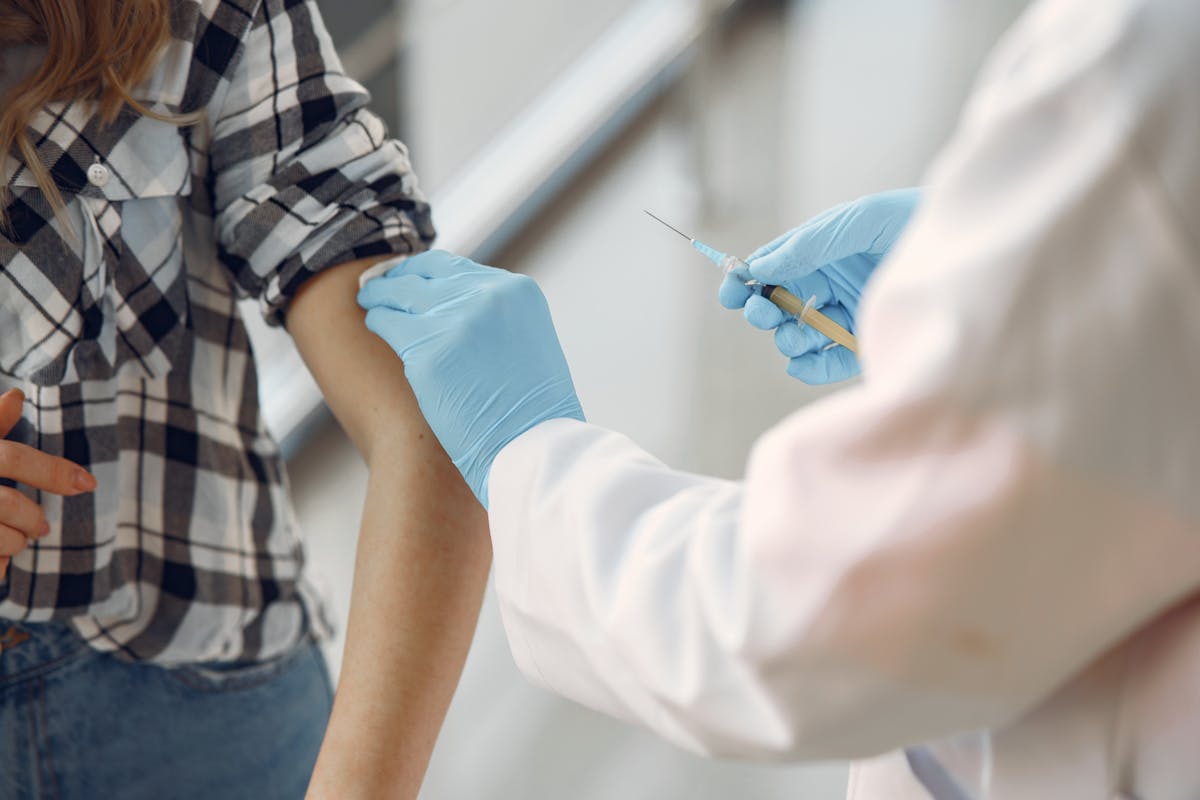
It’s fair to want clear, honest numbers. In most seasons, flu vaccines reduce the risk of needing medical care by roughly 40–60% when the circulating viruses are reasonably well matched to the vaccine. In mismatched seasons, protection against infection can be lower—but protection against severe outcomes often remains meaningful.
For regularly updated estimates, see: CDC: Seasonal Flu Vaccine Effectiveness Studies.
“I can’t afford to stay home from work.”
This is one of the toughest realities. Not everyone has paid sick leave or a flexible employer. A few ideas that have helped others:
- Talk to your manager before you’re sick about expectations during flu season.
- Ask about remote work possibilities during illness, if your job allows it.
- Use masks at work if you must go in while recovering (and you’re medically cleared to do so) to reduce the chance of infecting others.
Before and After: How Small Shifts Change Your Flu Risk
It’s easy to underestimate how much difference modest, realistic changes can make. Here’s a simplified “before and after” comparison based on patterns clinicians often see.
Before: No Flu Strategy
- No flu shot this season.
- Goes to work and social events while mildly sick.
- No masking in crowded indoor spaces during peaks.
- Delays calling a doctor for several days after high fever starts.
After: Simple, Layered Approach
- Gets vaccinated once a year, even if late in the season.
- Stays home for the first 24–48 hours of a new illness when possible.
- Masks on transit and in clinics during known surges.
- Calls a clinician early if high-risk and develops classic flu symptoms.
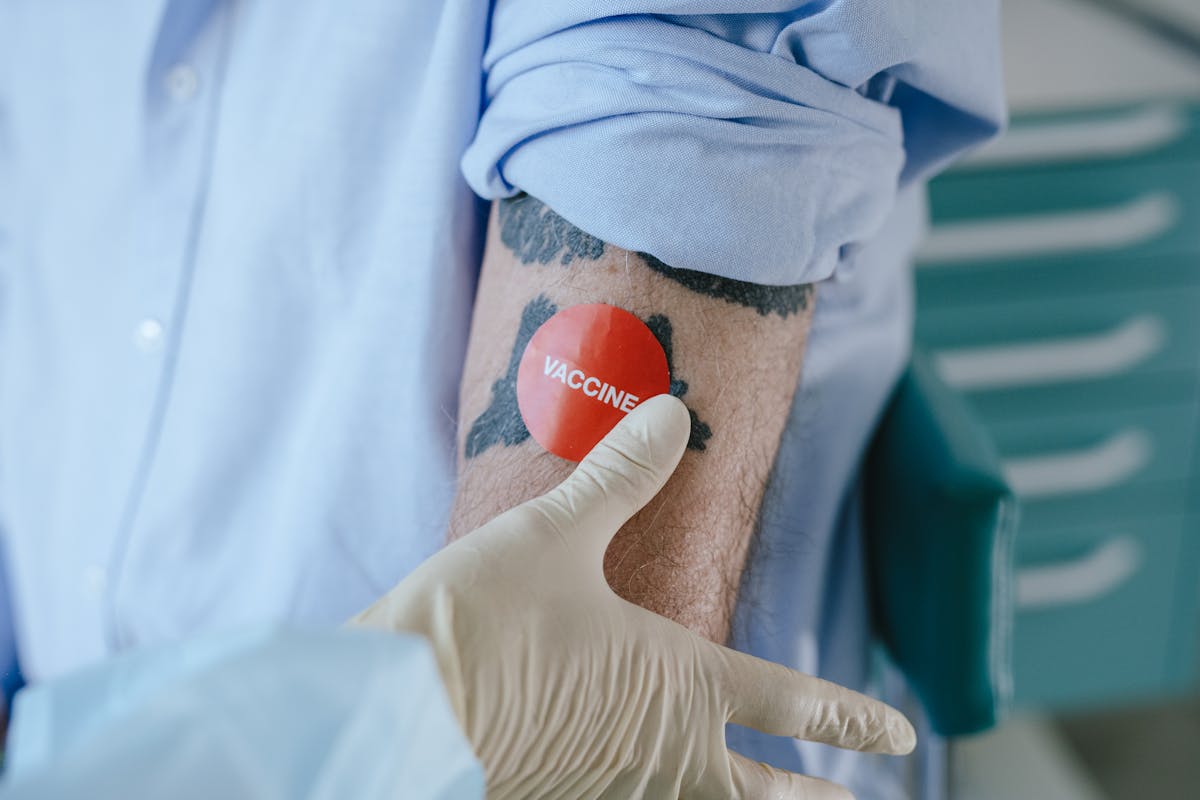
These changes don’t guarantee you’ll avoid flu, but they meaningfully shift the odds away from severe outcomes—for you and for the people who share your air.
Moving Forward: Calm, Informed Steps Through the Second Peak
A second peak in flu season can feel discouraging—especially after years of navigating COVID-19 and other respiratory threats. It’s normal to feel a mix of worry, fatigue, and even a bit of “not this again.” Yet you’re not back at square one.
You now know that:
- Flu seasons can have more than one peak, especially when strains shift or behavior changes.
- Vaccination, while imperfect, reliably cuts the risk of severe illness.
- Small, targeted habits—masking in high-risk settings, staying home when sick, quick access to antiviral treatment—add up.
If you’re ready to take a next step today, consider:
- Checking your local flu activity on your public health department’s website.
- Scheduling a flu shot if you haven’t had one yet this season.
- Deciding in advance when you’ll use a mask or change plans during surges.
Flu will always be part of our winters—but with informed, realistic strategies, it doesn’t have to dominate them. A few thoughtful choices now can help you move through this second peak with more confidence and a little more peace of mind.
