
Why Women’s Pain Lasts Longer: How the Immune System Shapes Chronic Pain
Why Women’s Pain Lasts Longer Than Men’s: What the New Research Is Really Telling Us
If you’re a woman who’s ever felt like doctors didn’t fully believe how much you hurt, you’re not imagining it. Women are more likely to develop chronic pain, and their pain tends to last longer than men’s—even after similar injuries. A new study highlighted by NBC News points to a powerful reason why: important differences in the immune system that change how the body processes and “remembers” pain.
This doesn’t mean the pain is “all in your head.” It means your biology is different—and the health system is still catching up. Understanding that difference can be the first step toward getting better, more targeted care.
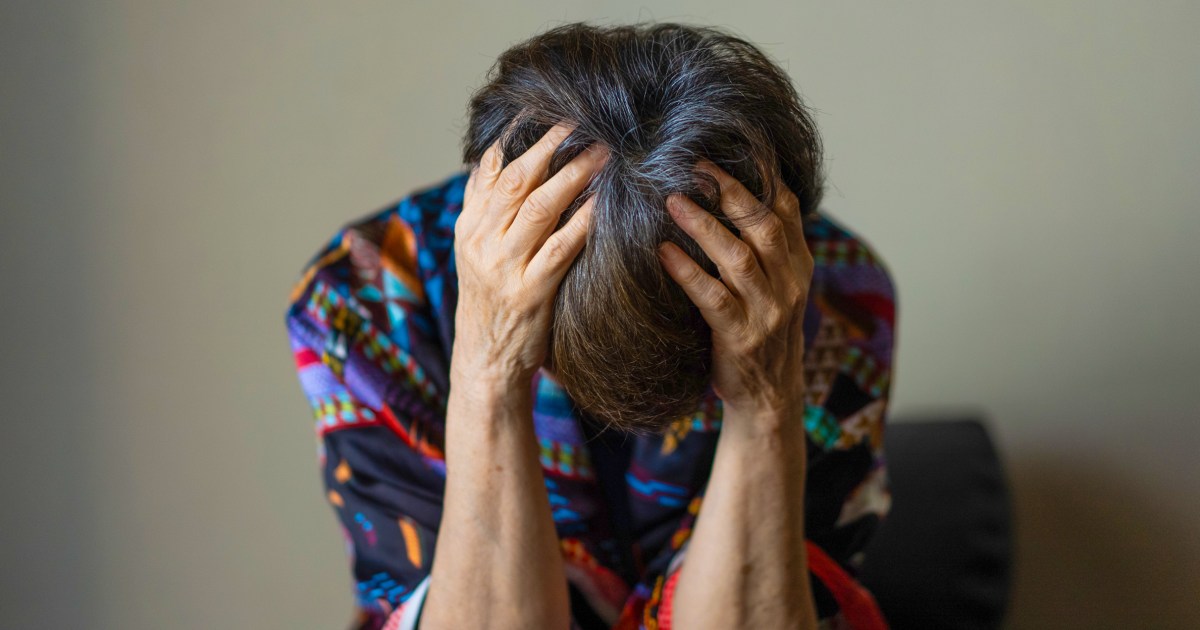
The Problem: Same Injury, Very Different Pain Journey
Pain specialists have long noticed a pattern: a man and a woman are in the same car accident, walk away with similar injuries—and yet the woman is more likely to still be in pain months or years later. The NBC News report revisits this question with new data that helps connect the dots.
- Women are more likely to report chronic pain conditions like fibromyalgia, migraines, and long-term back or pelvic pain.
- Pain lasts longer on average in women after surgery, trauma, and some infections.
- Symptoms are often dismissed or minimized, leading to delayed diagnosis and treatment.
“Women have been living with more pain, for longer, often without being believed. As our science gets better, it’s clear the problem isn’t women—it’s our lack of understanding of women’s biology.”
— Pain medicine researcher, summarizing emerging evidence
The new study doesn’t solve everything, but it adds a crucial piece: differences in the immune system that may prime women’s bodies to feel and sustain pain in a different way than men.
What the New Study Suggests: The Immune System’s Role in Women’s Pain
According to the recent research covered by NBC News, the immune system—especially certain immune cells in and around nerves—may be a key reason women’s pain lingers. While the exact study details are still being refined by the scientific community, the core idea aligns with a growing body of evidence:
- Immune cells talk to pain nerves.
Cells like microglia (in the brain and spinal cord) and macrophages (in tissues) release chemicals that can either calm or amplify pain signals. - Women’s immune systems behave differently.
Sex hormones (like estrogen and progesterone) and genetic factors influence how strongly immune cells react to injury or inflammation. - That difference may “lock in” pain.
In women, certain immune responses may make nerve pathways more sensitive for longer, turning short-term pain into chronic pain.
Earlier animal studies have found that male and female rodents can rely on different immune mechanisms to process pain. The latest human-focused research suggests similar patterns may exist in people—helping explain why the same injury can lead to a more persistent pain experience in women.
A Closer Look at the Science: Pain, Immunity, and Sex Differences
Pain is not just a nerve problem—it’s an immune and brain problem too. To understand why women’s pain can last longer, it helps to see how these systems intersect.
1. How acute pain can turn chronic
After an injury, pain is normal—it’s your body’s alarm system. But in some people, that alarm doesn’t shut off. Nerves stay sensitive, and the spinal cord and brain rewire themselves to expect pain. This is called central sensitization.
2. The immune system’s “memory” of pain
Immune cells that help clean up injury can leave behind a kind of “memory” that changes how they respond the next time. In women, some of these responses appear to be stronger or more prolonged, potentially making pain pathways more reactive over time.
3. Hormones and genetics
- Estrogen can heighten or blunt pain depending on timing and context.
- X-chromosome genes involved in immunity may be expressed differently in women (who have two X chromosomes).
- Autoimmune conditions—much more common in women—can add another layer of chronic inflammation and pain.
“When we study only male animals and mostly male patients, we miss half the picture. We now know that female immune systems interact with pain pathways in distinct ways that deserve targeted research.”
— Paraphrased from contemporary pain research discussions
The NBC News–covered study adds to this growing recognition: women’s immune systems aren’t just “smaller versions” of men’s—they’re meaningfully different.
What This Means in Real Life: A Case-Style Scenario
To bring this research down to earth, imagine two coworkers, Maya and Jason, who are in the same minor car accident.
- Week 1: Both have neck and shoulder pain. They go to the ER, get similar scans, and are told it’s “whiplash.”
- Month 1: Jason’s pain is milder. Maya still struggles to sleep and has trouble working at her computer.
- Month 3: Jason is mostly back to normal. Maya’s pain has spread—she now has headaches and upper back tension.
When Maya returns to her doctor, she’s told:
- “Your imaging looks fine.”
- “Maybe you’re under a lot of stress.”
- “Let’s just watch and wait.”
What the new research suggests is that Maya’s body may truly be wired to respond differently:
- Her immune system may have reacted more strongly to the injury.
- Those immune signals may have made her pain nerves more sensitive.
- Her brain may now be “primed” to amplify pain signals instead of turning them off.
This is not a matter of willpower or emotional resilience. It’s a biological pattern that healthcare systems must learn to recognize and address early.
Common Obstacles Women Face When Seeking Pain Care
Biology is only part of the story. Social and medical biases compound the problem, often leaving women underdiagnosed and undertreated.
1. Being dismissed or not believed
Multiple studies show that women’s pain is more likely to be labeled as “emotional,” “stress-related,” or “exaggerated.” This can lead to:
- Delays in imaging, lab work, or referrals
- Less aggressive pain control in emergency settings
- Missed diagnoses of conditions like endometriosis, autoimmune disease, or nerve disorders
2. Underrepresentation in research
Historically, many pain studies excluded women or failed to analyze results by sex, which means:
- Treatments may be optimized for men’s biology.
- Side effects that affect women more strongly may be underrecognized.
- Subtle but important differences in pain processing have gone unnoticed.
3. Complex, overlapping conditions
Women are more likely to have multiple pain-related diagnoses at once—such as migraines, IBS, pelvic pain, and joint pain—which can:
- Make it harder to get a clear, single diagnosis.
- Increase the risk of being told “there’s nothing wrong” when tests come back normal.
Practical Steps Women Can Take to Advocate for Better Pain Care
While we wait for research to translate into everyday clinical practice, there are concrete steps you can take now to improve your chances of getting effective, respectful care.
1. Prepare for appointments with a “pain snapshot”
- Track your pain for 1–2 weeks: where it is, how it feels, and what makes it better or worse.
- Note patterns around your menstrual cycle, sleep, stress, or activity.
- Bring a brief summary (one page) to your visit so you don’t have to rely on memory.
2. Use clear, specific language
Instead of saying “It hurts everywhere,” try:
- “On a typical day, my pain is a 6 out of 10 in my lower back and hips.”
- “I wake up at night because of the pain at least three times a week.”
- “I’ve missed work or important activities because of pain five times this month.”
3. Ask direct, collaborative questions
Consider questions like:
- “Given that women often experience chronic pain differently, how are you taking that into account in my case?”
- “What are the next three steps we can take if this treatment doesn’t help?”
- “Is there a pain specialist, rheumatologist, or neurologist you’d recommend?”
4. Build a multi-layered pain plan
Evidence-based chronic pain care often works best when it’s combined:
- Medical approaches: medications when appropriate, nerve blocks, physical therapy.
- Rehabilitation: gentle strength and mobility exercises, pacing activity to avoid flare-ups.
- Nervous system regulation: CBT for pain, mindfulness, or relaxation training to calm brain pain circuits.
- Lifestyle supports: sleep routines, anti-inflammatory dietary patterns, social support.
Everyday Strategies to Support a Sensitive Immune and Nervous System
While no lifestyle change can “cure” chronic pain overnight, small, consistent adjustments can help calm an overactive immune and nervous system over time.

1. Gentle, regular movement
- Start with 5–10 minutes of low-impact movement most days (walking, stretching, yoga, or water exercise).
- Increase slowly to avoid flare-ups—think “slow and steady,” not “all or nothing.”
- Focus on how your body feels the next day, not just during exercise.
2. Sleep as a therapeutic tool
Poor sleep can amplify pain, and pain can ruin sleep—a frustrating loop. Helpful strategies include:
- Keeping a consistent sleep schedule, even on weekends.
- Creating a wind-down routine (dim lights, no news or intense screens right before bed).
- Talking with your clinician if pain wakes you up frequently—this may change your treatment plan.
3. Calming inflammation through lifestyle
While evidence is still evolving, some approaches with growing support include:
- Eating a pattern rich in vegetables, fruits, whole grains, nuts, and fish (similar to a Mediterranean-style diet).
- Limiting highly processed foods and added sugars, which may worsen some inflammatory markers.
- Not smoking and moderating alcohol, both of which can affect immune and nervous system health.
4. Nervous system “downshifting”
Techniques that can help the brain and body out of constant “fight or flight” mode include:
- Slow breathing exercises (for example, exhaling slightly longer than you inhale).
- Guided imagery, meditation apps, or gentle body scans.
- Trauma-informed therapy if past experiences continue to affect your pain or stress levels.
How Research Is Changing: Toward More Inclusive, Women-Informed Pain Science
One encouraging trend is that more pain research now explicitly includes and analyzes sex differences. The NBC News–featured study is part of this shift, aiming to understand how women’s immune and pain systems uniquely interact.
As this body of work grows, it may lead to:
- More tailored treatments that account for sex-based immune and hormonal differences.
- Better guidelines for managing post-injury or post-surgical pain in women.
- More accurate clinical trials that test how drugs and therapies work in women and men separately.
This is a long-term process, and it won’t fix under-treatment overnight. But it marks a meaningful change in how seriously women’s pain is taken at the research level.
Women vs. Men: A Before-and-After View of Pain Recovery
Here’s a simplified comparison of how recovery can look different in women and men after a similar injury. This doesn’t apply to everyone, but it reflects patterns seen in population studies.

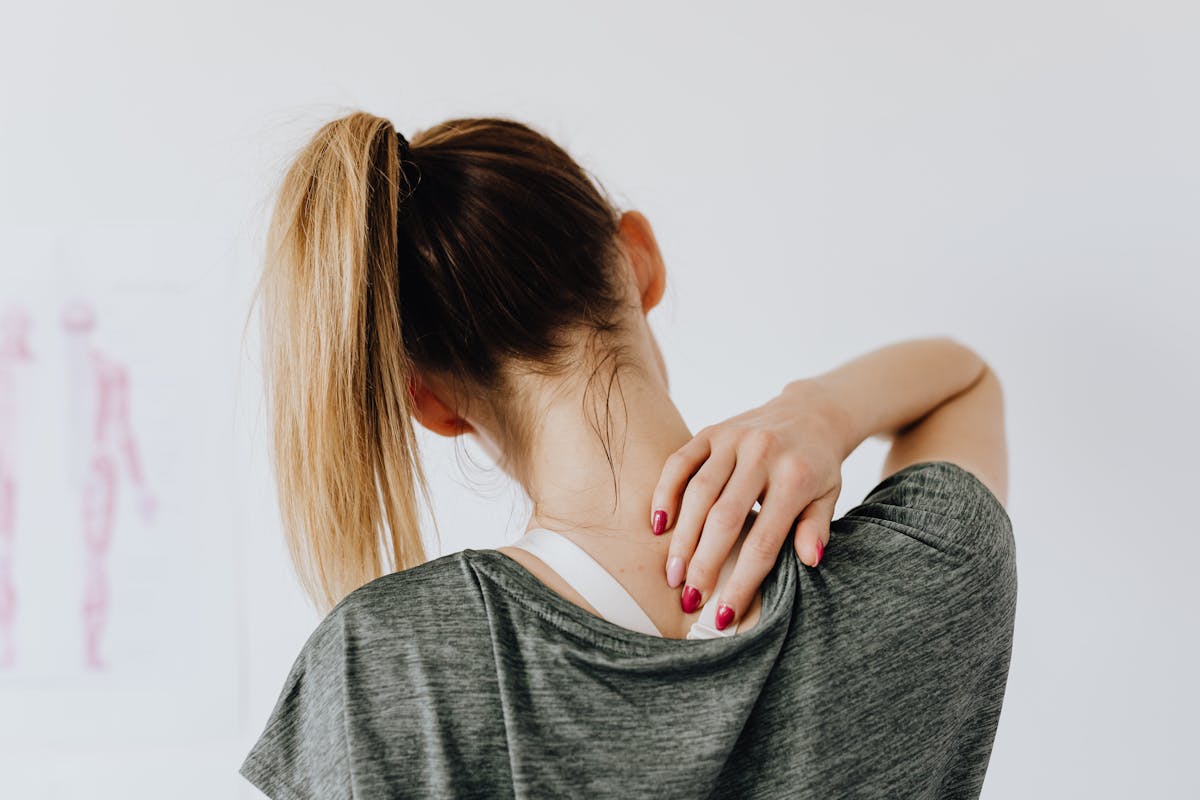
Again, these are trends, not rules. Some men develop severe chronic pain; some women recover quickly. The goal of this research is not to divide, but to better understand and treat everyone.
A Careful Word About Limitations and What We Still Don’t Know
It’s important not to oversell what any single study can tell us, even one that gets national coverage.
- Results can vary depending on the population studied, the type of pain, and the methods used.
- Most research so far is early-stage, often based on animal models or small human samples.
- We don’t yet have routine clinical tests that can pinpoint who will develop chronic pain based on immune responses alone.
However, when you combine this new study with many others, a consistent message emerges: sex-based biological differences in the immune and nervous systems are real, and they matter for pain.
Moving Forward: Your Pain Is Real, and the Science Is Finally Catching Up
Women have lived with chronic pain—and with their pain being doubted—for generations. The latest research, like the study reported by NBC News, doesn’t fix that overnight, but it does something powerful: it backs women’s lived experiences with hard science.
If you recognize yourself in this story—a pain that lingers long after others have healed—you’re not alone, and you’re not imagining it. Your immune system, hormones, and nervous system may simply be wired to respond differently. That difference deserves understanding, not judgment.
As research evolves, you can:
- Advocate for thorough, respectful care.
- Build a multi-layered plan that supports your body and mind.
- Connect with others who understand the reality of living with chronic pain.
The story of pain science is still being written—and women’s voices and bodies are finally being included. Your experience is part of that change.
If your pain has lasted more than a few weeks or is interfering with your daily life, consider making an appointment with a trusted clinician or pain specialist and bringing this perspective with you. Your pain is worth taking seriously.
