
Why Streaming Feels Broken: Fragmentation, Creator Platforms, and the Future of Online Media
The last decade promised a clean break from cable bundles and gatekeeper media companies. Instead, viewers and listeners now juggle multiple subscriptions, rewatch shows that hop between services, and confront paywalls, ads, and algorithmic feeds everywhere. Meanwhile, creators must continually adapt to new monetization rules, recommendation engines, and platform risks just to sustain their work.
This piece examines how streaming fragmentation, creator platforms, and emerging technologies—especially AI and decentralized protocols—are reshaping online media. It focuses on the economic incentives behind today’s shifts and what they mean for consumers, creators, and the future structure of media on the internet.
Mission Overview: How Streaming Broke Its Own Promise
In the early 2010s, on‑demand streaming felt like liberation: one low subscription, an ever‑growing library, watch anytime, cancel anytime. By the mid‑2020s, that narrative has inverted. Major services like Netflix, Disney+, Max, Peacock, Paramount+, and Apple TV+ are:
- Raising subscription prices year over year, especially for ad‑free tiers.
- Introducing or emphasizing ad‑supported plans to boost revenue.
- Licensing content to competitors again (e.g., Disney and Warner licensing shows externally) to offset production costs.
- Experimenting with bundles (e.g., Disney+/Hulu/ESPN+, Verizon or telecom bundles) that look increasingly cable‑like.
For audiences, the result is fragmentation: favorite shows and movies are scattered across walled gardens, availability changes with licensing cycles, and access often depends on regional rights. This is driving:
- Subscription fatigue – Consumers hit psychological and budget ceilings for monthly charges.
- Ad tolerance – Viewers reluctantly accept ad‑supported tiers to keep costs reasonable.
- Piracy’s quiet resurgence – Fragmentation and windowing revive the incentive to circumvent paywalls.
“We’ve effectively rebuilt cable, but with more friction and less predictability.”
— Frequent critique summarized across coverage in The Verge and similar outlets
Technology: The Infrastructure Behind Fragmentation
Streaming fragmentation is not just a business story; it is enabled by a stack of technologies and standards that make spinning up, scaling, and reconfiguring services relatively easy.
Content Delivery and Adaptive Streaming
Modern video and audio platforms rely heavily on:
- Content Delivery Networks (CDNs) for low‑latency global delivery.
- Adaptive bitrate streaming protocols such as MPEG‑DASH and HLS to adjust quality in real time.
- DRM systems (Widevine, PlayReady, FairPlay) that enforce licensing windows and territorial restrictions.
These technologies allow services to:
- Partition catalogs by geography and time.
- Rapidly pull or move titles as licensing deals shift.
- Track engagement data in detail to inform renewal and cancellation decisions.
Recommendation Algorithms and Personalization
Recommendation systems are core to both streaming services and creator platforms. Techniques range from traditional collaborative filtering to deep learning models that:
- Analyze viewing and listening histories.
- Extract embeddings from video thumbnails, audio signals, and text metadata.
- Predict completion rates and likelihood of churn reduction if a user is shown certain content.
These recommender systems drive:
- Catalog visibility – A long tail of content effectively disappears if not surfaced.
- Originals strategy – Platforms optimize around engagement and retention, not just critical acclaim.
- Creator behavior – On YouTube, TikTok, and Twitch, creators actively reverse‑engineer algorithmic preferences (length, hook timing, posting cadence).
Rights Management and Licensing Tech
Behind the scenes, enterprise rights‑management systems track:
- Which regions can access a show.
- Which platforms hold streaming, download, or FAST (Free Ad‑Supported TV) rights.
- Revenue splits between studios, platforms, and occasionally creators.
This software infrastructure makes it trivial to fragment catalogs, window releases, and carve out exclusivity deals—behaviors that tend to amplify consumer frustration while increasing negotiation leverage for rights holders.
Creator Platforms: From Payout Turbulence to Multi‑Platform Strategies
While subscription streaming redraws the map for studios, a parallel revolution is reshaping individual creators’ livelihoods. Platforms like YouTube, TikTok, Instagram, Twitch, Patreon, and Substack provide monetization, but on terms that can change overnight.
Revenue Streams for Creators
Typical revenue sources in the mid‑2020s include:
- Platform ad revenue sharing (e.g., YouTube Partner Program, TikTok Pulse, revenue share for Shorts and Reels).
- Subscriptions and memberships (YouTube channel memberships, Twitch subs, Patreon tiers, paid newsletters).
- Sponsorships and brand deals, often negotiated directly or via creator‑focused agencies.
- Affiliate income from product reviews, tutorials, and recommendations.
- Merchandise and direct sales such as digital products, courses, and live event tickets.
Shifts in revenue sharing rules or recommendation algorithms can significantly impact creator income. This is why policy changes at YouTube or TikTok quickly generate reaction videos, long X threads, and detailed breakdowns on outlets like Engadget and TechRadar.
Short‑Form vs Long‑Form: Sustainability vs Virality
A recurring theme is the tension between:
- Short‑form virality – TikToks, Reels, and Shorts excel at discovery and rapid growth.
- Long‑form sustainability – Longer YouTube videos, podcasts, and streams tend to monetize better per viewer and build deeper audience loyalty.
“Shorts are the top of the funnel; long‑form is where the real relationship happens.”
— Paraphrasing commentary from creators like Marques Brownlee (MKBHD)
Successful creators increasingly adopt a multi‑layer funnel:
- Short clips on TikTok/Shorts/Reels for discovery.
- Long‑form YouTube videos or podcasts for depth.
- Newsletters, Discords, or private communities for retention and direct support.
AI‑Generated Media: Threats, Tools, and New Gatekeepers
AI is rapidly changing how media is produced, discovered, and moderated. Large language models, diffusion models for images and video, and audio synthesis tools can now create content that competes directly with human work—often at near‑zero marginal cost.
Discovery Collision: Human vs Synthetic Content
Platforms must decide how to treat AI‑generated content in ranking and monetization. Key tensions include:
- Volume – AI makes it trivial to flood platforms with content, potentially overwhelming recommendation systems.
- Attribution – Determining authorship and rights when models are trained on massive corpora of human work.
- Quality vs authenticity – Some viewers may accept high‑quality synthetic content; others explicitly seek human creators.
Platforms like YouTube and TikTok have introduced labeling systems for AI‑generated content and are experimenting with policies to protect artists, particularly in music where cloning voices and styles can directly impersonate well‑known performers.
AI as a Creator Tool
For many creators, AI is more tool than threat. Typical uses include:
- Automatic captioning and translation to reach global audiences.
- Editing assistance: cut detection, noise reduction, color grading suggestions.
- Idea generation and scripting help, especially for news, explainers, or educational content.
- Thumbnail optimization via A/B testing tools.
Hardware has also evolved to support this workflow. Compact cameras like the Sony ZV‑1 and high‑quality USB microphones like the Blue Yeti USB Microphone remain popular because they integrate smoothly with software‑driven AI editing and streaming setups.
Audio Streaming: Music, Podcasts, and New Payout Models
Audio platforms like Spotify, Apple Music, Amazon Music, and YouTube Music are confronting similar pressures to video streamers, but with unique twists around artist compensation and podcast economics.
Music Royalties and “Per‑Stream” Debates
Traditional pro‑rata payout models pool subscriber revenue and distribute it based on total streams. Critics argue this:
- Favors mega‑artists and major labels.
- Encourages “background listening” optimization instead of artistic risk‑taking.
- Disadvantages niche genres and independent musicians with loyal but smaller audiences.
In response, some platforms and labels are experimenting with:
- User‑centric payout models – Each subscriber’s fee is split only among artists they actually listen to.
- Thresholds for monetization – Requiring a minimum number of monthly streams or listeners to qualify for payouts.
- Differentiated treatment of functional audio – Addressing the flood of “white noise” or mood playlists optimized for algorithmic exploitation.
Podcasts and Exclusivity Fatigue
Podcasting initially thrived on open RSS feeds. The push toward exclusives—platform‑only shows, paywalled archives, and private feeds—created short‑term differentiation but also listener friction. Recent trends show:
- High‑profile exclusive deals being restructured or ended.
- More shows returning to cross‑platform distribution for reach.
- Hybrid monetization: open feeds plus patron‑only bonus content via platforms like Patreon or Apple Podcasts Subscriptions.
“The more we wall off podcasts, the less ‘podcast’ they become and the more they start to look like generic streaming audio.”
— Sentiment frequently echoed in communities around open podcasting and projects like Podcast Index
Protocols vs Platforms: The Hacker News View
On technical forums like Hacker News, the streaming and creator‑economy debate is often reframed as an infrastructure problem: open protocols versus closed platforms.
Walled Gardens and Incentive Misalignment
Centralized platforms:
- Control discovery (algorithms) and monetization rules.
- Can de‑prioritize or demonetize content categories with little recourse for creators.
- Optimize primarily for their own revenue, not for creator stability or user choice.
This leads to platform risk: a creator’s livelihood can be dramatically impacted by a single policy change, algorithm update, or account suspension.
Emerging Decentralized and Federated Alternatives
Developers are experimenting with:
- ActivityPub‑based social platforms (e.g., Mastodon, PeerTube) that federate content across servers.
- Web3 and crypto‑based media protocols exploring on‑chain metadata, payments, and ownership.
- Open podcasting standards with value‑for‑value payments and listener tipping integrated into apps.
While these alternatives currently lack the scale and usability of major platforms, they demonstrate a different set of incentives: creators have more control over distribution and monetization, and audiences are less locked into a single corporate ecosystem.
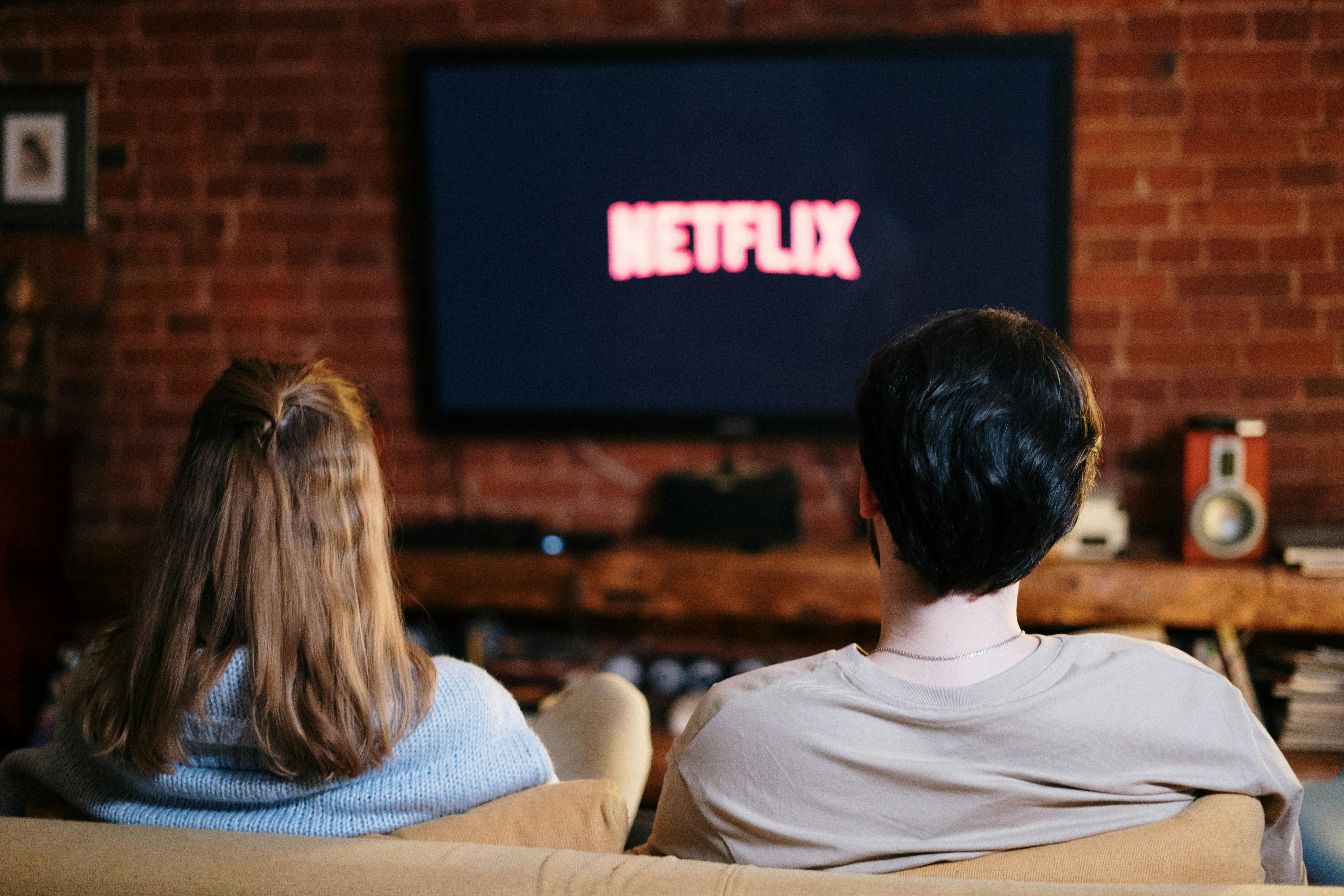
Visualizing the Fragmented Media Landscape



Scientific and Economic Significance: Media as a Complex System
From a systems and network‑science perspective, today’s online media ecosystem resembles a complex adaptive system:
- Millions of creators and billions of viewers interact through algorithmic intermediaries.
- Feedback loops (clicks, watch time, shares) continuously reshape recommendation landscapes.
- Policy changes propagate through creator behavior, audience expectations, and even cultural norms.
Researchers in fields like computational social science, information theory, and economics study topics such as:
- Algorithmic amplification and bias – Which voices are systematically amplified or suppressed.
- Attention economics – How limited human attention is allocated across competing feeds.
- Platform competition and antitrust – When consolidation harms innovation or consumer welfare.
Work from scholars like Zeynep Tufekci, Tarleton Gillespie, and others explores how algorithmic systems shape public discourse, which directly intersects with streaming platforms’ and creator ecosystems’ design decisions.
Milestones: Key Turning Points in the Streaming and Creator Era
Several milestones over the past decade mark structural shifts in how online media works:
- Peak Streaming Expansion – Launches of Disney+, Apple TV+, HBO Max (now Max), Peacock, and Paramount+ framed a “streaming wars” era.
- Ad‑Tier Normalization – Platforms that once bragged about being ad‑free now lean heavily on ad‑supported plans to grow revenue.
- Creator Fund and Revenue‑Share Programs – TikTok, YouTube Shorts, and others formalized payouts for vertical video.
- Podcast Exclusivity Wave – Large platform deals with marquee podcasts signaled a move toward closed ecosystems.
- AI Inflection – Generative AI tools in 2022–2025 opened the door to synthetic media at scale.
Each milestone nudged the system toward greater complexity and, often, greater opacity. Understanding these inflection points helps creators and audiences anticipate future shifts.
Challenges: Fragmentation, Fairness, and Trust
The current online media environment faces interlocking challenges:
1. Consumer Confusion and Cost
- Tracking where a given show or movie is available can require third‑party aggregators and search tools.
- Price increases and overlapping services leave many users feeling they pay more than during the cable era.
- Regional restrictions frustrate global fandoms, who then turn to piracy or VPNs.
2. Creator Precarity
- Income volatility due to algorithm changes and advertiser pullbacks.
- Platform bans, strikes, or policy shifts that can demonetize content categories (e.g., sensitive topics, niche communities).
- Difficulty in building portable audiences when followers are locked inside proprietary platforms.
3. Data and Transparency Gaps
- Limited visibility into how recommendation algorithms actually rank content.
- Opaque payout formulas in music streaming, creator funds, and ad revenue sharing.
- Measurement inconsistencies across platforms, complicating business decisions for creators and advertisers.
4. AI, Authenticity, and Copyright
- Legal uncertainty over training data and derivative works.
- Risk of deepfakes, impersonation, and synthetic media eroding trust.
- Need for robust watermarking, provenance standards, and labeling that are both technically sound and widely adopted.
Practical Strategies for Creators and Viewers
While the structural issues are large, individuals can still make strategic choices.
For Creators
- Own your relationship with your audience via email lists, websites, or communities off major platforms.
- Diversify income: combine ads, sponsorships, memberships, and direct sales.
- Invest in quality audio and video – relatively affordable tools like the Elgato Stream Deck or the Logitech StreamCam can streamline live production.
- Use analytics intelligently – look beyond vanity metrics to retention curves and watch‑time per impression.
- Experiment with AI tools for editing, transcription, and ideation, while clearly labeling usage to maintain trust.
For Viewers and Listeners
- Audit your subscriptions quarterly; cancel or rotate services based on what you actually watch.
- Leverage bundles (e.g., telecom or device‑based offers) where they genuinely reduce cost without locking you in long term.
- Support creators directly whose work you value—via memberships, merch, or tipping systems—so they are less dependent on platform volatility.
- Be mindful of algorithmic bubbles; periodically search and subscribe outside your usual recommendations.
Conclusion: From Fragmentation to Rebalancing
The streaming revolution did not end with a neat victory over cable; instead, it evolved into a messy, contested ecosystem where rights holders, platforms, creators, and audiences continually renegotiate power. Fragmentation is not just inconvenient—it reflects deeper questions about who owns media distribution, how creative labor is compensated, and how technology mediates culture at scale.
Over the next decade, several trajectories are likely:
- More hybrid models – ad‑supported plus subscription, platform distribution plus direct support.
- Regulatory scrutiny around competition, data transparency, and AI training practices.
- Incremental growth of open and federated alternatives, especially for communities that value resilience and independence.
For creators and viewers alike, the most robust strategy is diversification: of income, of platforms, and of information sources. The infrastructure of online media will keep evolving, but building durable relationships and critical literacy about platforms will remain the best defense against the next round of upheavals.
Further Learning and Useful Resources
To go deeper into the dynamics of streaming fragmentation and the creator economy, consider exploring:
- Industry analysis – Coverage from The Verge, Wired, and TechCrunch.
- Creator‑focused education – Channels like Colin and Samir or Ali Abdaal explaining platform strategies.
- Open ecosystem projects – PeerTube for federated video, Mastodon for decentralized social, and Podcast Index for open podcast infrastructure.
- Books and long‑form work – Titles analyzing platforms and algorithms, such as work by scholars including Zeynep Tufekci and Tarleton Gillespie.
Staying informed through a mix of technical, business, and creator‑centric perspectives will make it easier to anticipate shifts, rather than simply reacting when a favorite show disappears or a monetization rule suddenly changes.
References / Sources
- The Verge – Streaming coverage
- Wired – Streaming and media
- TechCrunch – Creator Economy
- Streaming price increases and ad tiers analysis
- Spotify for Artists – Royalty and payout information
- YouTube Creators – Monetization and policy updates
- Hacker News – Protocols vs platforms discussions
- Podcast Index – Open podcasting infrastructure
