
Why Streaming Feels Broken — And How Bundling 2.0 Will Rewire Online Media
Streaming was supposed to simplify everything: one or two subscriptions, all your favorite shows, and on-demand access from any device. Instead, viewers now juggle half a dozen logins, keep track of rotating exclusives, and constantly re-evaluate which services are worth the money. Tech and media outlets like The Verge, Wired, Recode, and TechCrunch now treat “streaming fragmentation” and “bundling 2.0” as core beats, because these shifts affect nearly everyone who consumes digital media.
Mission Overview: How Did Streaming Get So Fragmented?
The first phase of streaming — dominated by early Netflix, Hulu, and Spotify — was about breaking free from the constraints of broadcast schedules, physical media, and piracy-plagued downloads. The proposition was simple: pay one monthly fee, get a giant library.
Over the past few years, that simplicity has evaporated. Studios and labels pulled content back to build their own services, private equity flowed into niche platforms, and big tech players tried to turn streaming into a gateway to their wider ecosystems. The result:
- Dozens of overlapping video and audio subscriptions.
- Regional rights that vary wildly by country.
- Frequent price hikes and password-sharing crackdowns.
- Exclusive originals locked behind single platforms.
Fragmentation is now severe enough that some viewers spend more time searching and comparing than actually watching. Media coverage has shifted from “cord-cutting triumph” to “streaming fatigue” and “subscription overload.”
The Current State of Streaming: Video, Music, and Podcasts
To understand why bundling 2.0 is emerging, it helps to look at the three major categories of streaming: video, music, and podcasts/audiobooks.
Video: From Netflix Dominance to a Crowded Battlefield
Video streaming is the most visibly fragmented layer. Alongside incumbents like Netflix, Disney+, Max, Hulu, Amazon Prime Video, Apple TV+, and Peacock, we now have:
- Regional services (e.g., Viaplay in the Nordics, Canal+ in France, JioCinema in India).
- Studio- or franchise-led platforms (e.g., anime-focused Crunchyroll, horror-focused Shudder).
- FAST (Free Ad-Supported TV) services like Pluto TV, Tubi, and Samsung TV Plus.
Price increases, ad-supported tiers, and content removals for tax write-downs have become regular headlines on outlets like The Verge’s streaming section and Wired’s streaming coverage.
Music & Audio: All-in-One Ambitions
In music and podcasts, fragmentation is milder, but the market is shifting from pure music streaming to multi-format audio hubs:
- Spotify pushes podcasts, audiobooks, and music under one roof, experimenting with premium audiobooks and creator tools.
- Apple separates Apple Music, Apple Podcasts, and Apple Books, but bundles them via Apple One alongside iCloud and TV+.
- YouTube positions YouTube Premium and YouTube Music as gateways to both music and long-form video commentary.
“The line between music, podcasts, live audio, and video is blurring; consumers don’t think in formats, they think in moments.” — Daniel Ek, CEO of Spotify
This all-in-one strategy sets the stage for cross-media bundles that combine music, video, and even games.
Bundling 2.0: The Return of the Bundle — With a Twist
The industry’s answer to fragmentation and plateauing growth is a new generation of bundles that look eerily similar to cable packages, but are built on digital, algorithmic, and cross-device foundations.
Types of Modern Streaming Bundles
- Vertical Ecosystem Bundles
These bundles tie multiple services inside a single company’s ecosystem:
- Apple One: combines Apple Music, TV+, iCloud, Arcade, and more.
- Amazon Prime: merges free shipping with Prime Video, Amazon Music (ad-supported), and Prime Reading.
- Google/YouTube: YouTube Premium + YouTube Music, often sold through mobile carriers.
- Cross-Company Content Bundles
Media conglomerates or partners team up to sell joint subscriptions (e.g., US bundles that pair Disney+, Hulu, and ESPN+).
- Carrier & ISP Bundles
Telecom operators bundle streaming services with mobile or broadband plans (e.g., Netflix, Disney+, or Apple Music included in select carrier plans across Europe, North America, and Asia).
- Ad-Supported Aggregation Bundles
Free services aggregate ad-supported content from multiple studios, sometimes with premium add-ons (e.g., Amazon’s Freevee, Roku Channel aggregations).
From a business perspective, bundling reduces churn (cancellations), smooths revenue, and increases “share of wallet.” From a consumer perspective, it promises savings but can make it harder to see the true cost of each service.
Technology: Aggregation Layers, Super Apps, and Smart TVs
While lawyers negotiate bundle contracts, engineers are building the technical glue that makes fragmented services feel unified — at least on the surface.
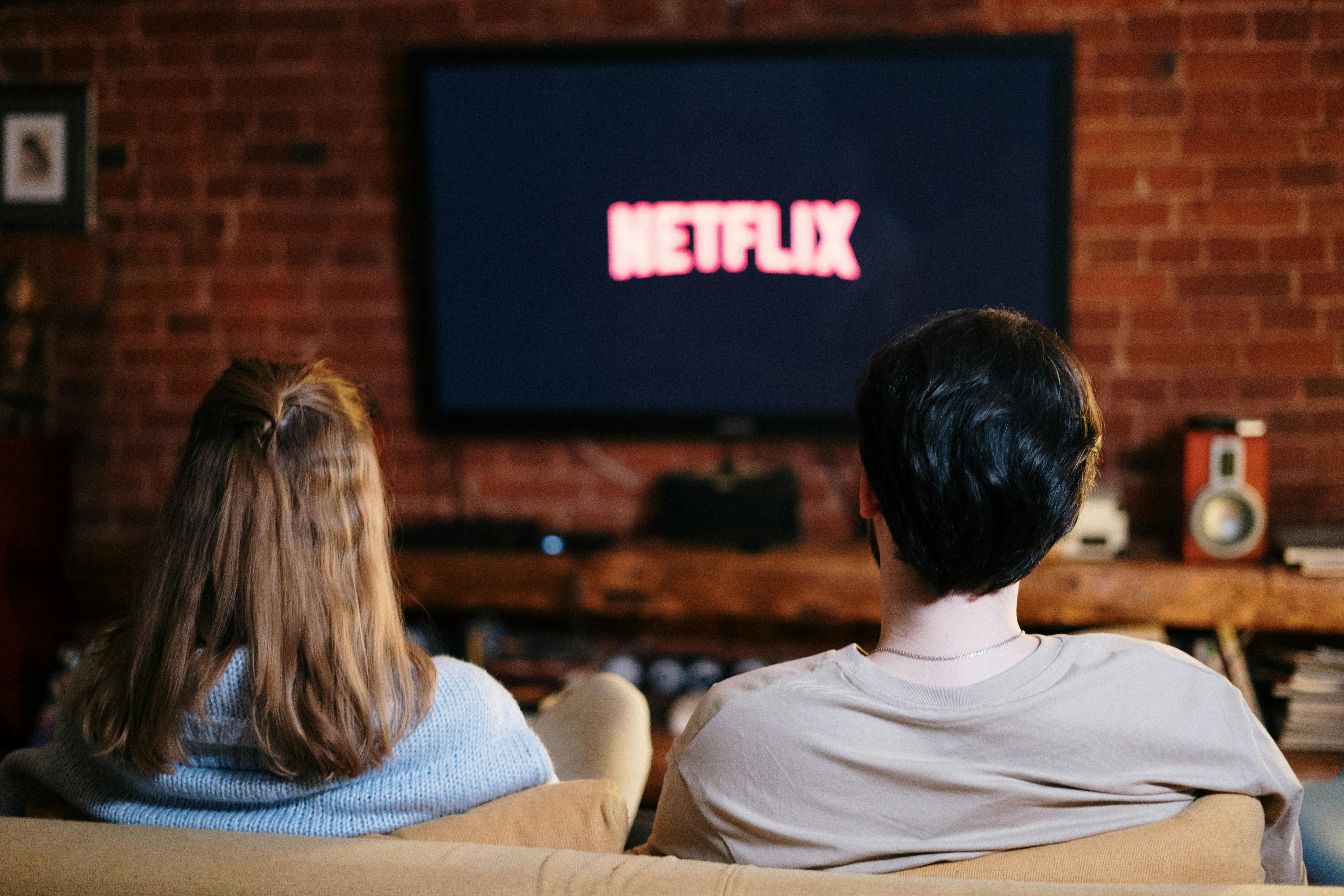
Device-Level Aggregation
Smart TV operating systems (Roku OS, Google TV, Fire OS, Tizen, webOS) and set-top boxes (Apple TV, NVIDIA Shield) increasingly offer:
- Unified search across multiple apps and services.
- Cross-service watchlists that track shows no matter where they live.
- Row-based UIs that blend FAST channels, live sports, and on-demand titles.
This is where The Verge’s device reviews and Engadget’s streaming hardware coverage focus: the user experience layer that tries to hide underlying fragmentation.
Super Apps and “Everything” Interfaces
Some players aim to become the ultimate entry point for all media:
- YouTube as the gateway for music videos, creators, commentary, and live TV (via YouTube TV in some markets).
- Spotify pushing into video podcasts, audiobooks, and live streams.
- Platform UIs on game consoles integrating streaming apps with gaming libraries and store content.
“The future of streaming UX isn’t just another app; it’s an operating system that makes content location almost irrelevant.” — paraphrased from coverage in The Verge
Recommendation Algorithms and Data Gravity
As bundles grow, recommendation systems become the front line for engagement. Whoever controls the “home screen” or feed can:
- Bias recommendations toward their own content.
- Prioritize ad-supported over subscription content.
- Shape which creators and genres get visibility.
This has regulatory implications, especially in jurisdictions tightening rules around platform self-preferencing and algorithmic transparency.
Scientific & Economic Significance: Data, Behavior, and Market Dynamics
Beyond convenience, streaming fragmentation and bundling 2.0 are rich case studies in network economics, behavioral science, and data-driven media.
Network Effects and the “Winner-Takes-Most” Problem
Streaming markets exhibit strong network effects:
- More subscribers ⇒ more revenue ⇒ more content investment.
- Better content and personalization ⇒ higher retention and word-of-mouth growth.
Bundling amplifies these effects by tying multiple services to a single subscription, making it harder for smaller, independent platforms to compete, and raising antitrust questions that regulators and scholars continue to study.
Behavioral Science: Subscription Fatigue and Choice Overload
Research in behavioral economics shows that:
- People systematically underestimate the total cost of recurring subscriptions.
- Too many choices can reduce satisfaction and increase decision paralysis.
- Friction (like difficult cancellations) can materially change consumer outcomes.
Streaming is a live laboratory for these effects. Long-form commentary channels on YouTube, such as those analyzed in media studies, often show that piracy spikes when:
- Popular series are split across several services.
- Back catalogs are removed with little notice.
- Regional restrictions make legal access nearly impossible.
Key Milestones in the Evolution of Online Media
The path to today’s streaming landscape can be traced through a series of inflection points:
- Early 2000s – P2P and DRM Battles
Napster, BitTorrent, and early piracy shape the industry’s fear of digital distribution, leading to strict DRM and cautious experimentation.
- Late 2000s – The Rise of Subscription Streaming
Netflix transitions from DVDs to streaming; Spotify rolls out in Europe and then the US. Subscription becomes the dominant alternative to piracy and ownership.
- Mid-2010s – The Age of Originals
Netflix’s “House of Cards,” Amazon’s “Transparent,” and other originals prove that platforms can rival studios. Licensing wars begin in earnest.
- Late 2010s – Studio Landgrabs
Disney+, Apple TV+, and HBO Max (now Max) launch, pulling content from Netflix and others. Streaming becomes a mandatory strategic pillar for every major studio.
- Early 2020s – Peak Streaming and Correction
Pandemic-era subscriber booms are followed by slowdowns, price hikes, ad tiers, and content cuts. “Profitable growth” replaces “growth at any cost.”
- Mid-2020s – Bundling 2.0 and FAST Expansion
Telecom bundles, ecosystem deals, and free ad-supported TV accelerate. Platforms experiment with live sports, cloud gaming tie-ins, and cross-media packages.
Social Media, Fandom, and the Feedback Loop
Social media does more than promote shows — it shapes what gets made, renewed, or canceled. TikTok, X (formerly Twitter), Reddit, and Instagram provide real-time signal on:
- Which series are “must watch” in a given week.
- How audiences react to cancellations or removals.
- When fan campaigns (hashtags, petitions, memes) reach critical mass.

“Online fandom isn’t just a marketing asset; it’s a bargaining chip that can keep shows alive or resurrect them elsewhere.” — summarized from reporting in Wired
Journalists at The Verge, The Next Web, and Wired increasingly reference TikTok trends, Reddit threads, and creator commentary videos as primary sources when covering streaming controversies.
The Creator Economy: Startups, Monetization, and Platform Power
TechCrunch highlights another dimension of streaming fragmentation: a parallel ecosystem of niche platforms and creator-first tools that live alongside (and sometimes compete with) the majors.
Alternative Monetization Models
New platforms and tools experiment with:
- Ad revenue sharing (e.g., YouTube Partner Program, Spotify’s podcast ad marketplace).
- Microtransactions such as tipping, super chats, or one-off unlocks.
- Patronage/subscription hybrids (e.g., Patreon, Memberful, Nebula-style subscription bundles for creators).
- Licensing marketplaces where independent creators sell content rights to streamers.
“As platforms turn into everything apps, independent ecosystems are where experimentation actually happens.” — sentiment echoed in many creator-economy YouTube channels
Audio Platforms as All-in-One Hubs
Spotify’s evolving strategy around podcasts and audiobooks, for example, is closely followed by creator-economy reporters and YouTube analysts. The platform’s move into:
- Exclusive podcast deals.
- Integrated audiobook listening with per-title and subscription access.
- Creator tools for distribution, analytics, and monetization.
illustrates how audio services aim to become full-stack media hubs rather than just “music apps.”
User Experience: Fragmentation, Discovery, and Device Ecosystems
From the user’s perspective, the biggest problems are fragmentation and friction. The Verge and Engadget frequently highlight issues such as:
- The hassle of remembering which app hosts which show.
- Cluttered home screens filled with competing recommendations.
- Inconsistent subtitle quality, accessibility options, and playback controls.

Accessibility and WCAG Considerations
As services expand globally, accessibility has become both a legal requirement and a competitive differentiator. Elements that matter include:
- High-contrast, keyboard-navigable interfaces compatible with screen readers.
- Consistent, well-timed subtitles and closed captions.
- Audio descriptions for visually impaired viewers.
- Clear labeling of ad breaks and sponsored content.
Platforms adhering to guidelines like WCAG 2.2 are better positioned to serve diverse audiences and comply with emerging regulation.
Practical Tools for Consumers
To cope with fragmentation, consumers increasingly rely on:
- Meta-search and tracking apps that show which service hosts a title in each region.
- Password managers and billing dashboards to track subscription costs.
- Spreadsheets or budgeting apps that set a hard cap on monthly media spending.
Hardware and Home Setups: Optimizing for the Streaming Future
As streaming dominates home entertainment, even casual viewers care more about displays, sound, and connectivity. Tech reviewers emphasize that a good experience is as much about hardware and network quality as it is about the services themselves.
Key Components of a Modern Streaming Setup
- A reliable broadband connection with sufficient bandwidth for 4K HDR streaming.
- A streaming device or smart TV with a responsive UI and long-term support.
- Quality audio — soundbar, bookshelf speakers, or surround setup.
For readers in the US, some popular, well-reviewed components include:
- Roku Streaming Stick 4K — a compact, affordable 4K streaming device with broad app support and a simple interface.
- Amazon Fire TV Stick 4K — integrates tightly with Prime Video and supports most major streaming apps, with Alexa voice controls.
- TCL 55-Inch S4 4K HDR Smart TV — a budget-friendly 4K smart TV with built-in streaming and good picture quality for the price.
- Sony S100F 2.0ch Soundbar — a compact soundbar that significantly improves TV audio clarity over built-in speakers.
These devices won’t solve fragmentation, but they can reduce friction by offering faster UIs, better search, and more accessible interfaces.
Challenges: Regulation, Piracy, and Sustainability
The future of streaming is constrained not just by technology and consumer behavior, but by legal, ethical, and environmental factors.
Regulatory Scrutiny and Competition
Regulators in the US, EU, and elsewhere are examining:
- Whether large bundles create unfair lock-in or self-preferencing.
- How app store rules impact streaming competition on mobile and TV platforms.
- What transparency should be required around recommendation algorithms and content removals.
Policy-focused coverage in outlets like Recode and Wired regularly highlights the tension between innovation and market concentration.
Piracy’s Persistent Shadow
Studies and industry reports continue to show that when legal access is:
- Too expensive relative to income,
- Confusing due to fragmentation, or
- Unavailable due to regional locks,
piracy rises. Long-form YouTube commentators and digital-rights advocates often argue that a more user-friendly, fairly priced, globally accessible ecosystem could reduce piracy more effectively than enforcement alone.
Environmental and Infrastructure Concerns
As 4K and 8K streaming, cloud gaming, and always-on devices proliferate, questions emerge around:
- Data center energy use and cooling requirements.
- Network infrastructure costs and net neutrality debates.
- Device lifecycles, e-waste, and software support windows.
These factors may influence codec adoption (e.g., AV1, VVC), caching strategies, and future regulations around digital sustainability.
Conclusion: Where Streaming and Bundling 2.0 Are Headed
Streaming will not return to the simplicity of a single dominant platform, but it is unlikely to remain as chaotic as it feels today. Instead, several trends are converging:
- Fewer, larger bundles that combine video, music, games, and cloud services.
- Smarter aggregation layers on TVs, phones, and browsers that hide some of the fragmentation.
- Hybrid business models mixing subscriptions, ads, microtransactions, and patronage.
- More active regulation around competition, data, and accessibility.
For consumers, the practical response is to be intentional: audit subscriptions regularly, lean on ad-supported options when budgets are tight, and support the creators and platforms whose values align with your own. For creators and technologists, the opportunity lies in building tools, interfaces, and stories that cut through the noise without sacrificing user autonomy or accessibility.
However the details shake out, one principle is becoming clear: the future of online media will reward services that respect attention, transparency, and accessibility as much as they chase growth.
Practical Tips: How to Navigate Streaming Fragmentation Today
While the industry experiments with Bundling 2.0, there are concrete steps you can take to stay in control.
1. Build a Simple Subscription Strategy
- Pick one primary video service and one backup you rotate quarterly based on what you want to watch.
- Use ad-supported tiers where possible to keep costs down.
- Set a hard monthly budget for media and treat everything else as optional.
2. Use Discovery and Tracking Tools
- Keep a shared watchlist (Notes app, spreadsheet, or tracking app) with friends or family.
- Bookmark review sources you trust, such as The Verge Reviews or TechRadar’s streaming guides.
3. Prioritize Accessibility and Quality
- When choosing between services, factor in subtitle quality, accessibility options, and device performance.
- On TVs and browsers, enable features like reduced motion and high contrast if you find modern UIs visually overwhelming.
Taking a more deliberate, tool-assisted approach can turn streaming from an exhausting maze into a curated, sustainable part of your digital life.
References / Sources
Further reading and sources for the trends discussed above:
- The Verge – Streaming coverage
- Wired – Streaming tag
- TechCrunch – Streaming tag
- Recode – Business and policy around tech and media
- ITU and telecom reports on broadband and streaming infrastructure
- Sandvine – Internet traffic and streaming trend reports
- W3C – Web Content Accessibility Guidelines (WCAG) 2.2
- YouTube – Creator commentary on the economics of streaming
