
Why ‘Real Food’ Mediterranean Eating Is Beating Fad Diets on Social Media
The Rise of Real-Food Mediterranean-Style Eating
As diet culture gets louder, many of us are quietly craving something far simpler: real food that actually tastes good. Over the last couple of years, a Mediterranean-style way of eating—rich in colorful vegetables, olive oil, beans, whole grains, and seafood—has moved from research papers to the spotlight of TikTok carousels, Instagram reels, and YouTube “what I eat in a day” videos.
Instead of harsh rules and detox promises, this pattern offers generous plates, satisfying textures, and a sense of pleasure: crisp cucumbers glistening with extra-virgin olive oil, roasted tomatoes bursting with sweetness, a tangle of herbs on top of lemony fish, or a bowl of creamy Greek yogurt crowned with nuts and fruit. It’s health-conscious without feeling like “diet food,” which is exactly why it’s outshining restrictive fads.
From Fad Diet Burnout to Real-Food Comfort
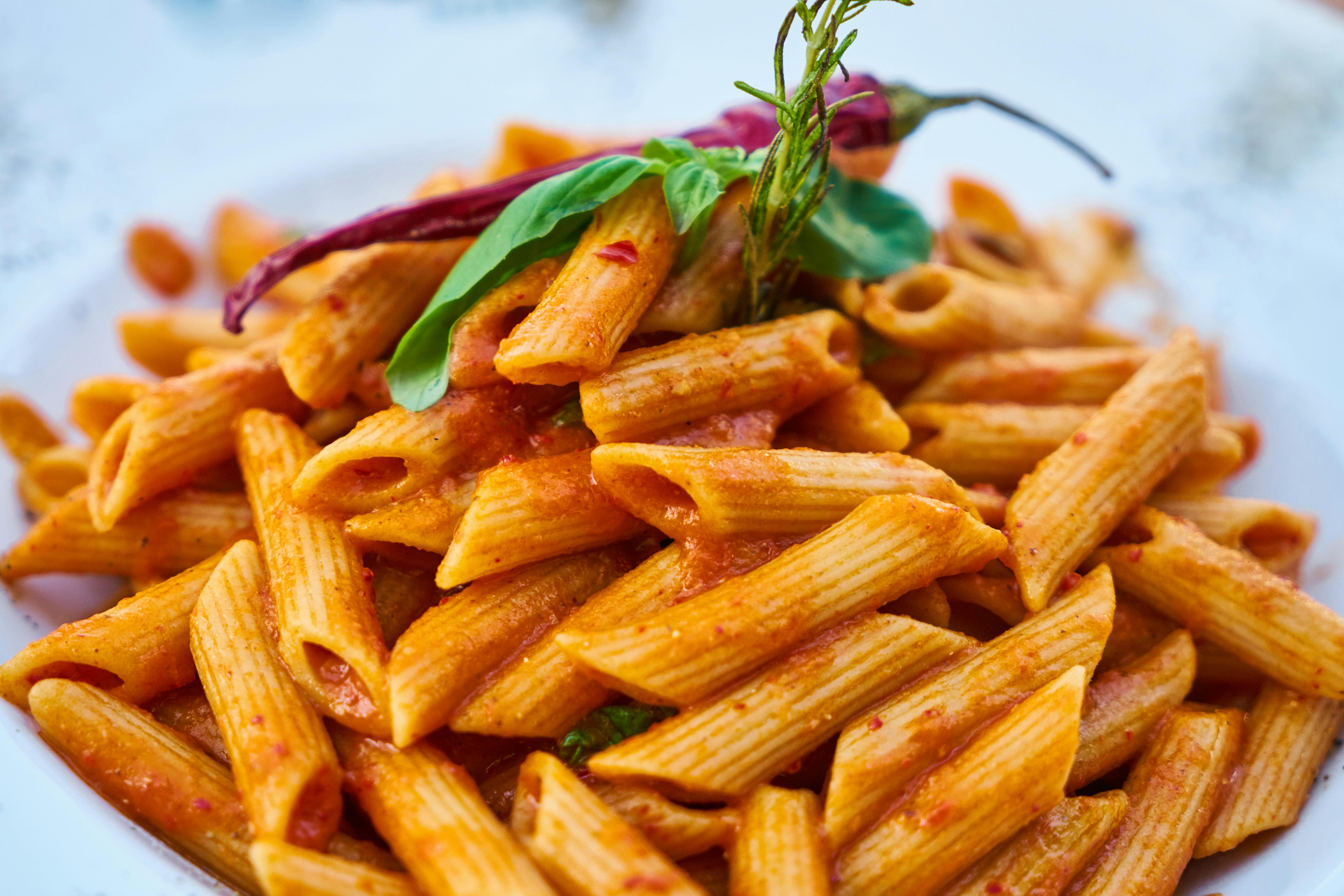
After years of strict keto charts, detox cleanses, and endless rounds of intermittent fasting, many people are experiencing what you might call “diet fatigue.” The rules keep changing, but the stress feels the same. Mediterranean-style eating lands differently: it’s a pattern, not a prison.
On social media, creators share this approach as a lifestyle that fits around daily life instead of dominating it. There’s room for family meals, leftovers, and the occasional dessert. Rather than counting every gram, the focus is on building plates around:
- Plenty of vegetables and fruits in all colors
- Legumes like chickpeas, lentils, and beans
- Whole grains such as farro, barley, bulgur, and brown rice
- Nuts and seeds for crunch, flavor, and healthy fats
- Olive oil as the main added fat, often drizzled generously
- Regular but moderate fish and seafood, plus some poultry and yogurt
- Minimal red/processed meats, sweets, and ultra-processed snacks
The result is a way of eating that works with your body rather than against it—steady energy, pleasant fullness, and meals that are both comforting and fresh.
Why Mediterranean-Style Meals Go Viral: Color, Texture, and Ease
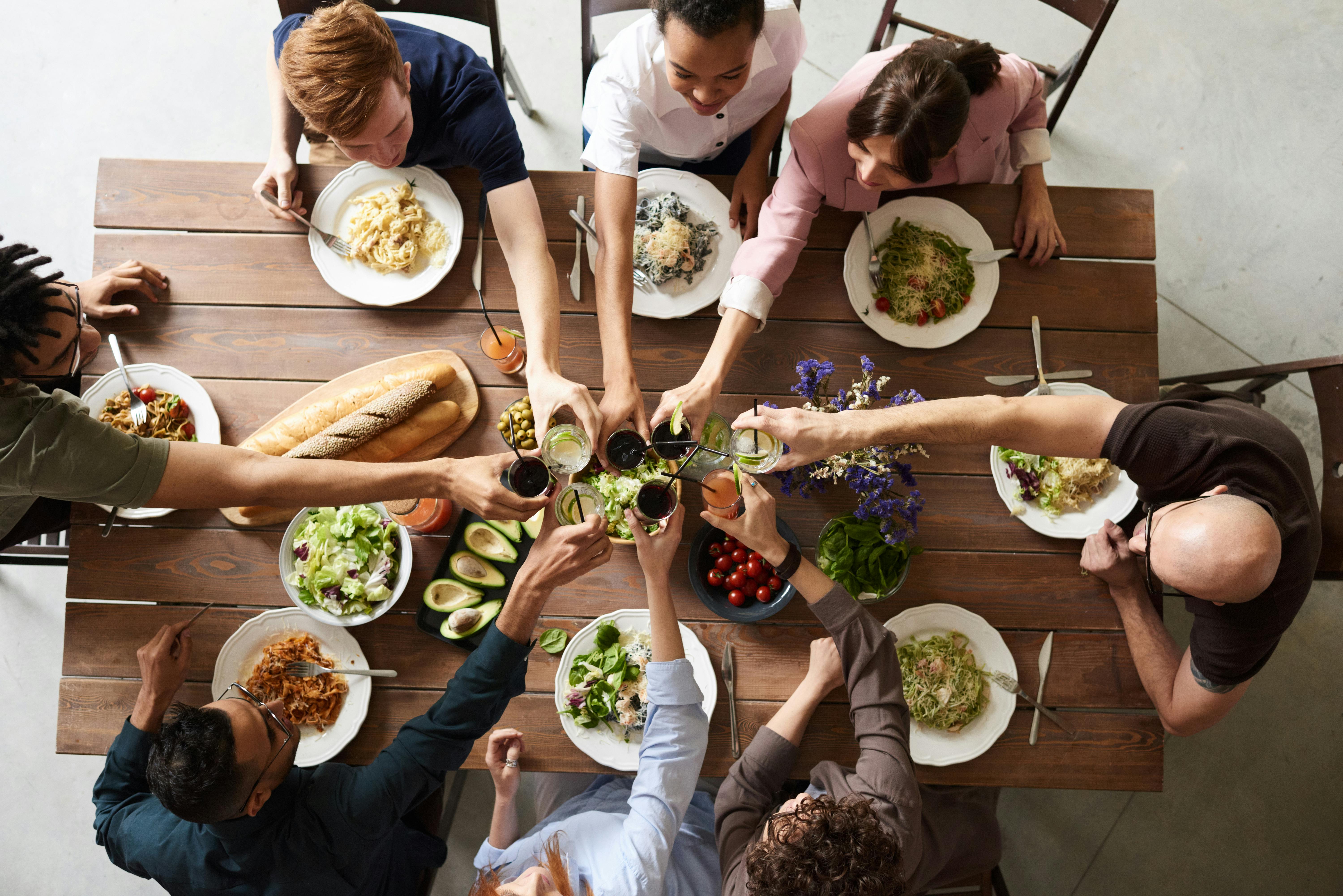
Mediterranean recipes are visually irresistible. Think of a mezze platter: glossy olives, ruby pomegranate seeds, sun-gold hummus draped in olive oil, charred flatbreads with smoky edges. These plates practically beg to be photographed.
For creators, that means quick wins: throw together a grain bowl, zoom in on the drizzle of olive oil, cut to a fork breaking through tender roasted eggplant, and you’ve got instant scroll-stopping content. For home cooks, the same elements make weeknight cooking less intimidating: lots of one-pan bakes, big salads, and minimal fussy techniques.
Science-Backed, Not Just Stylish: Heart, Brain, and Metabolic Health
Long before it was trending under #mediterraneandiet, this pattern was quietly accumulating a serious evidence base. Large cohort studies and clinical trials have consistently linked Mediterranean-style eating with:
- Reduced risk of cardiovascular disease and stroke
- Improved blood sugar control and insulin sensitivity
- Better cholesterol profiles (more HDL, lower LDL)
- Support for healthy blood pressure
- Potential benefits for cognitive function and aging
In the last year or two, health professionals, podcasters, and evidence-focused creators have helped bring that research into the mainstream. It’s common now to see videos breaking down famous trials, or explaining how olive oil and nuts can be part of a heart-protective diet without derailing weight goals.
“It’s the rare way of eating that’s both heavily studied and deeply comforting—grandmother-approved and cardiologist-approved at the same time.”
Weight-Friendly Without Extremes: Fiber, Protein, and Healthy Fats
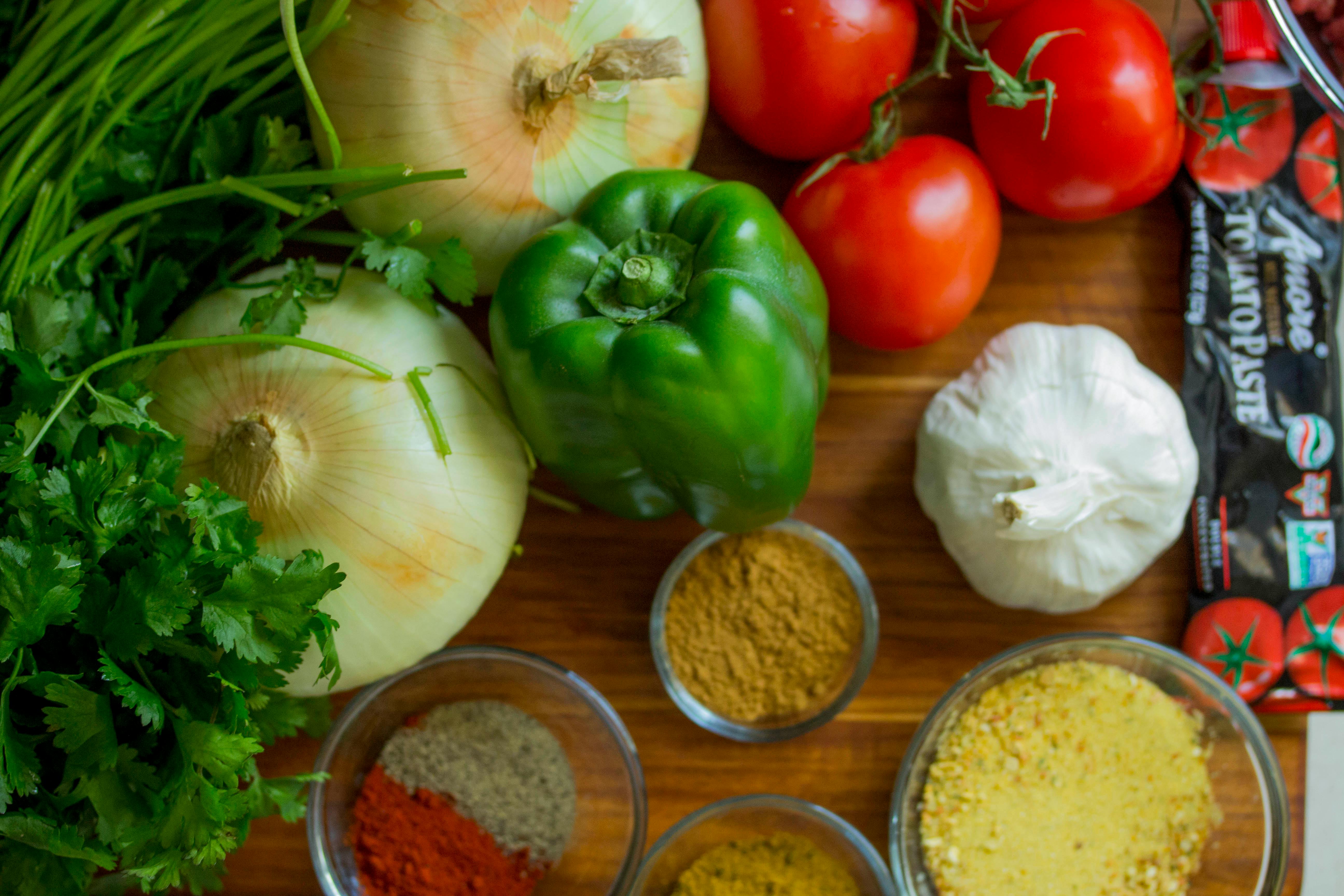
A big part of the Mediterranean diet’s online appeal is that it’s framed as “weight-friendly” without the pressure of being a strict weight-loss regime. Instead of chasing carb or fat extremes, it leans on the natural appetite-regulating power of:
- Fiber from vegetables, fruits, beans, and whole grains that slows digestion and keeps you pleasantly full.
- Protein from seafood, yogurt, cheese in moderate amounts, legumes, and sometimes lean poultry.
- Healthy fats from olive oil, nuts, and seeds that add creaminess and satisfaction.
Modern creators often add a high-protein twist to traditional ideas: Greek yogurt breakfast bowls, bean-based pastas, seafood-heavy meal-prep menus, or “protein-rich” mezze plates tailored for fitness and wellness audiences.
How Search Trends and Social Platforms Fuel Mediterranean Eating
Search and social data reflect just how strongly this pattern has captured public interest. While exact numbers shift over time, recent trends show consistent growth in queries like:
- “Mediterranean diet meal plan”
- “Mediterranean diet for weight loss”
- “Mediterranean recipes high protein”
- “Mediterranean diet grocery list”
On platforms like YouTube and TikTok, you’ll find:
- “What I eat in a day” videos built around Mediterranean-style meals
- Budget shopping hauls from discount grocers focused on beans, frozen vegetables, and canned fish
- 7-day Mediterranean meal-prep guides for busy students and working parents
- Podcast episodes unpacking the science and debunking myths about “good” and “bad” foods
This mix of practicality, evidence, and aesthetics makes it easier for people to not just try Mediterranean eating, but to stick with it long-term.
Global Adaptations: Mediterranean Spirit, Local Flavors
One reason Mediterranean-style eating continues to feel fresh is how easily it adapts to different cultures and kitchens. Creators from Latin American, Middle Eastern, African, and Asian backgrounds are blending the core principles—real, minimally processed foods; plenty of plants; healthy fats—with their own traditional dishes.
You might see:
- A Latin-inspired bowl with black beans, avocado, grilled fish, and corn over brown rice.
- Middle Eastern mezze platters packed with hummus, muhammara, tabbouleh, grilled veggies, and whole-grain flatbreads.
- Asian-Mediterranean fusion such as sesame-crusted salmon with olive-oil-tossed greens and barley.
This flexibility keeps the Mediterranean template from feeling like a rigid “European-only” ideal. Instead, it becomes a set of guiding ideas: celebrate plants, embrace healthy fats, enjoy meals socially, and lean on minimally processed ingredients.

A Simple Mediterranean-Style Bowl to Try Tonight
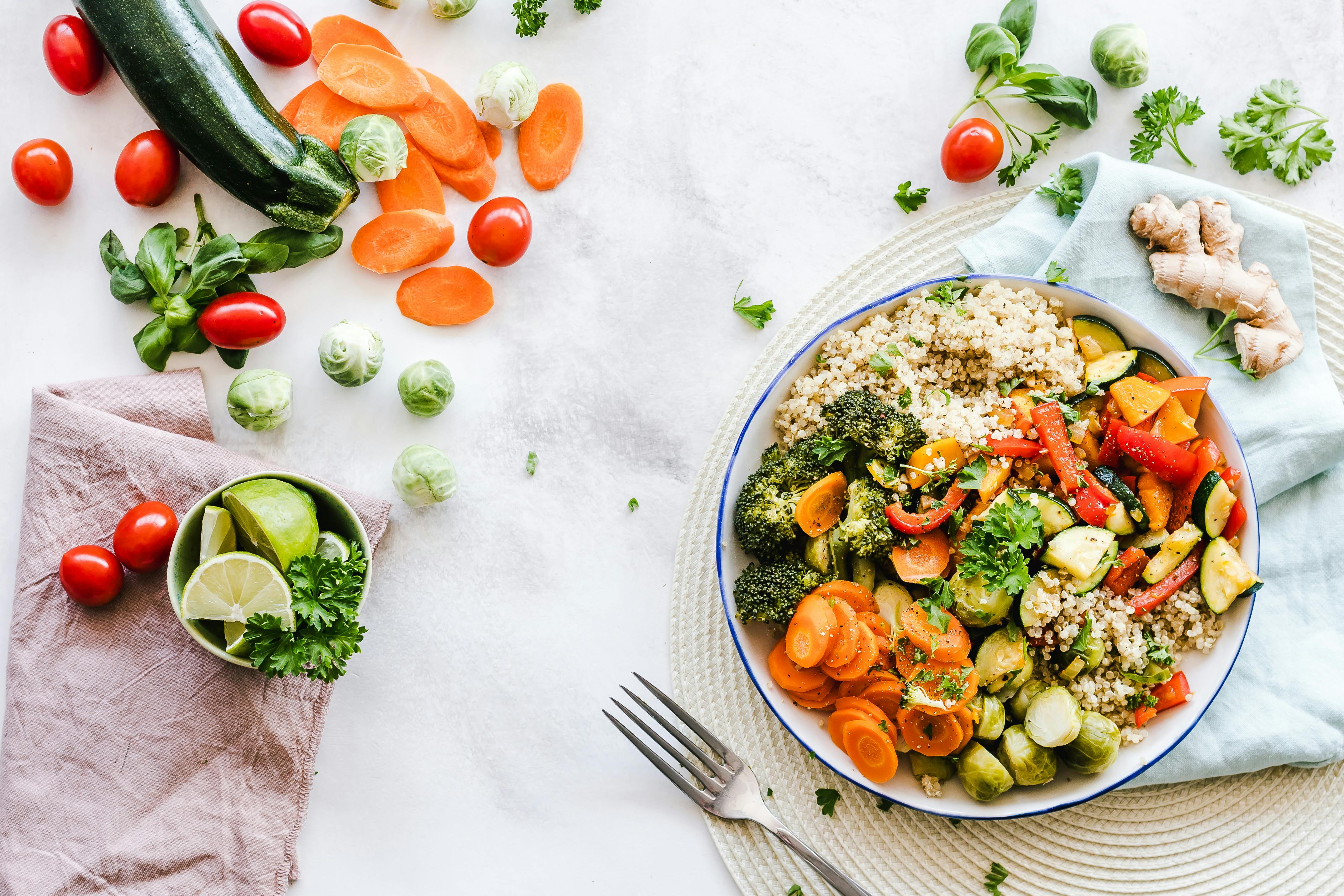
To feel this trend in your own kitchen, you don’t need a full meal plan or a shopping overhaul. Start with one vibrant, satisfying bowl built around real food. Below is a flexible, Mediterranean-inspired recipe designed for beginners and busy cooks alike.
Mediterranean Real-Food Power Bowl (Gluten-Free Friendly)
Equipment You’ll Need
- 1 medium saucepan (for grains, if using)
- 1 large mixing bowl
- 1 small jar or bowl with lid (for dressing)
- Cutting board and sharp knife
- Measuring cups and spoons
Ingredients
For the base
- 1 cup (180 g) uncooked quinoa, farro, or brown rice (or 4 cups mixed salad greens for a low-carb option)
For the bowl toppings
- 1 can (15 oz / 400 g) chickpeas, drained and rinsed
- 1 cup (150 g) cherry tomatoes, halved
- 1 medium cucumber, diced
- 1 small red onion, thinly sliced (or 2–3 green onions, chopped)
- 1 red or yellow bell pepper, diced
- 1/2 cup (75 g) pitted olives, whole or sliced
- 1/2 cup (75 g) crumbled feta cheese (optional; omit for vegan)
- 1/4 cup (10 g) fresh parsley or dill, chopped
For the lemon–garlic dressing
- 1/4 cup (60 ml) extra-virgin olive oil
- Juice of 1 large lemon (about 3 tbsp / 45 ml)
- 1 small garlic clove, finely minced or grated
- 1 tsp dried oregano or Italian herbs
- 1/2 tsp sea salt, plus more to taste
- 1/4 tsp freshly ground black pepper
Optional protein boost
- 2 grilled chicken breasts, sliced or
- 2 fillets baked salmon or white fish, flaked or
- 1 extra can (15 oz / 400 g) chickpeas or white beans for a vegan, high-protein version
Step-by-Step Instructions
- Cook the grain base (if using).
Rinse your quinoa, farro, or rice under cold water. Cook according to package directions in lightly salted water until tender but not mushy. Fluff with a fork and let it cool slightly so the steam escapes and the grains stay separate. - Prep the vegetables.
While the grains cook, halve the cherry tomatoes, dice the cucumber and bell pepper, thinly slice the onion, and chop the herbs. Aim for bite-sized pieces so every forkful has a little of everything. - Rinse and season the chickpeas.
Pat the chickpeas dry with a clean towel. If you’d like extra flavor, toss them with a pinch of salt, pepper, and oregano. For a warmer, toasty flavor, you can quickly sauté them in a drizzle of olive oil for 3–5 minutes over medium heat. - Make the lemon–garlic dressing.
In a small jar or bowl, whisk together the olive oil, lemon juice, minced garlic, oregano, salt, and pepper. Taste and adjust: add more lemon for brightness, or a pinch more salt if needed. The aroma should be zesty, garlicky, and fresh. - Build your bowls.
Divide the grains (or greens) among 4 bowls. Arrange chickpeas, tomatoes, cucumber, onion, bell pepper, and olives in sections or clusters over the top for a colorful, “social-media-ready” look. - Add protein and feta.
Top each bowl with your chosen protein—sliced grilled chicken, flaked fish, or extra beans. Sprinkle with crumbled feta if using, and shower everything with fresh herbs. - Dress and serve.
Drizzle each bowl with the lemon–garlic dressing just before serving. Give a gentle toss at the table so the dressing coats everything. You should taste bright lemon, mellow garlic, a peppery hit, and the fruitiness of the olive oil with every bite.

Substitutions, Variations, and Dietary Notes
Storage and Reheating
This Mediterranean power bowl is excellent for meal prep and next-day lunches.
- Storage: Store the base (grains, chickpeas, chopped vegetables) and dressing separately in airtight containers in the refrigerator for up to 3 days. Add fresh herbs and feta just before serving for best flavor.
- Reheating: If using grains and cooked proteins, you can gently reheat them in the microwave or on the stovetop until just warm, then assemble with cold vegetables and dressing.
- Make-ahead tip: Chop sturdier vegetables (peppers, cucumbers, onions) ahead of time; leave tomatoes and herbs for the day you plan to eat for peak freshness and aroma.
Serving Suggestions and Complementary Dishes
To turn this bowl into a full Mediterranean-style meal experience, pair it with:
- Warm whole-grain pita or crusty whole-wheat bread
- A side of hummus, baba ganoush, or tzatziki for dipping
- A simple side salad of leafy greens, lemon, and olive oil
- Fresh fruit—like orange slices, grapes, or figs—for a light dessert
Whether you’re cooking for yourself, your family, or to share on social media, this style of eating invites you to slow down, savor, and enjoy food that loves you back.
Mediterranean-Style Eating as a Sustainable, Joyful Trend
The shift from fad diets to Mediterranean-inspired, real-food eating isn’t just another passing hashtag. It reflects a deeper desire for patterns we can live with—meals that protect our hearts and minds without sacrificing pleasure, culture, or community.
Whether you’re watching budget-friendly shopping hauls, saving high-protein Mediterranean recipes, or building your first lemony chickpea bowl at home, you’re participating in a movement that values both well-being and enjoyment. No detox teas, no rigid rules—just honest ingredients, shared tables, and the kind of food that feels good long after the last bite.
