
High-Protein, High-Fiber Gut-Healthy Power Bowl (Microbiome-Loving Recipe)
This gut-friendly power bowl brings together high-quality protein, plenty of fiber, and fermented foods in one vibrant, satisfying meal designed to nourish both you and your microbiome. Inspired by the growing interest in gut health and high-fiber, high-protein diets, this recipe offers a balanced, customizable bowl that supports digestion, satiety, and overall wellness.
Across TikTok, Instagram, and YouTube, “gut-healthy” and “no-bloat” recipes are having a moment—and for good reason. Our gut microbes love diversity: beans and lentils, crunchy veggies, chewy whole grains, and tangy fermented foods. This high-protein, high-fiber microbiome bowl captures that trend in a realistic, weeknight-friendly way: simple to assemble, deeply flavorful, and endlessly adaptable for your dietary needs.
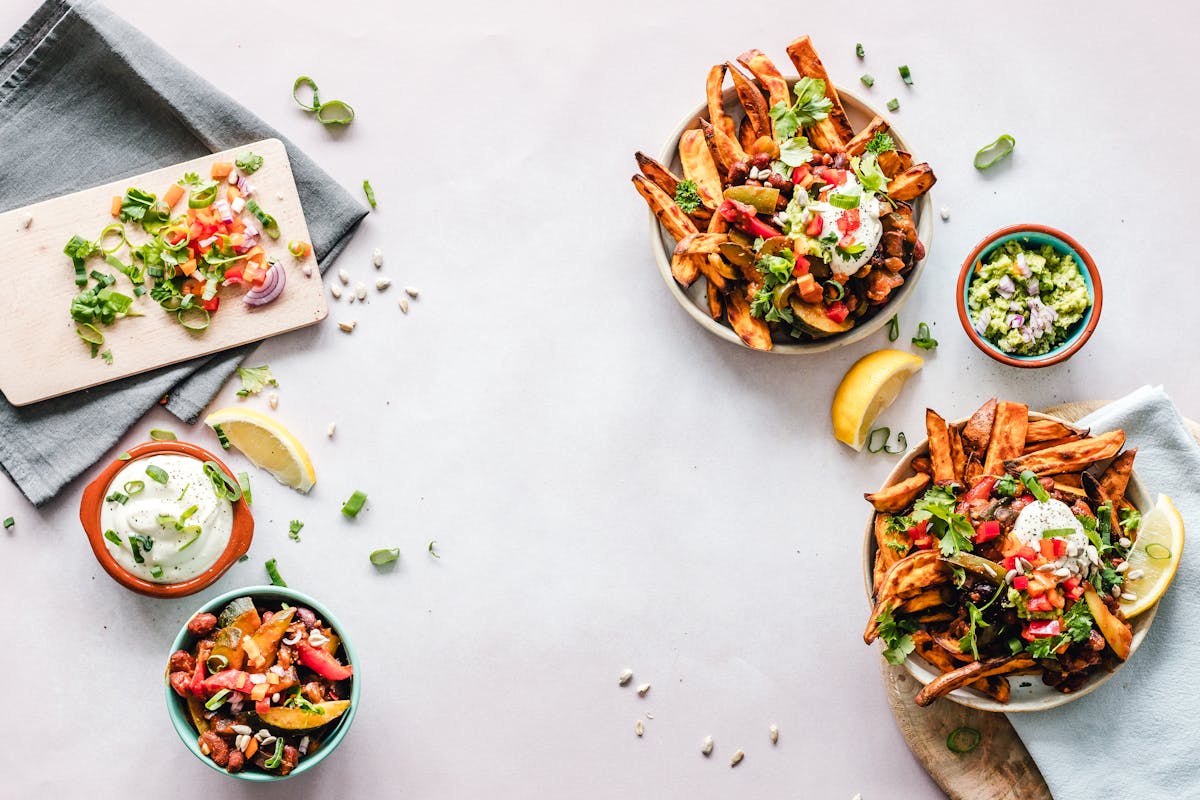

Quick Recipe Snapshot
- Prep time:
- Cook time:
- Total time:
- Servings: 2 generous bowls
- Difficulty: Easy–Intermediate
- Diet: High-protein, high-fiber, gut-friendly, easily gluten-free
Ingredients for a High-Protein, High-Fiber Microbiome Bowl
These amounts make 2 hearty bowls. Every element has a job: protein for satiety and muscle support, fiber for your gut microbes, and fermented dairy for a gentle hit of probiotics.
For the Gut-Healthy Bowl
- 1 cup (180 g) cooked quinoa or brown rice (about 1/2 cup dry)
- 1 cup (150 g) cooked lentils or chickpeas, rinsed and drained
- 1 cup (150 g) canned black beans, rinsed and drained
- 1 medium carrot, shredded or finely sliced
- 1 cup (60 g) finely sliced red cabbage or green cabbage
- 1 small cucumber, diced
- 1 small red bell pepper, diced
- 2 cups (60 g) mixed leafy greens (spinach, arugula, baby kale)
- 1 small ripe banana, sliced (optional, for a subtle prebiotic sweetness)
- 2 tbsp pumpkin seeds (pepitas)
- 2 tbsp chia seeds or ground flaxseeds
- 2 tbsp finely chopped red onion or spring onion (green parts for gentler flavor)
- 1 small garlic clove, very finely minced (optional, high-FODMAP but very prebiotic)
For the Fermented Yogurt Dressing
- 3/4 cup (170 g) plain Greek yogurt or kefir yogurt with live cultures
- 2 tbsp extra-virgin olive oil
- 1–2 tbsp lemon juice or apple cider vinegar
- 1–2 tsp honey or maple syrup (optional, to balance the tang)
- 1 tsp Dijon mustard (optional, for extra depth)
- 1–2 tbsp finely chopped fresh herbs (dill, parsley, or cilantro)
- 1/4 tsp salt, plus more to taste
- Freshly ground black pepper, to taste
Protein Boost (Choose One or Mix)
- 2 large eggs, soft-boiled or poached
- OR 1 cup (140 g) cooked chicken breast, shredded
- OR 1 cup (150 g) cubed, pan-seared tofu or tempeh
- OR 1 can (120 g drained) tuna or salmon in water, flaked
Equipment You’ll Need
- Medium saucepan for cooking grains and/or lentils
- Cutting board and sharp knife
- Large mixing bowl
- Small bowl or jar with lid for dressing
- Whisk or fork
- 2 serving bowls
How to Make the Microbiome Power Bowl
This recipe is designed for easy meal prep: cook a batch of grains and beans once, then assemble beautiful gut-healthy bowls in minutes all week long.
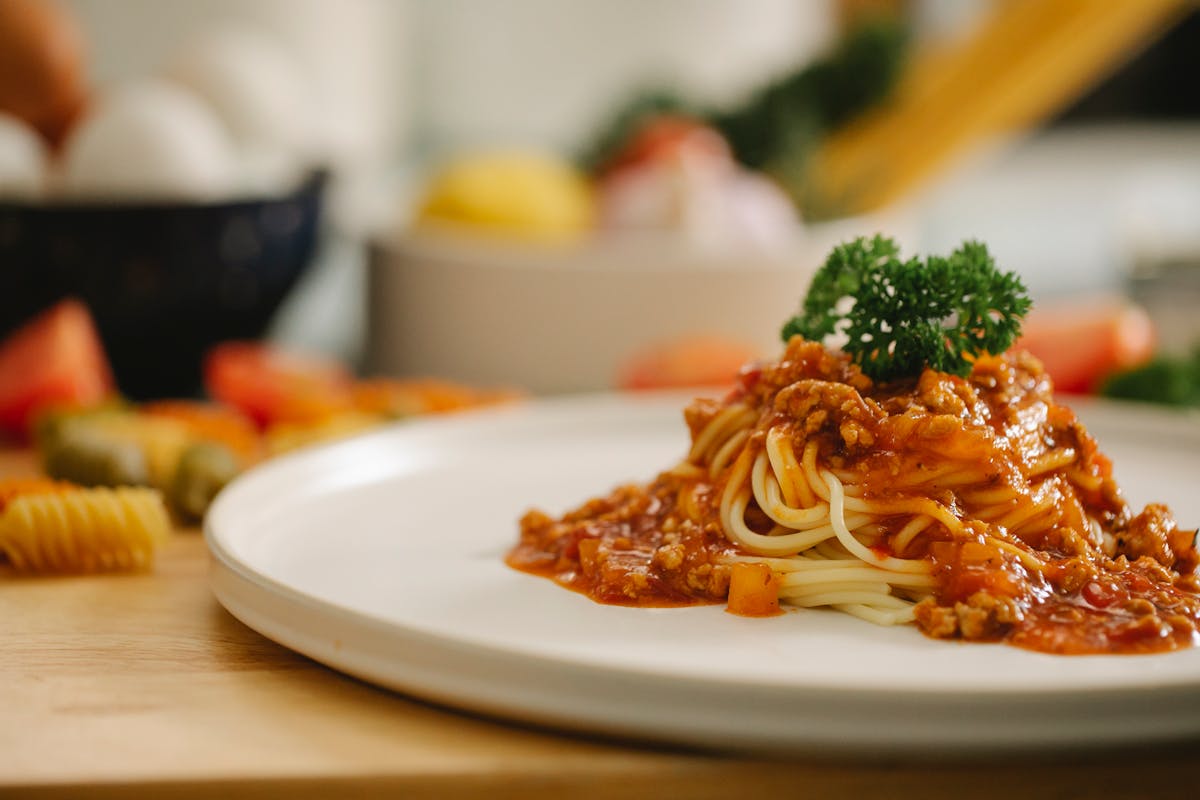
- Cook the grain base.
Rinse your quinoa or brown rice under cold water. Cook according to package instructions (usually 1 part grain to 2 parts water with a pinch of salt) until tender and fluffy. Let it cool slightly—lukewarm or room temperature works best for this bowl.
- Prepare beans and lentils.
If using canned beans or lentils, rinse them under running water until it runs clear. This removes excess sodium and some compounds that may contribute to gas. If cooking from dry, cook until just tender but not mushy.
- Chop the vegetables and prebiotic stars.
Finely slice the cabbage, shred the carrot, and dice the cucumber and bell pepper. Thinly slice red onion or spring onion, and mince the garlic if using. You’re building color and crunch as well as feeding different microbes with each plant.

Step 3: A rainbow of vegetables adds fiber, antioxidants, and serious crunch. - Cook your protein.
Choose your protein option:
- Eggs: Simmer in gently boiling water for 7 minutes for jammy yolks, then cool in cold water and peel.
- Chicken: Poach or roast with simple seasoning, then shred.
- Tofu/tempeh: Press excess water from tofu, then pan-sear in a little olive oil until golden; for tempeh, steam for 5 minutes first to mellow any bitterness, then sear.
- Canned fish: Simply drain well and flake with a fork.
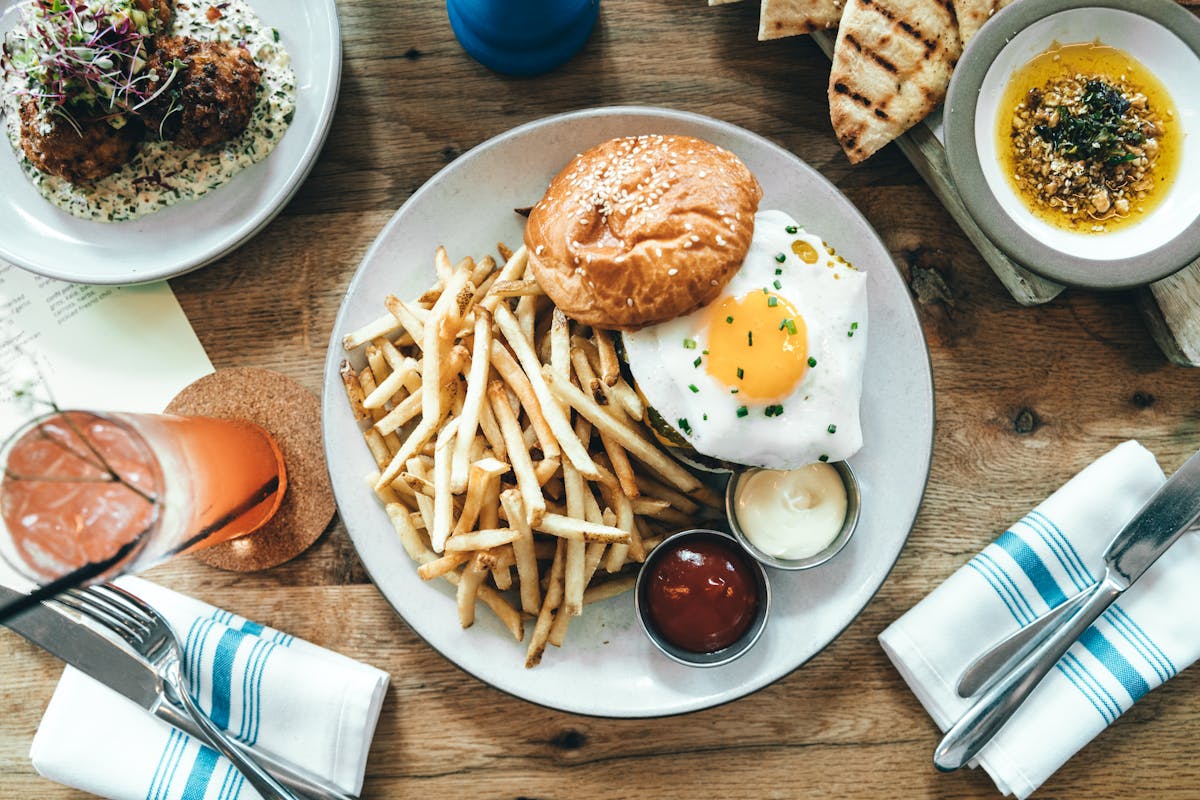
Step 4: Seared tofu or tempeh adds plant-based protein and a satisfying bite. - Whisk the fermented yogurt dressing.
In a small bowl or jar, combine Greek yogurt, olive oil, lemon juice or vinegar, honey or maple (if using), Dijon, herbs, salt, and pepper. Whisk or shake until creamy. Taste and adjust acidity and salt—this dressing should be tangy, lightly salty, and fragrant with herbs.

Step 5: A tangy fermented yogurt dressing brings probiotics and creaminess without heaviness. - Assemble the bowls.
Divide the cooked grain between two bowls. Arrange beans, lentils, cabbage, carrot, cucumber, bell pepper, and greens in separate little piles or “wedges” on top—it’s visually satisfying and lets you taste each component. Add your protein, then sprinkle pumpkin seeds and chia or flax seeds over everything. Add banana slices if using for a gentle, prebiotic sweetness.
- Dress and finish.
Generously spoon or drizzle the yogurt dressing over the bowl. You can toss everything together for a creamy, comforting texture or keep it more composed and mix as you eat. Finish with an extra grind of black pepper and a squeeze of lemon if you like things bright.
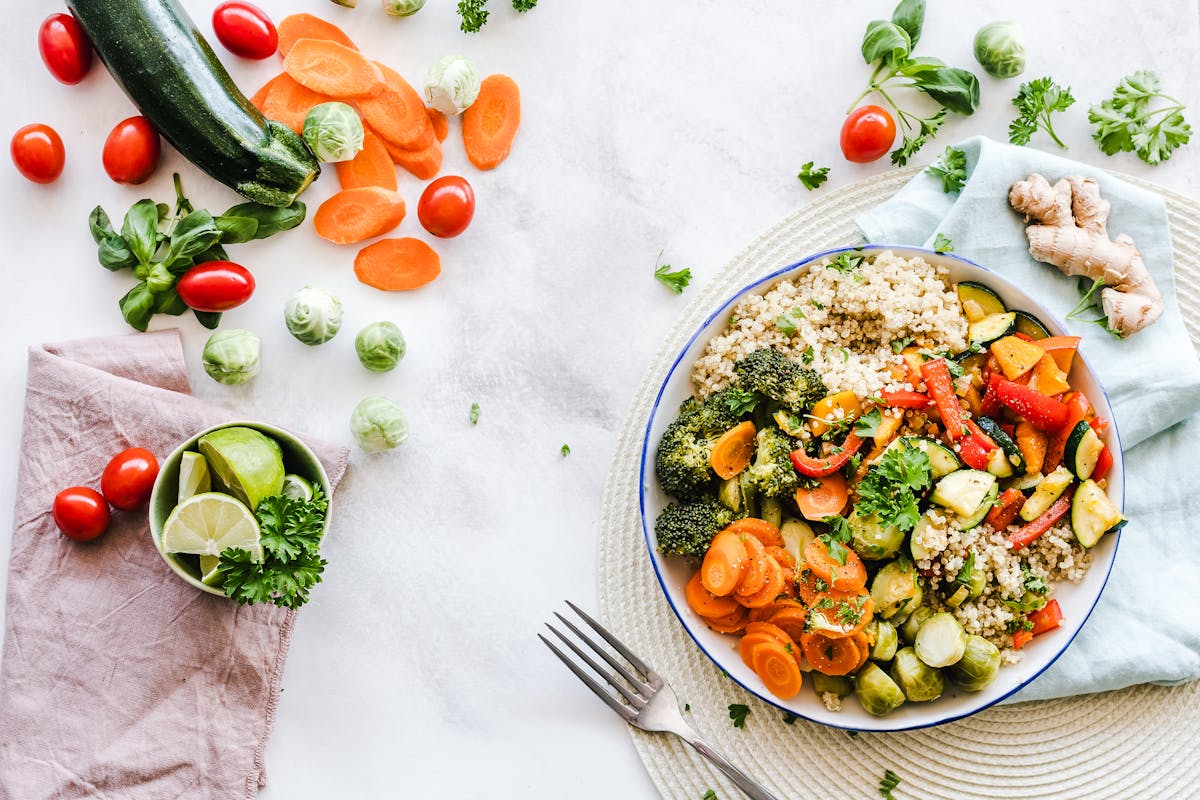
Step 7: A finished gut-healthy bowl—creamy, crunchy, tangy, and deeply satisfying.
Why This Bowl Loves Your Gut (and Your Schedule)
This recipe taps into what microbiome researchers and gut-health dietitians have been highlighting over the last few years: it’s not about strict low-carb or low-fat rules, but about diverse plants plus enough protein.
- High-fiber base: Whole grains, beans, lentils, and crunchy vegetables deliver a broad spectrum of fibers, including prebiotic fibers that your beneficial microbes ferment into short-chain fatty acids.
- High-protein focus: 20–30 g of protein per serving (depending on your protein choice) helps keep you full, stabilize blood sugar, and support muscle maintenance—key for overall metabolic health.
- Fermented element: Live-culture yogurt or kefir brings friendly bacteria to the table, pairing beautifully with prebiotic fibers in the bowl.
- Healthy fats: Olive oil, seeds, and, if using, fish, provide heart-healthy fats that help you absorb fat-soluble vitamins and keep the bowl satisfying.
Many gut-health experts now frame healthy eating as “feeding your microbes first,” with more plants, more diversity, and smart protein choices—exactly what this bowl delivers.
Gut-Friendly Variations and Dietary Swaps
One of the joys of this bowl is how easily it flexes around different dietary patterns, seasons, and sensitivities while staying microbiome-friendly.
For a Vegan Gut-Healthy Bowl
- Use coconut yogurt or a thick, unsweetened soy yogurt with live cultures instead of Greek yogurt.
- Choose tofu, tempeh, or extra beans/lentils as your main protein.
- Sweeten the dressing with maple syrup or skip the sweetener entirely.
For a Lower-FODMAP or Sensitive Gut Version
- Reduce beans and lentils; replace part with firm tofu, eggs, or chicken.
- Skip garlic and use garlic-infused olive oil instead.
- Use the green tops of spring onions instead of raw red onion.
- Swap cabbage for grated carrot, baby spinach, or roasted zucchini.
Seasonal Swaps
- Spring/Summer: Cherry tomatoes, radishes, fresh herbs, grilled zucchini, or corn.
- Fall/Winter: Roasted sweet potato, Brussels sprouts, beets, or warm sautéed greens.
Serving Ideas, Storage, and Reheating
How to Serve
- Enjoy the bowl at room temperature for peak flavor and best texture.
- Top with a sprinkle of chili flakes or smoked paprika if you like a little heat.
- Pair with a glass of water or herbal tea—hydration is your fiber’s best friend.
Storage Tips
- Base components: Cooked grains, beans, lentils, and chopped sturdy veggies (like cabbage and carrot) keep well in airtight containers in the fridge for 3–4 days.
- Leafy greens and cucumber: Store separately and add just before serving to keep them crisp.
- Dressing: Keeps in the fridge for 3–5 days. If it thickens, whisk in a splash of water or lemon juice.
- Assembled bowls: For best texture, store undressed for up to 2 days and add dressing just before eating.
Reheating
- If you prefer a warm base, gently reheat grains and beans in a skillet with a splash of water or broth, then top with cool veggies and dressing.
- Avoid microwaving the whole assembled bowl with dressing—the live cultures in fermented yogurt fare better when not overheated.
What to Serve with Your Gut-Healthy Bowl
This microbiome bowl makes a complete meal on its own, but you can easily round it out with other gut-supportive sides and snacks.
- Fermented drink: A small glass of kefir or kombucha for an extra probiotic boost.
- Simple side salad: Mixed greens with olive oil and lemon to add even more plant diversity.
- Fruit dessert: A bowl of berries with a spoonful of yogurt and sprinkle of oats or nuts for additional fiber.
- Snack idea: Carrot sticks, cucumber slices, and hummus (if tolerated) between meals to keep fiber intake steady.
Over time, building meals like this—high in fiber, rich in protein, and full of color—can gently shift your everyday eating pattern toward a more microbiome-friendly, energizing rhythm.
