
Ozempic, Wegovy & the GLP‑1 Diet Wave: How Weight‑Loss Drugs Are Rewriting the Rules of Eating
Ozempic, Wegovy & the GLP‑1 Weight‑Loss Diet Boom
Prescription GLP‑1 drugs like Ozempic and Wegovy have done more than nudge the scale—they’ve upended how we think about dieting, appetite, and long‑term weight management. What started as a treatment for type 2 diabetes has become one of the most talked‑about health trends online, from TikTok “Ozempic body” transformations to deeply researched YouTube explainers.
As this GLP‑1 weight‑loss wave grows, people are asking a new kind of question: “If I’m simply not very hungry, how should I eat to stay healthy?” That’s where nutrition, careful planning, and a compassionate approach to body image all come together.
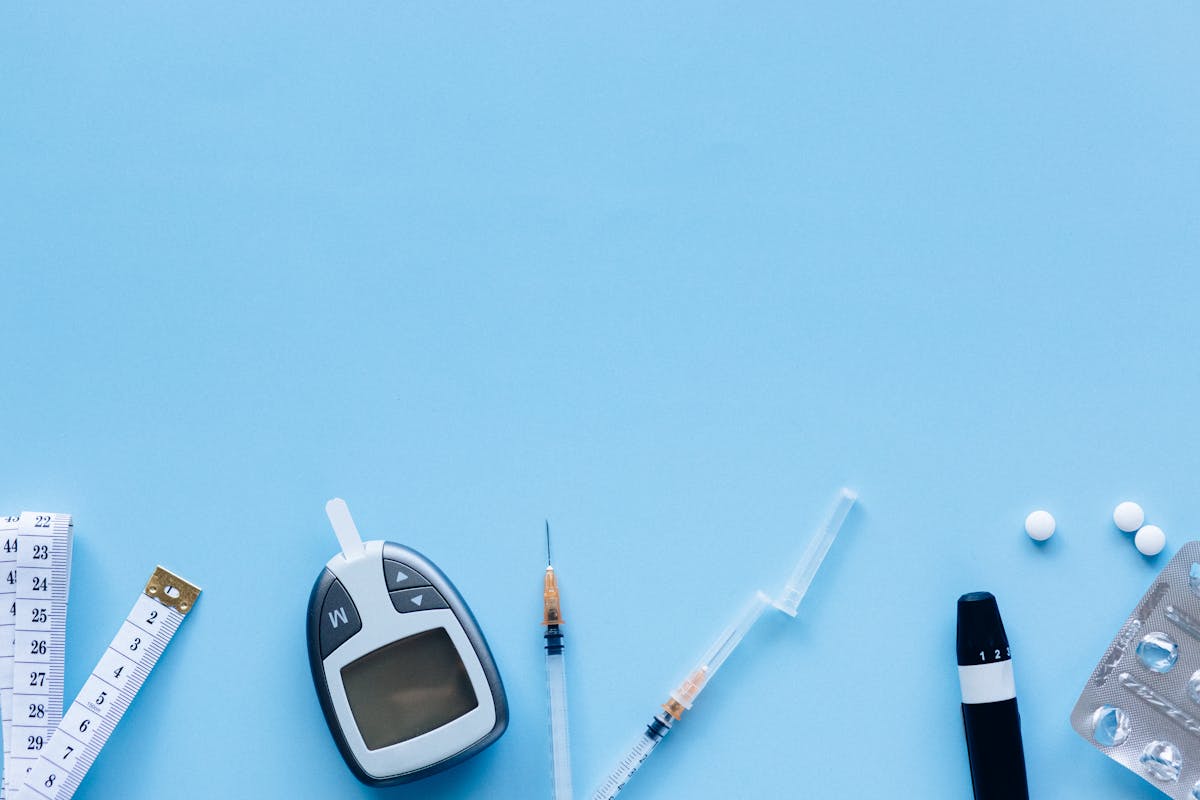
What Are GLP‑1 Drugs Like Ozempic and Wegovy?
GLP‑1 agonist medications—such as semaglutide (Ozempic, Wegovy) and tirzepatide (Mounjaro, Zepbound)—were originally developed to help manage type 2 diabetes. These drugs mimic or enhance the action of hormones that:
- Slow gastric emptying so food stays in the stomach longer.
- Reduce appetite and increase feelings of fullness.
- Help regulate blood sugar after meals.
For many people, this combination leads to substantial, often rapid weight loss. In clinical trials and real‑world use, some patients lose 10–20% or more of their body weight, which is why these medications are being called a new era in obesity treatment.
From Clinics to TikTok: The Cultural Explosion
Since around 2023, and even more so into 2025–2026, GLP‑1 drugs have taken over social feeds. On TikTok and Instagram, hashtags like #ozempic, #wegovy, and #ozempicweightloss have generated billions of views. You’ll find:
- Before‑and‑after transformations and “week by week” journey vlogs.
- “What I eat in a day on Ozempic” videos showing tiny portions or protein‑packed plates.
- Q&A clips from dietitians, doctors, and obesity specialists.
Celebrity rumors and confirmations—from actors to reality stars—have amplified the trend, often framing GLP‑1 drugs as a fast track to a certain kind of lean, sculpted “Ozempic body.” This visibility has helped reduce some stigma around medication‑assisted weight loss, but it’s also created new pressures and unrealistic expectations.

“Medication can change your appetite, but it doesn’t erase your relationship with food or your body. That part still deserves care, patience, and good information.”
The New Question: How Do You Eat When You’re Not Very Hungry?
One of the most striking parts of the GLP‑1 experience is appetite suppression. Many people report:
- Feeling full after just a few bites.
- Forgetting to eat meals they’d normally look forward to.
- Finding rich or greasy foods suddenly unappealing.
That can sound ideal if you’ve struggled with cravings, but it creates a nutrition puzzle: If you’re eating far fewer calories, each bite needs to carry more nutritional weight—especially protein, fiber, vitamins, and minerals.
Dietitians and doctors now share practical GLP‑1 nutrition strategies, such as:
- Prioritizing protein to protect muscle mass while weight is coming off.
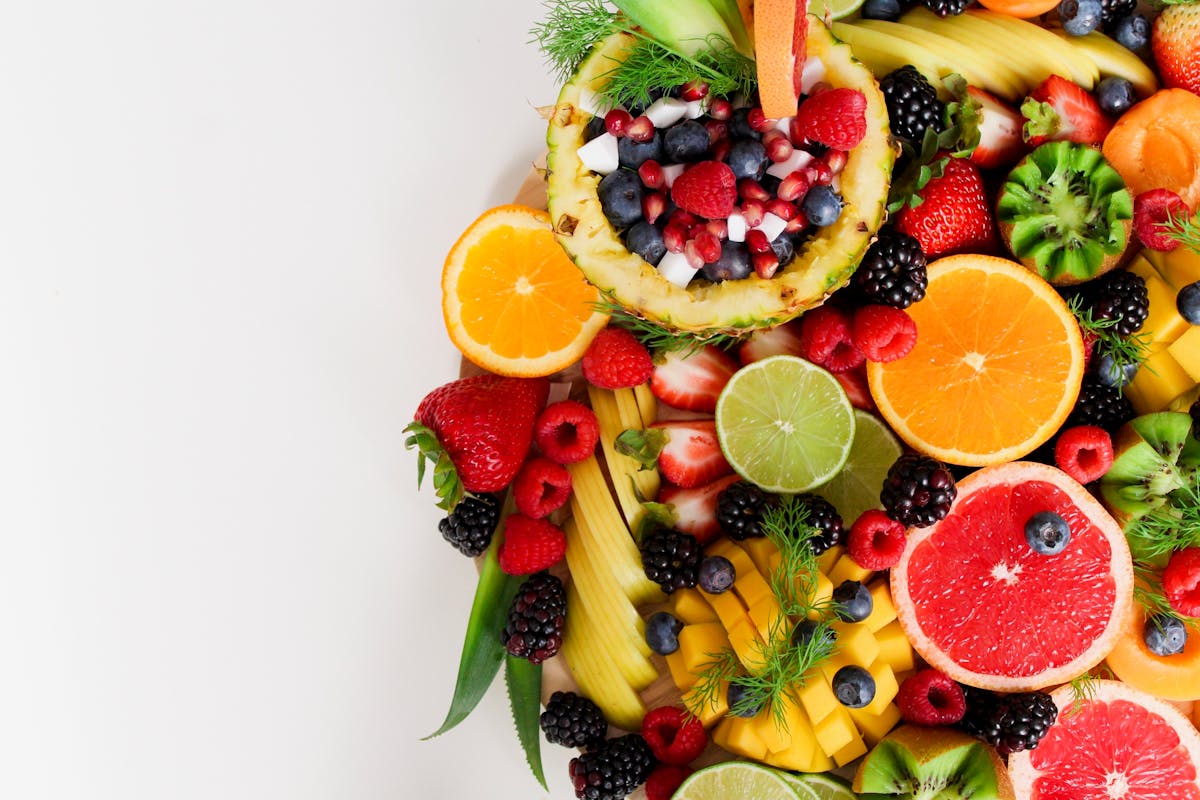
- Choosing nutrient‑dense foods like Greek yogurt, tofu, legumes, eggs, lean meats, vegetables, berries, nuts, and seeds.
- Eating smaller, more frequent meals to reduce nausea and reflux.
- Drinking enough fluids and adding fiber to prevent constipation.
Managing Common GLP‑1 Side Effects with Food
The same mechanisms that help with weight loss—slower digestion and reduced appetite—also lead to common side effects. The most frequently reported include:
- Nausea or queasiness, especially after larger meals.
- Constipation, sometimes alternating with loose stools.
- Reflux or a feeling of heaviness in the upper stomach.
Gentle, mindful eating patterns can make a big difference:
- Go slow and small: Eat slowly, chew thoroughly, and stop before you feel “stuffed.”
- Lower the fat load: High‑fat meals digest more slowly and can worsen nausea or reflux.
- Hydrate between meals: Sip water or herbal tea; avoid chugging large amounts during meals.
- Add gentle fiber: Oats, chia seeds, berries, and cooked vegetables support regularity.
Beyond the Plate: Ethics, Access, and Body Image
The GLP‑1 boom isn’t just a nutrition story—it’s a social, ethical, and economic one. Several key debates keep this topic in the spotlight:
- Access and equity: These medications are costly in many countries and not always covered by insurance, raising concerns that only wealthier patients can benefit.
- Supply for people with diabetes: Surging demand for weight loss has, at times, created shortages for people who rely on GLP‑1 drugs for blood sugar management.
- Body image and the “Ozempic body” ideal: Critics warn that glorifying a particular thin or “snatched” look reinforces harmful beauty standards.
- Long‑term safety and regain: Many people regain weight after discontinuing GLP‑1s, prompting questions about lifelong use, affordability, and the need for durable lifestyle support.
On YouTube and podcasts, obesity specialists, ethicists, and journalists unpack these issues in detail, emphasizing that weight is only one part of health—and that mental well‑being, access to care, and social determinants matter just as much.

The Rise of “Ozempic Diet Plans” and GLP‑1 Nutrition Content
Search engines and streaming platforms reflect just how curious people are about food on GLP‑1s. Terms like “Ozempic diet plan,” “what to eat on Wegovy,” and “Ozempic alternatives” remain highly popular on Google. Meanwhile:
- YouTube hosts in‑depth videos explaining GLP‑1 mechanisms and side effects.
- Podcasts on Spotify explore the future of obesity treatment and healthcare policy.
- Blogs and social posts share GLP‑1‑friendly meal ideas, grocery lists, and prep tips.
The most helpful content tends to focus on simple, sustainable habits rather than strict rules: balanced plates, gentle movement, protein‑forward snacks, and mechanisms for transitioning off medication without panic or shame.

Key Takeaways: GLP‑1 Medications and the Future of Dieting
GLP‑1 drugs like Ozempic, Wegovy, Mounjaro, and Zepbound are more than a pharmaceutical trend—they’re reshaping how people approach food, body image, and long‑term weight management. Some important points to hold onto:
- They can be powerful tools for both diabetes care and obesity treatment, but they’re not quick‑fix “magic shots.”
- Nutrition still matters deeply: protein, nutrient density, gentle digestion, and hydration become even more important when appetite is low.
- Social media is a double‑edged sword—full of both supportive communities and unrealistic “Ozempic body” ideals.
- Ethical questions about access, cost, and long‑term safety are central to the conversation.
- Compassion—for yourself and others—belongs at the center of any GLP‑1 journey.
Whether you’re on a GLP‑1 now, considering it, or simply curious about the hype, focusing on balanced, enjoyable eating and a kind relationship with your body will serve you far better than chasing any fleeting trend.
