
Why Measles Is Surging Again in the U.S. — And How South Carolina Is Fighting Back
Measles, a disease many people assumed was “gone,” is making an alarming comeback in the United States. South Carolina is now experiencing the country’s largest measles outbreak in decades, with 876 confirmed cases and related cases reported even in federal immigration detention facilities. At the same time, there are some hopeful signs: vaccination rates in the state have surged, and public health teams are working intensely to contain further spread.
If you’re feeling confused or anxious about what this outbreak means for you, your family, or your community, you’re not alone. This guide walks through what’s happening, why measles is spreading again, what the latest science tells us, and—most importantly—how you can stay protected without panic.

The Current Measles Situation in the U.S. and South Carolina
As of early February 2026, South Carolina has reported 876 confirmed measles cases, according to state health officials and coverage from NPR. This makes it one of the largest state-level measles outbreaks seen in the United States in several decades. Cases have also been identified in at least two ICE (Immigration and Customs Enforcement) detention facilities, underscoring how quickly measles can spread in crowded settings.
While this number is concerning, there are cautious signs of progress. South Carolina saw a significant surge in vaccinations in January, suggesting that many families and adults who were previously unvaccinated or under-vaccinated are now seeking protection. Public health departments are also:
- Tracing contacts of confirmed cases
- Offering free or low-cost MMR vaccines at clinics
- Sharing clear public guidance on symptoms and isolation
- Working with schools, childcare centers, and detention facilities to prevent further spread
Why Are Measles Cases Increasing Again?
Measles was declared eliminated from the U.S. in 2000, meaning there was no continuous, year-round transmission. So how did we get here?
- Pockets of low vaccination coverage
Measles needs about 95% community vaccination coverage to prevent spread. Some communities have fallen below this level, whether due to access issues, misinformation, or vaccine hesitancy. - Global travel and imported cases
Measles is still common in many parts of the world. Travelers who are unvaccinated or under-vaccinated can catch measles abroad and bring it back to the U.S., sparking outbreaks in under-protected communities. - Pandemic disruptions
During the COVID-19 pandemic, many routine childhood and adult vaccinations were delayed. Some families never caught up, leaving larger groups susceptible to measles. - Close-contact environments
Places where people live or spend time in close quarters—such as detention facilities, shelters, dormitories, and some workplaces—are especially vulnerable once the virus enters.
“Measles is so contagious that if one person has it, up to 9 out of 10 people around that person will also become infected if they are not protected.” — U.S. Centers for Disease Control and Prevention (CDC)
Measles 101: Symptoms, Risks, and How It Spreads

Measles is a viral illness that primarily affects the respiratory and immune systems. It can be especially dangerous for:
- Young children under 5 years
- Adults over 20
- Pregnant people
- Anyone with a weakened immune system
Common measles symptoms
Symptoms usually appear 7–14 days after exposure and can include:
- High fever (often 104°F / 40°C or higher)
- Cough, runny nose, and red, watery eyes
- Tiny white spots inside the mouth (Koplik spots)
- Red, blotchy rash that typically starts on the face and spreads downward
How measles spreads
Measles spreads through respiratory droplets when an infected person breathes, talks, coughs, or sneezes. The virus can:
- Remain in the air and on surfaces for up to 2 hours
- Infect others 4 days before the rash appears and up to 4 days after
The MMR Vaccine: Our Strongest Protection Against Measles
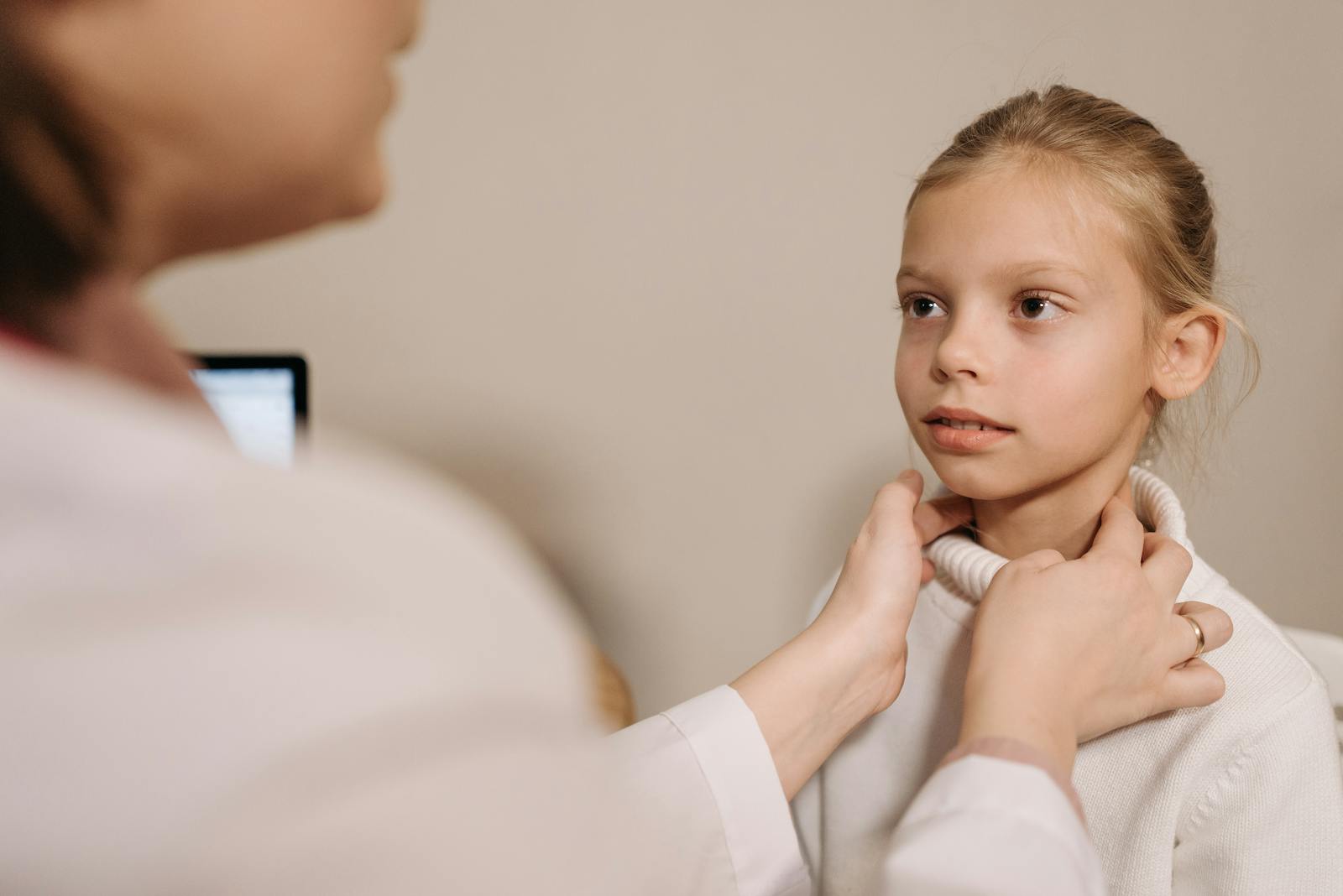
The MMR vaccine protects against measles, mumps, and rubella. It has been used for more than 50 years and is one of the most closely studied vaccines in the world.
How effective is the MMR vaccine?
- One dose is about 93% effective at preventing measles.
- Two doses are about 97% effective.
That means a fully vaccinated person is very unlikely to get measles, and if they do, the illness is often milder.
“Measles vaccination resulted in a 73% drop in measles deaths between 2000 and 2018 worldwide.” — World Health Organization (WHO)
Standard MMR vaccination schedule
- First dose at 12–15 months of age
- Second dose at 4–6 years of age
In an outbreak setting or before international travel, infants as young as 6 months may receive an early dose, with the routine doses still needed later.
What’s Happening in South Carolina’s Measles Outbreak?
According to reporting from NPR and state health updates, South Carolina’s current outbreak has reached 876 confirmed cases, affecting multiple counties and several types of settings, including at least two ICE detention facilities. This outbreak is being closely watched nationwide because:
- It is the largest measles outbreak in the U.S. in decades.
- It highlights how quickly measles can spread when vaccination coverage dips.
- It shows that institutional settings like detention centers can amplify transmission.
At the same time, health officials have noted a sharp rise in MMR vaccinations during January, as news of the outbreak spread and more families sought protection. Some clinics have extended hours, and local campaigns are actively reaching out to communities with lower vaccination rates.
A Real-World Example: “We Thought Measles Was Ancient History”
In interviews during the outbreak, several South Carolina parents shared a similar sentiment: they never thought they would hear about measles in their communities again.
One mother described how she had delayed her toddler’s second MMR dose because life was hectic—new job, childcare changes, and lingering worries from misinformation she saw online. When the local school district sent a notice that students without proof of measles immunity might have to stay home during the outbreak, she decided to revisit the issue.
After talking with a pediatrician she trusted, reviewing CDC materials, and hearing that several kids in a nearby county had been hospitalized, she booked an appointment the same week.
“I realized we weren’t just protecting our son—we were helping protect the baby next door who’s too young for her shots. That made the decision a lot clearer.”
Stories like this reflect a broader pattern: when people receive clear, compassionate information and see the real-world consequences of outbreaks, many feel more confident choosing vaccination.
How to Protect Yourself and Your Family from Measles
Whether you live in South Carolina or elsewhere in the U.S., the steps to protect yourself from measles are similar. Here’s a practical, evidence-based checklist.
1. Check your vaccination status
- Look for your or your child’s immunization record (often from your pediatrician, primary care provider, school, or state registry).
- If you cannot find records, your doctor may recommend blood tests or simply giving the MMR vaccine again—it’s safe to receive more than one course if needed.
2. Get up to date on MMR
Talk to your healthcare provider if:
- You are unsure whether you’ve had 1 or 2 MMR doses.
- You were born in 1957 or later and don’t know your vaccination history.
- You plan to travel internationally.
- You work in healthcare, education, childcare, or detention settings.
3. Know what to do if you’re exposed
- If health officials or a facility notify you that you’ve been exposed, follow their instructions carefully.
- Call your doctor before going in, so they can arrange a safe way to see you without exposing others.
- Some people may receive an emergency MMR dose or immune globulin within a specific time window after exposure—your provider will advise what’s appropriate.
4. Protect high-risk individuals
If there’s an outbreak in your community:
- Avoid unnecessary contact with unvaccinated infants, pregnant people, or immunocompromised individuals if you are feeling unwell.
- Consider postponing non-essential travel with very young or unvaccinated children.
Common Concerns About the Measles Vaccine—and Compassionate Answers
It’s understandable to have questions about any medical decision, including vaccination. Here are some of the most frequent concerns people share, along with what current evidence shows.
“I’m worried about side effects.”
Like any medication, vaccines can cause side effects, but serious reactions to MMR are rare. The most common effects are:
- Sore arm at the injection site
- Mild fever
- Temporary rash
Your doctor can help you weigh the known, small risks of vaccination against the much higher risks of measles infection itself.
“Didn’t I have measles as a kid?”
Many adults are unsure whether they had measles or just “a bad rash” when they were young. If you were born before 1957, you are likely immune. If you were born in 1957 or later and do not have documentation, your doctor may recommend MMR, especially during an outbreak or before travel.
“I don’t want to be pressured.”
Feeling pushed can understandably trigger resistance. A more helpful approach is an open, respectful conversation with a trusted clinician who:
- Listens to your specific worries
- Shares what’s known—and what’s not—about risks and benefits
- Supports you in making an informed decision for yourself and your family
Measles and Community Protection: Why Your Choice Matters

Measles is a powerful reminder that our health is deeply connected to the health of those around us. When vaccination rates fall, people who can’t be vaccinated—such as very young infants or individuals with certain medical conditions—are placed at greatest risk.
By staying up to date on the MMR vaccine, you:
- Protect yourself from a serious and sometimes life-threatening illness
- Help prevent outbreaks in schools, workplaces, and care facilities
- Shield vulnerable neighbors who rely on “herd immunity” to stay safe
“Vaccination is one of the few health choices we make that directly protects strangers we may never meet. It’s a quiet act of solidarity.”
Moving Forward: Calm, Informed, and Protected
The resurgence of measles in the U.S.—and especially the large outbreak in South Carolina—can feel unsettling. Yet, there is real reason for cautious optimism: we are not powerless. We have a safe, effective vaccine, decades of experience managing outbreaks, and growing public awareness that measles is still a threat when we let our guard down.
You don’t have to become a public health expert to make a difference. Focusing on a few concrete steps is enough.
Your next steps
- Check your and your family’s vaccination records this week.
- Schedule MMR catch-up shots if you’re unsure or know you’re behind.
- Save trusted links (like CDC and your state health department) so you know where to look when new headlines appear.
- Share accurate information with friends and relatives who might be hearing conflicting messages.
If you’re ready, consider calling your clinic today to ask about MMR vaccination or measles exposure guidance in your area. Small actions, taken by many people, are how outbreaks end.
