
Urgent Measles Alert in Collegeville: What You Need to Know to Stay Safe
Health officials have issued a measles exposure warning in Collegeville, Pennsylvania, after a traveler who passed through Montgomery County tested positive. If you live, work, or study in the area, it’s completely understandable to feel worried or unsure about what to do next.
This article will walk you through what this measles alert really means, how measles spreads, who is most at risk, and the practical steps you can take today to protect yourself and those around you—without panic and without guesswork.
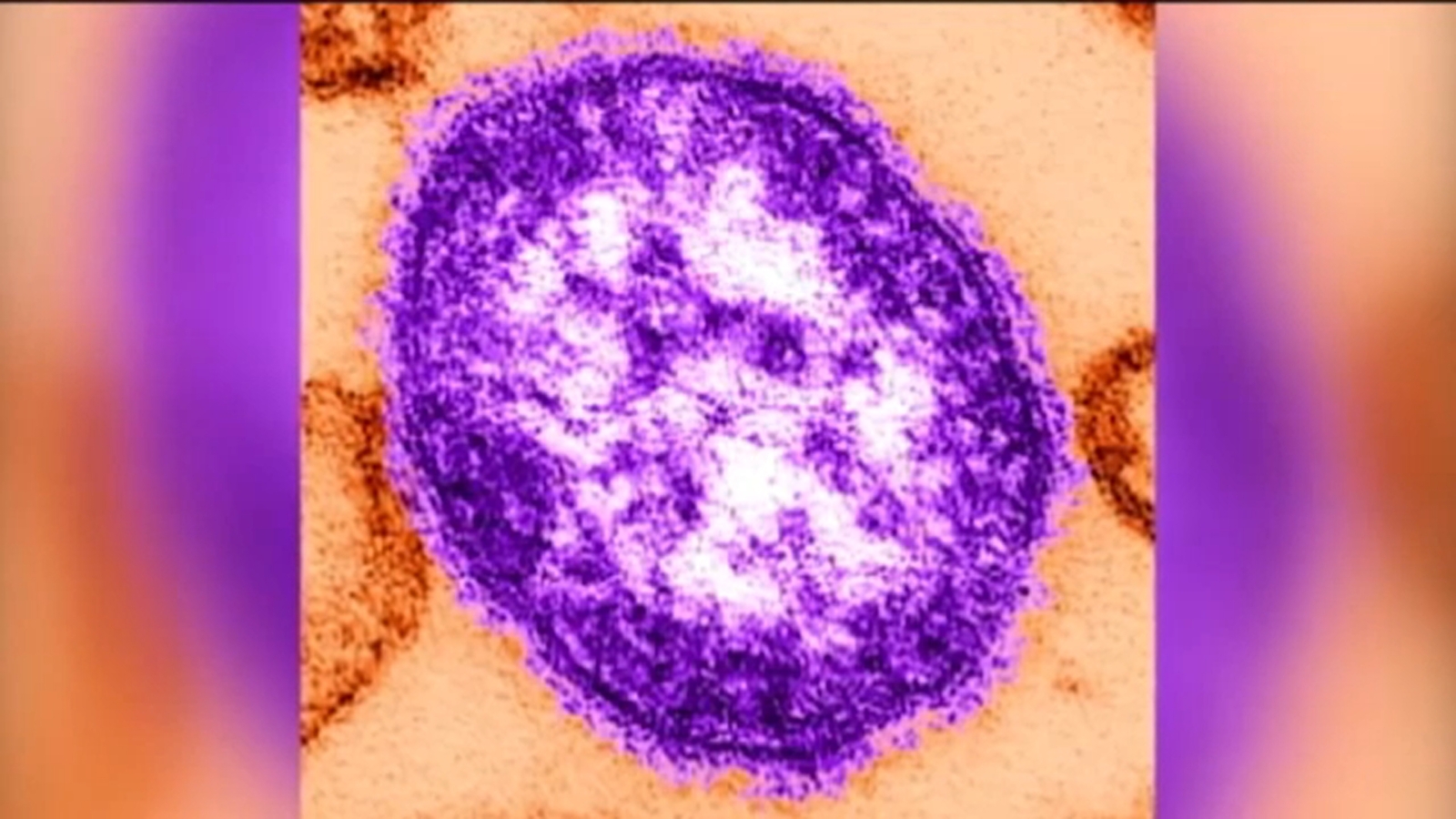
You’ll find evidence‑based guidance drawn from trusted organizations like the Centers for Disease Control and Prevention (CDC) and the World Health Organization (WHO), along with realistic, step‑by‑step actions you can actually follow.
What’s Happening in Collegeville, PA Right Now?
Local health officials have confirmed that an individual who recently traveled through Montgomery County—including the Collegeville area—has tested positive for measles. During the period when they were contagious, they may have visited public places, potentially exposing others.
Typically, when this kind of alert is issued, health departments will:
- List the specific locations (such as stores, medical offices, public transit) where exposure may have occurred.
- Specify the dates and times when the person with measles was present.
- Provide recommendations for what people who were in those places should do next.
Because details evolve quickly, always refer directly to your local health department’s website. For Montgomery County, you can check the latest updates on the Montgomery County, PA official site.
“Most people in the U.S. who get measles are unvaccinated. Measles can be serious, especially for young children, but it is preventable with a safe and effective vaccine.”
— Centers for Disease Control and Prevention (CDC)
Measles 101: What It Is and Why It Spreads So Easily
Measles is a highly contagious viral infection that primarily affects the respiratory system. It’s not just a “childhood rash”; it can lead to serious complications, especially in infants, pregnant people, and those with weakened immune systems.
Common measles symptoms
According to the CDC, symptoms usually appear 7–14 days after exposure and can include:
- High fever
- Cough
- Runny nose
- Red, watery eyes (conjunctivitis)
- Tiny white spots inside the mouth (Koplik spots)
- A red, blotchy rash that typically starts on the face and spreads downward
How measles spreads
Measles spreads through respiratory droplets and aerosols when an infected person breathes, coughs, or sneezes. The virus can remain in the air and on surfaces for up to two hours after the person has left the area.
Who Is Most at Risk from the Collegeville Measles Exposure?
Not everyone who was in Collegeville during the exposure window has the same level of risk. Your risk depends largely on your vaccination status, age, and health conditions.
Higher‑risk groups
- Infants under 12 months who are too young to receive the routine MMR vaccine.
- People who have never received measles vaccination (MMR) or are unsure of their status.
- Individuals with weakened immune systems (e.g., from cancer treatment, advanced HIV, or certain medications).
- Pregnant people who are not immune to measles.
Lower‑risk groups
If you’ve had two documented doses of the MMR vaccine (usually given in childhood) or a lab test confirming immunity, your risk of getting measles from this exposure is significantly reduced, though no vaccine is 100% effective.

Step‑by‑Step: What to Do If You May Have Been Exposed in Collegeville
It’s natural to want a clear checklist in situations like this. The following steps are based on CDC and typical local health department recommendations. Always follow the specific advice issued by Montgomery County health officials and your own clinician.
- Find the official exposure locations and times.
Visit the Montgomery County website or local news outlets for the list of affected locations. Compare those with your own movements over the same dates and times. - Review your vaccination records.
Check your patient portal, immunization card, or contact your doctor or pediatrician. You’re best protected if you’ve had:- Two doses of MMR vaccine (for most adults and children), or
- A blood test that shows measles immunity.
- Call your healthcare provider before visiting.
If you think you were exposed, contact your provider or local health department. Describe:- Where and when you may have been exposed.
- Your vaccination status (if known).
- Any current symptoms (fever, cough, rash, etc.).
- Monitor yourself (and your family) for 21 days.
Measles symptoms can appear up to three weeks after exposure. Take your temperature if you feel unwell, and look out for early signs such as fever, runny nose, and red eyes. - Stay home and isolate if symptoms appear.
If you develop fever and rash, stay home and contact your doctor or emergency care by phone first. Avoid public transportation and crowded places until you’ve received medical advice. - Consider post‑exposure protection (time‑sensitive).
In some cases, people who are not immune can receive:- MMR vaccine within 72 hours of exposure, or
- Immune globulin (IG) within six days of exposure for certain high‑risk groups.
Preventing Measles Going Forward: Vaccination and Everyday Habits
While the Collegeville alert is understandably alarming, it’s also an opportunity to strengthen long‑term community protection. The cornerstone of measles prevention is vaccination, supported by sensible hygiene practices.

MMR vaccination basics
- Routine schedule for children: First dose at 12–15 months; second dose at 4–6 years (per CDC guidelines).
- Adults: Many adults born after 1956 need at least one dose; certain groups (college students, healthcare workers, international travelers) may need two doses.
- Born before 1957: Many are considered likely to be immune because measles was widespread then, but clinical guidance may vary.
Supportive everyday habits
While they cannot replace vaccination, these measures can reduce respiratory infection spread in general:
- Staying home when you’re ill with fever and rash until cleared by a clinician.
- Covering coughs and sneezes with a tissue or elbow.
- Washing hands regularly with soap and water or using alcohol‑based hand sanitizer.
- Improving ventilation (open windows when safe, use air purifiers where appropriate).
Common Concerns and Obstacles (and How to Work Through Them)
In real life, following public health advice isn’t always straightforward. You may be facing practical, emotional, or informational barriers. Acknowledging these honestly can make it easier to address them.
“I’m not sure if I’m vaccinated and can’t find my records.”
- Call your childhood doctor or pediatrician if possible—they may still have records.
- Check your state immunization registry; many states allow patients to request records.
- If records truly can’t be found, your provider may order a blood test to check immunity or recommend vaccination.
“I’m worried about side effects from the MMR vaccine.”
Mild side effects like soreness at the injection site or a low‑grade fever can occur. Serious side effects are rare, but your provider can review your specific medical history and discuss the risk–benefit balance with you in detail, using up‑to‑date safety data.
“Taking time off work or school is hard.”
Isolation or medical visits can be disruptive, but they also help prevent larger outbreaks that can cause even more missed days across the community. If you’re anxious about this, consider:
- Talking with your employer or school about the public health alert and providing documentation from your provider.
- Exploring remote options (where possible) during monitoring or isolation.
- Asking your provider for clear dates and written guidance to share with work or school.
“During a measles exposure a few years ago, one Collegeville family I worked with felt overwhelmed at first. Once we walked through their records, we discovered both children were fully vaccinated, and we focused on simple symptom monitoring instead of panic. Clear information changed everything for them.”
— Family medicine clinician, Montgomery County (case scenario adapted for privacy)
Quick Visual Guide: Measles Exposure vs. Protection
The following simplified “before and after” comparison illustrates how taking a few key steps can change your risk profile after a community measles alert like the one in Collegeville.
Before taking action
- Unsure of exposure risk.
- Don’t know vaccination status.
- High anxiety, easy to spread rumors or misinformation.
- No clear plan if symptoms appear.
After taking action
- Know whether you were at an exposure site.
- Have clarified vaccination status with records or your provider.
- Monitoring for symptoms with a clear timeframe.
- Have a phone number and plan ready if symptoms appear.
Trusted Resources for the Collegeville Measles Alert
For the most accurate and current information about this specific situation, always rely on official public health sources rather than social media rumors.
- Montgomery County, PA – Official Website (look for health or measles alert updates)
- CDC – Measles (Rubeola)
- CDC – Measles, Mumps, Rubella (MMR) Vaccine Information
- WHO – Measles Fact Sheet
Moving Forward: Stay Informed, Not Afraid
A measles exposure alert in your own community—like the one in Collegeville, Pennsylvania—can feel unsettling, especially when you’re trying to protect children, older family members, or anyone with fragile health. Your concern is valid, and it’s shared by many of your neighbors.
The good news is that you’re not powerless. By confirming whether you were at any listed exposure sites, checking your vaccination records, monitoring for symptoms, and leaning on trusted medical guidance, you transform anxiety into informed action.

If you’re in or near Collegeville today, consider taking one small step right now:
- Look up the latest Montgomery County measles update, or
- Log into your patient portal and check your MMR vaccination history, or
- Jot down your questions to ask your doctor or pediatrician.
Those few minutes can bring you clarity, lower your stress, and help keep your family—and your community—safer during this measles exposure alert.
