
Why Experts Warn Against Raw Milk: What Parents Need to Know After the New Mexico Listeria Tragedy
Raw Milk, Viral Myths, and a New Mexico Baby’s Death: What You Need to Know Now
When a baby in New Mexico recently died from a listeria infection linked to raw milk, many parents and caregivers were left wondering: “Could this happen to my family?” At the same time, social media continues to promote raw milk as “liquid gold,” promising better immunity, easier digestion, and more “natural” nutrition. It’s an emotionally confusing place to be—torn between wanting the very best for your family and trying to make sense of conflicting health advice.
In this guide, we’ll walk through what experts are warning after the New Mexico case, what the science actually says about raw vs. pasteurised milk, and how you can protect yourself and your family without feeling scared or overwhelmed. You’ll see both the hard data and practical, real-world steps you can start taking today.
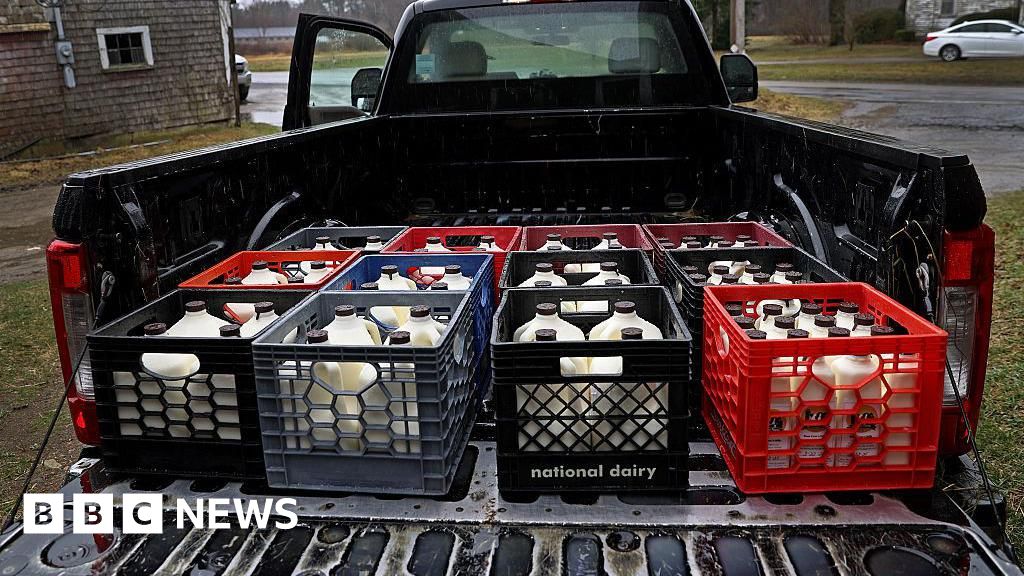
“No matter how carefully it is produced, raw milk can carry dangerous germs that pasteurisation would otherwise eliminate. For infants, pregnant people, older adults, and those with weakened immune systems, the risk can be life-threatening.”
What Happened in New Mexico—and Why Experts Are Alarmed
According to recent reports from the New Mexico Department of Health and coverage by the BBC, a baby in New Mexico died after contracting listeriosis, a serious infection caused by the bacterium Listeria monocytogenes. The infection was linked back to consumption of raw (unpasteurised) milk.
In response, New Mexico health officials re‑emphasised that raw milk can contain a range of dangerous pathogens, including:
- Listeria monocytogenes – can cause miscarriage, stillbirth, or death in newborns.
- Avian influenza (bird flu) – detected in some dairy herds in recent outbreaks.
- Brucella – can cause chronic, debilitating illness.
- Mycobacterium bovis (a cause of tuberculosis in cattle).
- Salmonella, Campylobacter, Cryptosporidium, and E. coli – frequent causes of severe diarrhoea, kidney damage, and hospitalisation.
While most healthy adults survive these infections, they can be catastrophic for infants and vulnerable people. That’s what makes the New Mexico baby’s death so heartbreaking—and, according to experts, largely preventable.
Raw Milk vs. Pasteurised Milk: Clearing Up the Confusion
Raw milk is milk that has not been heat-treated to kill harmful pathogens. Pasteurised milk has been quickly heated and cooled to a specific temperature to dramatically reduce the number of disease‑causing germs.
Why people are drawn to raw milk
Many raw milk supporters say they feel:
- Suspicious of “industrial” food processing.
- Drawn to “natural” and minimally processed products.
- Convinced by personal stories shared on social media.
- Hopeful that raw milk might help with digestion, skin, or allergies.
Those desires—to eat more naturally and feel better in your body—are completely understandable. The problem is that most claimed benefits of raw milk are not backed by strong scientific evidence, while the risks are very well documented.
What the research says
- Large reviews from organisations like the US CDC and FDA conclude that raw milk does not offer proven health benefits compared with pasteurised milk.
- Multiple outbreak investigations show that raw milk is one of the riskiest everyday foods when it comes to severe foodborne illness, especially for children.
- Pasteurisation does not significantly reduce calcium, protein, or overall vitamin content; some heat‑sensitive vitamins may drop slightly, but not enough to outweigh safety benefits.
The Hidden Pathogens in Raw Milk: Why “Clean Farms” Aren’t Enough
Even on small, carefully run farms, cows can quietly shed harmful germs into their milk. You can’t see, smell, or taste these pathogens, and routine farm testing can miss them. That’s why public health agencies repeatedly stress that no raw milk is completely “safe” by inspection alone.
Key pathogens found in raw milk
- Listeria monocytogenes
Can grow even at refrigerator temperatures; particularly dangerous for:- Pregnant people and their unborn babies.
- Newborns and infants.
- Older adults and immunocompromised individuals.
- Shiga toxin–producing E. coli (like O157:H7)
Can cause bloody diarrhoea and kidney failure (HUS), especially in young children. - Campylobacter and Salmonella
Common causes of severe gastroenteritis, leading to dehydration and hospitalisation. - Brucella
Causes brucellosis, a long‑lasting illness with fever, joint pain, and fatigue. - Mycobacterium bovis
A form of tuberculosis that can be transmitted from cattle to humans. - Avian influenza (bird flu)
Recent outbreaks have shown bird flu viruses in some dairy herds, raising concerns about raw milk transmission.

“You can’t ‘see’ safety. A perfectly clear, fresh‑smelling bottle of raw milk can still carry enough bacteria to put a child in the intensive care unit.”
Who Is Most at Risk from Raw Milk?
Foodborne infections can harm anyone, but some groups are much more likely to become seriously ill from pathogens found in raw milk.
- Infants and young children – underdeveloped immune systems; higher risk of dehydration and kidney damage.
- Pregnant people – listeria can cause miscarriage, stillbirth, or severe newborn infection.
- Older adults (65+) – less robust immune response; higher rates of complications.
- People with weakened immune systems – including those with cancer, HIV, diabetes, or on immune‑suppressing medications.
Raw Milk Myths vs. Facts: Sorting Social Media Claims from Science
Myth 1: “Raw milk boosts immunity.”
Supporters often claim that raw milk contains living enzymes and beneficial bacteria that strengthen the immune system.
Reality: High‑quality evidence that raw milk improves immunity in humans is lacking. Any potential minor benefit from naturally occurring bacteria is outweighed by the well‑documented risk of dangerous infections.
Myth 2: “Pasteurisation destroys all the nutrients.”
It’s often said that heating milk makes it “nutritionally dead.”
Reality: Pasteurisation involves brief heating, which does not significantly affect protein, calcium, or overall vitamin levels. Some heat‑sensitive vitamins (like vitamin C) decrease slightly, but milk is not a major source of these anyway.
Myth 3: “Raw milk is safe if the farm is clean and trustworthy.”
Many families rely on small local farms they know personally and feel confident in the animals’ care.
Reality: Even on exemplary farms, cows can carry pathogens without any visible sign of illness. Cleanliness reduces contamination, but it does not remove risk the way pasteurisation does.
Myth 4: “I’ve been drinking raw milk for years and I’m fine.”
Personal stories are powerful—and they’re all over social media.
Reality: Risk doesn’t mean certainty. Many people drive without seatbelts and survive—but that doesn’t make it safe. Outbreak investigations repeatedly show that when people do get sick from raw milk, the consequences can be severe, especially for children.
A Real-World Story: From Raw Milk Advocate to Cautious Parent
Several years ago, I spoke with a family (we’ll call them the Martins) who had enthusiastically switched to raw milk after hearing it could help their child’s eczema. At first, nothing bad happened. Then, one winter, their 4‑year‑old developed severe diarrhoea, vomiting, and abdominal pain. They assumed it was “just a stomach bug”—until he stopped urinating and became extremely lethargic.
In the hospital, tests revealed an infection with Shiga toxin–producing E. coli, likely linked to raw milk from their usual supplier. He developed early signs of kidney complications and required several days of intensive monitoring. Thankfully, he recovered—but his parents were shaken.
“We thought we were doing something extra healthy. No one explained the risks this clearly before. Looking back, we’d never take that gamble again—especially not with our kids.”
Their story isn’t meant to scare you—it’s to highlight how well‑intentioned choices, made in good faith, can still carry hidden risks when the full picture isn’t clear.
Practical Steps to Keep Your Family Safe Around Milk
If you’re feeling torn between raw milk marketing and public health warnings, you’re not alone. Here’s how to protect your household while still enjoying dairy if you choose to.
1. Choose pasteurised products, especially for high‑risk groups
- Buy milk, cheese, yoghurt, and cream that clearly state “pasteurised” on the label.
- Avoid soft cheeses made from raw milk (like some bries or queso fresco) if you are pregnant or immunocompromised.
- For babies under 1 year, follow your paediatrician’s guidance on breast milk, formula, and when to introduce cow’s milk.
2. If you currently drink raw milk, reduce risk step by step
If you or your family are already using raw milk, abrupt changes can feel overwhelming. Consider:
- Immediately stop giving raw milk to children, pregnant people, and anyone with a weak immune system.
- Gradually substitute raw milk with high‑quality pasteurised options for others in the household.
- Discuss your situation with a healthcare professional, especially if anyone has had recent digestive illness.
3. Store and handle milk safely
- Keep milk at or below 4°C (40°F).
- Return milk to the fridge promptly after use.
- Don’t drink milk past its “use by” date.
- Clean bottles, cups, and preparation surfaces thoroughly.

Common Questions About Raw Milk and Safety
“Is raw milk ever recommended by doctors?”
No major medical or public health organisation currently recommends raw milk. Groups like the CDC, FDA, and World Health Organization consistently advise against its use, particularly for high‑risk individuals.
“Does boiling raw milk at home make it safe?”
Heating raw milk to a full boil can kill many bacteria, but home methods are not as controlled or reliable as commercial pasteurisation. There is still risk if the process is uneven or the milk is re‑contaminated afterward. The safest option remains buying milk that has been professionally pasteurised and handled under strict conditions.
“What about raw milk cheeses?”
Some countries allow certain aged raw milk cheeses under strict regulations, as ageing can reduce specific pathogens. However, soft, fresh cheeses made from raw milk are particularly risky and are strongly discouraged for pregnant people and others at high risk. Always check labels and when in doubt, choose pasteurised.
Feeling Overwhelmed or Guilty? You’re Not Alone
If you’ve given your family raw milk in the past, reading about tragedies like the New Mexico baby’s death can stir up intense guilt or fear. It’s important to remember:
- You made decisions with the information you had at the time.
- Marketing and social media can make raw milk seem safer than it is.
- What matters most now is what you choose to do going forward.
You don’t need to panic or blame yourself. Instead, you can use this moment—hard as it is—as a chance to update your approach based on clearer, more complete information.
Moving Forward: Informed, Balanced Choices About Milk
The New Mexico baby’s death from listeria is a painful reminder that “natural” doesn’t always mean safe. Raw milk can look wholesome and be promoted passionately online, yet still carry invisible germs capable of causing life‑threatening illness—especially in the youngest and most vulnerable among us.
You don’t need to fear every food you eat. But when it comes to milk, you do have a clear, practical choice:
- Enjoy the nutrition and comfort of dairy through pasteurised products.
- Protect your family—especially babies, pregnant people, older adults, and anyone with a weaker immune system—by avoiding raw milk and raw milk cheeses.
- Stay curious and critical about health claims you see on social media, looking for evidence from trusted, independent sources.
If you’re unsure what’s best for your specific situation, a conversation with your family doctor, paediatrician, or registered dietitian can help you weigh the options calmly and confidently.
Your next step today: Check the labels on the milk and dairy products in your home. If any are raw or unpasteurised, especially those used by children or pregnant family members, consider replacing them with pasteurised options on your next grocery trip.
