
Why Gut-Healthy Eating Is Exploding: Ferments, Fiber & the Microbiome Explained
The rise of “gut health” eating has turned once-niche favorites like kimchi, kefir, and sauerkraut into supermarket stars. All over TikTok, YouTube, and Instagram, home cooks are layering fiber-rich bowls, sipping fizzy kombucha, and talking lovingly about their microbiome—as if it were a tiny garden living inside them (which, in many ways, it is).
This warm, food-first approach to gut health is reshaping how we plan meals. Instead of obsessing over calories alone, more people are asking, “Will this feed my gut microbes?” The answer often leads toward colorful plants, fermented foods, and satisfying, high-fiber dishes that feel as comforting as they are nourishing.

From Niche Trend to Everyday Gut Health Obsession
In just a few years, gut health has gone from fringe wellness chatter to a full-blown mainstream food trend. Search data from platforms like Google and TikTok continues to show steady growth in queries for:
- “gut health diet” and “microbiome foods”
- “fermented foods for digestion”
- “probiotic vs prebiotic”
- “what I eat in a day for gut health”
Influencers and home cooks share “gut-reset” challenges, rainbow salads, and overnight oats loaded with seeds and fruit. At the same time, researchers and dietitians appear on podcasts and long-form videos to explain how our microbial passengers may influence digestion, immunity, weight regulation, skin health, and even mood via the gut–brain axis.
Instead of one “perfect gut diet,” the emerging message is refreshingly simple: more plants, more fiber, more ferments, fewer ultra-processed foods.
The Microbiome 101: Why Your Gut Is Suddenly a Star
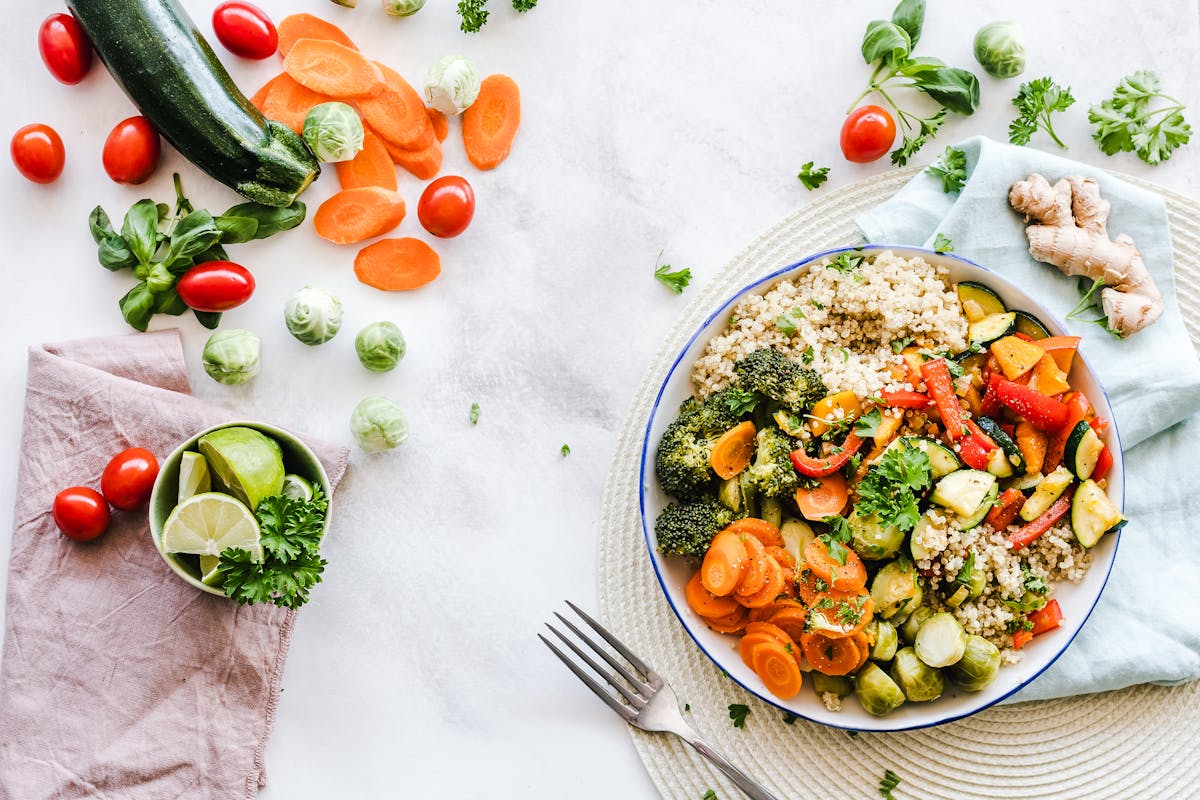
Deep in your digestive tract lives a bustling ecosystem of trillions of microbes—bacteria, fungi, and other tiny organisms—known as the gut microbiome. Think of it as a busy neighborhood that helps you:
- Break down fibers you can’t digest on your own
- Produce short-chain fatty acids that help protect the gut lining
- Support immune function and regulate inflammation
- Communicate with your brain via the gut–brain axis, influencing mood and stress responses
No two microbiomes are exactly alike, and researchers are still uncovering how different species affect conditions like IBS, metabolic health, and mental well-being. What most experts agree on, though, is that diversity matters: a more varied community of microbes is often linked with better health markers.

Fermented Foods: Everyday Probiotic Powerhouses
Fermented foods are at the heart of gut-health eating. Long before “probiotic” became a buzzword, cultures around the world used fermentation to preserve food and develop craveable sour, tangy flavors:
- Yogurt & kefir – creamy, slightly tangy dairy or non-dairy drinks with live cultures
- Kimchi – spicy, garlicky Korean fermented vegetables
- Sauerkraut – finely shredded, pleasantly sour cabbage common in Central and Eastern Europe
- Miso & tempeh – fermented soy products rich in umami, staples in Japanese and Indonesian cooking
- Kombucha – lightly fizzy, tart tea fermented with a SCOBY (symbiotic culture of bacteria and yeast)
For home cooks, the magic of fermented foods is two-fold: they add live probiotic microbes and they bring layers of flavor—tang, funk, fizz—that make even simple meals feel special. A spoonful of kimchi can transform plain rice; a dollop of yogurt can mellow a spicy stew.

Prebiotic Fiber: Feeding Your Friendly Gut Microbes
If probiotic foods bring beneficial microbes to the party, prebiotics set the table and cook them a feast. Prebiotics are types of fiber that your body can’t digest, but your gut microbes adore. When they ferment these fibers, they produce compounds that may support gut barrier function and reduce inflammation.
Common prebiotic-rich foods include:
- Alliums: onions, garlic, leeks
- Vegetables: asparagus, Jerusalem artichokes
- Fruits: bananas (especially slightly green), apples, pears
- Whole grains: oats, barley, rye
- Legumes: chickpeas, lentils, beans
- Nuts & seeds: flaxseeds, almonds, pistachios
One of the simplest gut-friendly shifts you can make is building meals around these ingredients: think garlicky lentil soups, oat and barley porridges, chickpea salads, and banana-topped yogurt bowls.
Plant Diversity: The “30 Plants a Week” Microbiome Challenge
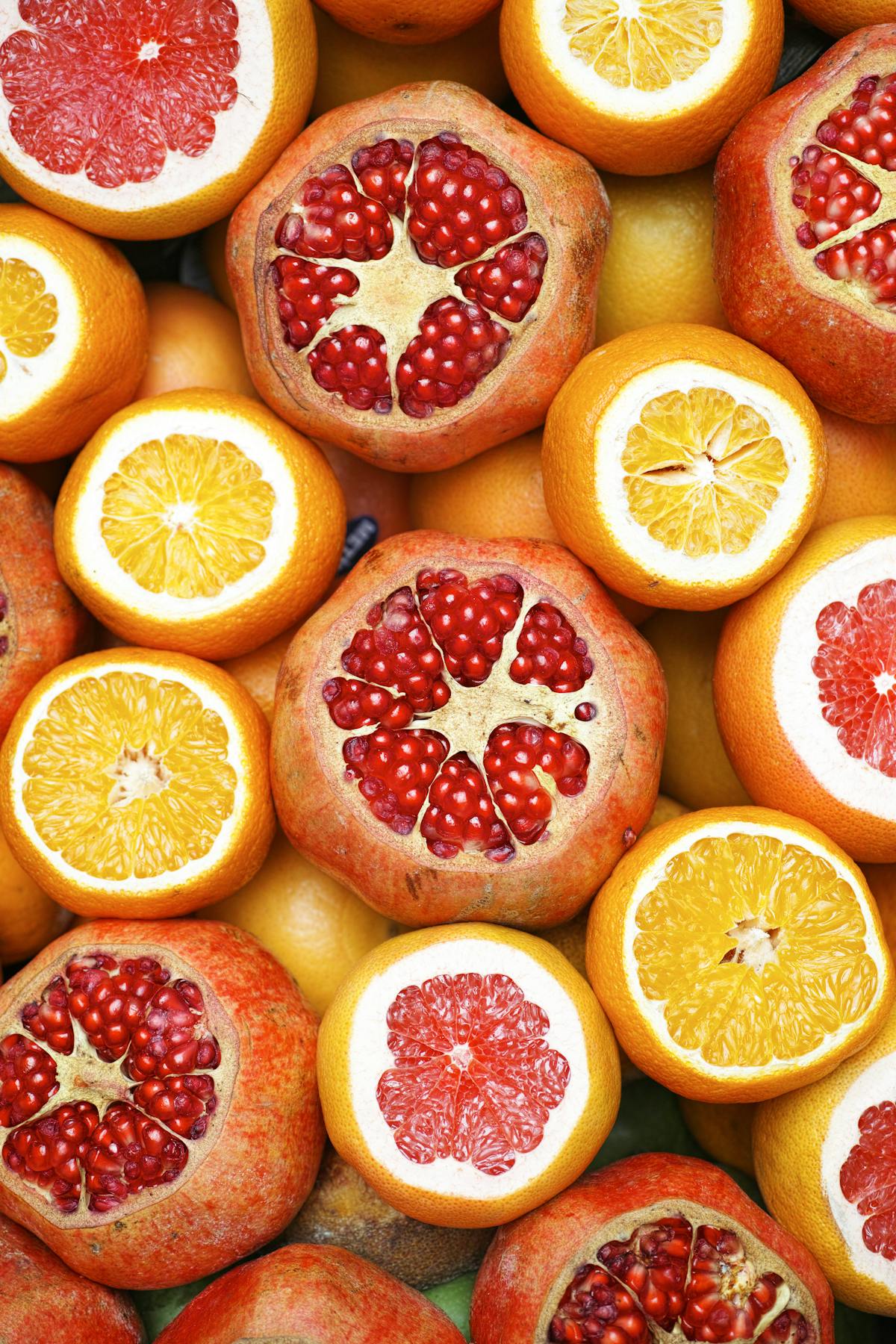
Among gut health enthusiasts, one number comes up again and again: 30. Some nutrition researchers and dietitians encourage aiming for about 20–30 different plant foods per week. This isn’t a hard rule, but a playful, practical way to boost diversity in your diet—and, potentially, in your microbiome.
Every distinct plant counts:
- Vegetables (e.g., carrots, spinach, broccoli, bell peppers)
- Fruits (e.g., berries, apples, oranges, kiwis)
- Whole grains (e.g., oats, quinoa, brown rice, barley)
- Legumes (e.g., lentils, chickpeas, kidney beans)
- Nuts & seeds (e.g., walnuts, chia, pumpkin seeds)
- Herbs & spices (e.g., basil, cilantro, turmeric, cumin)
This approach turns meals into a gentle game: can you sprinkle chopped herbs on your eggs, toss mixed seeds over your salad, or swap plain rice for a two-grain blend? Over a week, those small choices really add up.
Cutting Back on Ultra-Processed Foods and Gut Disruptors
Alongside the push for more plants and ferments, gut-conscious eaters are also rethinking certain modern staples. Ultra-processed foods—often high in refined starches, added sugars, and industrial fats—tend to be low in fiber and may not give your microbes much to work with.
On social media, people frequently call out:
- Ultra-processed snacks and ready meals with long ingredient lists
- Excessive alcohol intake
- Some artificial sweeteners (research is still evolving and nuanced)
The science here is still developing and often more complex than online soundbites suggest. But most health organizations already recommend limiting ultra-processed foods, not just for gut reasons but for overall health.
Beyond the Plate: Gut Health, Stress, Sleep & Movement
Many gut-health routines now blend food with lifestyle practices. Influencers and wellness experts talk about nurturing the gut–brain axis by pairing high-fiber, probiotic-rich meals with:
- Stress reduction – breathwork, meditation, journaling, or even a quiet cup of tea
- Gentle movement – walking, yoga, or stretching to stimulate digestion
- Consistent sleep – regular bedtimes may help regulate gut rhythms
While we’re still learning exactly how these factors interact with the microbiome, anyone who’s felt a “nervous stomach” knows that mind and gut are deeply connected. A calm, well-rested body tends to digest more comfortably.

Recipe: Gut-Loving Fermented Veggie & Fiber Bowl
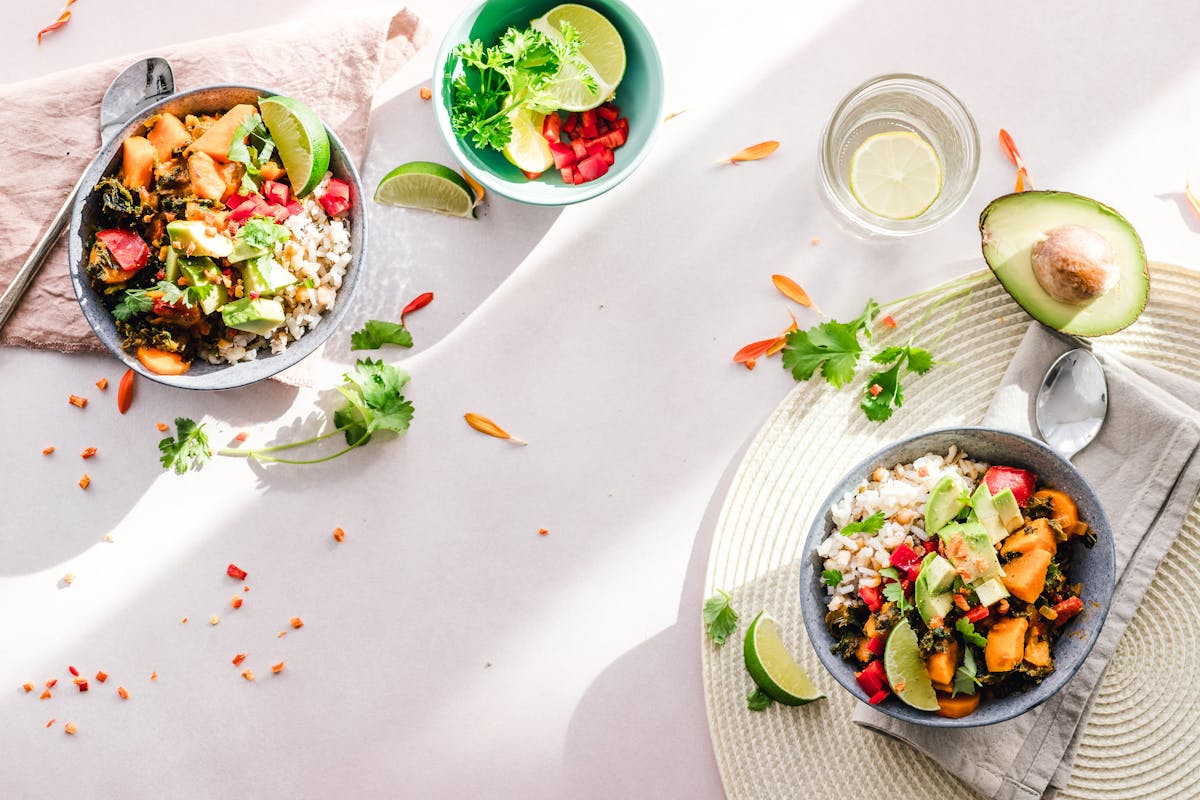
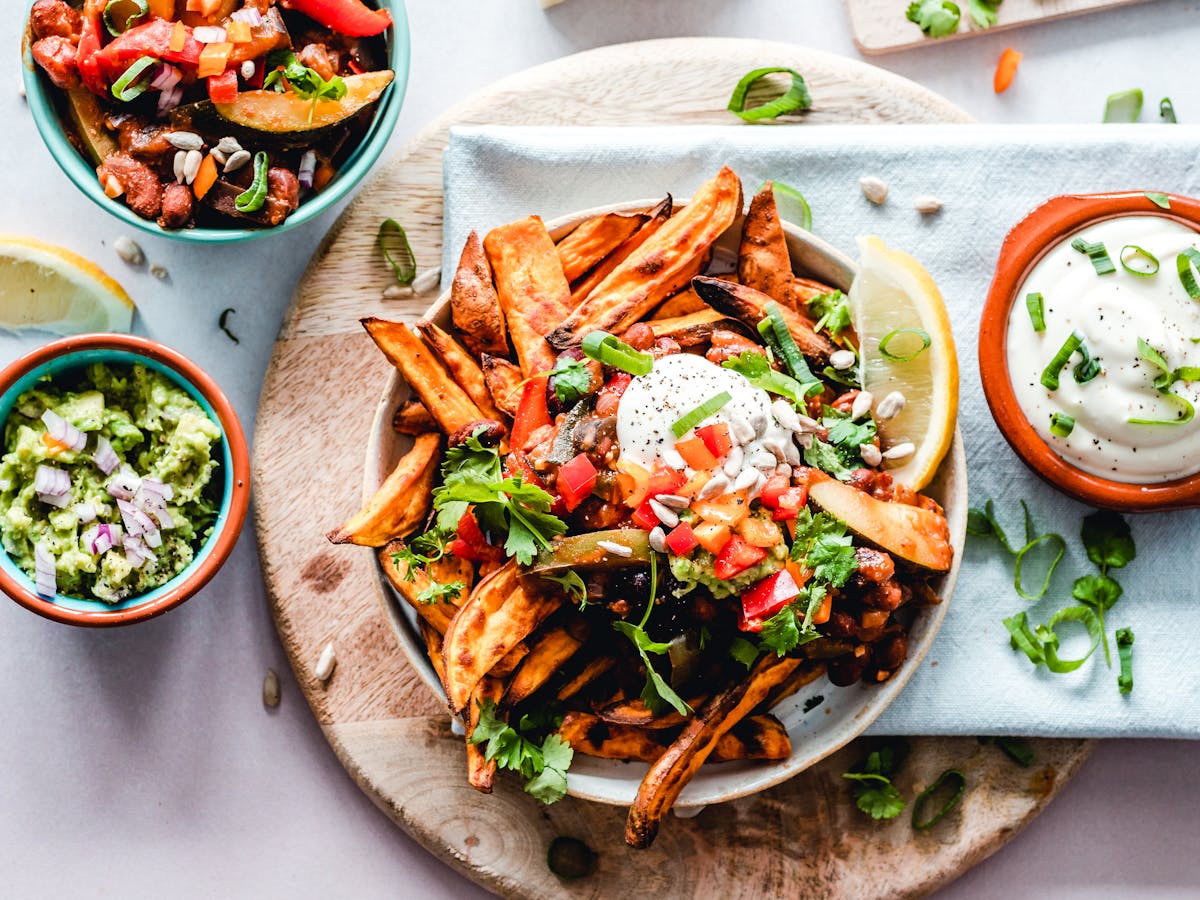
To bring all these ideas to life, here’s a vibrant, customizable bowl that layers fermented vegetables, prebiotic fibers, and plant diversity. It’s cozy yet bright: warm grains and beans, cool crunchy veg, tangy kimchi or sauerkraut, and a creamy yogurt or tahini drizzle.
Quick Recipe Summary
Prep time:
Cook time:
Total time:
Servings: 2 hearty bowls
Difficulty: Easy, beginner-friendly
Ingredients
For the bowl
- 1/2 cup (90 g) dry quinoa or brown rice, rinsed
- 1 cup (240 ml) water or low-sodium vegetable broth
- 1 cup (160 g) cooked chickpeas or lentils, rinsed and drained if canned
- 1 small carrot, grated or julienned
- 1/2 small cucumber, thinly sliced
- 1 small ripe (or slightly green) banana, sliced (optional but prebiotic-rich)
- 1/2 small red onion or 2 spring onions, finely sliced
- 1/2 cup (75 g) kimchi or sauerkraut with live cultures
- 1 small handful fresh herbs (parsley, cilantro, or mint), chopped
For the creamy gut-friendly drizzle
- 1/2 cup (120 g) plain yogurt (dairy or unsweetened plant-based) or 3 tbsp tahini
- 1 tbsp extra-virgin olive oil
- 1 small clove garlic, finely grated or minced
- 1–2 tsp lemon juice or apple cider vinegar, to taste
- Pinch of salt and freshly ground black pepper
For crunch & extra fiber
- 2 tbsp mixed seeds (pumpkin, sunflower, chia, or flax)
- 2 tbsp chopped nuts (almonds, walnuts, or pistachios)
- Optional: 1–2 tsp toasted sesame seeds
Equipment
- Small saucepan with lid (for cooking grains)
- Cutting board and sharp knife
- Small mixing bowl and whisk or fork
- Grater or julienne peeler (for carrot)
- Measuring cups and spoons
- 2 shallow bowls for serving
Instructions
- Cook the grain base.
Rinse the quinoa or brown rice under cold water. In a small saucepan, combine grains with the water or broth. Bring to a boil, then reduce the heat to low, cover, and simmer until tender and liquid is absorbed (about 15 minutes for quinoa, 20–25 for brown rice). Remove from heat, fluff with a fork, and let stand covered for 5 minutes. - Prep the vegetables and herbs.
While the grains cook, grate or julienne the carrot, slice the cucumber, and finely slice the red onion or spring onions. Chop the fresh herbs. If using banana, slice it just before assembling so it stays fresh-looking. - Mix the creamy gut-friendly drizzle.
In a small bowl, whisk together the yogurt (or tahini), olive oil, grated garlic, and lemon juice or vinegar. Season with a small pinch of salt and pepper. Adjust acidity and thickness with a splash of water if needed—you want a pourable but creamy consistency. - Warm the legumes (optional).
If you prefer your chickpeas or lentils warm, quickly warm them in a small pan over low heat with a drizzle of olive oil and a pinch of salt, just until heated through. This step is optional; room temperature works well too. - Assemble the bowls.
Divide the warm grains between two bowls. Arrange the chickpeas or lentils, carrot, cucumber, sliced onion, herbs, and banana slices (if using) in small piles on top of the grains, leaving space for the ferments. - Add the fermented star.
Spoon the kimchi or sauerkraut into each bowl. Their tangy, salty aroma should balance the sweetness of the carrot and any fruit. - Finish with crunch and drizzle.
Sprinkle each bowl generously with mixed seeds and chopped nuts. Drizzle the creamy yogurt or tahini sauce over the top, letting it pool into the grains and veg. - Taste and adjust.
Take a small bite from each area of the bowl. If it needs more brightness, add a squeeze of lemon. For extra saltiness or funk, add a touch more kimchi or sauerkraut. Enjoy warm or at room temperature.
Substitutions & Dietary Adaptations
Storage, Reheating & Serving Ideas
This bowl is ideal for meal prep and flexible, gut-friendly lunches.
- Storage: Keep grains, beans, chopped veg, ferments, and sauce in separate airtight containers in the fridge for up to 3 days.
- Reheating: Gently reheat only the grains and legumes with a splash of water in a pan or microwave until just warm; keep ferments and fresh veg cold or room temp.
- Packable lunch: Assemble in a lidded container, keeping the sauce and ferments in small separate containers until serving to preserve texture.
To round out the meal and support gut health even more, pair this bowl with:
- A small glass of kombucha or kefir
- A side of fruit salad with mixed berries and kiwi
- Herbal tea flavored with ginger or peppermint for a soothing finish
Balancing Enthusiasm with Evolving Science
The story of gut health is still being written. While microbiome research is advancing quickly, many questions remain: Which microbes matter most? How do individual differences shape the “best” diet for each person? And how much can food truly change the microbial landscape long term?
Expert voices consistently emphasize a few grounded principles:
- There is no single universal “gut reset” that works for everyone.
- More plants, more fiber, and more fermented foods align with existing nutrition guidelines.
- Be cautious of miracle claims and expensive supplements that promise to “fix” your microbiome.
- Start with sustainable, enjoyable changes you can maintain.
For home cooks, this is actually empowering news: you don’t need perfection, just a pattern of meals that regularly invite in fiber, plant diversity, and living foods—like the simple bowl you’ve just met.
Bringing Gut Health into Your Everyday Kitchen
At its heart, the rise of gut health eating is not about restriction—it’s about abundance: more colors on your plate, more textures to play with, more flavors from cultures that have cherished fermented foods for centuries. From a spoonful of miso in your soup to a tangy sauerkraut-topped sandwich, each small choice is a nod to the tiny community living inside you.
Whether you’re just starting with a jar of yogurt and a bag of oats, or you’re ready to ferment your own kimchi, every step counts. Trust your taste buds, listen to your body, and let curiosity guide you—one gut-loving meal at a time.
