
Ozempic, Wegovy & the GLP‑1 Diet Revolution: How These Drugs Are Changing the Way We Eat
Health · Nutrition · GLP‑1 Diets
Ozempic, Wegovy & the GLP‑1 Weight‑Loss Diet Revolution
Prescription GLP‑1 drugs like Ozempic, Wegovy, Mounjaro and Zepbound are quietly rewriting the rules of “going on a diet.” Instead of white‑knuckle willpower, people are discovering that their appetite, cravings, and even food preferences can shift almost overnight. That change is rippling through home kitchens, diet culture, and the way nutrition professionals design meal plans.
If you’re on a GLP‑1 medication—or just curious—you’re not alone. Social feeds are full of “What I eat in a day on Ozempic” videos and simple, high‑protein meals sized for smaller appetites. The challenge is that while these drugs can make it easier to eat less, they don’t automatically guarantee you’re eating well. That’s where a thoughtful, gentle, food‑loving approach comes in.

Below, we’ll walk through how GLP‑1 drugs affect appetite, what a “GLP‑1‑friendly” way of eating looks like today, and how to protect your energy, muscles, and joy in food while the scale is moving.
Quick Guide: GLP‑1 Weight‑Loss Eating Patterns
- Medications involved: Semaglutide (Ozempic, Wegovy), tirzepatide (Mounjaro, Zepbound), and related GLP‑1 / GIP‑GLP‑1 agonists.
- How they work with food: Reduce appetite, slow stomach emptying, improve blood sugar control, and often change cravings.
- Common food shifts: Smaller portions, simpler meals, more protein, fewer greasy or ultra‑rich foods.
- Big nutrition risks: Eating too little overall, losing muscle mass, and skimping on fruits, vegetables, and whole grains.
- Big nutrition wins: Easier blood sugar balance, lower blood pressure for many, and a chance to reset long‑term habits.
What Are GLP‑1 Drugs Like Ozempic and Wegovy?
GLP‑1 receptor agonists were originally designed for type 2 diabetes, not swimsuit seasons. They’re synthetic versions (or cousins) of a hormone your gut already makes called GLP‑1, which helps:
- Signal to your brain that you’re full.
- Slow down how quickly food leaves your stomach.
- Support your pancreas in releasing insulin.
- Keep blood sugar steadier between meals.
When people take these drugs at higher doses for obesity, those same mechanisms translate into powerful appetite suppression. Many describe it as if the constant “food noise” in their brain suddenly quiets down.
“It wasn’t that I suddenly hated food,” one patient told a dietitian. “I just…forgot to snack. For the first time in my life, my body felt like it had a volume control.”
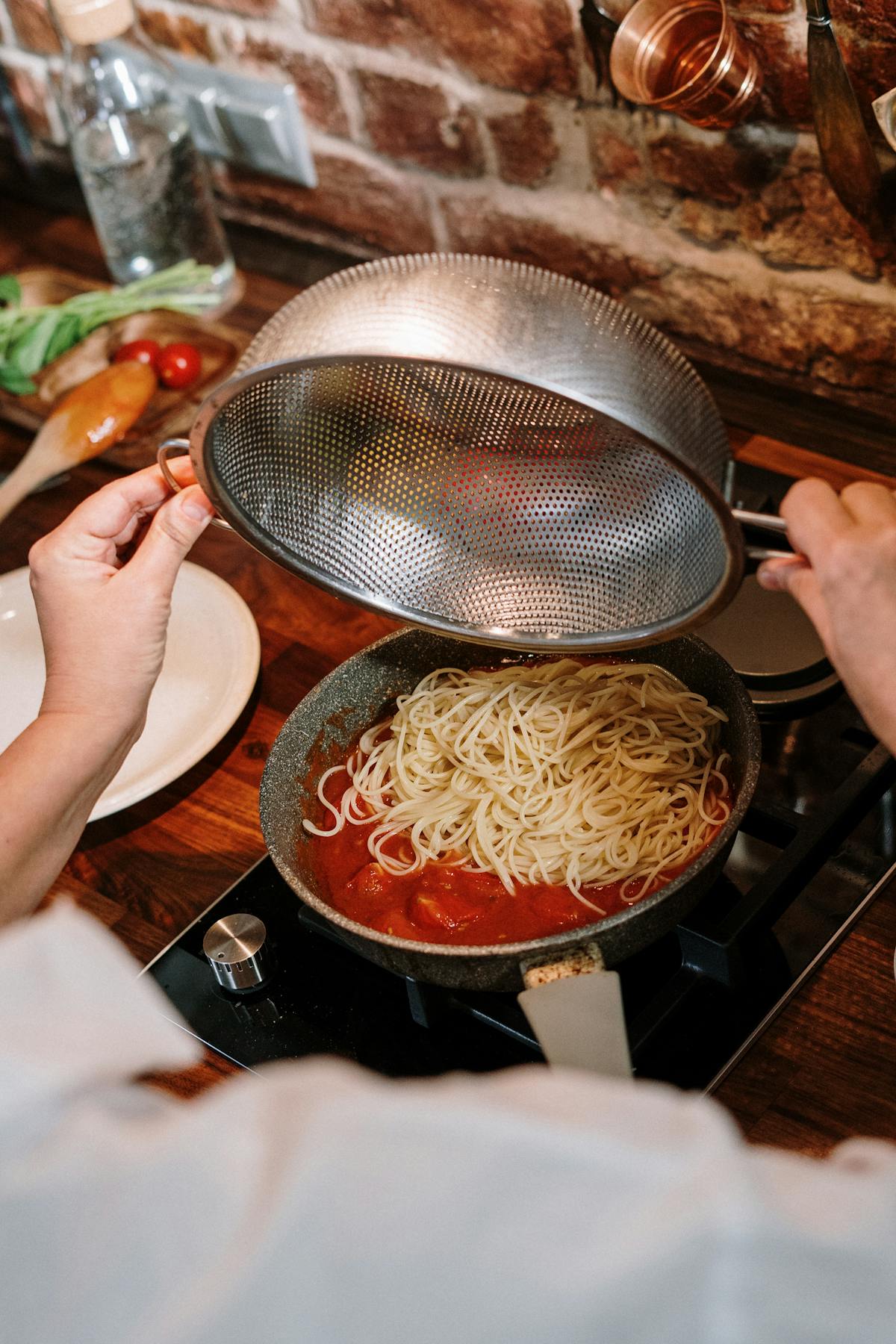
How GLP‑1 Medications Change Eating Patterns
The nutrition story around Ozempic, Wegovy, and similar drugs is less about “good foods vs. bad foods” and more about volume, timing, and tolerance. The same burger that felt fine last year might now sit like a brick in your stomach.
Across clinics and online communities, a few patterns keep showing up:
- Smaller, slower meals. Big plates can feel overwhelming; many do better with “mini‑meals” or a grazing style.
- Leaner proteins. Chicken, fish, eggs, Greek yogurt, tofu and beans tend to be better tolerated than heavy, fatty cuts.
- Gentler textures. Tender grains, stewed beans, soft fruits, and cooked veggies can be easier on a slowed‑down stomach than raw, crunchy salads.
- Less grease and sugar. Very fried or super‑sweet foods can worsen nausea or reflux.
What Makes a “GLP‑1‑Friendly” Meal Plan?
Dietitians are moving away from treating GLP‑1 eating as a short‑term fad and toward structured, sustainable plans with a few shared pillars:
1. Prioritizing Protein to Protect Muscle
Rapid weight loss often means muscle loss unless protein and movement are in place. On GLP‑1s, appetite can drop so sharply that protein becomes more important than ever.
- Aim for roughly 20–30 g of protein at most meals if your healthcare team agrees.
- Think: Greek yogurt with berries, lentil soup, tofu stir‑fry, grilled salmon with soft grains.
2. Fiber‑Rich, Low‑Grease Foods
Fiber helps keep digestion regular on medications that slow the gut, but it has to be balanced with comfort:
- Choose cooked vegetables, peeled fruits, oats, barley, and beans.
- Go easy on deep‑fried foods and heavy cream sauces that can worsen nausea.
3. Smaller, More Frequent Meals
Many people feel best with three modest meals and one or two protein‑rich snacks, instead of huge dinners. Think:
- Half sandwiches with soup.
- Mini grain bowls with beans and veggies.
- Smoothies or blended soups on “queasy” days.
4. Hydration and Electrolytes
When you’re less hungry, you often drink less too. That’s a quiet recipe for headaches, constipation, and fatigue.
- Keep a water bottle nearby and sip all day.
- Include broth, herbal tea, or low‑sugar electrolyte drinks if recommended.
Balancing the Benefits and Nutritional Risks
For many people with obesity‑related conditions, GLP‑1s bring dramatic improvements in blood sugar, blood pressure, and sleep apnea. At the same time, the “I just don’t feel like eating” effect can cause issues if not handled thoughtfully.
Potential Nutrition Challenges
- Muscle loss: Losing weight quickly without enough protein or resistance training.
- Low energy: Skipping meals and under‑fueling, leading to fatigue or brain fog.
- Micronutrient gaps: Falling short on vitamins and minerals by neglecting fruits, vegetables, and whole grains.
Ways to Protect Your Health
- Keep a loose meal schedule (even if portions are small).
- Include a colorful plant food at every eating occasion.
- Ask your healthcare team about baseline labs and whether a multivitamin or specific supplement is right for you.
- Incorporate simple strength moves: body‑weight squats, wall push‑ups, resistance bands.

GLP‑1s, Diet Culture, and Social Media
GLP‑1 medications are also changing how we talk about weight and food. Instead of trading keto recipes or fasting schedules, online communities now compare dose titrations, side‑effect hacks, and “GLP‑1 meal prep.”
This shift raises big social questions:
- Access and cost: Not everyone who medically needs these drugs can afford or obtain them.
- Off‑label cosmetic use: Some already‑lean celebrities reportedly use GLP‑1s purely for aesthetic reasons, which can distort body image norms.
- Changing idea of “willpower”: When appetite can be dialed down by a prescription, it challenges old ideas that weight is only about discipline.

Practical GLP‑1 Nutrition Tips for Everyday Life
You don’t need to be a chef—or love cooking—to nourish yourself well on Ozempic, Wegovy, or similar medications. A few small habits go a long way.
Gentle Meal Ideas for Smaller Appetites
- Breakfast: Half a whole‑grain English muffin with scrambled egg and spinach; or Greek yogurt with soft fruit.
- Lunch: Lentil soup with a slice of toast; or a small quinoa bowl with roasted veggies and chickpeas.
- Dinner: Baked salmon or tofu with mashed sweet potato and steamed green beans.
- Snacks: Cottage cheese with pineapple, hummus with soft pita, a protein shake, or a banana with peanut butter.
Eating Comfortably with Slower Digestion
- Eat slowly, pausing between bites to check in with fullness.
- Stop at “comfortably satisfied,” even if food is left on the plate.
- Avoid lying down immediately after eating to reduce reflux.
- On nauseous days, lean on bland, soft foods and clear liquids until symptoms ease.
GLP‑1‑Friendly High‑Protein Grain Bowl (Recipe)
This warm, flexible bowl is designed with GLP‑1 eaters in mind: tender textures, vibrant but gentle flavors, and enough protein to help your muscles stay happy. Think of it as a template—mix and match ingredients based on what your stomach (and tastebuds) can handle today.
Prep time: 15 minutes
Cook time: 20 minutes
Total time: 35 minutes
Servings: 4 small bowls
Difficulty: Easy

Ingredients
For the base
- 1 cup dry quinoa or brown rice, rinsed
- 2 cups low‑sodium vegetable or chicken broth (or water)
For the protein
- 1 lb (450 g) boneless, skinless chicken breast, tofu, or salmon, cut into bite‑size pieces
- 1 tablespoon olive oil
- 1 teaspoon garlic powder
- 1 teaspoon smoked or sweet paprika (optional)
- 1/2 teaspoon salt, plus more to taste
For the vegetables
- 2 cups broccoli florets or green beans, cut small
- 1 large carrot, thinly sliced or diced
- 1 small zucchini, diced (optional)
For the sauce (gentle yogurt drizzle)
- 1/2 cup plain Greek yogurt (or dairy‑free yogurt)
- 1 tablespoon lemon juice
- 1 tablespoon olive oil
- 1–2 teaspoons honey or maple syrup, to taste
- Pinch of salt
Optional toppings
- Fresh herbs (parsley, cilantro, or dill), finely chopped
- 1/4 cup pumpkin seeds or slivered almonds for crunch (omit if crunchy textures bother your stomach)
- Lemon wedges for serving
Equipment
- Medium saucepan with lid
- Large nonstick skillet or sauté pan
- Cutting board and knife
- Mixing bowl for sauce
- Measuring cups and spoons
Step‑by‑Step Instructions
- Cook the grain base.
In a medium saucepan, combine the quinoa (or rice) and broth. Bring to a gentle boil, then reduce heat to low, cover, and simmer until tender (about 15 minutes for quinoa, 30–35 for brown rice). Turn off heat and let stand, covered, for 5 minutes, then fluff with a fork.
- Season the protein.
While the grains cook, place your chicken, tofu, or salmon pieces in a bowl. Drizzle with olive oil, then sprinkle with garlic powder, paprika, and salt. Toss until evenly coated.
- Cook the protein.
Heat a nonstick skillet over medium heat. Add the seasoned protein and cook, stirring occasionally, until cooked through and lightly golden (about 7–10 minutes for chicken or tofu, slightly less for salmon). If things start to brown too quickly, reduce the heat and add a splash of water.
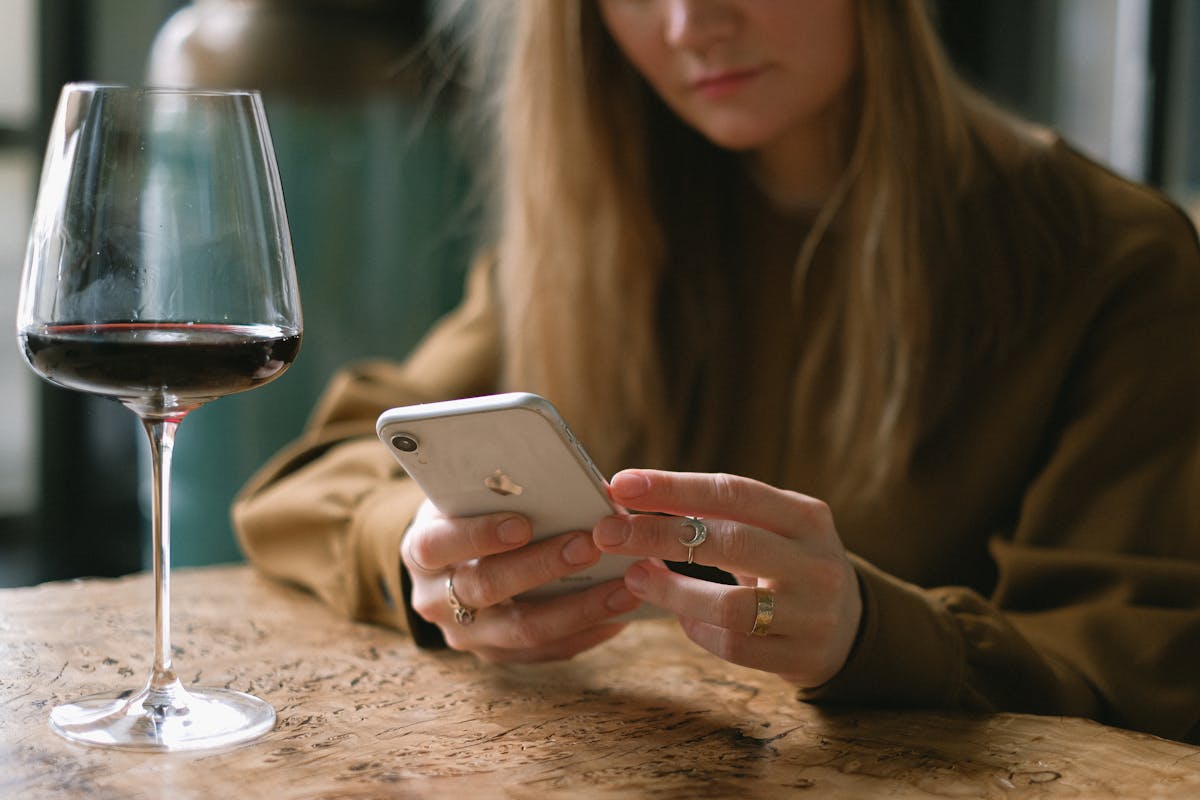
Cook your chosen protein gently until just done—tender pieces are easier to tolerate than dry, overcooked meat. - Steam or sauté the vegetables.
Add the broccoli (or green beans), carrot, and zucchini to the skillet with a splash of water. Cover and let them steam until just tender, about 5–7 minutes. You want soft but not mushy textures.
- Mix the yogurt sauce.
In a small bowl, whisk together the Greek yogurt, lemon juice, olive oil, honey or maple syrup, and a pinch of salt. Adjust sweetness and acidity to your taste—it should be creamy, light, and gently tangy.
- Assemble the bowls.
Spoon a small scoop of grains into each bowl (you can always add more later). Top with a portion of protein and vegetables. Drizzle with the yogurt sauce, then finish with herbs and seeds if you like.
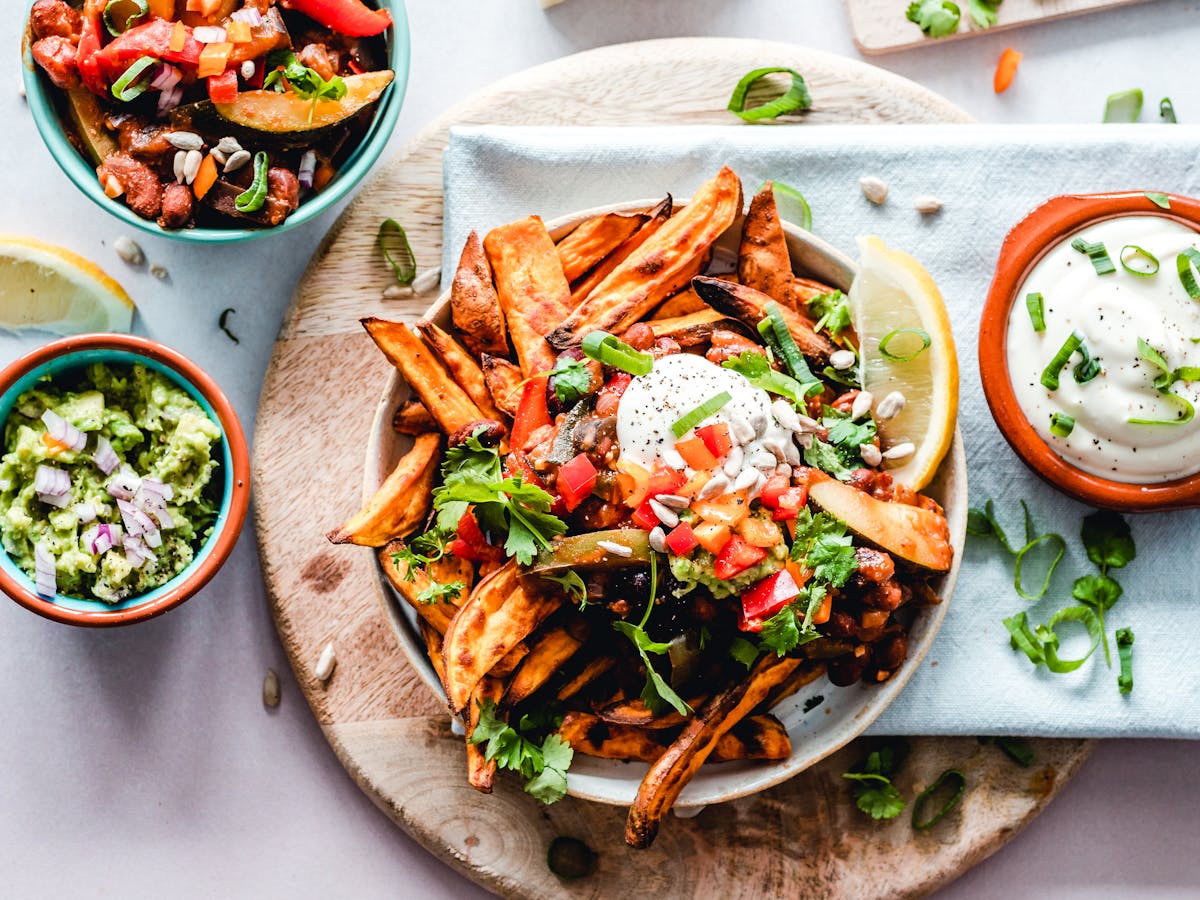
Build bowls in layers so you can control portion sizes—perfect for changing appetites on GLP‑1s. - Taste and adjust.
Add an extra squeeze of lemon, pinch of salt, or spoonful of sauce if needed. Serve immediately, and remember: you do not have to finish the bowl for it to count as a “real meal.”
Substitutions & Dietary Adaptations
- Gluten‑free: Use quinoa or certified gluten‑free brown rice and check broth labels.
- Dairy‑free: Use unsweetened coconut or soy yogurt in place of Greek yogurt, and season a bit more with lemon and herbs.
- Vegetarian / Vegan: Choose firm tofu or tempeh as the protein and use plant‑based yogurt.
- Very sensitive stomach days: Skip the seeds and raw herbs; chop vegetables small and cook until quite tender.
Storage & Reheating
- Fridge: Store grains, protein/veggies, and sauce in separate airtight containers for up to 3–4 days.
- Freezer: The cooked grain and protein freeze well for up to 2–3 months; add fresh veggies and sauce after thawing if possible.
- Reheating: Warm grains and protein/veggies gently in the microwave or on the stovetop with a splash of water. Add sauce and crunchy toppings after reheating.
Serving Suggestions & Pairings
For a satisfying yet light GLP‑1‑friendly meal, you might pair this bowl with:
- A small cup of clear vegetable or chicken broth.
- A soft fruit dessert like baked apple slices with cinnamon.
- Herbal tea with ginger or peppermint if you’re prone to nausea.
Key Takeaways: Eating Well in the GLP‑1 Era
GLP‑1 drugs like Ozempic, Wegovy, Mounjaro and Zepbound are more than a trend—they’re a genuine shift in how we think about appetite, weight, and nutrition. But even the most powerful medication can’t replace the basics your body still needs: protein, fiber, fluids, movement, and kindness.
- Use smaller, protein‑forward meals to match your new appetite.
- Choose cooked, gentle, fiber‑rich foods to support digestion.
- Stay ahead of dehydration and micronutrient gaps.
- Protect muscle with both food and simple strength activities.
- Remember that your worth is not determined by a number on the scale—or by whether you do or don’t use these medications.
Above all, let food remain a source of comfort and pleasure in your life, even as your body changes. A warm bowl, a shared meal, and a kind approach to yourself will always be in style—GLP‑1 or not.
