
Why Celebrities Are Turning to Plant‑Forward ‘Climatarian’ Eating (and Easy Bowl Recipe to Try Tonight)
Celebrities and influencers are breathing fresh life into plant-forward, “climatarian” eating—those colorful, grain-and-bean bowls and veggie-stacked plates you keep seeing on social media. Instead of rigid labels like “vegan” or “omnivore,” the spotlight is now on flexible, whole-food meals that feel realistic, satisfying, and aligned with both health and planet goals.
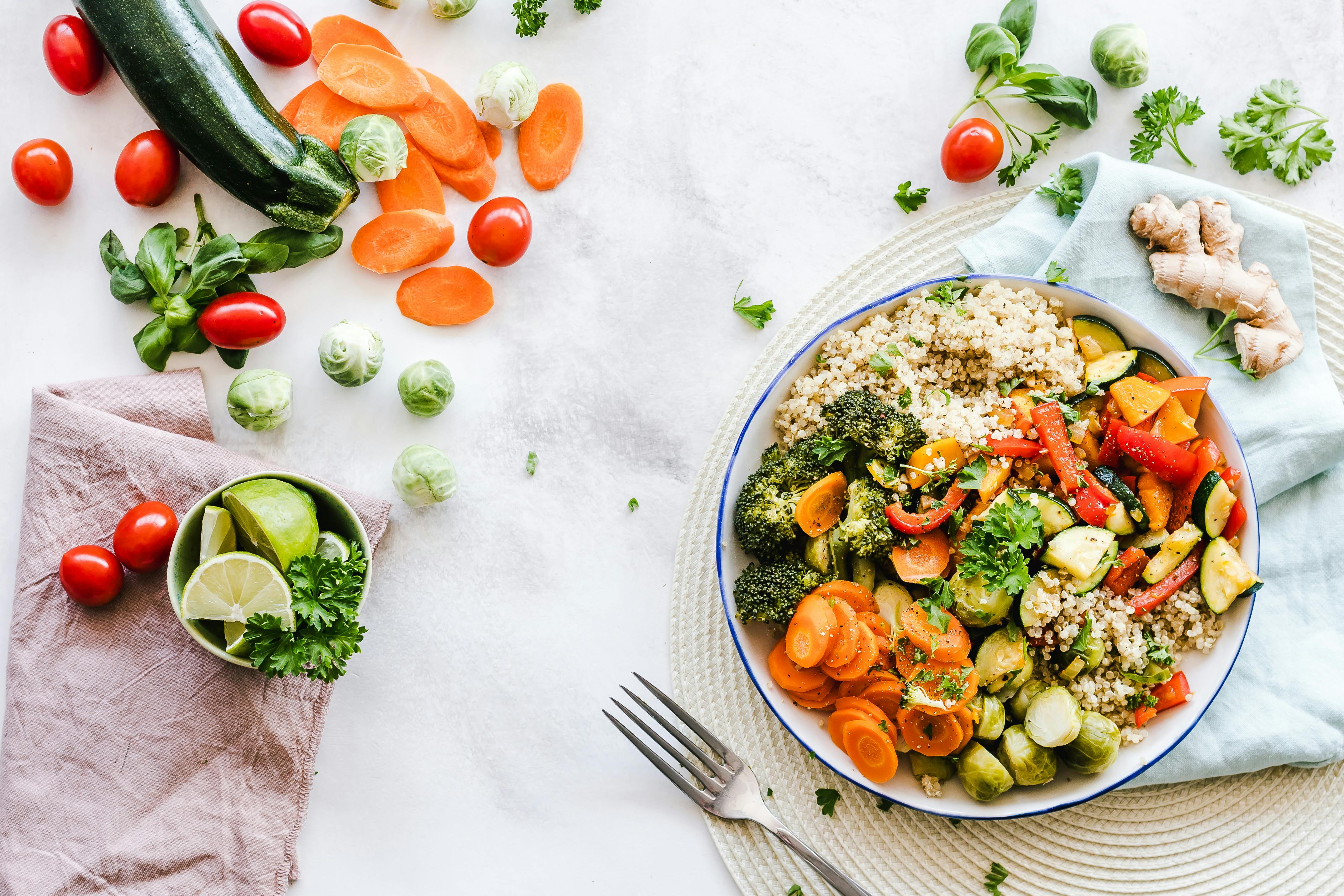
Below, you’ll find a quick, science‑backed tour of this trend—what “climatarian” really means, how celebrities shape the conversation, and what dietitians get excited (and cautious) about. Then we’ll cook: a vibrant Celebrity-Style Climatarian Power Bowl built around whole grains, legumes, and seasonal produce that you can easily adapt to your own taste, budget, and pantry.
What Is a “Climatarian” Diet, Really?
The climatarian diet is less about a strict rulebook and more about a guiding question: What choice on my plate is better for the climate and my long-term health?
In practice, that usually means:
- Mostly plants: vegetables, fruits, whole grains, beans, lentils, tofu, tempeh.
- Thoughtful animal products: smaller portions of fish, eggs, or dairy for those who choose to include them.
- Lower-impact swaps: beans instead of beef most nights, olive oil instead of butter, seasonal produce over hothouse or air-freighted options when possible.
- Minimal ultra-processed foods: especially highly processed meat alternatives eaten daily.
It’s a style of plant-forward eating, not an identity. And that flexibility is exactly why it’s resonating with people who feel burned out on extreme diet trends.
How Celebrities Are Reframing Plant-Based Eating
Scroll through TikTok, Instagram Reels, or YouTube and you’ll spot a pattern in celebrity “What I Eat in a Day” videos:
- Breakfast: Overnight oats or warm oatmeal with chia seeds, berries, and nut butter.
- Lunch: A grain-and-bean bowl with quinoa or brown rice, roasted vegetables, and a creamy tahini or green herb sauce.
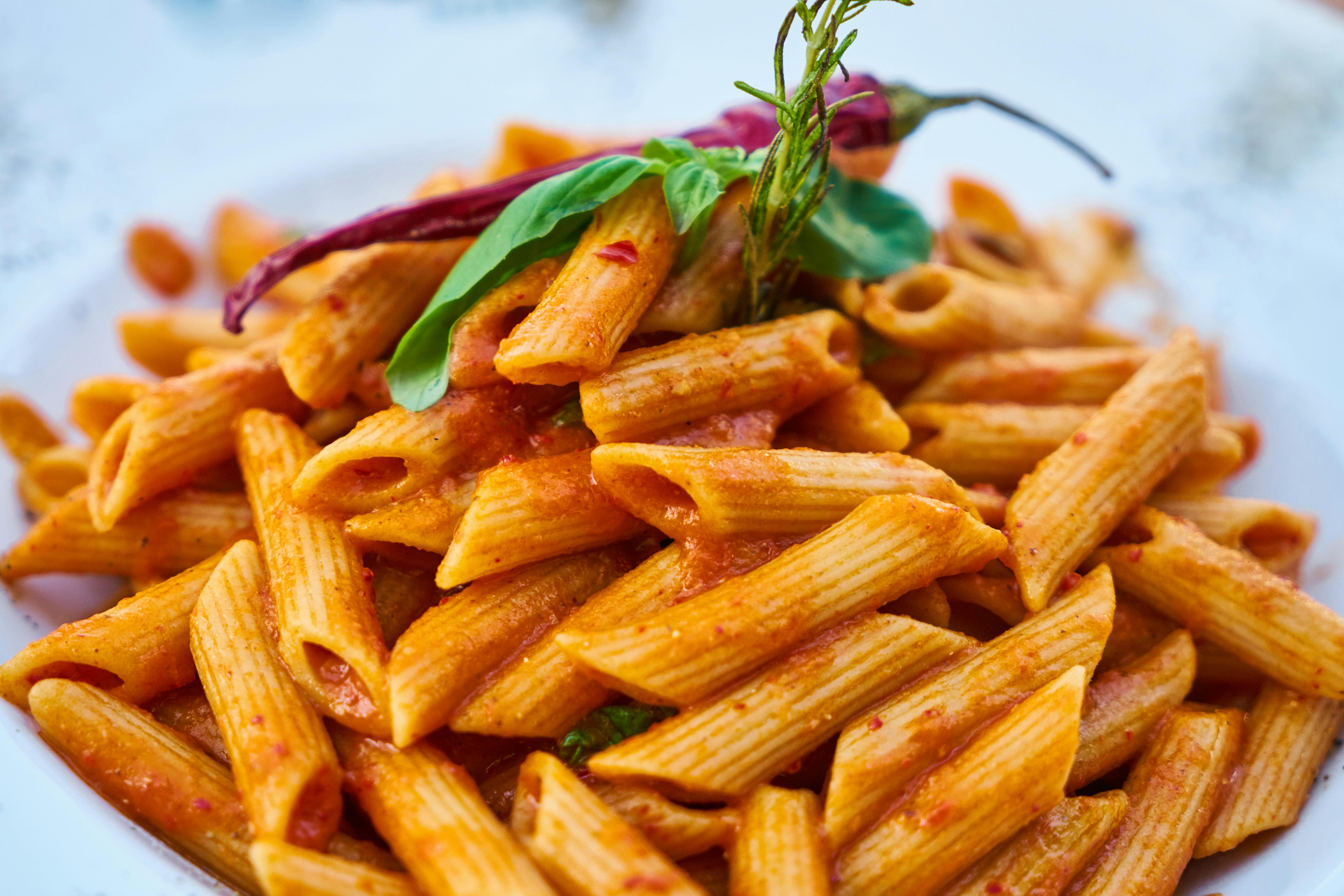
- Dinner: Veggie-forward plates—think sheet-pan vegetables with chickpeas, pasta with a lentil bolognese, or a stir-fry with tofu and lots of greens—sometimes with a little fish, egg, or cheese.
Celebrity chefs, actors, and musicians frame these meals as the secret behind:
- Steady energy for tours, shoots, and training.
- Weight management without meticulous calorie counting.
- “Glowing” skin and recovery they attribute to antioxidants and anti-inflammatory fats.
Their influence doesn’t just change what fans cook; it also shapes supermarket shelves. Brands now sponsor:
- Plant-protein recipe videos featuring beans, lentils, tofu, and tempeh.
- “7-day plant-based reset” challenges that emphasize simple, whole ingredients.
- Snackable plant-forward products—roasted chickpeas, nut-and-seed bars, and ready-to-heat grain mixes.
Underneath the glamor, though, is a genuinely helpful blueprint for anyone who wants to eat more plants without committing to a fully vegan lifestyle.
Nutrition Foundations: What Dietitians Emphasize
On YouTube channels and podcasts, registered dietitians are busy translating celebrity plates into safe, sustainable plant-forward meal patterns. Their message is clear: plant-based can be fantastic, but you still need balance.
Core building blocks include:
- Whole grains like quinoa, farro, brown rice, oats, and barley for fiber, B vitamins, and long-lasting fullness.
- Legumes (lentils, chickpeas, black beans, soy foods like tofu and tempeh) as key protein and iron sources.
- Healthy fats from extra-virgin olive oil, avocado, nuts, seeds, and tahini for hormone health, vitamin absorption, and satiety.
- Colorful produce—leafy greens, cruciferous vegetables, berries, and seasonal fruits—for antioxidants and gut-friendly fiber.
Dietitians also highlight a few nutrients to watch when someone goes strongly plant-based:
- Protein: Aim to include beans, lentils, tofu, tempeh, edamame, or soy yogurt in most meals.
- Vitamin B12: Use fortified foods or supplements if you’re mostly or fully plant-based.
- Iron & zinc: Combine legumes with vitamin C-rich foods (like lemon, bell peppers, or berries) to boost absorption.
- Iodine: Use iodized salt or talk to a healthcare provider about supplementation if needed.
- Omega-3 fats: Enjoy flax, chia, walnuts, hemp seeds, or algae oil regularly.
Whole-Food Plant-Based vs. Ultra-Processed Meat Alternatives
Early waves of the plant-based trend featured highly processed burgers, nuggets, and sausages as the star. They were fun for novelty and transition, but many creators—and their audiences—have grown skeptical about eating them every day.
Today’s climatarian and whole-food plant-based (WFPB) content often contrasts:
- A lentil-and-walnut taco filling with salsa and avocado vs. a pre-packaged plant-based crumble high in sodium.
- A chickpea-and-veggie burger you mash together at home vs. a lab-formulated patty with a long ingredient list.
- Tofu or tempeh stir-fries with lots of vegetables vs. daily servings of fried faux-chicken nuggets.

This doesn’t mean you can never enjoy a plant-based burger. It simply reframes them as sometimes foods, while everyday meals are built from simple, minimally processed ingredients you recognize.
Recipe: Celebrity-Style Climatarian Power Bowl
This Celebrity-Style Climatarian Power Bowl captures the spirit of the trend: a base of hearty whole grains, a generous scoop of protein-rich beans, piles of colorful vegetables, and a silky lemon-tahini dressing. It’s naturally vegan, easily made gluten-free with the right grain, and endlessly customizable.
Quick Recipe Summary
- Prep time: 20 minutes
- Cook time: 25 minutes
- Total time: ~45 minutes
- Servings: 4 bowls
- Difficulty: Easy (great for weeknights)
- Dietary: Vegan, climatarian, high-fiber; gluten-free option

Ingredients & Equipment
Ingredients
For the bowls:
- 1 cup dry quinoa (or brown rice, farro, or millet for gluten-free) + 2 cups water
- 1 can (about 15 oz / 400 g) chickpeas, drained and rinsed (or 1.5 cups cooked)
- 2 cups broccoli florets, bite-sized
- 1 cup thinly sliced carrots (rounds or matchsticks)
- 1 cup cherry tomatoes, halved
- 1 ripe avocado, sliced or cubed
- 2 cups mixed greens (baby spinach, arugula, or salad mix)
- 2 tbsp extra-virgin olive oil
- 1 tsp smoked paprika (optional, for roasted chickpeas)
- 1/2 tsp ground cumin
- Salt and freshly ground black pepper, to taste
For the lemon-tahini dressing:
- 1/3 cup tahini (sesame seed paste)
- 3 tbsp fresh lemon juice (about 1 large lemon)
- 1 tbsp extra-virgin olive oil
- 1 clove garlic, finely minced or grated
- 1–2 tsp maple syrup or honey (if not strictly vegan), to taste
- 3–5 tbsp water, to thin
- 1/4 tsp salt, plus more to taste
Optional toppings (celebrity-style flair):
- 2 tbsp hemp seeds or toasted sesame seeds
- 2 tbsp pumpkin seeds (pepitas) or chopped walnuts
- Fresh herbs (parsley, cilantro, or chives), chopped
- Lemon wedges, for serving
Equipment
- Medium saucepan with lid (for cooking grains)
- Baking sheet and parchment paper (for roasting chickpeas and vegetables)
- Mixing bowl and whisk (for dressing)
- Sharp knife and cutting board
- Measuring cups and spoons
- Serving bowls
Step-by-Step Instructions

- Cook the grains.
Rinse 1 cup quinoa under cold water in a fine-mesh sieve. In a medium saucepan, combine quinoa with 2 cups water and a pinch of salt. Bring to a boil, then reduce heat to low, cover, and simmer for about 15 minutes, until the water is absorbed and the grains are tender. Remove from heat and let sit, covered, for 5 minutes, then fluff with a fork. - Preheat the oven and prep the pan.
While the quinoa cooks, preheat your oven to 400°F (200°C). Line a baking sheet with parchment paper for easier cleanup. - Season the chickpeas.
Pat the chickpeas dry with a clean towel (this helps them crisp). In a bowl, toss chickpeas with 1 tablespoon olive oil, smoked paprika, cumin, a pinch of salt, and pepper. Spread them out on one side of the baking sheet. - Add the vegetables.
On the other side of the baking sheet, toss the broccoli florets and sliced carrots with the remaining 1 tablespoon olive oil, plus a little salt and pepper. Spread into an even layer so they roast rather than steam. - Roast.
Roast the chickpeas and vegetables for 18–22 minutes, stirring halfway through, until the chickpeas are lightly crisp and the vegetables are tender and caramelized in spots.

- Make the lemon-tahini dressing.
In a mixing bowl, whisk together tahini, lemon juice, olive oil, minced garlic, maple syrup or honey, and salt. It will seize up at first—keep whisking while slowly adding 3–5 tablespoons of water until it becomes smooth and pourable. Taste and adjust seasoning, adding more lemon, salt, or sweetness as desired. - Prep the fresh elements.
Halve the cherry tomatoes, slice or cube the avocado, and wash and dry the mixed greens. Chop any herbs you’re using. - Assemble the bowls.
Divide the quinoa among 4 bowls. Add a handful of greens to each, then top with roasted chickpeas, roasted broccoli and carrots, cherry tomatoes, and avocado. Drizzle generously with the lemon-tahini dressing. - Finish with toppings and serve.
Sprinkle with hemp seeds or sesame seeds, pumpkin seeds or walnuts, and fresh herbs. Serve with lemon wedges on the side for an extra hit of brightness.

Variations, Swaps & Dietary Adaptations
One reason plant-forward, celebrity-style bowls are so popular is that they’re highly customizable. Use what’s seasonal, local, or already in your kitchen.
Protein & legume swaps
- Swap chickpeas for black beans, lentils, or edamame.
- Add cubed, baked tofu or pan-seared tempeh for extra protein.
- Climatarian (not vegan) option: add a soft- or jammy-boiled egg or a small portion of grilled fish on top.
Grain options
- Gluten-free: quinoa, brown rice, millet, or certified gluten-free oats.
- Chewy & nutty: farro or barley (not gluten-free).
- Low-effort: store-bought pre-cooked grains in pouches or frozen packs.
Vegetable and flavor twists
- In winter, use roasted sweet potato, Brussels sprouts, and red onion.
- In summer, try grilled zucchini, corn, and peppers.
- Stir a spoonful of harissa, pesto, or miso into the dressing for a new flavor profile.
Storage, Meal Prep & Reheating
This bowl is made for meal prep and busy weekday lunches. With a few small tweaks, you can keep textures fresh and flavors bright.
- Refrigeration: Store cooked grains, roasted vegetables/chickpeas, and dressing in separate airtight containers in the fridge for up to 4 days.
- Greens & avocado: Keep them separate and add just before serving. Slice avocado fresh so it doesn’t brown.
- Reheating: Warm grains and roasted components in the microwave (30–60 seconds) or in a skillet with a splash of water or broth. Then add fresh greens, avocado, and dressing.
- Freezing: Grains and plain roasted vegetables freeze well in freezer-safe containers or bags for up to 2–3 months. Chickpeas can freeze, but they may be slightly softer after thawing.
Serving Suggestions & Complementary Dishes
This climatarian bowl makes a complete, satisfying meal on its own, but you can round it out with a few simple extras if you’re feeding a crowd or want a more elaborate spread.
- Pair with a simple soup—like tomato-basil, lentil, or miso—for extra warmth on cold days.
- Add a side of fruit (orange segments, berries, or sliced apples) for a sweet, refreshing finish.
- Offer a small cheese plate or a dish of olives on the side for guests who enjoy some animal-based richness, keeping the main bowl plant-centered.
- For brunch, serve mini versions of the bowl alongside tofu scramble or soft-boiled eggs and whole-grain toast.
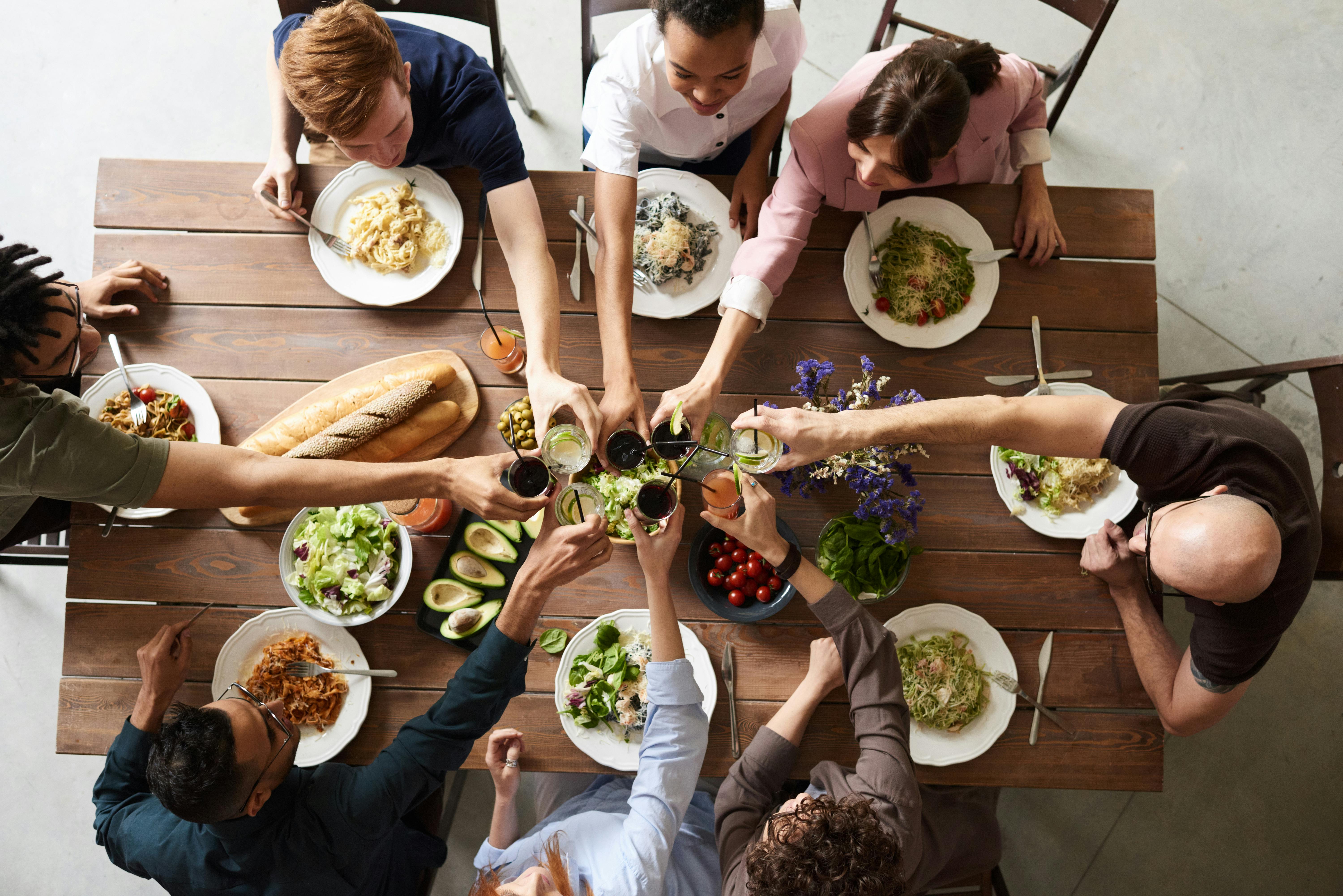
However you serve it, the goal isn’t perfection; it’s building a pattern where plants take center stage most of the time, leaving space for flexibility and joy.
Bringing Climatarian Eating Into Your Own Kitchen
Celebrity-backed plant-based and climatarian eating isn’t just a fleeting trend—it reflects a broader shift toward realistic, sustainable food patterns. People want meals that feel modern and vibrant, support long-term health, and gently reduce their environmental footprint, without demanding perfection or rigid rules.
If you start with simple steps—like making this power bowl once a week, or swapping one meat-heavy dinner for a bean-based dish—you’re already participating in that shift. Your kitchen becomes a place where your values, your health, and your taste buds all get a seat at the table.
Most importantly, let it be enjoyable: taste as you go, adjust the dressing to your liking, and play with colors and textures. That quiet joy and curiosity you bring to your own cooking matter far more than how closely your plate matches anyone’s feed.
