
Gut Health 2.0 Power Bowl: Fermented Veggie, Fiber-Rich Grain & Microbiome Magic
Gut Health 2.0 in a Bowl
Gut health has stepped into the spotlight, and this vibrant gut health grain bowl brings together fermented foods, high‑fiber plants, and colorful toppings to nourish your microbiome in a truly joyful way. Think warm, nutty whole grains, crisp seasonal veggies, creamy beans, and a pop of tang from kimchi or sauerkraut, all finished with a silky miso‑tahini dressing.
Inspired by the latest microbiome diet research and the “30 plants a week” trend, this recipe is less about restriction and more about abundance. It’s naturally vegetarian, easy to adapt for vegan or gluten‑free eaters, and designed for real life: weekday lunches, make‑ahead meal prep, or a build‑your‑own bowl night with friends.
Quick Recipe Snapshot
Prep Time: 20 minutes
Cook Time: 25 minutes
Total Time: 45 minutes
Servings: 4 bowls
Difficulty: Easy
Dietary: Vegetarian, easily vegan & gluten‑free
We’ll build layers of flavor and texture—chewy grains, tender beans, crisp veggies, and cooling yogurt or hummus—while quietly hitting many gut‑health pillars: fermented foods, fiber, and plant diversity.
Visual Inspiration

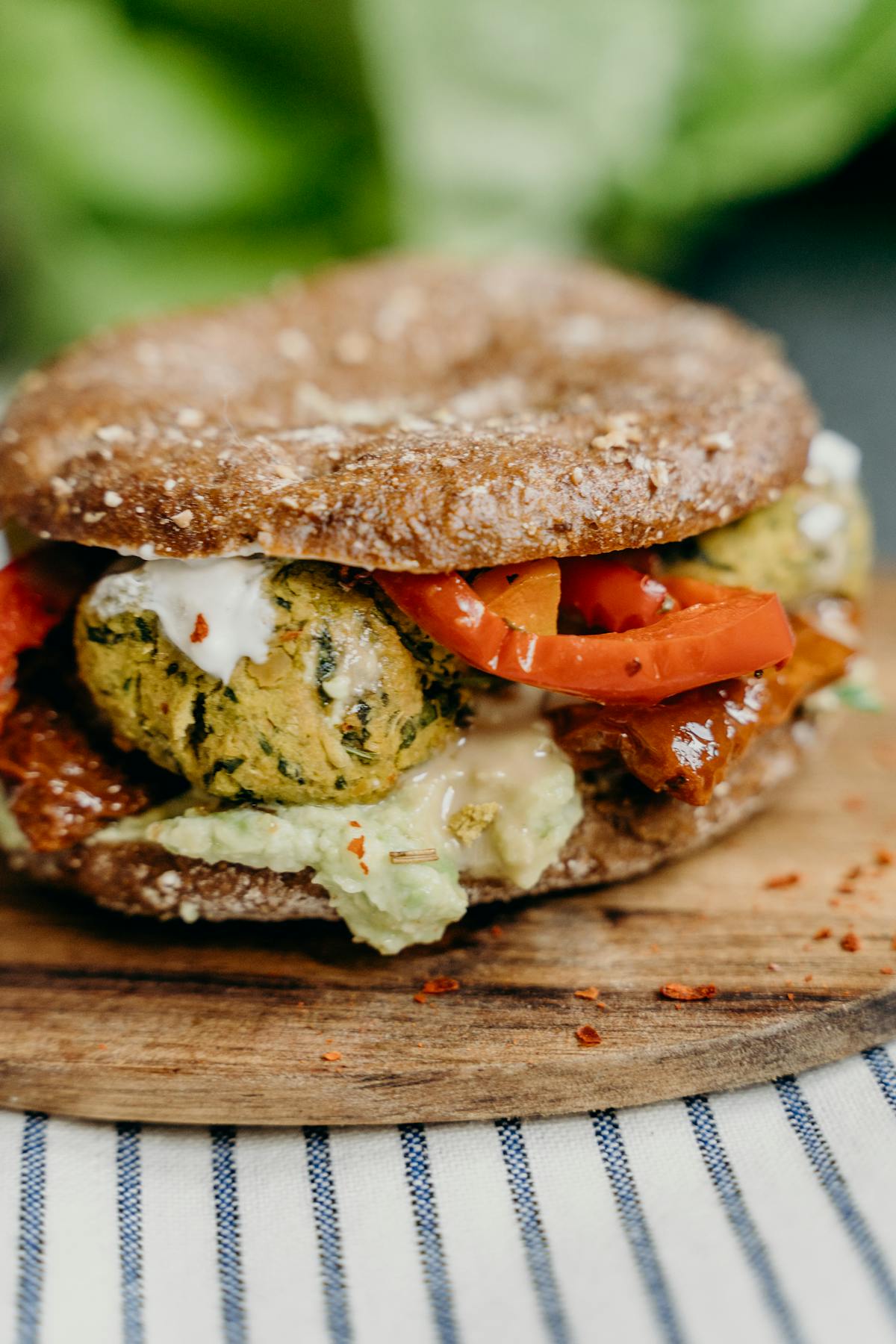
Ingredients for Gut‑Friendly Grain Bowls
This recipe is very flexible. Use what you have, but aim for a rainbow of plants and at least one fermented topping.
For the Grain Base
- 1 cup (200 g) dry whole grain (quinoa, brown rice, farro, or buckwheat)
- 2 cups (480 ml) water or low‑sodium vegetable broth
- 1/2 tsp fine sea salt (omit if broth is salty)
For the Protein & Fiber Layer
- 1 can (15 oz / 400 g) chickpeas or other beans, drained and rinsed
- 1 cup (170 g) cooked lentils (or use more beans)
- 1 Tbsp extra‑virgin olive oil
- 1/2 tsp ground cumin
- 1/2 tsp smoked paprika (optional but lovely)
- Freshly ground black pepper, to taste
For the Veggie & Plant Diversity Toppings
- 1 cup (about 130 g) chopped red cabbage or green cabbage
- 1 cup (120 g) grated or matchstick carrots
- 1 small cucumber, diced
- 1 small red bell pepper, thinly sliced
- 1 ripe avocado, sliced or cubed
- 2 cups (about 60 g) mixed salad greens or baby spinach
- 1/4 cup (30 g) nuts or seeds (pumpkin seeds, sunflower seeds, chopped almonds, or walnuts)
- Fresh herbs: small handful of parsley, cilantro, or dill, chopped
Fermented & Creamy Elements
- 1/2–1 cup (75–150 g) kimchi or unpasteurized sauerkraut
- 1/2 cup (120 g) plain yogurt or kefir (use unsweetened; dairy or plant‑based)
- Optional: 1/2 cup (120 g) hummus for extra creaminess and fiber
Miso–Tahini Gut‑Loving Dressing
- 3 Tbsp tahini
- 1 Tbsp white or yellow miso paste
- 2 Tbsp freshly squeezed lemon juice or rice vinegar
- 1 small garlic clove, finely grated or minced
- 1–2 tsp maple syrup or honey (to taste)
- 3–5 Tbsp water, to thin to pourable consistency
- Pinch of salt and pepper, to taste (you may not need much salt because of miso)
Equipment You’ll Need
- Medium saucepan with lid (for cooking grains)
- Large skillet or frying pan (for warming and seasoning beans/lentils)
- Cutting board and sharp knife
- Large mixing bowl
- Small bowl or jar with lid (for shaking the dressing)
- Measuring cups and spoons
- 4 serving bowls for assembling the grain bowls
Step‑by‑Step Instructions
Follow these steps to build a balanced, microbiome‑friendly bowl with layers of flavor and texture.
- Cook the whole grains.
Rinse your chosen grain under cold water if needed (quinoa and rice benefit from rinsing). In a medium saucepan, combine 1 cup grain, 2 cups water or broth, and salt. Bring to a boil, then reduce heat to low, cover, and simmer until tender (about 15 minutes for quinoa, 25 minutes for brown rice or farro; follow package directions). Remove from heat and let stand, covered, for 5 minutes, then fluff with a fork. - Season the beans and lentils.
While the grains cook, warm olive oil in a large skillet over medium heat. Add chickpeas and lentils, sprinkle with cumin, smoked paprika, and black pepper. Sauté for 5–7 minutes, stirring occasionally, until heated through and a little golden at the edges. Turn off heat and set aside. - Prep the vegetables and herbs.
Chop cabbage, grate or julienne carrots, dice cucumber, slice bell pepper, and cube or slice avocado. Rinse and dry salad greens and herbs. Aim for varied shapes—some shredded, some chunky—for a fun mix of textures in every bite. - Mix the miso–tahini dressing.
In a small bowl or jar, whisk or shake together tahini, miso, lemon juice or vinegar, garlic, and maple syrup or honey. Add water, 1 tablespoon at a time, whisking until smooth and pourable. Taste and adjust: more lemon for brightness, a touch more sweetener to balance, or a splash more water to thin. - Prepare the fermented and creamy elements.
Give your kimchi or sauerkraut a quick chop if the pieces are very large; this helps them distribute nicely in each bowl. Stir yogurt or kefir until smooth. If using hummus, loosen it with a spoonful of water or lemon juice to make it dollop‑able. - Assemble the gut‑healthy grain bowls.
Divide warm grains among 4 bowls. Top each with a generous scoop of beans and lentils. Arrange cabbage, carrots, cucumber, bell pepper, avocado, and salad greens in colorful sections over the top. Add a spoonful or two of kimchi or sauerkraut to each bowl, then a dollop of yogurt or hummus. - Finish with crunch and drizzle.
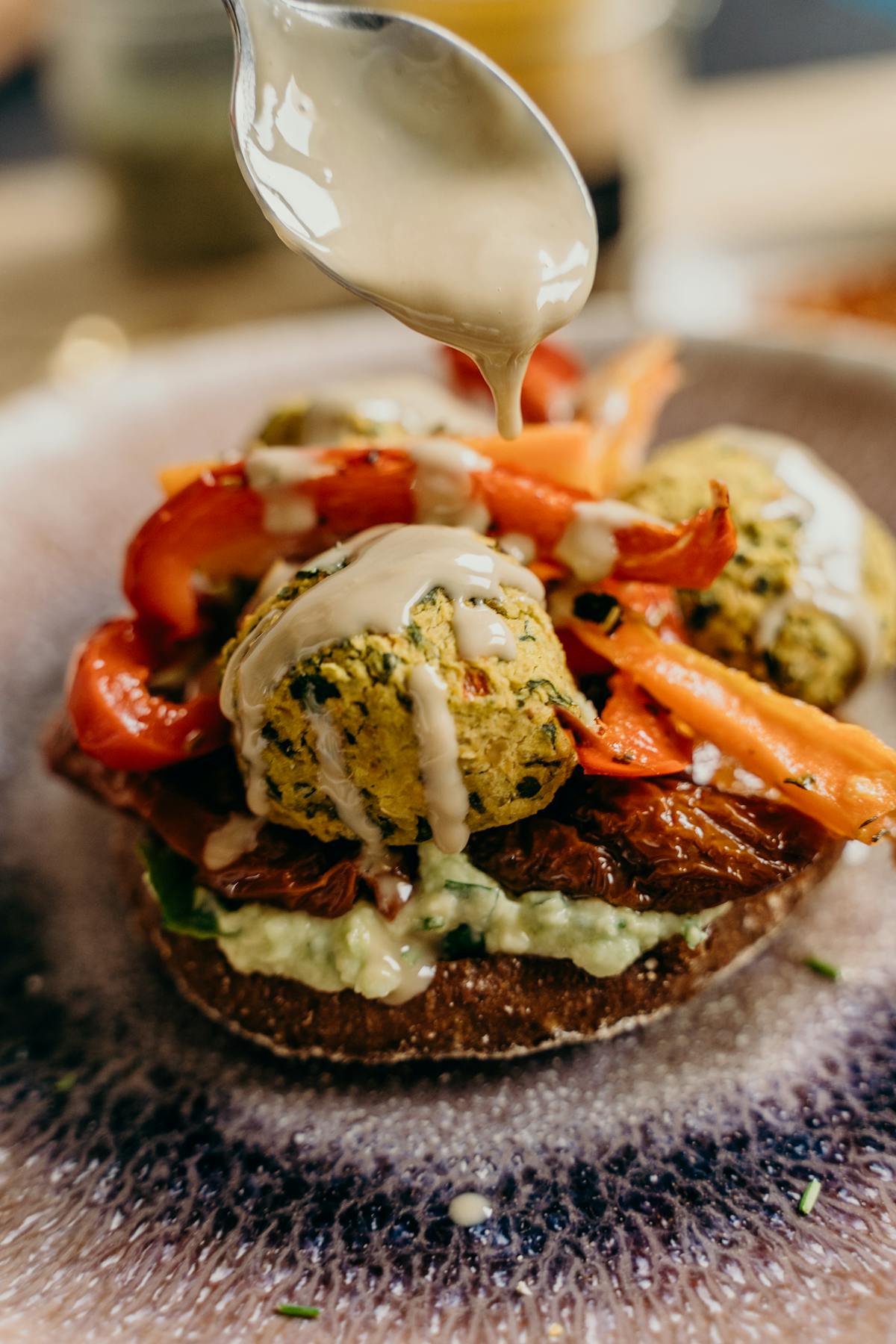
Sprinkle bowls with nuts or seeds and chopped herbs. Drizzle the miso–tahini dressing over the top. Serve right away, letting everyone mix their own bowl at the table so they can smell the tangy fermented veggies and nutty dressing as they stir.

Why This Bowl Loves Your Microbiome
The current wave of gut health 2.0 is all about everyday, food‑first choices—very much like this bowl. Instead of relying on probiotic supplements alone, you’re feeding your gut a wide range of fibers, fermented foods, and polyphenol‑rich plants.
- Fermented foods (kimchi, sauerkraut, yogurt, miso) bring beneficial microbes and flavor complexity.
- Beans, lentils, and whole grains provide prebiotic fibers that your gut bacteria love to ferment.
- Colorful vegetables, herbs, nuts, and seeds contribute polyphenols and a wide variety of plant compounds.
Instead of chasing a single “superfood,” this bowl quietly checks off many of the boxes highlighted in modern microbiome research: diversity, fiber, and minimally processed ingredients.
Variations, Swaps & Dietary Adaptations
Use this recipe as a flexible framework for gut‑healthy eating across the seasons and for different dietary needs.
- Vegan gut health bowl: Use plant‑based yogurt or extra hummus instead of dairy yogurt, and choose maple syrup instead of honey in the dressing.
- Gluten‑free option: Choose quinoa, brown rice, or certified gluten‑free buckwheat; confirm your miso is gluten‑free (some are made with barley).
- Low‑FODMAP tweak: Use smaller portions of beans and lentils or swap for firm tofu or tempeh if tolerated; reduce garlic and cabbage, and focus on tolerated veggies. It’s best to work with a dietitian if you have IBS or IBD.
- Seasonal spins: In winter, add roasted sweet potato, Brussels sprouts, or squash. In summer, layer in tomatoes, corn, and fresh basil.
- Extra protein boost: Top with a soft‑boiled egg, grilled salmon, or marinated tofu, depending on your preferences.
Storage & Meal Prep Tips
These gut‑healthy grain bowls are perfect for meal prep. A little planning turns one cooking session into several nourishing meals.
- Make‑ahead grains & beans: Store cooked grains and beans/lentils in separate airtight containers in the fridge for up to 4 days.
- Chopped veggies: Keep sturdy veggies (cabbage, carrots, peppers) pre‑chopped in containers for 3–4 days. Slice avocado fresh to avoid browning.
- Dressing: The miso–tahini dressing keeps well in the fridge for up to 5 days. It may thicken; whisk with a little water before serving.
- Fermented foods: Store kimchi or sauerkraut in the fridge and add them just before serving to keep their crunch and live cultures.
Reheating Guidelines
- Grains & beans: Reheat gently in a skillet with a splash of water or broth over low–medium heat, or microwave in 30‑second bursts, stirring between each.
- Assembled bowls: For the best texture, reheat only the grains and beans, then add fresh veggies, fermented toppings, and dressing after warming.
Serving Ideas & Gut‑Friendly Pairings
Serve these grain bowls slightly warm or at room temperature so the flavors of the dressing and fermented veggies really bloom.
- Pair with a small glass of plain kefir or a kombucha mocktail for an extra fermented flourish.
- Add a simple side of miso soup with seaweed and green onions for additional umami and warmth.
- For a cozy dinner, finish with a piece of seasonal fruit and a sprinkle of nuts for more plant variety.

Gentle Encouragement for Home Cooks
You don’t have to overhaul your life to care for your gut. Even making this bowl once a week nudges you toward the kind of microbiome‑friendly pattern that’s lighting up research—and social media feeds—right now.
Start with what feels doable: maybe just quinoa, beans, a couple of veggies, and a spoonful of sauerkraut. Over time, add more colors, more herbs, and new fermented friends. Your taste buds—and your microbiome—will adapt and flourish.
Most of all, enjoy the process: the chopping, the sizzling beans, the fragrant miso, the first tangy, crunchy bite. This is gut health that feels like comfort food—nourishing from the inside out.
