
High-Protein Girl Dinner Snack Plates: The 10-Minute No-Cook Trend You’ll Actually Feel Full On
The high-protein “girl dinner” has grown up from a chaotic snack plate into a smart, satisfying mini-meal: think creamy Greek yogurt dips, crisp veggies, jammy eggs, crunchy nuts, and something a little fun on the side.
This no-cook snack-plate recipe leans into that trend, giving you an easy template for high-protein, nutrient-dense “snack dinners” that actually keep you full—without dirtying a single pan.
If you’ve ever come home too tired to cook but didn’t want to fall back on cereal or takeout, this style of eating can feel like a gentle hug: colorful, customizable, and just structured enough to be nourishing. We’ll use a simple framework—1–2 proteins + 1 healthy fat + 2 produce + 1 fun food—to build a balanced girl dinner plate that works for meat-eaters, vegetarians, and high-protein snack lovers alike.

High-Protein Girl Dinner Snack Plate Recipe
Prep time:
Cook time:
Total time:
Servings: 1 large snack plate (1 hungry person)
Difficulty: Easy (no-cook)
Diet: High-protein, can be made gluten-free or vegetarian
Estimated protein: 25–35 g (depending on choices)
Best for: Quick dinners, desk lunches, post-workout snack plates
Ingredients (Build-Your-Own Snack Plate)
Use this list as a mix-and-match bar. For one high-protein girl dinner plate, choose:
1–2 proteins + 1 fat + 2 produce items + 1 fun food
Protein (choose 1–2)
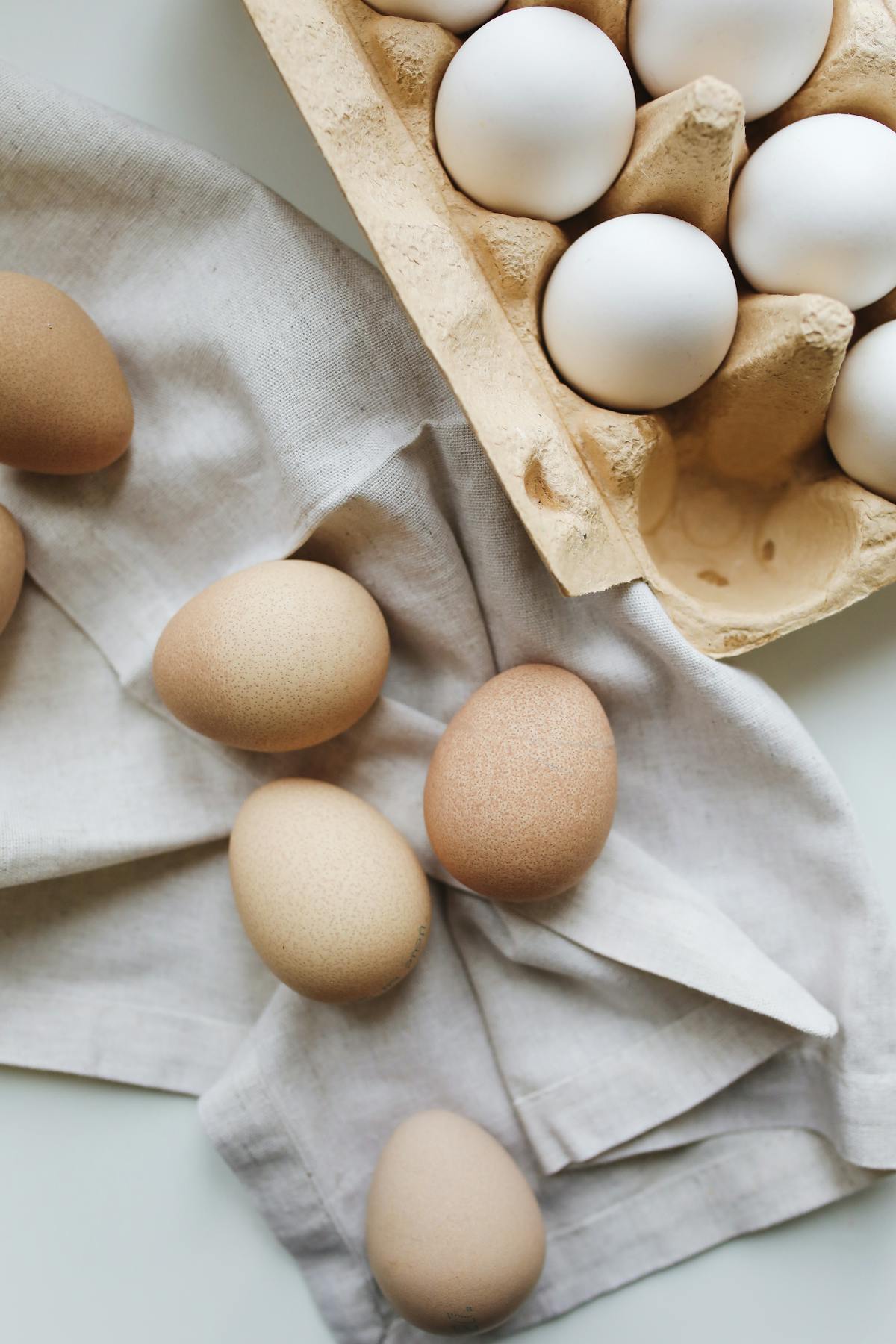
- 2 hard-boiled eggs, halved or sliced
- 100 g (about 1/2 cup) cottage cheese (regular or high-protein)
- 150 g (about 2/3 cup) thick Greek yogurt (at least 2% fat)
- 75–100 g sliced turkey or chicken breast (about 3–4 slices)
- 80 g smoked salmon (about 3 slices)
- 150 g baked or marinated tofu cubes (about 1 cup)
- 150 g edamame (shelled, cooked, cooled; about 1 cup)
Healthy fats (choose 1)
- 1/2 medium avocado, sliced
- 25 g mixed nuts (about 1/4 cup)
- 2 tbsp hummus, plus extra for dipping
- 1 tbsp nut butter (peanut, almond, cashew) for fruit or crackers
- 1 tbsp extra-virgin olive oil, drizzled over veggies or protein
Fiber & color (choose at least 2)
- 1 small carrot, cut into sticks or coins
- 1/2 red bell pepper, sliced
- 6–8 cucumber rounds or sticks
- 8–10 cherry tomatoes
- 1 small handful of baby spinach or mixed salad greens
- 1 small apple, sliced, or 1 cup berries
- 4–6 whole-grain crackers or 1 small slice hearty whole-grain bread
Fun food (choose 1)
- 15–20 g dark chocolate (1–2 small squares)
- A small handful of popcorn (about 1 cup)
- 1–2 stuffed olives or pickles
- 1–2 tsp honey or jam to swirl into yogurt or spread on crackers

Equipment You’ll Need
- 1 medium dinner plate or small serving board
- 1–2 small bowls or ramekins for dips/yogurt
- Sharp knife and cutting board
- Measuring cups/spoons (optional but helpful for portioning)
- Storage containers if prepping snack plates ahead
How to Build a High-Protein Girl Dinner Snack Plate
Think of this as plating a tiny grazing board just for you. The steps below are written for one plate, but you can easily line up a few plates or containers and meal-prep several at a time.
- Start with your protein “anchors.”
Place your main protein(s)—eggs, cottage cheese, yogurt, tofu, deli turkey, or smoked salmon—on the plate first. If using something scoopable like yogurt or cottage cheese, spoon it into a small bowl or ramekin so it feels intentional and stays neat. - Add a satisfying fat.
Fan out avocado slices, add a small pile of nuts, or tuck in a generous spoonful of hummus. Fats not only add flavor and creaminess; they help slow digestion and make your snack plate feel like a meal. - Layer in color and crunch.
Arrange raw veggies and fruit around the plate in little clusters: carrot sticks next to hummus, cucumber near cottage cheese, berries or apple slices by the yogurt. Aim for at least two colors—this usually guarantees a mix of vitamins and fiber. - Add smart carbs for staying power.
Slide 4–6 whole-grain crackers or a slice of dense bread into any open space. These complex carbohydrates help with energy and satisfaction, especially if this plate is standing in for lunch or dinner. - Finish with something joyful.
Tuck in a square of dark chocolate, a few olives, or a spoonful of jam to swirl into your yogurt. This “fun food” is a key part of why girl dinner plates feel emotionally satisfying instead of restrictive. - Season and garnish.
Sprinkle a pinch of salt and pepper over eggs or avocado, add a little dried oregano or chili flakes, and drizzle olive oil where it makes sense. Garnishes turn a random snack plate into something that looks and tastes restaurant-worthy. - Plate like a mini grazing board.
Fill in gaps with extra veggies or fruit so the plate looks abundant. The visual generosity is half the fun and can make a modest amount of food feel more satisfying.
Diet-Friendly Variations & Substitutions
High-Protein Vegetarian Girl Dinner
- Use Greek yogurt, cottage cheese, tofu cubes, or edamame as your main proteins.
- Add extra nuts or seeds (almonds, pumpkin seeds, hemp hearts) to boost protein and healthy fats.
- Include whole-grain crackers or lentil chips for extra fiber and staying power.
Gluten-Free Snack Plate
- Choose certified gluten-free crackers or rice cakes, or skip crackers and use sliced cucumber and bell pepper as dippers.
- All other components—eggs, yogurt, veggies, nuts—are naturally gluten-free; just double-check labels on deli meats and flavored hummus or yogurt.
Lower-Lactose / Dairy-Free Options
- Use lactose-free Greek yogurt or cottage cheese if you’re sensitive but still tolerate dairy.
- Swap in marinated tofu, tempeh, deli turkey, or eggs if you prefer to skip dairy completely.
- Try dairy-free yogurts made with soy or pea protein for a plant-based protein boost.
Storage, Meal Prep & Reheating
Fridge Storage
- Prepped snack plates: Assemble components in divided containers and refrigerate for up to 3 days.
- Hard-boiled eggs: Keep in their shells for up to 7 days; peel just before plating.
- Cut veggies: Store in airtight containers with a damp paper towel to keep them crisp for 3–4 days.
- Yogurt/dips: Keep in separate containers or leak-proof sections; they’ll stay fresh 3–5 days, depending on the product.
Reheating (If Needed)
Most girl dinner snack plates are designed to be eaten cold or at room temperature, which is part of the beauty—no reheating required. If you prefer some elements warm:
- Warm bread or tortillas in a toaster or dry skillet for 1–2 minutes.
- Gently reheat cooked proteins (like tofu or chicken) in the microwave for 20–30 seconds, taking care not to overcook.
What Not to Store Together
- Keep crackers and bread separate from moist ingredients so they stay crisp.
- Store cut apples and other fruits that brown easily in a separate lidded container with a squeeze of lemon juice.
Serving Suggestions & What to Pair With Your Snack Plate
One of the joys of the girl dinner trend is how adaptable it is. On busy nights, your snack plate can be the whole show; on hungrier days, pair it with something simple to round it out.
Make It a Full Meal
- Serve with a mug of soup (tomato, lentil, or chicken) for extra warmth and volume.
- Add a small side of cooked grains (quinoa, farro, brown rice) if you need more carbs, especially post-workout.
- Double the protein component (e.g., 2 eggs and a serving of yogurt) on days when you’re extra hungry.
Light Pairings
- Herbal tea or sparkling water with lemon for a refreshing, low-sugar drink.
- A piece of fruit on the side if you like to end on a naturally sweet note.

Making the Girl Dinner Trend Work for You
Online, “girl dinner” started as a joke—random bites instead of a “real” meal. But the healthier, high-protein versions you see now can absolutely count as real dinners, especially if you’re mindful about portions and balance.
Nutrition creators often use simple formulas like “1 protein + 1 fat + 2 produce + 1 fun food” to turn what could be an under-fueled snack into something that supports steady energy and stable blood sugar. That’s the sweet spot: playful, pretty plates that still respect your body’s need for enough food.

Nutrition Highlights (Why High-Protein Snack Plates Work)
- Protein: Helps you stay full longer, supports muscle repair, and can reduce late-night grazing when your dinner is snack-based.
- Fiber: From veggies, fruit, and whole grains helps with digestion, blood sugar control, and gut health.
- Healthy fats: From avocado, nuts, seeds, and olive oil improve satisfaction and flavor while supporting brain and hormone health.
- Flexibility: The board-style approach makes it easy to adapt to allergies, preferences, and what’s already in your fridge.
If you like tracking macros, aim for your plate to include roughly 25–35 g protein, a source of complex carbs, and at least 2 different produce items. If you don’t track, simply use your appetite as your guide and feel free to make the portions more generous.
