
Trump vs. the Kennedys: How a Culture War Erupted Over the Kennedy Center
Donald Trump’s latest jab at the Kennedy family, delivered just days after he moved to shutter the iconic Kennedy Center, has turned what might otherwise have been a dry conversation about funding and safety into a made-for-cable spectacle. In a political climate where even Broadway feels like a battleground, the clash between a former president and America’s most storied political dynasty lands right at the intersection of entertainment, history, and raw power.
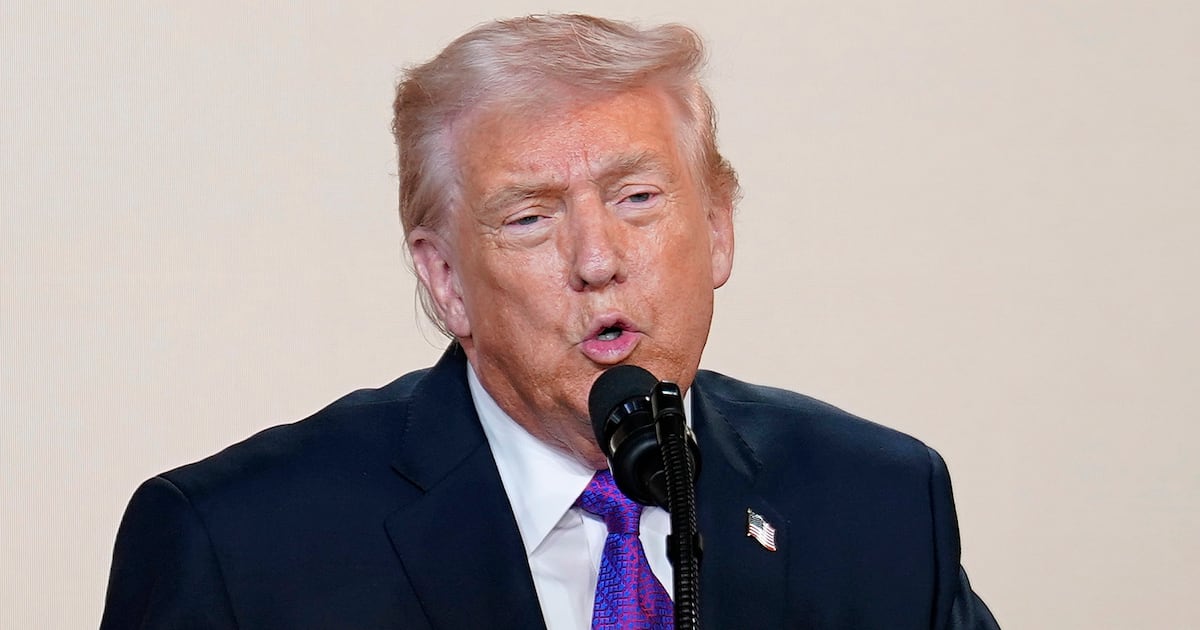
The Daily Beast report frames Trump’s comments as part score-settling, part culture play: a symbolic strike at the Kennedy name wrapped in a bureaucratic decision about “temporarily” closing a venue that has hosted everything from presidential inaugurations to star-studded Kennedy Center Honors.
Why the Kennedy Center Matters Far Beyond Washington, D.C.
Built as a living memorial to President John F. Kennedy, the John F. Kennedy Center for the Performing Arts is less an ordinary venue and more a symbolic crossroads of politics and culture. It’s where presidents are expected to show up, applaud the arts, and at least pretend politics can pause for a night.
- Host of the annual Kennedy Center Honors, sometimes dubbed “Washington’s Oscars.”
- A hub for opera, ballet, jazz, theater, and classical music, plus touring Broadway hits.
- A memorial that burnishes the “Camelot” mythos of the Kennedy family.
So when a president—or former president—takes a swipe at the Kennedys while simultaneously targeting their eponymous arts palace, it doesn’t just sound like a budget line item. It plays like an attack on a carefully curated American myth.
From Temporary Closure to Symbolic “Destruction”
According to the Daily Beast’s reporting, Trump, 79, paired the announcement of a temporary shutdown of the Kennedy Center with fresh barbs aimed squarely at the Kennedy clan. Joined by Health and Human Services Secretary officials as he framed the decision, Trump reportedly reached for an old favorite move: turn a facility decision into a cultural signal.
“The Kennedys got their monument. Maybe it’s time somebody told them the party’s over.”
Whether line-for-line accurate or paraphrased in the coverage, the gist is clear: position the closure not just as logistics, but as a kind of reckoning with old political royalty. It’s classic Trump showmanship— and it ensures the story lands on the entertainment pages as much as in the politics section.

The “temporary” part of the closure is key. On paper, it can be framed as a response to funding disputes, safety upgrades, or health guidance—standard government-business stuff. In practice, the rhetorical flourish around the Kennedy name is what gives the move its cultural bite.
When Arts Funding Becomes a Culture War Weapon
The Kennedy Center has often been a lightning rod in debates over government support for the arts. Long before Trump, conservatives criticized the venue as a symbol of elite culture subsidized by taxpayers, while arts advocates defended it as public investment in national prestige.
Trump’s jab at the Kennedys taps into this older narrative: the idea that coastal elites get gleaming temples to high art while everyone else fights over scraps. It’s a storyline that plays well on talk radio and social media, even if the budget math behind it is more complicated.
- Right-leaning framing: A bloated, symbolic monument to a political dynasty.
- Left-leaning framing: A cherished arts institution under attack for political points.
- Media framing: A convenient stage to rehash Trump vs. “the Establishment.”

The Daily Beast coverage fits neatly into a broader media trend: treating Trump’s comments not just as policy-adjacent, but as episodic content in an ongoing reality show about American institutions.
The Kennedys as a Brand: From Camelot to Clickbait
For six decades, the Kennedy name has functioned like a franchise in American cultural life: tragedy, glamour, charisma, and a touch of soap opera. From Oliver Stone’s JFK to Netflix documentaries, the family’s story has been retold so many times it’s practically a genre.
The Kennedy Center folds into that myth-making. Its gleaming white exterior and riverfront fireworks on July 4th feel like physical extensions of the Camelot narrative—a space where America’s better angels wear tuxedos and applaud Yo-Yo Ma.
“The Kennedys gave politics the aesthetics of the stage; the Kennedy Center returns the favor by giving the stage the grandeur of politics.”
When Trump swipes at the Kennedys, he isn’t just sparring with a rival political brand; he’s taking aim at a nostalgia machine that still has real pull for older voters and cultural institutions alike.
Who Actually Gets Hurt When the Kennedy Center Goes Dark?
Behind the snappy quotes and political theater is a more grounded reality: a closed Kennedy Center means cancelled shows, scrambled touring schedules, and a ripple effect across the performing arts economy.
- Artists and crews: Fewer bookings, postponed premieres, and income instability.
- Local businesses: Restaurants, hotels, and transport that rely on pre-show traffic.
- Audiences: Lost access to subsidized tickets, education programs, and community events.

The entertainment industry has already weathered pandemic shutdowns, shrinking arts budgets, and the streaming-era squeeze on live performance. A high-profile closure—especially one wrapped in political messaging—risks turning necessary maintenance or budget negotiations into a recurring partisan ritual.
Strategic or Spiteful? Reading Trump’s Move
Evaluated coldly, Trump’s latest comments look like a low-cost, high-visibility play. The Kennedy family still polls as establishment-adjacent; the Kennedy Center still reads as elite. Criticizing both lets Trump frame himself as anti-aristocracy while dominating another news cycle.
But there are trade-offs:
- Short-term gain: Energizes a base allergic to dynasties and “coastal culture,” grabs headlines, and reactivates a familiar feud.
- Long-term risk: Further politicizes arts funding and alienates moderates who view the Kennedy Center as part of the civic commons rather than a partisan symbol.
“When every orchestra pit becomes a battlefield, the people who lose aren’t politicians—they’re audiences.”
Critics argue that this pattern—turning neutral institutions into cultural enemies—may play well as content, but it corrodes the idea that some civic spaces should stand slightly apart from partisan warfare.
What This Dust-Up Says About the Future of American Culture
This latest Trump–Kennedy Center episode isn’t just a one-off squabble; it’s a reminder of how thoroughly politics has seeped into the entertainment ecosystem. Venues, awards shows, even arts endowments now double as signals in a culture war that rarely takes a night off.
In practical terms, the key questions going forward are:
- How long will the Kennedy Center remain closed, and under what official justification?
- Will future administrations treat arts venues as bargaining chips—or as protected civic spaces?
- Can audiences still experience major cultural institutions without feeling drafted into someone’s political storyline?
For now, the Kennedy Center stands—as both a building and a storyline—caught between being a memorial to a past president and a stage for the latest round of America’s ongoing reality show. Whether it emerges as a renewed symbol of shared culture or just another partisan prop will say a lot about where the country’s entertainment and political narratives head next.
